Key takeaways
- MedPAC counted 70.8 million hospital outpatient encounters under Medicare fee for service in 2024, which is why multi building campuses stay busy long after the last appointment.
- IAHSS aligned guidelines treat parking lots as a primary external risk zone for healthcare facilities, not an afterthought to lobby cameras.
- A patrol robot verifies motion with video and location; your contracted guard or on call manager still decides when to respond in person.
- Patient privacy rules mean retention, masking, and access control for robot video must be written before go live, not after a complaint.
- A security patrol robot rental pilot on one campus loop beats guessing coverage from a guard post at a single corner.
Should a multi clinic operator add patrol robots to its campus?
Yes, when your risk is spread across buildings and shared parking rather than one hospital tower. Medical office campuses mix urgent care, imaging, specialty clinics, and admin space on one pad. Staff leave at staggered times while charts, supplies, and vehicles stay exposed.
MedPAC reports 70.8 million outpatient encounters in Medicare fee for service at OPPS hospitals in 2024, about 3.0 encounters per beneficiary. Independent physician groups add evening infusion and imaging blocks that do not show up in that tally but still fill lots after sunset.
An autonomous patrol robot repeats loops between clinic entrances, loading zones, and remote parking rows. It does not replace your contracted guard company or local law enforcement. It gives verified video between scheduled guard drives when one officer cannot see the whole campus.
What makes outpatient campus patrol different from a single site?
You are managing connectors. Pedestrian paths tie buildings together. A pharmacy lockup, an imaging suite, and a physical therapy gym may close an hour apart. Alarm panels differ by suite even when the landlord owns the shell.
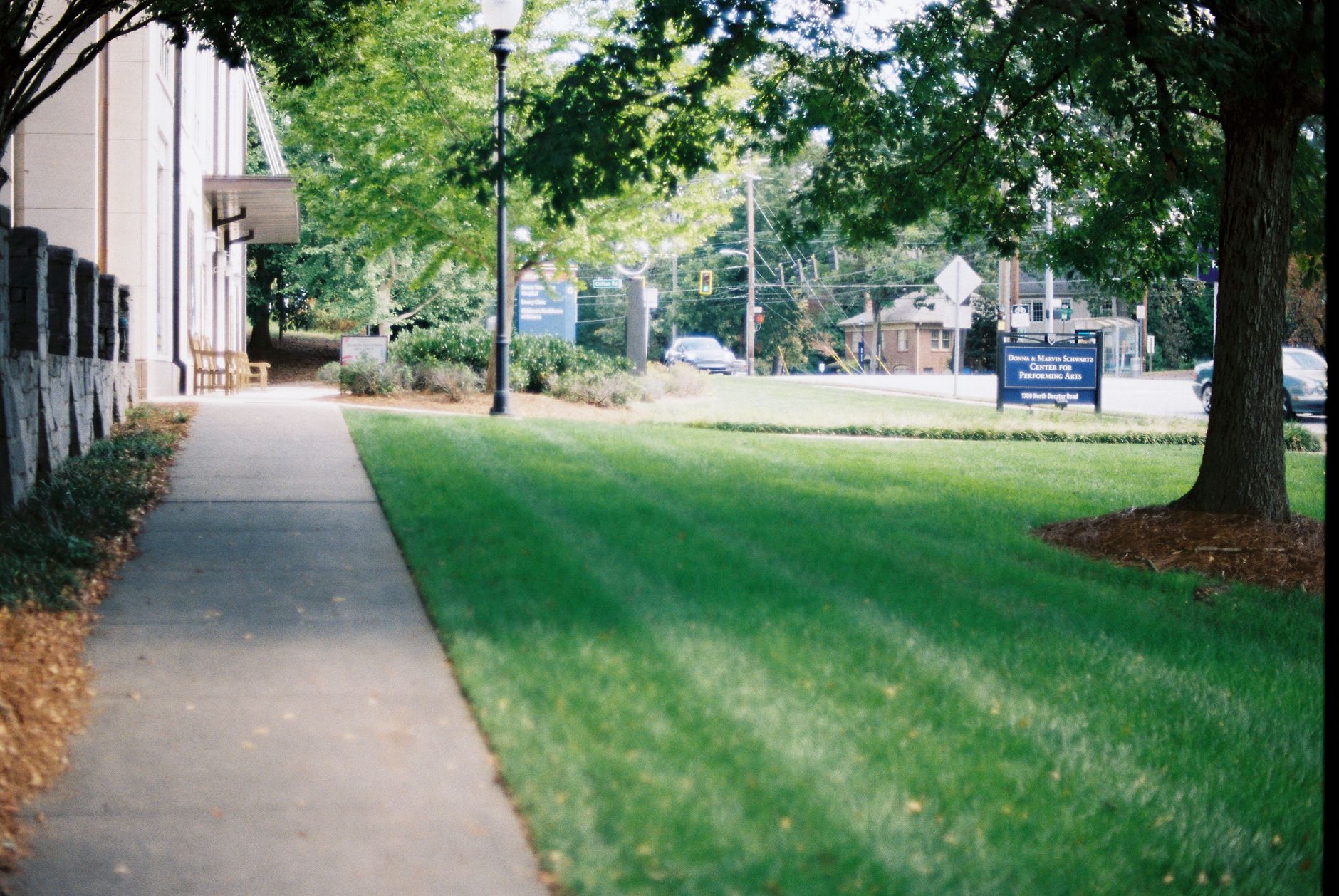
Healthcare facility security guidelines call out dedicated patient and visitor parking, limited vehicular entries, and concentrated pedestrian paths to lit entrances. On a campus, those paths cross open lots where one camera on the main door misses the far row.
Robots help when the same guard tour must cover three entrances, a dock, and a garage ramp. Fixed cameras still matter. Mobile patrol fills the gaps between poles and reduces blind spots behind landscaping that grew taller than the lighting plan assumed.
How do patient privacy rules affect robot video?
HIPAA governs protected health information, not every pixel a camera sees. Still, patients and staff reasonably expect that parking lot video is handled carefully. Write a short policy before deployment: who can view clips, how long files stay stored, and when faces or plate numbers get masked for internal review.
Avoid marketing language about reading charts or identifying patients through glass. The robot should document perimeter motion, door propping, and vehicle loitering without zooming into waiting room windows.
If your campus includes a covered drop off where names are spoken aloud, consider privacy masks on that segment or a slower patrol speed so microphones, if enabled, are not capturing clinical conversation. Many operators disable audio entirely and rely on video plus location stamps.
Where do staff escorts and late shifts fit the route plan?
Night clinic staff often walk alone to distant rows. Escort requests cluster around winter 5 p.m. darkness and summer 8 p.m. infusion finishes. Program a visible robot path along the escort corridor so staff see a patrol rhythm, not a surprise machine behind them.
Mark authorized zones for cleaning crews and lab couriers. A cart at the dock at 11 p.m. may be routine. Without geofencing, every cooler swap becomes a false alarm that erodes trust in the feed.
Coordinate with human resources on panic button practice. The robot clip should arrive on the same screen security watches when a staff member triggers a duress alert, so nobody chases two different apps during a real event.
How should loading areas and docks appear on the map?
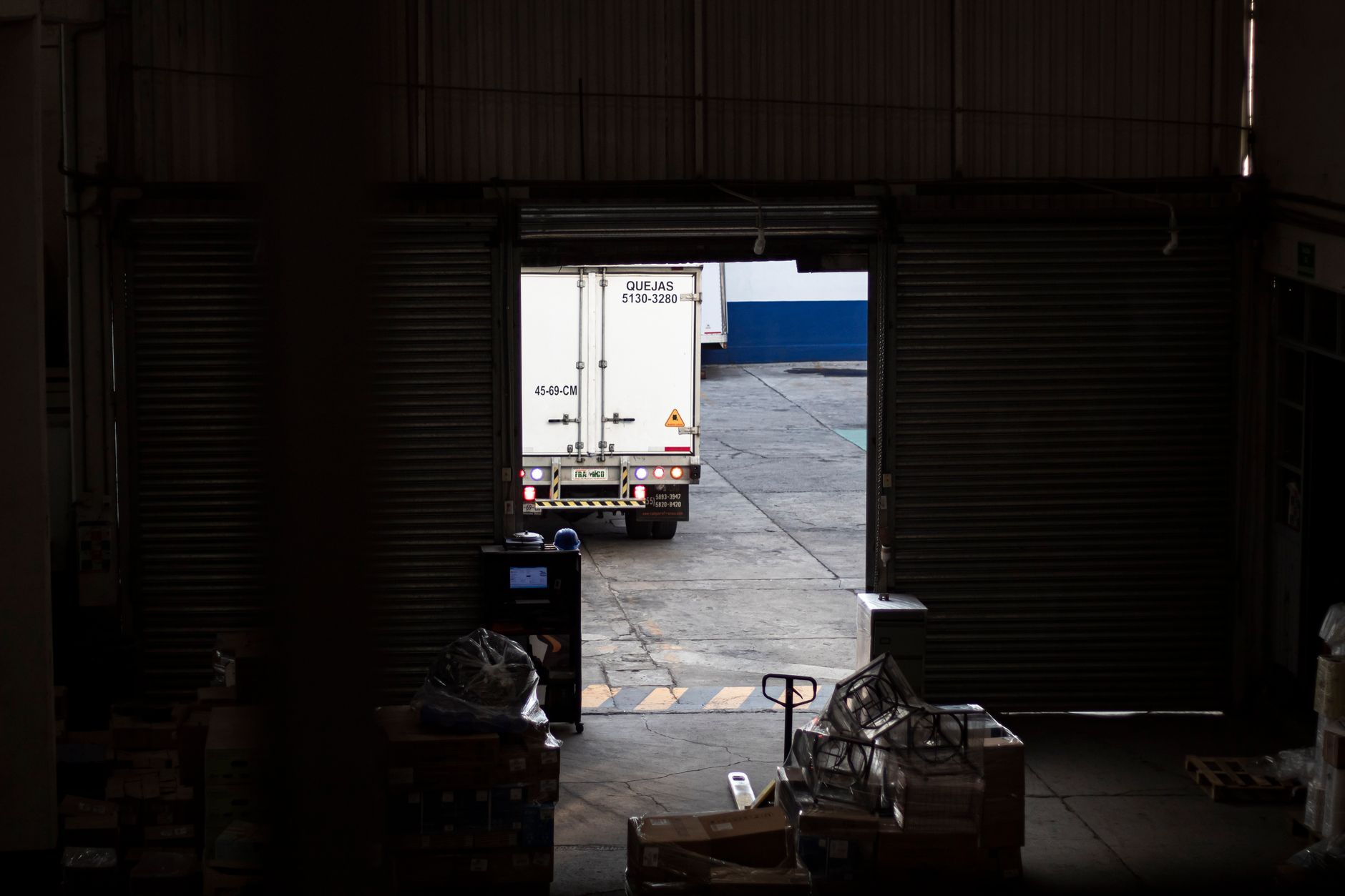
Medical office campuses receive small freight daily: imaging contrast, clinic supplies, and mail. Loading zones sit out of sight from the main lobby camera. They are also where tailgating through a propped door is easiest.
Schedule slower loops through the dock when your courier window is active, then tighten patrol after the bay door drops. Treat idle vehicles with running lights as a higher tier alert than a raccoon behind a dumpster.
If sharps or pharmaceutical totes move on a fixed schedule, tell the integrator which minutes are authorized so video review stays focused on anomalies, not compliant couriers.
What does alarm verification look like with a robot on site?
Many campuses arm suite alarms after the last clinician leaves. A motion hit at 2 a.m. should trigger a robot dispatch to the door before a guard drives across town. The goal is eyes on scene in minutes, not a blind reset.
Write escalation tiers. Tier one might be wind blown debris. Tier two is human shape at a clinic entrance without a badge reader unlock. Tier three is simultaneous glass hit and motion at the dock.
HFM Magazine notes that parking lots are common settings for armed robberies, smash and grab thefts, and physical violence at healthcare properties. Verification video helps managers decide whether to call police or send the contracted guard for a walkthrough.
How do you hand off to contracted guards without duplicating work?
Treat the robot as the first camera on scene and the guard as the responder. Share a single incident log. When the robot flags motion, the guard should see the same clip, GPS tag, and time stamp on their phone or radio channel.
Agree on drive patterns. If guards already hit the garage on the hour, program the robot to cover the opposite half hour on pedestrian paths so coverage stays continuous instead of doubled up in one corner.
Service Robot Co. can integrate alerts to your existing guard workflow, map multi building loops, and maintain the unit through a nationwide network of regional service engineers. A month to month security patrol robot rental lets you prove the handoff during a busy flu season before you commit to purchase.
- Document which entrances each party owns after hours.
- Run a joint drill with a propped door and a staged vehicle idling in a fire lane.
- Measure false alarms for two weeks before adding a second robot on a large pad.
What should the first pilot week include?
Pick the highest complaint loop: usually the row farthest from lighting or the path between garage and infusion. Run the robot nightly while clinic leads note noise, glare, and staff comfort.
Compare incident logs to the prior month. You are looking for faster verification times, not a magic drop in crime on day seven.
Landlord approval matters on shared pads. Show how routes avoid private tenant entrances and how video retention meets each lease's security addendum.