Key takeaways
- Autonomous patrol adds the most value where a property has long exterior routes, sparse overnight staffing, and repeated incidents spread across parking and common areas.
- Open-air outlet geometry changes the math because breezeways, detached pads, and large parking fields create blind spots that fixed cameras and short guard rounds miss.
- The best programs are measured against concrete overnight tasks such as patrol frequency, alarm response, escort visibility, and documented exception handling.
- For many operators, the practical buy decision is not robot or human. It is which patrol work should become persistent machine coverage and which still needs a person.
When does autonomous patrol add more than cameras and mobile guards?
Yes, it can. For an open-air outlet mall, autonomous patrol starts to earn its keep after close when the property is too spread out for fixed cameras to tell the whole story and too large for mobile guards to cover at tight intervals. The value is not novelty. It is persistent movement through the parts of the site where risk actually lives: parking rows, breezeways, loading edges, detached buildings, and long pedestrian connectors between them.
That geometry matters. According to the U.S. Census Bureau, e-commerce still accounted for 17.1 percent of U.S. retail sales in the second quarter of 2026. Physical retail remained 82.9 percent. According to CBRE, the national retail availability rate was 4.9 percent in mid-2025, and retailers continued to favor high-traffic open-air centers. In other words, these properties still carry serious evening traffic, serious assets, and serious exposure.
A robot does not replace every guard task. It does something narrower and often more valuable after hours. It runs the repetitive exterior miles on schedule, records what it sees, shows a visible patrol presence in areas where nobody wants to walk alone at 1 a.m., and creates a documented trail of rounds, exceptions, and dwell times that buyers can actually audit.
Why is an outlet mall a different security problem from an enclosed mall?
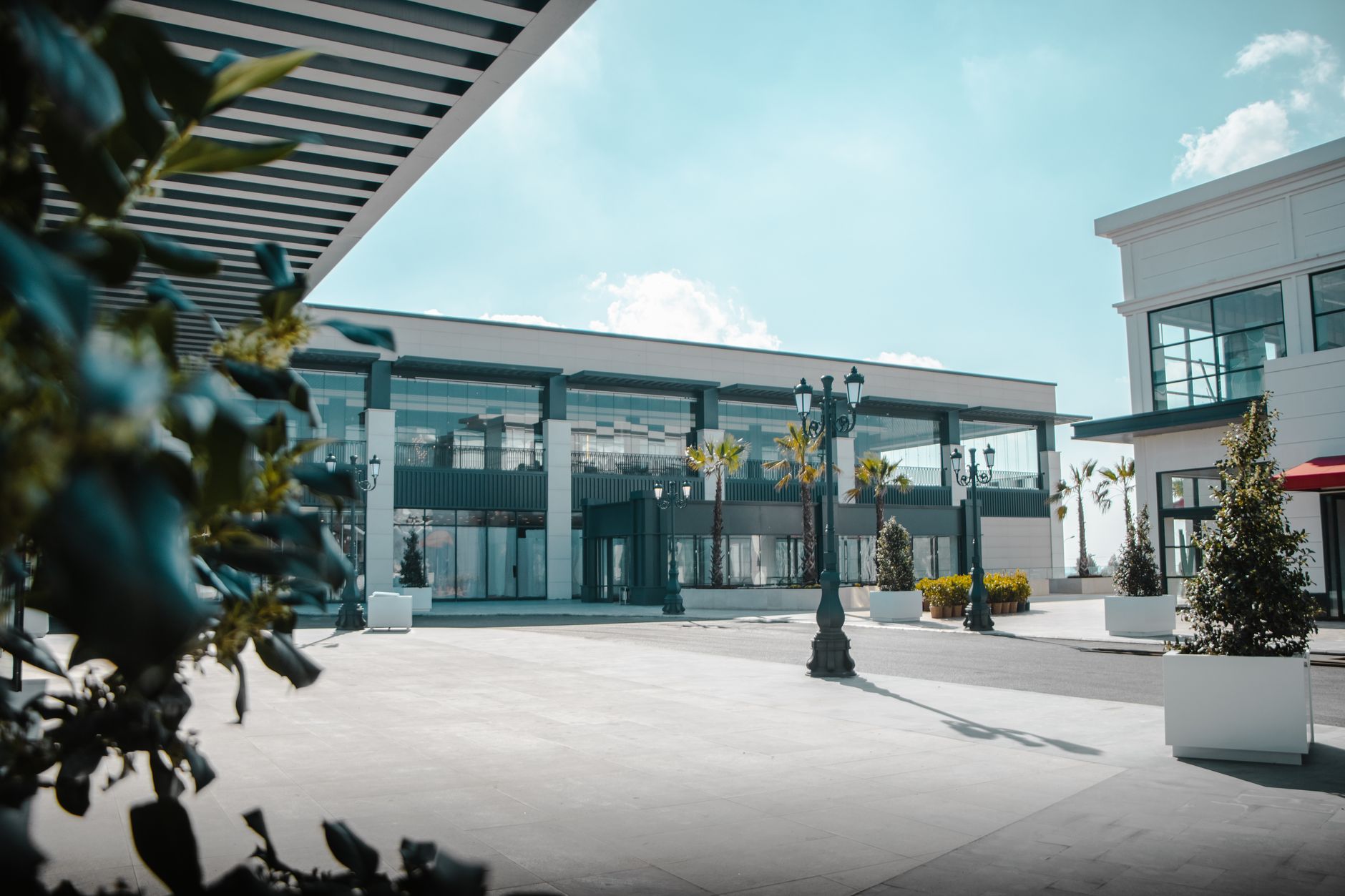
An enclosed mall concentrates risk inside a shell. An outlet center spreads it across a campus. The distance between storefronts, the number of parking entries, the number of detached pads, and the amount of dark frontage after tenant close all change how protection has to work.
OSHA draws a useful boundary here. Its recordkeeping guidance notes that a public parking area like those found at a mall is not part of a tenant employer's establishment, except for the owner of the building or mall. That is a plain reminder that the common-area problem belongs to the property operator. If something happens in the parking field, along a breezeway, or near a detached building, the center cannot treat that space as somebody else's operational edge.
Open-air sites also carry vehicle and pedestrian interaction long after storefront activity drops. The CDC reports that more than 8,000 pedestrians were killed on U.S. roads in 2022, with about 140,000 emergency department visits for nonfatal pedestrian crash injuries. The CDC also notes that many high-fatality roads sit beside commercial retail space. Outlet centers are not public arterials, but they share the same conflict pattern: wide vehicle movement, people crossing where they should and where they should not, and poor decisions amplified by darkness, fatigue, and speed.
Where do cameras and mobile guards usually fall short after close?
Cameras are excellent at watching fixed scenes. They are weaker at proving that someone examined a large property, noticed a gate ajar three lots over, or checked the shadow line behind a detached tenant box. A parked or slowly moving robot closes some of that gap by taking the sensor package on a route instead of waiting for the incident to enter a frame.
Mobile guards have the opposite limitation. They can interpret, intervene, and make judgment calls, but they cannot be in six places at once. A patrol car may pass a lane every 45 minutes, which means long stretches with no physical presence on foot-level paths or in parking rows. When incidents are diffuse rather than concentrated, that cadence becomes the problem.
The retail crime backdrop makes that cadence question more urgent. The National Retail Federation reported in October 2025 that retailers saw an 18 percent increase in average shoplifting incidents in 2024 versus 2023, and threats or acts of violence during theft events rose 17 percent. The same release said exterior security was one of the top areas where retailers increased spending. Buyers should read that not as a push for gadgets, but as evidence that the perimeter and common area have become harder to ignore.
What jobs should the robot actually own overnight?
The right answer is operational, not abstract. If a buyer cannot name the overnight tasks the machine will own, the program is not ready. A patrol robot should be assigned work that is frequent, repetitive, visible, and costly to leave inconsistent.
For most outlet properties, the strongest use cases are patrol confirmation, common-area visibility, remote check requests, and exception capture. The robot is there to reduce dead zones in patrol coverage and shorten the time between observations, not to play hero in a confrontation.
- Scheduled patrol loops across parking fields, breezeways, pad-site perimeters, and loading edges
- Post-close door and gate checks with time-stamped proof of rounds
- Lighting-out and obstruction detection on pedestrian routes
- Support for remote guards or supervisors who need eyes on a specific area before dispatching a person
- Visible escort presence during lockup, cash handling walks, or contractor exits
- Documented incident packages with images, timestamps, route history, and operator notes for later review
What site conditions make the business case stronger?
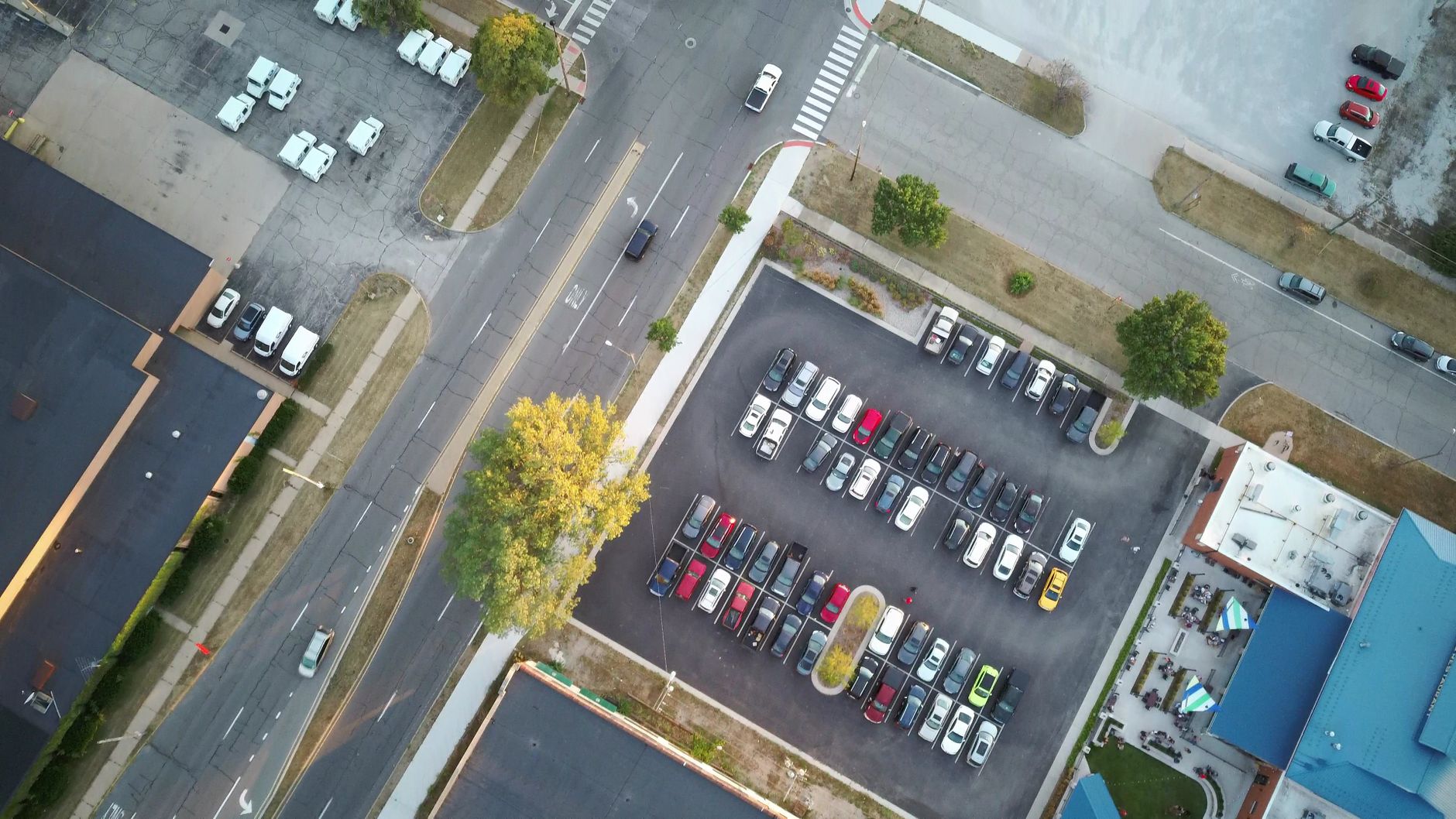
The best candidates usually have one of three patterns. First, the property is physically sprawling, so a single vehicle or foot patrol cannot revisit key zones often enough. Second, incident volume is not catastrophic, but it is chronic. The same nuisance behaviors, gate issues, loitering pockets, and after-hours trespass events keep resurfacing. Third, management needs cleaner documentation for tenants, ownership, insurers, or law enforcement.
There is also a blunt parking-lot safety reason to care. IIHS, citing NHTSA data, says backover crashes cause about 10,000 injuries and 263 deaths annually, and nonresidential parking lots account for 52 percent of backover injuries. That does not mean a security robot prevents every low-speed crash. It does mean large parking areas are active risk environments even when they look empty from a control room.
OSHA's workplace violence guidance adds another lens. The agency highlights working alone, isolated areas, late-night hours, and high-crime locations as risk factors. Its late-night retail guidance specifically calls for better lighting in parking lots and warns against isolated work areas set apart from the main building. Open-air outlet centers are full of exactly those separated zones. A moving patrol presence is often worth more there than another static view.
How should buyers compare patrol options without fooling themselves?
Start with measurable coverage, not vendor claims. Ask how many route-miles must be covered between close and morning, how often each risk zone must be revisited, how exceptions are escalated, and how much of the night currently goes unobserved except by retrospective video review.
Then compare the operating model. Cameras provide broad evidence coverage. Mobile guards provide judgment and response. Autonomous patrol provides repeatable rounds and machine persistence. Most outlet operators need all three, but in different proportions. The trap is paying for overlapping coverage in easy areas while leaving the long exterior miles under-patrolled.
A useful scorecard looks at five things: patrol frequency by zone, documented completion of rounds, mean time from alarm to visual verification, percent of incidents handled remotely before a person is dispatched, and how often the site had no visible patrol presence at all. Those metrics reveal fast whether the robot is filling a real gap or just rebranding work you were already buying.
What does a practical rollout look like for a multi-building retail site?
Keep the first phase narrow. Map the campus, define the overnight patrol loops, mark low-confidence navigation areas, and choose a short list of exception types the team actually cares about. Detached restaurants, back-of-house service lanes, and windy pedestrian connectors often need their own rules because they behave differently from main retail rows.
The integration work matters as much as the robot. Dispatch rules, geofenced no-go zones, alarm handoff, charging location, remote operator procedures, and after-hours contact trees should be settled before go-live. If the program is financed as a robot as a service or security patrol robot rental structure, the buyer should be especially clear about maintenance included terms, emergency replacement expectations, and who owns the response playbook when something goes sideways.
This is where Service Robot Co. fits naturally. Outlet operators often do not need one more equipment seller. They need a vendor neutral robot integrator that can assess the site, pick the right platform across manufacturers, handle robot deployment and integration, train the team, and support the fleet through one nationwide service relationship. That is especially useful when a property group wants one partner and one number across several states instead of a patchwork of local arrangements.
Should you rent, lease, or buy the patrol system?
For many retail owners, the decision is less about accounting theory and more about operating certainty. A security patrol robot rental, robot leasing for business program, or other monthly payment program can make sense when the site wants a pilot, wants maintenance included, or expects the patrol design to change after the first season. That structure can also help when ownership wants no upfront capital tied to a young program.
An outright purchase can fit mature portfolios with settled routes, stable traffic patterns, and in-house appetite for lifecycle management. But open-air outlet centers are often dynamic. Tenants change, holiday traffic changes, pads get renovated, and common-area patterns shift with weather and events. Flexibility matters.
Service Robot Co. is built for that buyer posture. The company can support lease rental or sale, finance the deployment, coordinate training, and service each unit through a nationwide U.S. engineer network. That full-lifecycle model matters more in outdoor patrol than in many indoor use cases, because uptime depends on field service discipline, route tuning, and consistent local support, not just the hardware on day one.
What should success look like after 90 nights?
Success is not that people noticed the robot. Success is that the overnight picture became tighter and more legible. Risk zones were revisited on schedule. Fewer alarms required blind dispatch. More incidents came with usable documentation. Guards spent less time driving empty miles and more time on the moments that needed a person.
The property should also know where autonomy does not belong. If a detached corner routinely attracts confrontational behavior, a robot may support that zone with visibility and documentation while a human remains primary. Good buyers want that clarity. A credible deployment narrows human work to the high-judgment slice and lets the machine own the dull, frequent, and easily neglected patrol miles.
For open-air outlet malls after close, that is the real threshold question. Not can a robot patrol. Can it make the overnight security program more regular, more visible, and more provable than cameras and mobile guards alone. On the right site, the answer is yes.
Frequently asked questions
Sources
- U.S. Census Bureau Quarterly Retail E-Commerce Sales, Aug. 18 2026
- CBRE 2025 U.S. Real Estate Market Outlook Midyear Review
- National Retail Federation theft and violence study release, Oct. 28 2025
- NRF Consumer Shopping and Safety survey, June 9 2025
- OSHA parking lot recordkeeping FAQ
- OSHA Workplace Violence overview
- OSHA late-night retail safety guidance via drive-thru eTool
- IIHS child safety page citing NHTSA backover estimates