Key takeaways
- Dealer and rental store lots rank among the most common heavy equipment theft locations NER tracks around holidays.
- Seasonal row changes mean mobile patrol beats a fixed camera aimed at last month’s compact loader line.
- Pickup lanes and will-call aprons need named checkpoints, not one wide motion field across the whole gravel pad.
- Rental fraud and after-hours trespass still need human escalation; robots supply timestamps and context first.
- Security patrol robot rental monthly paths let you prove traction on real grades before you cover every acre.
Why are dealer lots harder to secure than a closed service bay?
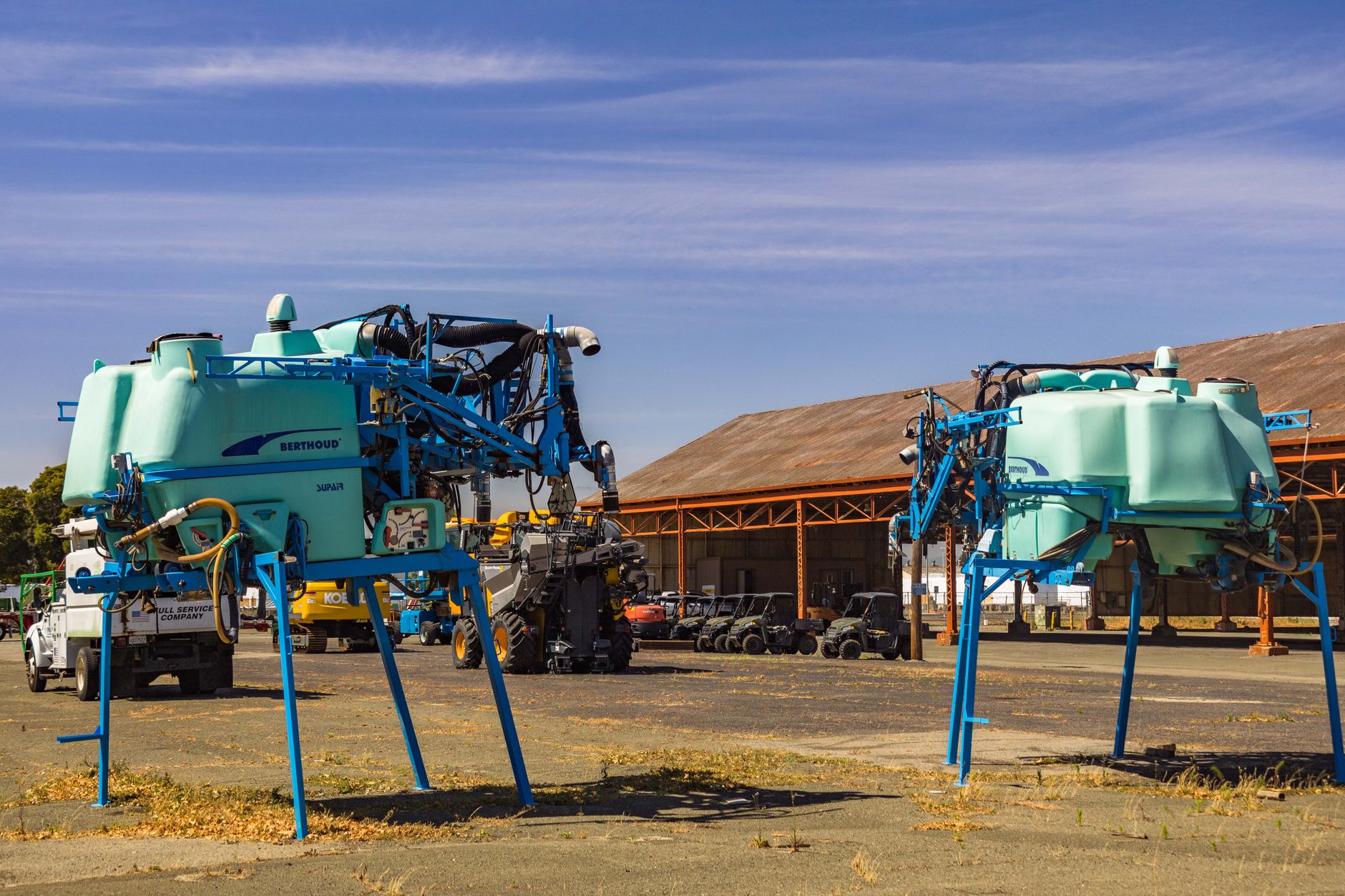
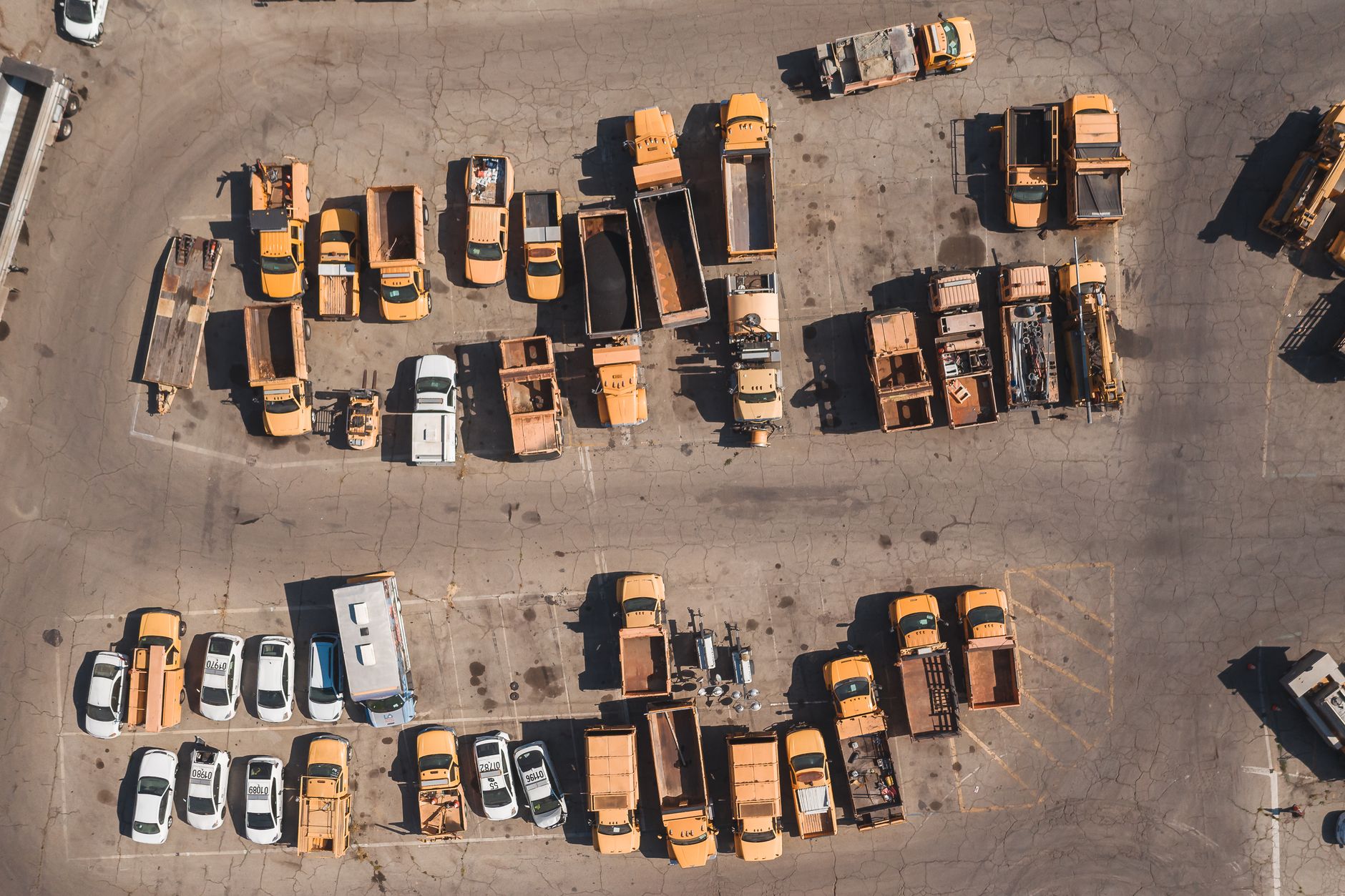
An outdoor equipment dealer mixes high-value compact loaders, zero-turn mowers, and attachments in rows that move every spring promo. Customers walk the lot on Saturdays while techs stage units near the fence for Monday pickup. A single pole camera at the gate sees the entrance, not the back row where someone cuts mesh after dark.
National Equipment Register holiday analyses consistently list dealer and rental store locations among the most common theft targets nationwide, with jobsites close behind. That pattern matters for lawn, forestry, and construction dealers who leave dozens of units on gravel when the showroom lights go out.
Autonomous patrol robots carry cameras, lights, and two-way audio on a mapped loop through those rows. They extend recorded coverage between guard tours. They do not replace police, insurance, or a manager who can verify a VIN on the phone.
How do seasonal layouts break fixed camera plans?
Spring brings tillers and stand-on mowers forward; fall shifts toward blowers and chain saws up front. A camera aimed at last season’s hero row films empty gravel while activity moves thirty meters away.
Patrol units earn trust when logs show the same serial placard and wheel chock at named stops night after night. Re-map after major floor moves, not only when someone complains about a blind spot.
Customer pickup lanes need slower passes than a perimeter sprint. Hold long enough for a readable frame of the will-call apron and the gate where plates should match your system.
- Main gate and customer check-in
- Compact loader and skid-steer row
- Mower and tractor display line
- Attachment cage and small-parts counter
- Rear fence and service staging
- Rental ready line near the office
What theft patterns hit power-equipment dealers after close?
Thieves target whole machines, batteries, and anything that loads fast on a trailer. Rental fraud and conversion losses remain a major driver of dealer and rental store claims in NER holiday briefings, often involving compact loaders customers never return.
According to NER Memorial Day 2025 snapshot reporting, reported theft incidents around that holiday window carried more than eleven million dollars in total loss value, a reminder that a single long weekend can sting.
Opportunistic crews scout rows in daylight and return when motion stops. Patrol footage that timestamps the same rental ready unit every hour makes it harder to claim nobody checked the fence line.
Can patrol robots handle gravel, grades, and mud season?
Display lots soften after rain. Ramp traction testing on your actual lanes beats any indoor demo tile. Ground clearance matters where clippings and oil spots collect near the wash rack.
Dynamic no-go zones around open pits, guy wires, and the last few feet before a drainage ditch keep the unit on the documented loop when a flatbed blocks a lane overnight.
Winter salt and spring mud track into the parts counter lobby if you skip entry mats. Log weather with alerts so you tune motion zones after the first storm instead of muting every text.
Where should checkpoints sit on a dense inventory lot?
Start at the gate and will-call window. Sweep the rental ready line and the highest-value compact row. Include the attachment cage, the forklift charging corner, and the fence line behind stacked implements.
Name each stop and dwell long enough for detail, not a blur at fifteen miles per hour. Irregular spacing between units means you remap after a delivery of twenty new mowers narrows the path.
Alarm verification should answer a simple question: is this motion a tarp, a deer, or someone rolling a unit they did not check out. Two data points beat a single pixel change.
How do pickup areas and daytime traffic change night patrol?
Saturday foot traffic leaves chairs, signs, and temporary fencing that can trip naive motion fields. Schedule patrol holds after major events on the lot, not only after theft calls.
Two-way audio works for recorded warnings at the fence. It is not a substitute for police when someone is hooking a trailer they did not rent.
Integration starts by logging gate events next to robot checkpoints. If access control shows no entries after 10 p.m., a person in the mower row deserves escalation.
What evidence should night staff export after an alert?
First response is verify, not chase. Open the clip, check the gate log, call the listed customer if a familiar truck is staging late.
Document every alert action in the same system the robot uses. Insurers and auditors ask for patterns across months, not one dramatic night.
Train staff to capture direction of travel, plate if visible, and which row the motion touched. That packet shortens the call to county dispatch.
How do lighting and glare affect lot cameras?
Polished decks and painted hoods flare when sodium lamps meet wet paint. Patrol units with adjustable fill light and HDR processing handle mixed glare better than a single mount above the scale house.
Dark rows behind the building need dedicated poles before you blame the camera. Test exposure on a wet row before you sign off on the route.
Adjust patrol speed so shutters catch placard detail without smear when wind moves shrink wrap on stacked implements.
What does a pilot month prove on one dealer lot?
Run one loop on the acre with the worst shrink or the longest walk from the office. Track completed laps, charge cycles, false alarms, and exported clips.
Security patrol robot rental monthly or lease paths with maintenance included let you learn gravel grades without capital on day one. Convert after the loop is boringly reliable.
Try-before-you-buy pilots fail when nobody reviews alerts. Assign a human owner even if the robot is alone on the lot.
Where does Service Robot Co. fit?
Service Robot Co. acts as a vendor-neutral integrator: select patrol hardware, finance it, map the lot, train night staff, and dispatch field help through a nationwide network of regional service engineers when a wheel fails mid-season.
A free site assessment should walk the lot at close and after your busiest Saturday. Note glare zones, gravel grades, and gate cable runs no blueprint shows.
One partner one number matters when sales, rental, and risk each ask different questions the week a regional promo fills every row.