Key takeaways
- Match drive type, IP rating, and battery strategy to gravel slopes, lawn, and winter moisture before you buy.
- Treat visitor privacy as a design input: blur faces by default and keep recorded patrol data on a short retention clock.
- Pair mobile patrol with fixed cameras so robots investigate alerts instead of replacing every pole mount.
- Write escalation rules that stay quiet for tourists but fast for tampering near high-value pieces.
- Ask for UL 3300 aligned safety evidence before any robot shares paths with families after dark.
What should a sculpture park expect from an outdoor patrol robot?
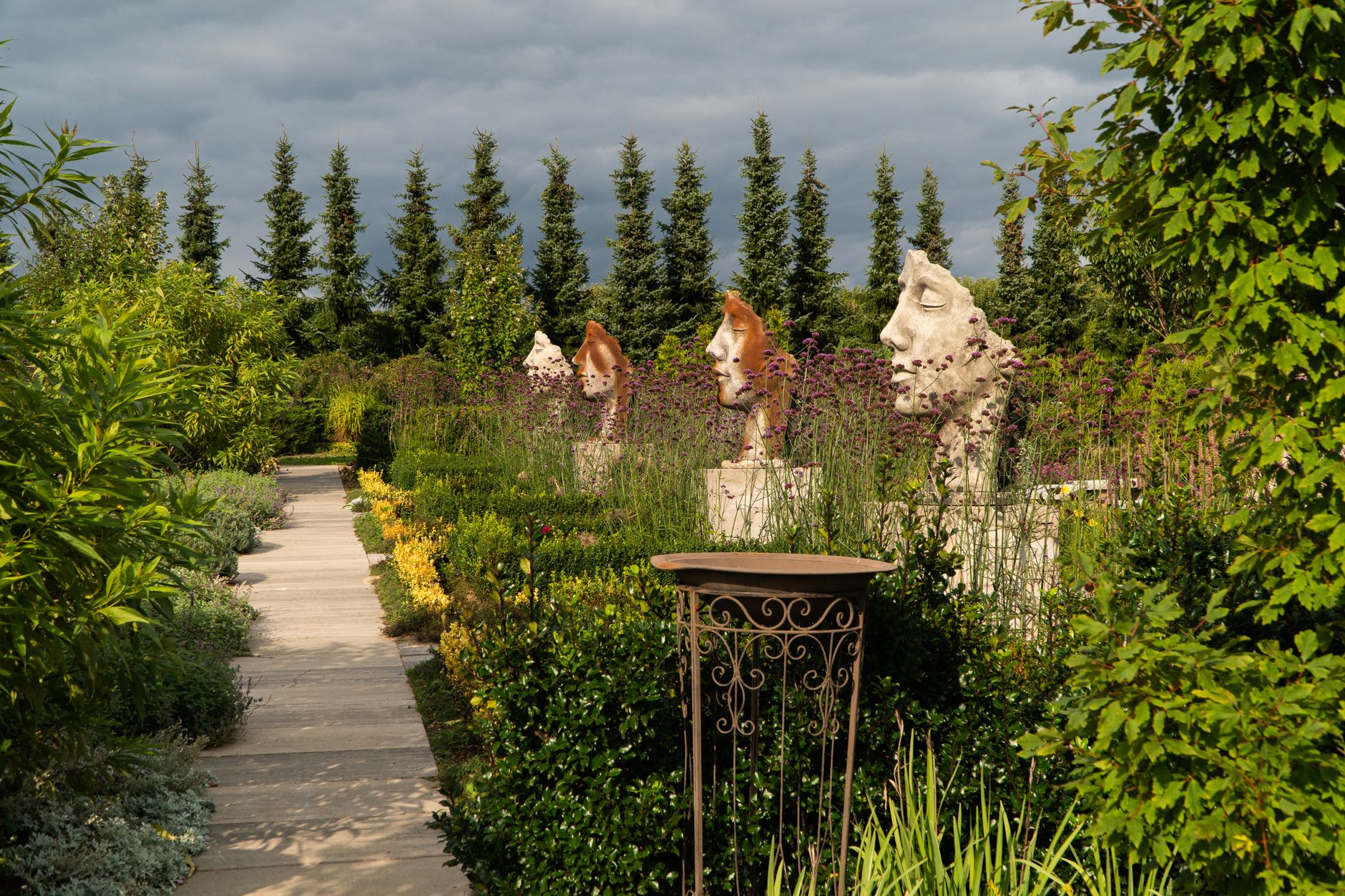
Outdoor sculpture parks spread art across meadows, forest edges, parking loops, and service yards. Human guards cannot be on every trail at once, yet damage often happens in the minutes between drive-bys. A patrol robot is not a replacement for curators or rangers. It is a tireless observer that repeats the same loop, carries cameras and sensors past pieces that sit far from the main gate, and pushes video or alerts to staff who can respond.
The right unit for a cultural campus is usually a wheeled outdoor patrol platform with all-weather enclosures, enough ground clearance for mulch and gravel, and speed caps that feel safe when families are still on site. According to UL Standards and Engagement, ANSI/CAN/UL 3300 sets mobility, object detection, and speed limits for service robots that work near the public, with a first edition dated May 14, 2024. That standard is a practical filter when trustees ask whether a machine belongs on public paths.
Start by listing zones: open lawn with sight lines, wooded connector trails, loading docks, and perimeter fence lines. Each zone gets a patrol cadence, a lighting assumption, and a rule for how close the robot may roll to a sculpture base without risking contact.
How do terrain and weather narrow the hardware list?
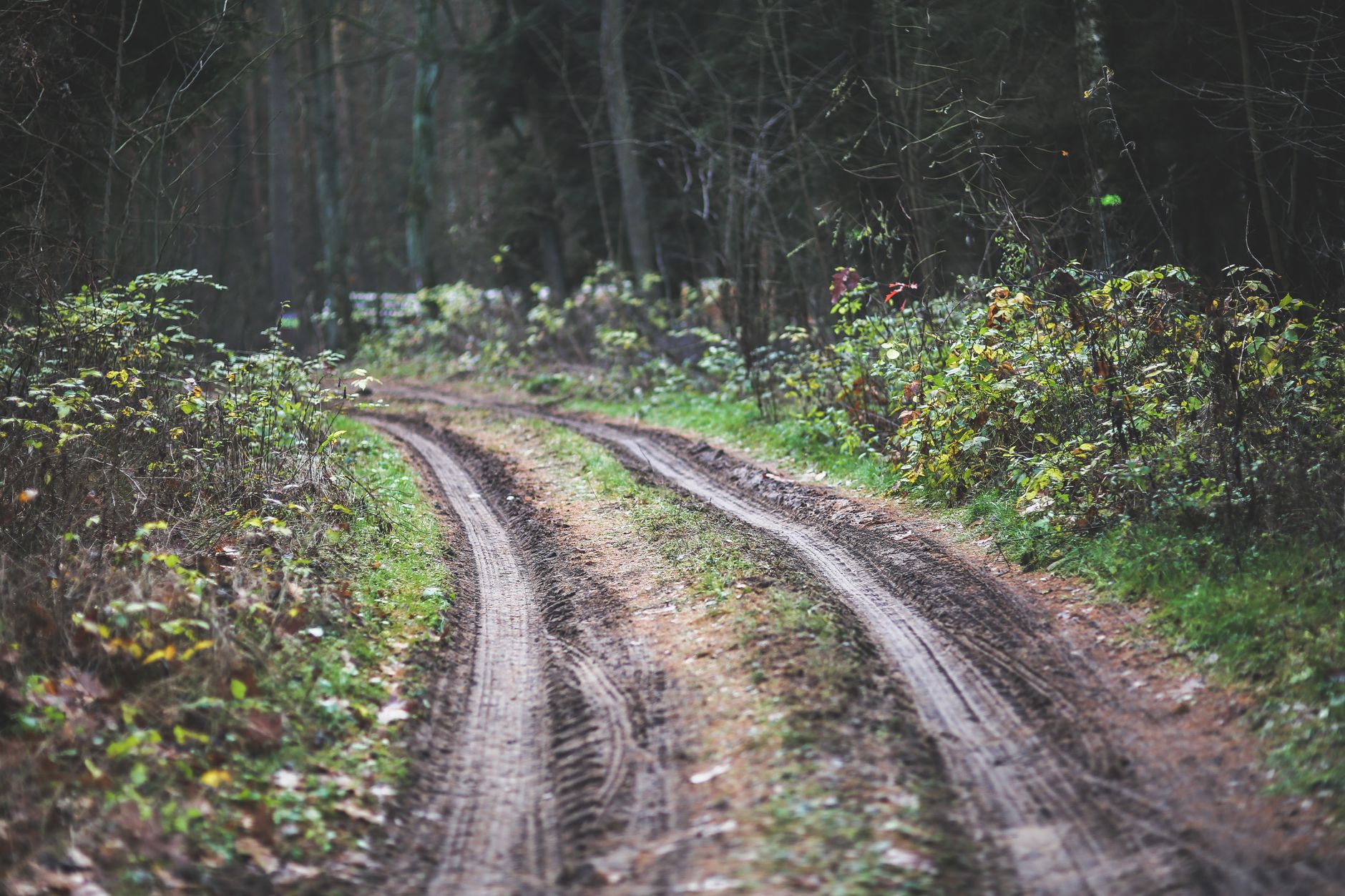
Sculpture parks rarely offer flat warehouse floors. Root heaves, decomposed granite, and seasonal mud show up on the same route that was easy in July. Specify grade limits, rut depth, and whether the robot must handle packed snow or only rain. Outdoor-rated batteries and heated enclosures matter when overnight lows dip on ridgelines.
Moisture is more than rain on the shell. Irrigation overspray, fountain mist, and morning fog can blind lidar or camera housings. The 2026 revision track for UL 3300 adds attention to moisture exposure and sensor blockage during cleaning, which mirrors what grounds crews see when they rinse paths near art.
Wind matters around tall pieces and suspended works. A patrol robot should not rock unstable pedestals with repeated tight turns. Map wide arcs near delicate installations and use geofenced no-go buffers that maintenance can update when a new piece arrives.
- Document slope percent and surface type for every planned loop.
- Note drainage paths so robots do not track mud onto sensitive plaza stone.
- Plan seasonal detours when exhibits move or turf rests.
How do you protect visitor privacy on public art paths?
Patrol robots attract attention, which is useful until cameras record school groups, wedding photos, or therapy walks. Publish a simple privacy notice at trailheads explaining that mobile security may capture video, that faces are blurred in stored footage when feasible, and that live viewing is limited to security staff.
Align retention with what your legal counsel approves for a public botanical garden or museum campus. Madison’s Olbrich Botanical Gardens told park commissioners in 2024 that temporary overnight cameras for the GLEAM exhibition would operate only when the show was closed, with footage unrelated to incidents deleted. Mobile patrol should follow the same discipline: record for safety, not for marketing.
Disable audio recording unless local law and union agreements allow it. Most sculpture parks need visual evidence of trespass or vandalism, not conversations. If the robot has a public address speaker, restrict announcements to short safety prompts rather than ad hoc broadcasts.
What does vandalism detection look like in real parks?
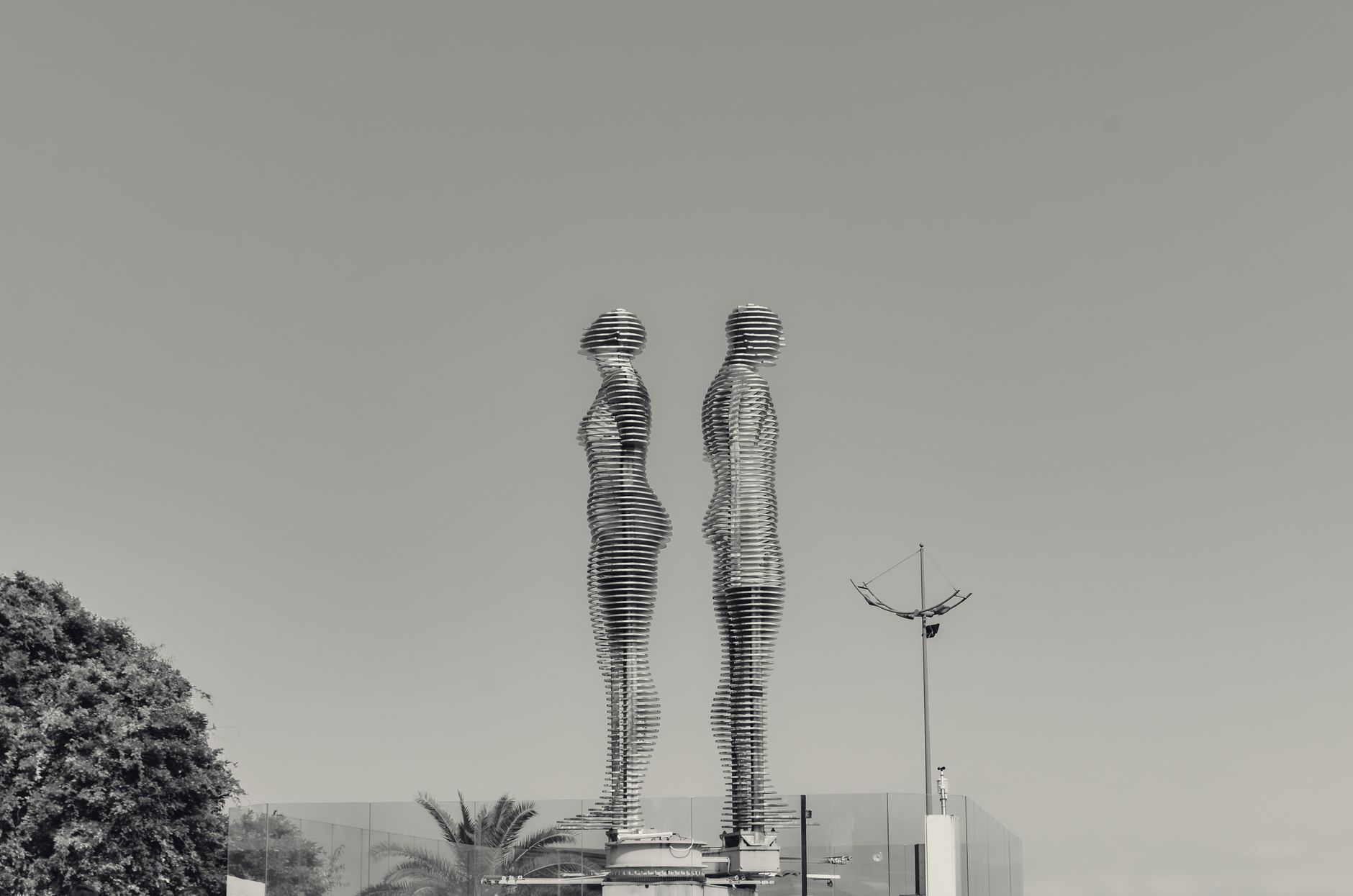
Recent incidents show why dispersed art needs layered coverage. In August 2024, Sylvester Manor on Shelter Island reported a life-sized outdoor sculpture vandalized and an audio work stolen along a two-mile woodland path; staff installed trail cameras after the damage. Bradford’s 2025 Wild Uplands trail saw marble butterfly sculptures smashed days before opening, and organizers increased on-site security while police investigated.
Spokane’s Riverfront Park told the Spokesman-Review in April 2025 that rangers logged hundreds of vandalism-related calls since 2020, with secluded art pieces and stepped terraces among repeat targets. Staff added fencing around signature works and increased night patrols in the plaza. Robots extend that pattern by checking the same secluded viewpoints every hour without pulling rangers off other duties.
Train the operations team on difference between graffiti tagging, attempted theft of copper or electronics, and accidental damage from climbing. Configure alerts for loitering near closed installations, glass break cues where pieces are glazed, and motion in geofenced sculpture pads after posted closing times.
How should escalation stay discreet for guests but fast for staff?
Patrol robots fail culturally if they chase visitors or shout across a meadow. Keep escalation tiers: log and continue for benign foot traffic after hours, notify on-call security for perimeter breaches, and call law enforcement only when tampering or injury risk is clear.
Route alerts to the same channel rangers already monitor, whether radio dispatch or a security operations center. Include GPS pin, last known heading, and a short clip. Staff should be able to silence nuisance alerts during festivals when crowds are expected late.
Practice tabletop drills with curators so everyone knows who can pause a route when a conservator is working on a piece at night. Discreet escalation protects the visitor experience while still shrinking response time to minutes.
How do patrol robots fit existing camera networks?
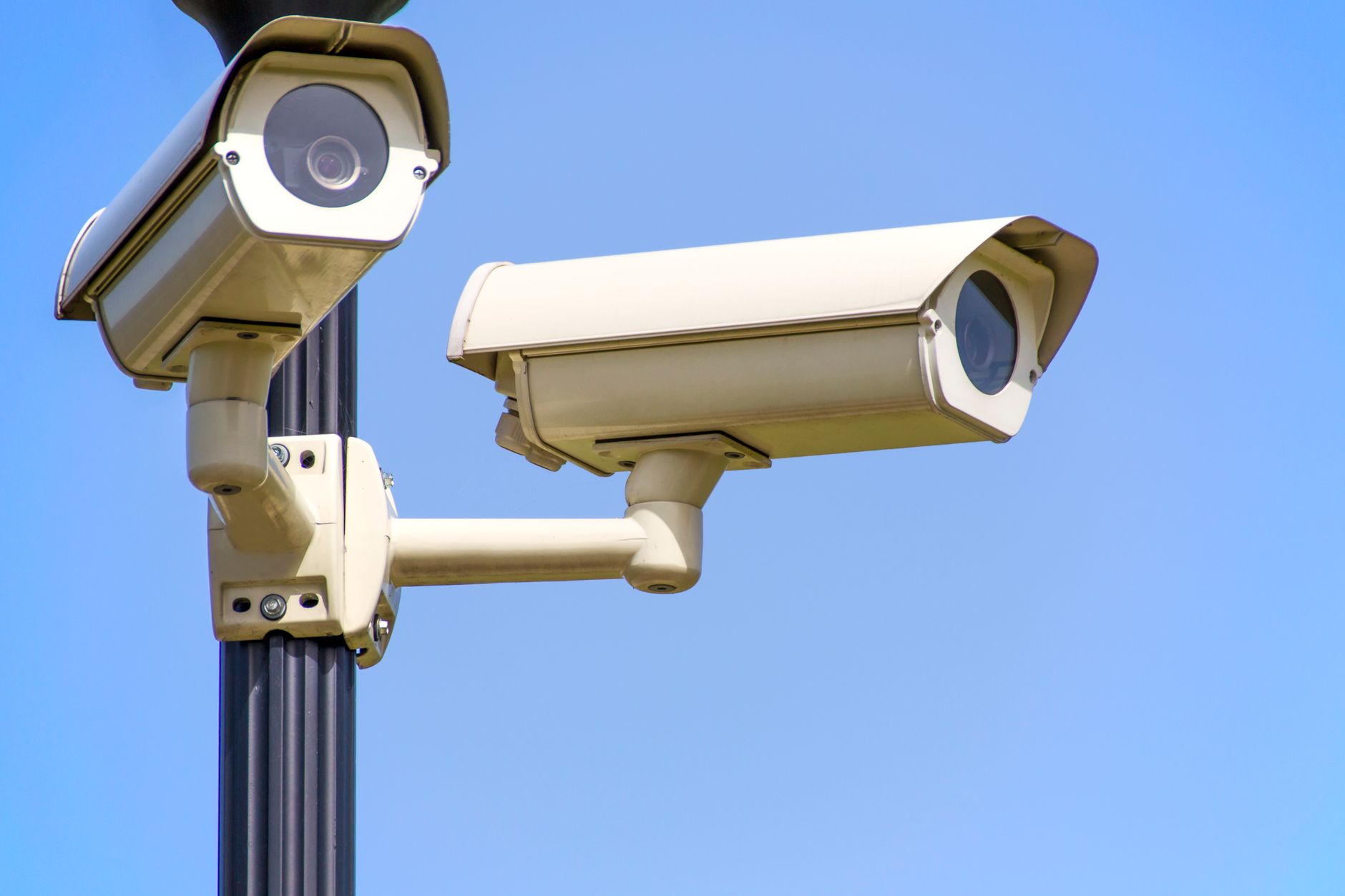
Fixed cameras excel at doorways and parking gates. They struggle on winding woodland trails where trenching fiber is costly. A mobile patrol becomes a moving camera that visits blind corners on schedule and can be dispatched to a fixed camera hit.
Standardize on open integration: RTSP or ONVIF video feeds into the museum’s video management system, plus MQTT or webhook events for analytics. Map robot stops to camera presets so a person verifying an alert sees both the robot view and the nearest pole camera.
When Olbrich sought temporary cameras in 2024, the nonprofit owned purchase and maintenance while the city board approved placement. Similar governance works for robots: clarify who funds hardware, who holds footage, and how long cyber patches are applied.
Where does a full-service integrator shorten the pilot?
Sculpture parks rarely employ robotics engineers. Service Robot Co. acts as a vendor-neutral partner: compare outdoor patrol platforms against your slopes and climate, finance or rent with month-to-month options when seasons change, map routes with conservators, and keep a nationwide service network behind every drive unit.
A phased pilot on one loop and one parking lot proves uptime before trustees fund a second robot. Tie success metrics to incident response time, miles patrolled per shift, and false alarm rate, not vanity counts of tours given.
Bundle training for rangers, IT, and facilities so everyone knows how to charge, clean sensors, and pull logs after an event. One partner number beats juggling separate OEM, installer, and break-fix vendors when a storm knocks a charger offline the night before a gala.
What belongs in the procurement checklist?
Require outdoor IP ratings appropriate for sprinklers and dust, documented braking distance on your actual surfaces, and cybersecurity baselines for remote support. Ask how the robot behaves during public power outages and whether batteries are swappable in the field.
Insist on clear data ownership, export for police reports, and audit logs when operators change routes. Confirm insurance certificates and indemnity language match other vendors on campus.
Schedule acceptance testing at dusk and after rain. If the robot cannot complete two consecutive nights without human rescue, the park is not ready to advertise automated patrol to donors.
- UL 3300 or equivalent safety file for public operation.
- Signed privacy and retention appendix.
- Integration test with live VMS and two camera presets.
- Written escalation matrix with festival overrides.
- Spare battery or charger plan for winter weeks.