Key takeaways
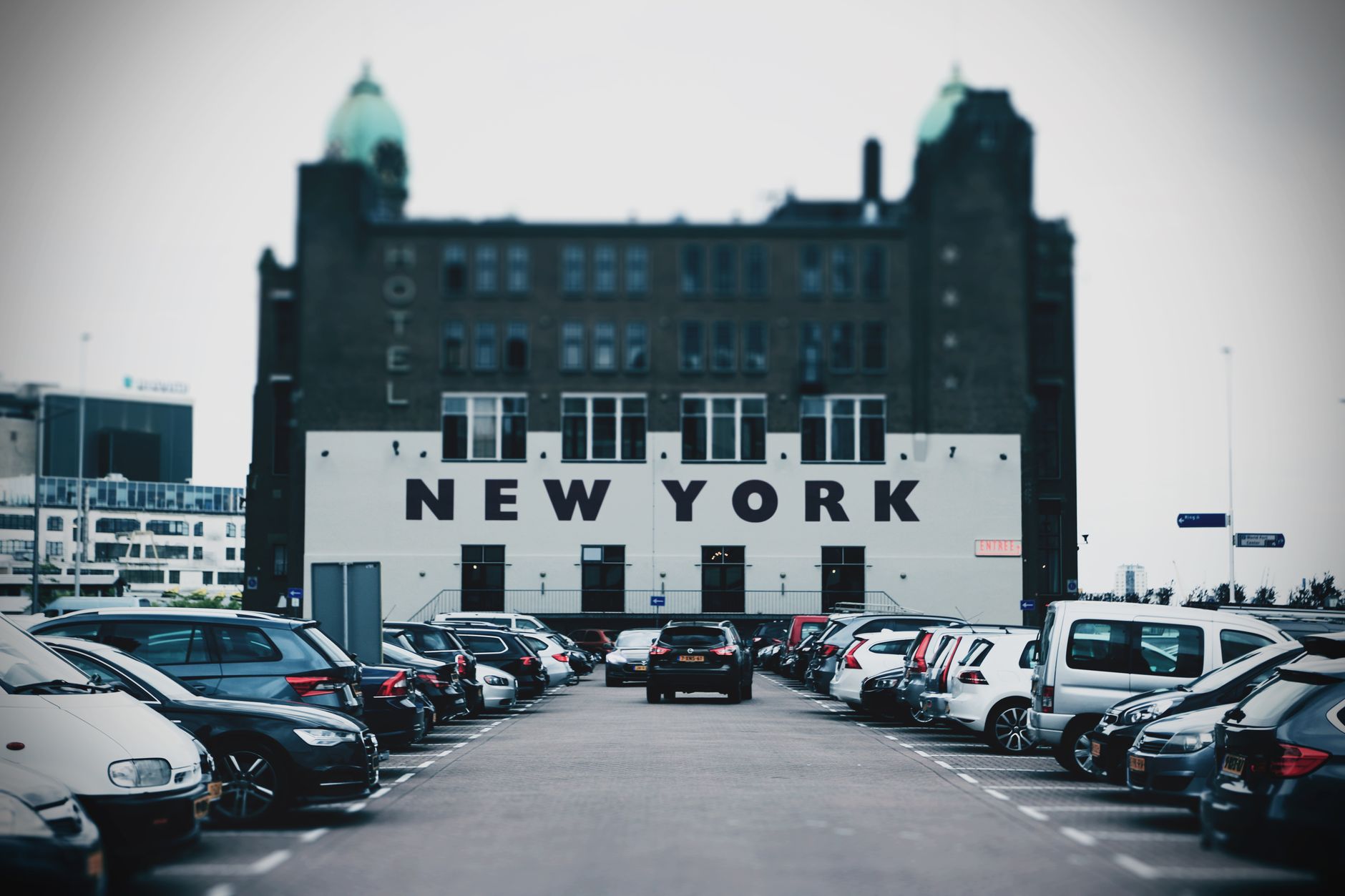
- Overflow lots separated from the lobby are where guests feel safe at check-in but cameras rarely cover every row after dark.
- NICB reported U.S. vehicle thefts fell 23% in the first half of 2025, yet hotel parking clusters still draw break-in sprees when lighting and patrols lag.
- Patrol robots add mobile eyes, two-way audio for basic guest help, and logged routes that pair with shuttle runs and gate calls.
- Nearly 46% of hotel association members still reported staffing shortages in late 2025, which makes overnight lot walks hard to keep consistent.
- Vendor-neutral integrators map weather, cellular backup, and privacy zones before the first autonomous lap.
When does an overflow lot need its own security plan?
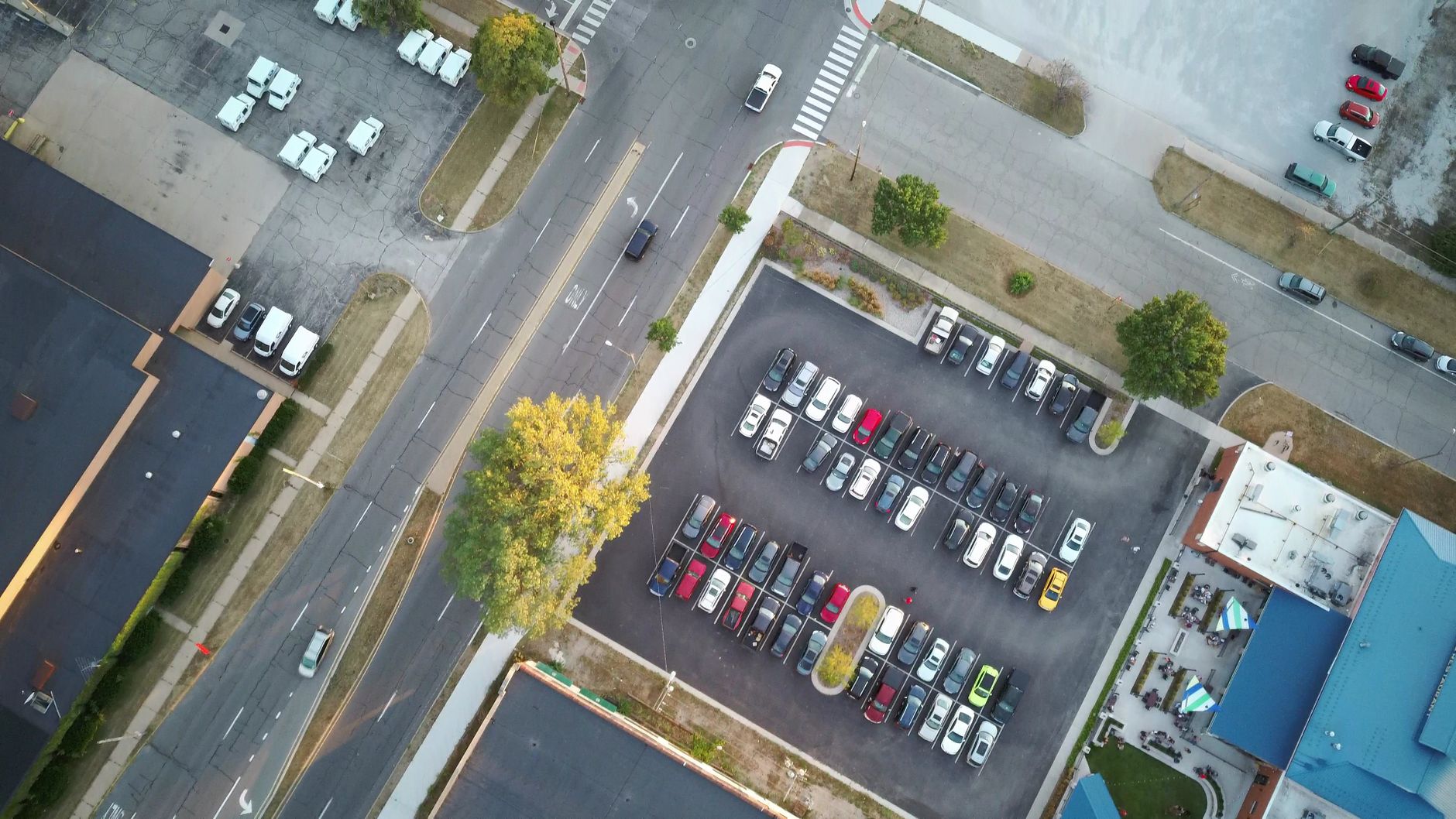
Many full-service hotels lease or own satellite pavement across a street, behind an outparcel, or down a service road. Guests park there when the main garage fills on conference weekends or airport rush nights. The front desk still answers for that pavement even though it sits outside the camera view from the lobby.
Security robots for remote hotel overflow lots close that gap by running repeatable patrols between shuttle loops. They are not a substitute for armed guards on every row. They give you steady presence, timestamped video, and a speaker link when a guest cannot find the return shuttle at midnight.
If your overflow zone has dim poles, blind corners around retention ponds, or a gate that guests prop open, a fixed camera at the entrance alone will miss activity deep in the rows.
Why are hotel parking clusters still theft targets?
Travelers unload laptops, luggage, and rental car gear, then walk toward a bright lobby. Insurance trade press notes that parking areas with weak lighting and few patrols stay easy targets, and a window break can take seconds.
In June 2025, Raleigh police responded to more than 25 vehicle break-ins at two hotels sharing a Brier Creek lot near the airport, with regional hotel lot incidents up sharply that spring according to local crime mapping cited in news coverage. Ohio hotel leaders told the Columbus Dispatch in early 2025 that break-in reports arrive in their inboxes many mornings, often shifting between hotel clusters when patrols tighten elsewhere.
Nationwide, the National Insurance Crime Bureau said vehicle thefts fell 23% in the first half of 2025 compared with the same period in 2024. That macro trend does not remove lot-level risk when your property still has dark aisles and long walk paths.
How should patrol routes align with hotel shuttles?
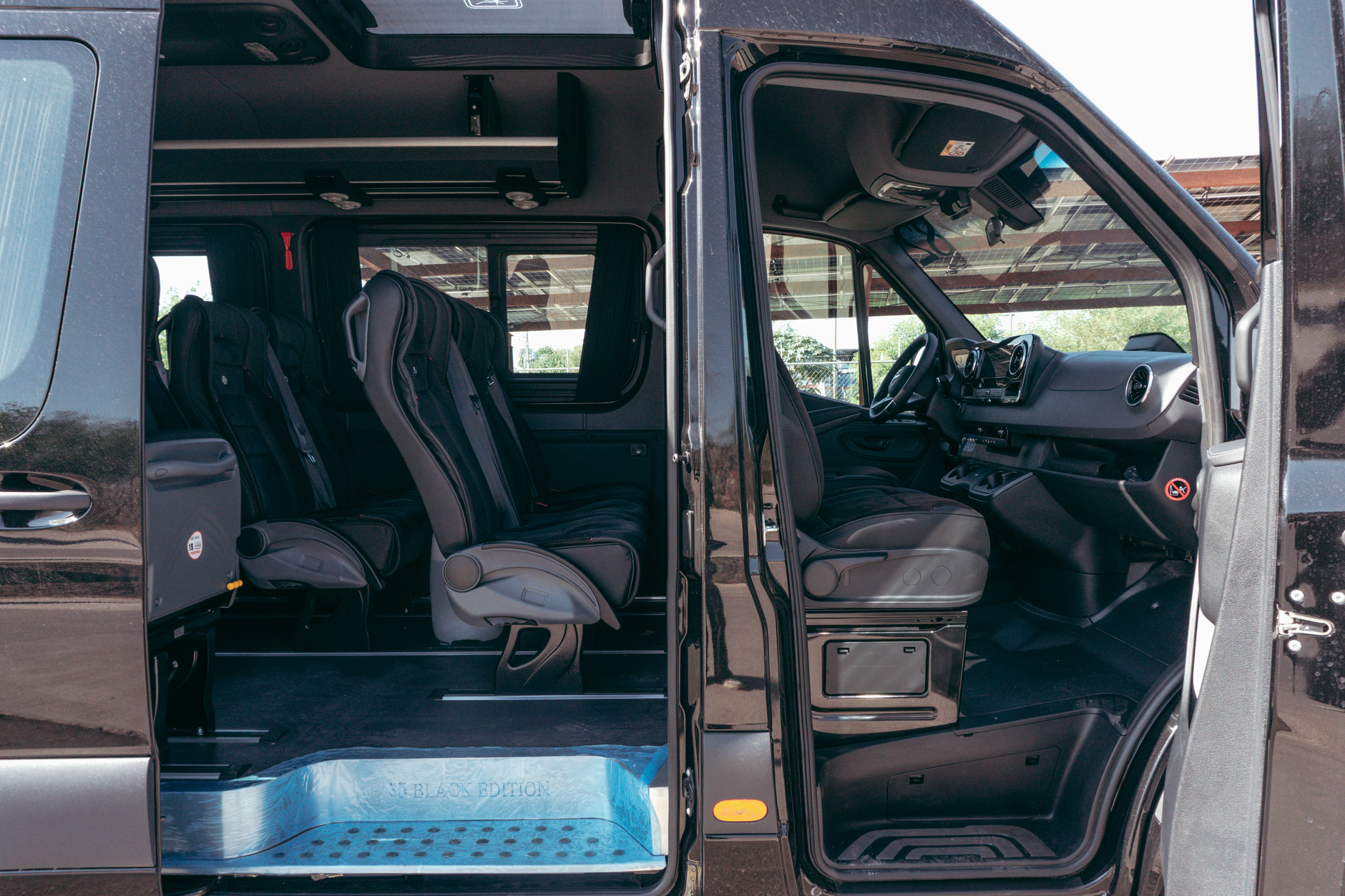
Map robot laps to published shuttle frequency, not the other way around. When the van leaves the overflow lot, the robot should pass the pickup island within a few minutes so guests see motion and light.
Program slow zones at the shuttle stop so the unit does not crowd guests loading bags. Use a distinct audio cue when the shuttle is within one lap so night staff can correlate video with radio check-ins.
If you run on-demand van calls after midnight, give the robot a hold point at the call box so it can record gate interactions when someone asks to exit without a key card.
- Publish the patrol schedule on the same page as shuttle hours.
- Log each lap timestamp next to van departure times for incident review.
- Train van drivers to report dead lighting before the robot battery swap window.
What lighting and weather issues matter on remote pavement?
LED retrofits at the main hotel do not always extend to overflow rows. A patrol robot with low-light cameras still needs working pole lights to deter casual thieves and to keep license plates readable.
Rain, snow, and ice change stopping distance on sloped lots common near highway hotels. Specify tread and IP ratings for the pavement you actually have, not the demo tile in a showroom.
Summer heat on open asphalt can shorten battery runtime. Plan midday dock charging in a shaded maintenance bay or under a canopy so evening peaks stay covered.

How do communications stay up when the lot is far from the building?
Treat cellular backup as mandatory when Wi-Fi from the main building fades at the far fence. Dual-SIM routers on the robot and at the shuttle stop keep video streams alive if one carrier drops.
Push critical alerts over SMS and the hotel radio channel your night manager already monitors. If the property uses a central security desk, feed robot alarms into that same queue instead of a separate app only one person knows.
Run a monthly failover drill: kill the primary network on purpose and confirm the robot still reaches the escalation list within your target response clock.
What privacy rules should guests see posted?
Cameras on a public lot still need clear signage at the entrance and at the shuttle stop. State that video is used for safety and that two-way audio is for assistance, not marketing.
Mask or avoid routine recording of guest room windows in adjacent buildings if your route passes residential sightlines. Rotate patrol paths slightly when a long-term group occupies a floor facing the lot.
Retention policies should match what your insurer and brand standards require, with shorter hold times for uneventful laps and longer holds only when an incident flag is raised.
How fast should human response follow a robot alert?
Tier one covers wildlife, windblown debris, or a guest waving for directions. Log it, offer audio help, and keep patrolling.
Tier two covers loitering, repeated door pulls on vehicles, or someone tailgating the shuttle gate. Night manager or a contracted guard should acknowledge within two minutes and view live video.
Tier three covers assault indicators, active break-ins, or a guest medical call. Dispatch on-site staff or police and hold the robot at a safe standoff distance with lights on.
AHLA member surveys cited in a 2026 state of the industry report still showed nearly 46% of operators reporting labor shortages in November 2025, which makes written escalation tiers essential when human patrols are thin.
Where does Service Robot Co. fit a multi-lot hotel portfolio?
Service Robot Co. acts as a vendor-neutral integrator: site survey on both the overflow lot and the main garage, selection of outdoor-rated patrol hardware, financing or robot rental monthly paths, and nationwide field service.
We align routes with your shuttle vendor, test cellular failover, and train front desk staff on when to talk through the robot speaker versus sending the van back.
A pilot on one remote row during peak season proves lap times, guest feedback, and false alarm rates before you copy the playbook to a second hotel in the same flag.
What should owners ask before signing a patrol pilot?
Ask for grade limits, night vision range on your actual pavement, and how the unit behaves in crosswinds on upper decks.
Request sample escalation logs from a hotel with a similar shuttle model, not a warehouse demo.
Confirm spare battery or loaner unit policy before a holiday weekend when both the garage and overflow fill.
Clarify who owns SIM costs and cloud storage when video is shared with police after a vehicle break-in.