Key takeaways
- A patrol robot fits best when your site has long exterior routes, repeatable after-hours patrol needs, and recurring blind spots between cameras.
- Fixed cameras and gate controls still do most of the work at entry points, scale houses, and high-value processing zones.
- For scrapyards, the winning design is usually layered security, not robot-only security.
- Evidence handling matters as much as detection. Stored video, event logs, and patrol records must be easy to retrieve after an incident.
When does an outdoor patrol robot actually make sense?
For most scrap yards and metal recyclers, an outdoor patrol robot makes sense only after the basics are already in place. You still need fixed cameras on gates, scales, processing lines, and known choke points. You still need access control, lighting, and a clean incident-response process. The robot earns its keep when the site is too spread out for static coverage alone and too repetitive to justify constant guard rounds.
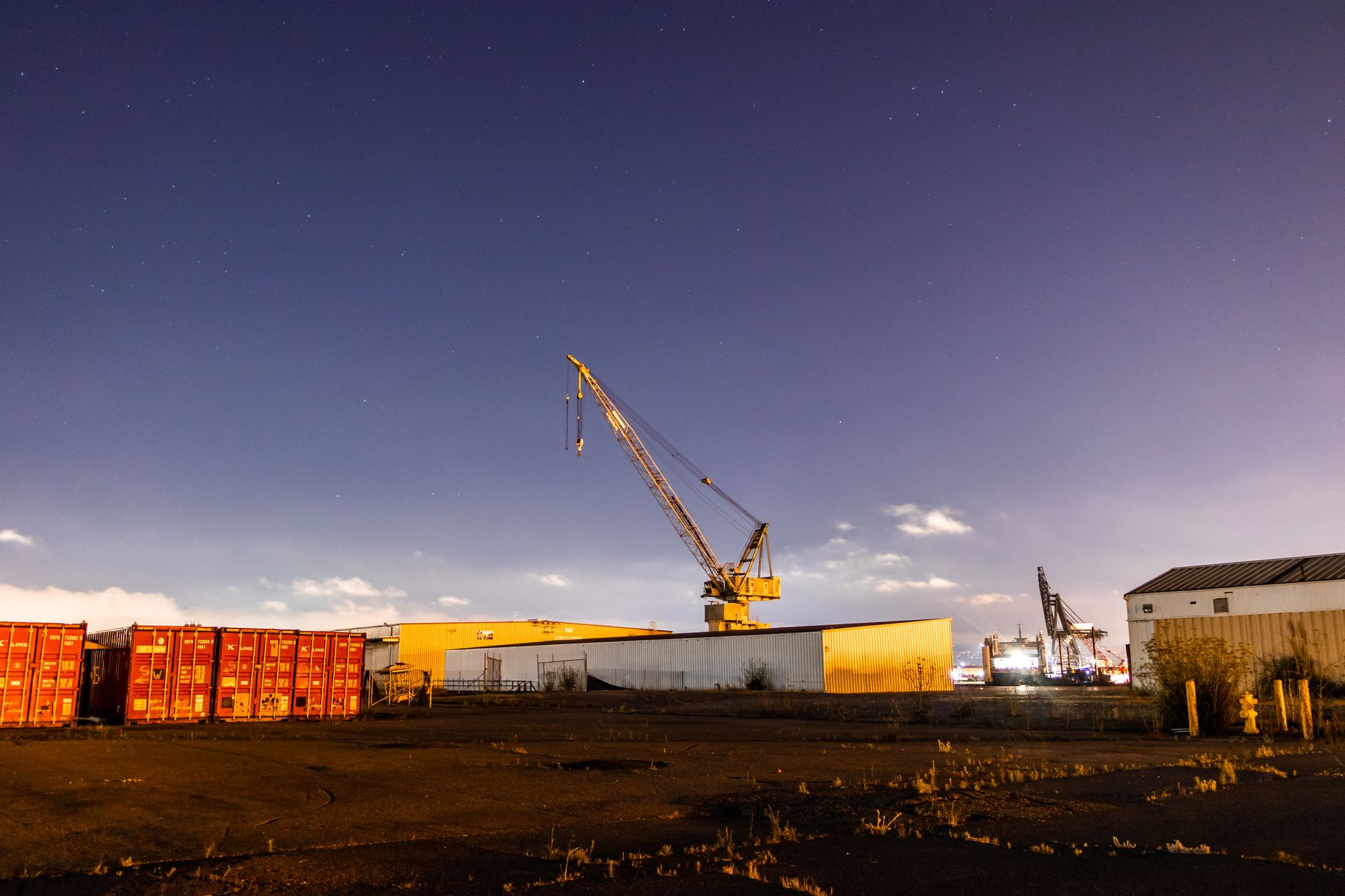
That usually means wide perimeters, dark setbacks, rows of containers, laydown areas, and long stretches between the front gate and the back fence. In this niche, theft is not abstract. The FBI says copper theft has been a growing problem since the early 2000s and treats it as a threat to critical U.S. infrastructure. ReMA, the recycled materials trade group, notes that all 50 states have passed some form of metal-theft legislation. If your pain point is after-hours patrol coverage and better documentation, a security patrol robot rental or purchase can be rational. If your pain point is simply watching one gate, it usually is not.
Why are scrap yards harder to secure than most outdoor sites?
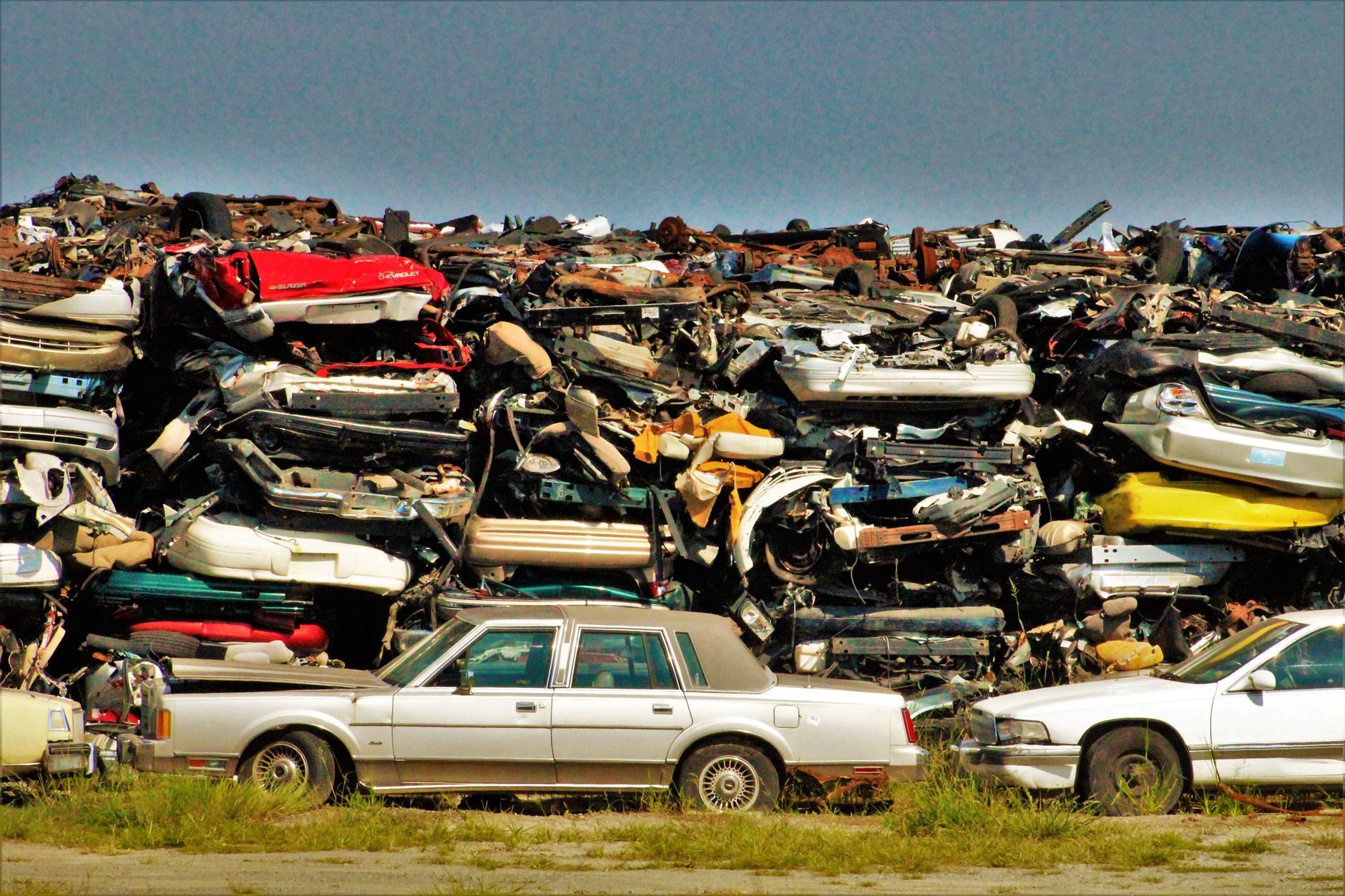
A scrapyard is visually noisy by default. Piles change shape. Equipment gets moved. Trucks throw dust. Lighting that looks acceptable from the office can turn into glare, shadow, and dead zones out in the yard. Add uneven ground, puddling, mud, cable, debris, and constant layout drift, and standard perimeter assumptions break fast.
The operating risk is broader than theft alone. OSHA flags recycling work for traffic hazards, slips, trips and falls, moving machine parts, crushing hazards, and unexpected machine startup. That matters because a security design for this sector cannot be built around pretty camera views alone. It has to respect truck paths, loader traffic, employee egress, and the fact that evidence often needs to be captured in messy, low-light, weather-exposed conditions.
What should fixed cameras and gate controls handle first?
Start with the assets that never move. Entrance and exit gates, scale houses, cashier windows, catalytic-converter intake areas, nonferrous receiving, wire processing, and outbound load checks should be covered by fixed infrastructure first. Cameras excel where the scene is stable and the question is who entered, which vehicle crossed, when a gate opened, or what changed at a known point in space.
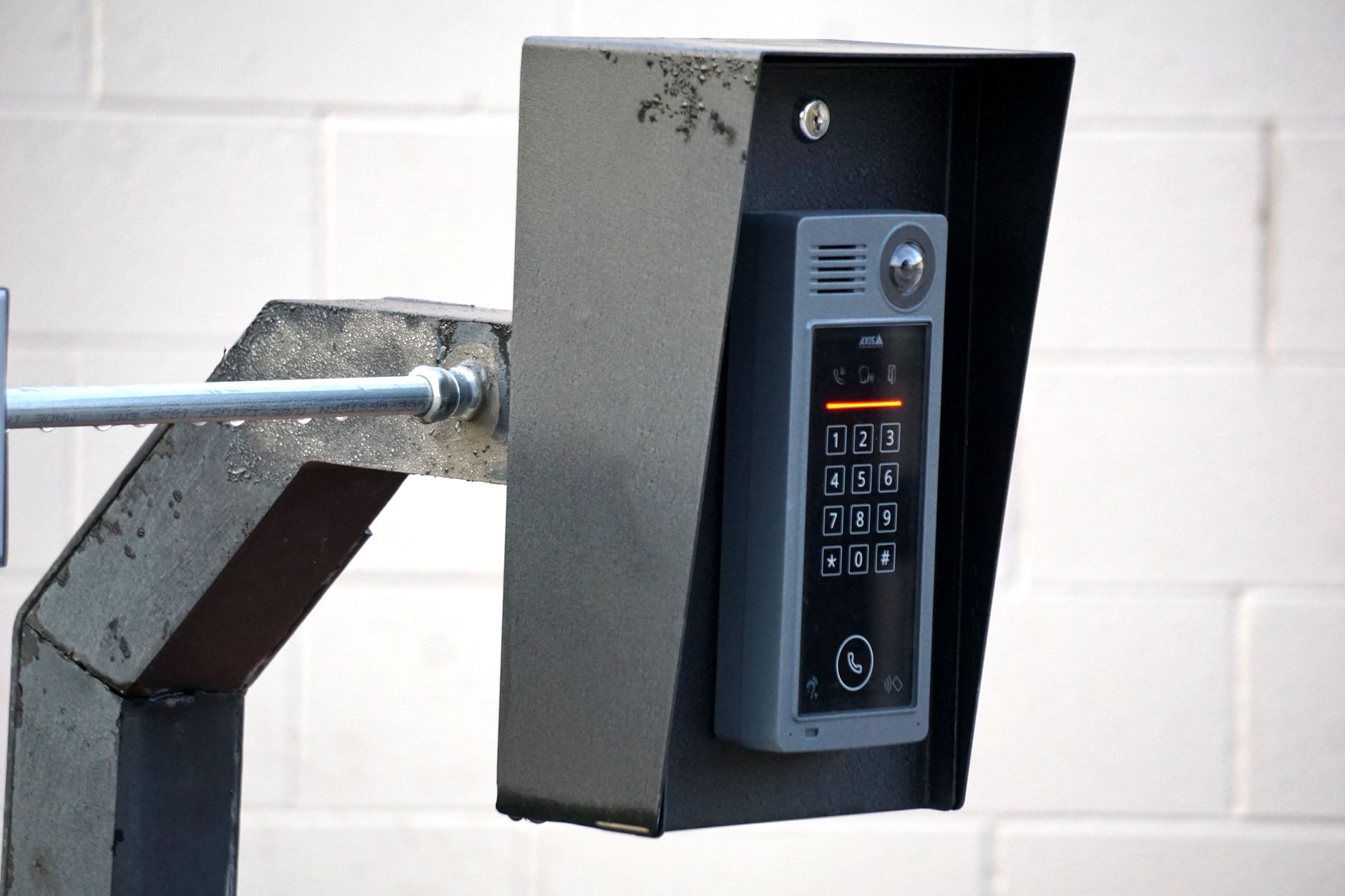
Gate controls matter more in this vertical than many operators admit. A well-documented open event at 2:14 a.m. is often more useful than vague footage of movement somewhere deep in the yard. CISA guidance for critical-infrastructure sites consistently favors layered protection, risk assessment, and barrier strategy over any single device. In practice, that means locked and logged access at the edge, recorded video at high-value nodes, and then mobile patrol coverage to stitch the gaps together.
- Use fixed cameras for gates, scale approaches, cashier areas, nonferrous sorting, and any place where the camera angle can stay stable week after week.
- Use gate controls for auditable open-close events, credentialing, and after-hours exception handling.
- Use lighting upgrades where identification quality is weak, because bad light will limit every other layer.
Where does a patrol robot beat extra guard rounds?
A patrol robot beats extra rounds when the route is repetitive, the patrol area is large, and the incident you care about is usually discovered after the fact. Human guards are still better at judgment, direct engagement, and irregular investigations. But they are not perfect at walking the same distant fence line every hour of every night, especially on sprawling sites with low activity for long stretches.
The labor math is also real. According to the U.S. Bureau of Labor Statistics, the median annual wage for security guards was 38,370 dollars in May 2024, and the occupation is projected to generate about 162,300 openings each year from 2024 through 2034, mostly from replacement demand. That does not tell you your contract rate, but it does explain why overnight coverage remains hard to staff consistently. An autonomous patrol robot is strongest when you want more patrol frequency, more consistent route logs, and faster retrieval of time-stamped footage from the exact segment where a breach, cut fence, or vehicle movement occurred.
What kind of evidence package stands up after an incident?

In this niche, the question after a theft is rarely just did something happen. It is what exactly happened, when, along which path, and what record can be handed to management, law enforcement, or insurance without a scavenger hunt across disconnected systems. The U.S. Department of Justice's Bureau of Justice Assistance stresses that video evidence must be properly secured, cataloged, stored, and handled so its integrity is maintained.
That pushes buyers toward systems that do more than send alerts. You want synchronized video, patrol route history, event timestamps, camera-health records, and a retrieval workflow that a site manager can actually use at 6 a.m. after discovering missing copper, cut locks, or tampered inventory. For scrapyards, incident documentation is not a side benefit. It is part of the buying case. A patrol robot with weak evidence handling is just a moving camera. That is not enough.
- Time-stamped patrol history tied to specific map locations.
- Recorded video that can be exported quickly without custom forensics work.
- Health logs showing the device was online, charged, and on route when the event occurred.
- Clear retention and access rules so footage is not lost or altered before review.
How do you tell if your yard is actually robot-ready?
Do not start with a brochure. Start with the patrol path. If the robot must cross washouts, deep mud, steep ramps, loose cable, or constantly shifting scrap spill zones, deployment gets harder and the business case weakens. A good buyer review maps the real night route, not the daylight version the sales team is shown during a clean visit.
Look for three practical signals. First, the route is repeatable at least 80 to 90 percent of the time, even if stockpiles change. Second, the site has enough lighting or planned lighting upgrades for reliable identification in the zones that matter. Third, your team can define what the robot is supposed to catch: perimeter breach, loitering vehicle, gate-open exception, cut fence, or after-hours movement in a restricted area. If you cannot name the event classes, you are not ready to buy anything.
- Map the exact overnight route and note grade changes, puddling, debris, and traffic conflicts.
- Define the no-go zones around loaders, torch work, and active processing equipment.
- Confirm who reviews alerts, who pulls footage, and how incidents get escalated.
- Test wireless coverage and charging location before final equipment choice.
Why buyer risk often sits in integration and service, not hardware
Scrap operators do not need another standalone device with its own login and its own support queue. They need one operating model. This is where a vendor neutral robot integrator matters more than the badge on the machine. The deployment has to fit the yard, the existing cameras, the gates, the patrol SOP, and the way management reviews incidents the morning after.
Service Robot Co. approaches this as a full-service commercial robot integrator for U.S. businesses, not a single-brand reseller. That matters for scrapyards because site conditions vary wildly. One yard may need a security patrol robot rental tied to a pilot route and monthly payment programs. Another may need lease rental or sale with integration into existing gates and camera workflows. The practical value is one partner for finance, deployment, integration, training, and field service through a nationwide U.S. engineer network.
What is the smartest way to buy without overcommitting?
For this niche, the safest path is usually a bounded pilot. Pick one route, one evidence workflow, and one success definition. That might be fewer blind spots on the back fence, faster review of after-hours incidents, or reduced need for low-value guard rounds. A robot pilot program forces the right conversation: not does the machine move, but does it reduce exposure on a specific part of the yard.
Commercial buyers increasingly prefer robot as a service, robot leasing for business, or other monthly payment programs when the use case is still being proven. That can make sense here because weather, terrain, and route stability are not theoretical issues. Service Robot Co. can structure lease purchase, rental, or sale around the site and keep maintenance included, deployment disciplined, and support reachable through one number. For scrapyards, that is the difference between a promising demo and a system that survives winter, dust, layout drift, and management turnover.