Key takeaways
- Trailer lots need patrol logic built around detached assets, not front-door foot traffic.
- The FBI said 2025 cargo theft losses reached nearly $725 million, with incidents up 18 percent, so unattended yards deserve a tighter security design.
- Good outdoor robot programs pair mobile patrols with camera views, exception-based alerts, and a human escalation path.
- Route design matters as much as hardware. Fence lines, trailer rows, choke points, and blind corners should drive the patrol plan.
- A full-service, vendor neutral robot integrator is often the cleanest path when you need financing, deployment, training, and field service under one roof.
What do security robots actually add to a trailer lot?
For storage yards and trailer lots, a security robot is most useful as a persistent outdoor patrol layer. It does not replace gates, fixed cameras, lighting, or guards. It fills the ugly gap between them by moving through the lot, checking detached trailers and containers, and surfacing exceptions while the property is quiet.
That matters because unattended freight and equipment create a different risk profile than a lobby, office park, or retail frontage. The FBI says straight cargo theft often happens at truck stops, parking lots, roadside parking, drop lots, rail yards, and other places where freight is left unattended. In a yard full of parked assets, that description is uncomfortably familiar.
The practical value is simple. A well-deployed autonomous patrol robot shortens the time between an incident starting and a human knowing about it. On a large outdoor site, that time gap is often the whole game.
Why are detached trailers and containers a special security problem?
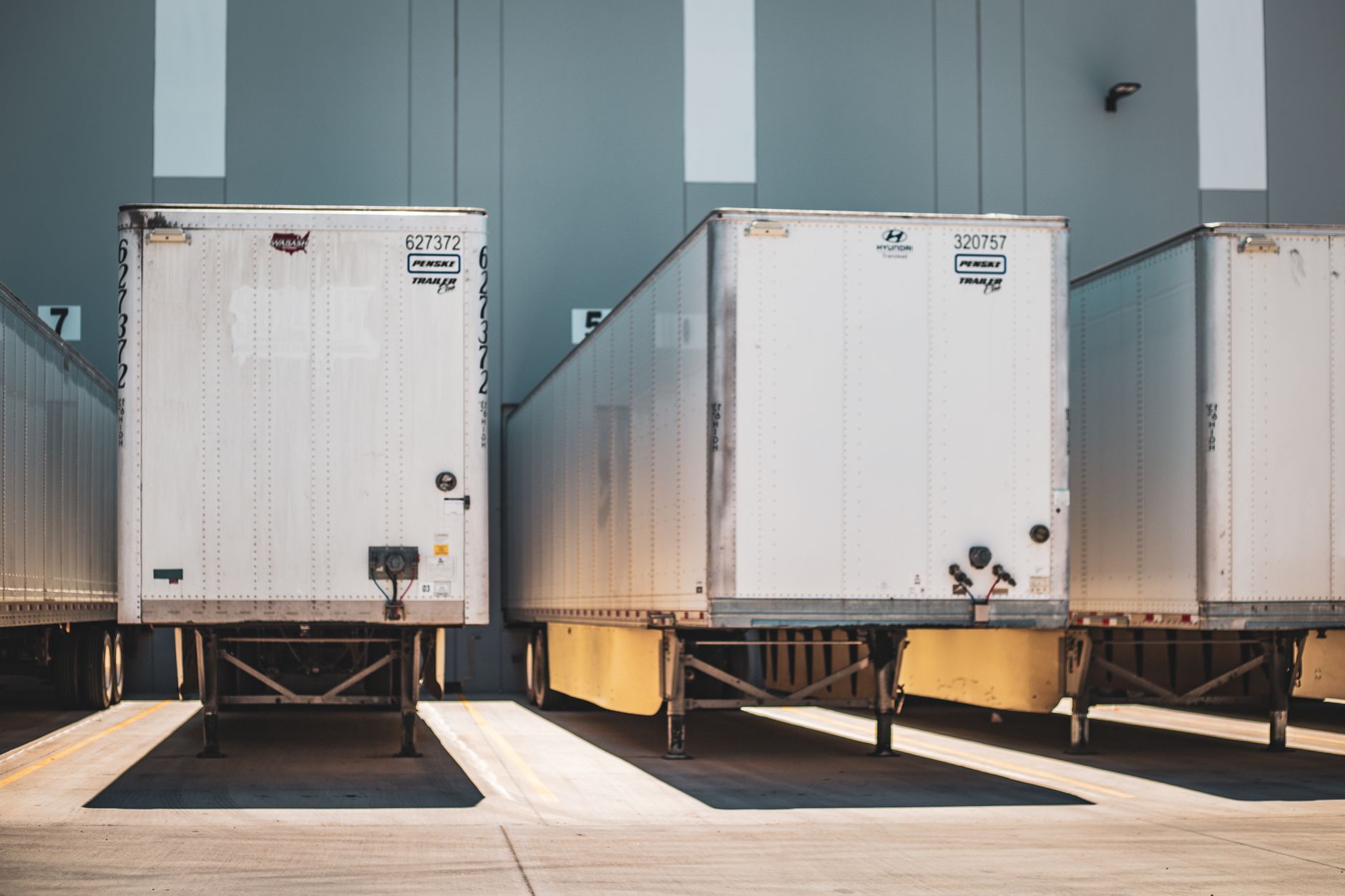
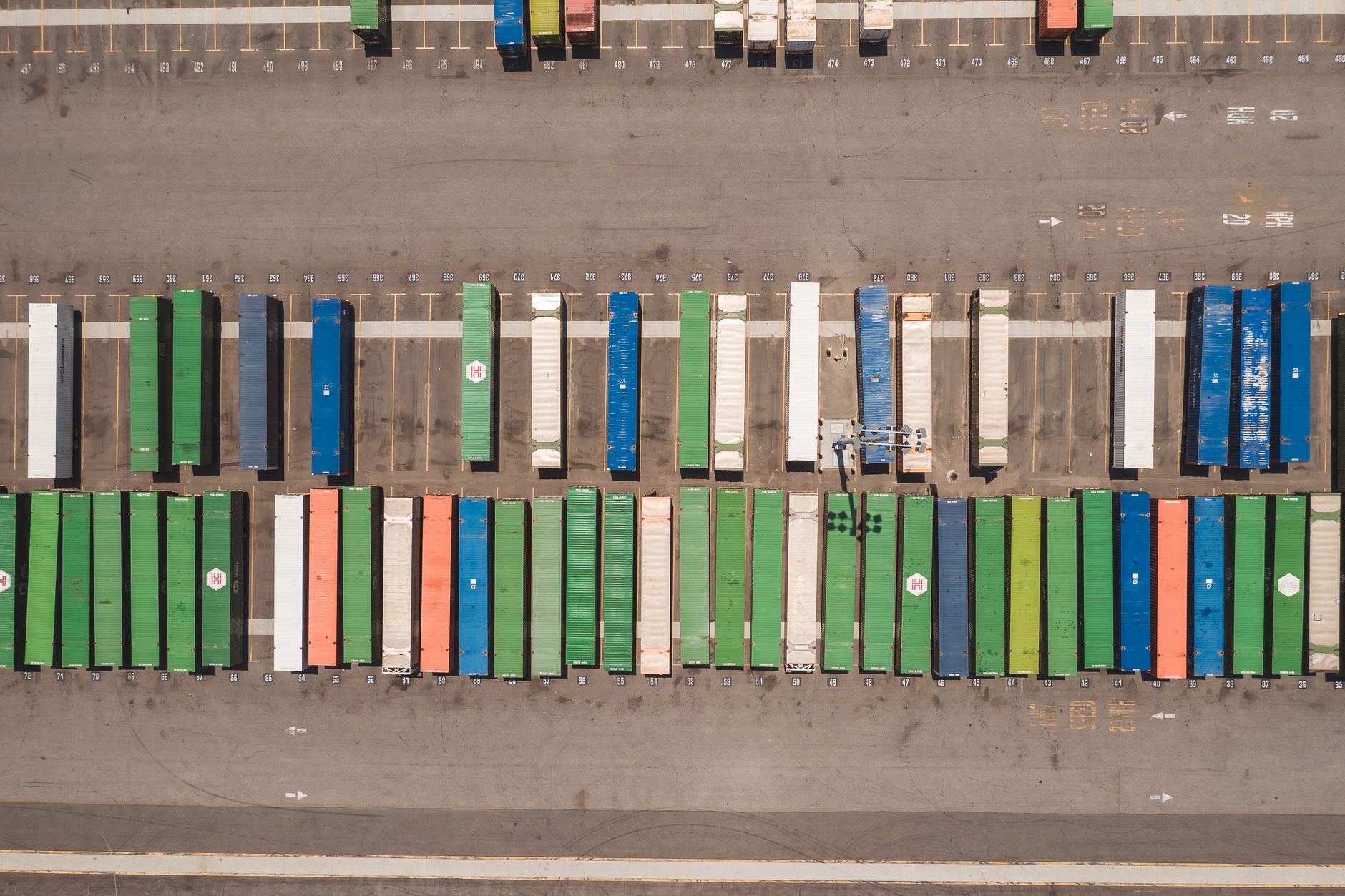
A detached trailer lot is a field of similar-looking assets with long sightlines in some places and terrible sightlines in others. You may have rows of white boxes, dark gaps between units, chain-link perimeters, stacks of containers, and equipment parked where it fit that day rather than where a camera designer would have preferred.
Current theft data shows why that layout deserves attention. In its June 8, 2026 warning, the FBI said 2025 cargo theft losses in the United States and Canada reached nearly 725 million dollars, up 60 percent from 2024, while confirmed incidents rose 18 percent. CargoNet reported 787 cargo theft incidents in the first quarter of 2025 alone, with stolen goods valued at 63.34 million dollars and an average theft value of 237,095 dollars.
The asset mix is not trivial either. CargoNet said semi-trailer thefts reached 204 units in Q1 2025, up 39 percent year over year, while semi-tractor thefts hit 135, up 38 percent. If your yard stores idle trailers, empty containers, chassis, or equipment awaiting dispatch, you are not guarding scenery. You are guarding monetizable inventory.
- Detached assets can be moved without forcing entry into a building.
- Rows of trailers create repeated blind spots and shadow pockets.
- Many incidents begin after normal operating hours, when discovery is slow.
- Empty-looking trailers still carry value because the trailer itself is a target.
- Containers, utility equipment, and towable assets are easy to blend into legitimate traffic if your site controls are weak.
Which sensors matter outdoors, and which ones matter less?

Outdoor patrols live or die on perception. In a storage yard, the job is not to admire the scenery. It is to detect a person where nobody should be, a vehicle where it should not be, a trailer that moved, a gate left open, or activity building in a dead zone between fixed cameras.
That pushes the priority stack toward dependable navigation and nighttime detection. LiDAR is valuable because it keeps working in bright sun and after dark. Thermal imaging earns its place on lots with weak lighting, tall fencing, vegetation, or long perimeter runs. Standard visible-light cameras still matter because operators need recognizable video for verification, plate capture, and incident review.
What matters less is a flashy indoor-style demo feature that does not survive dust, glare, puddles, gravel, or patchy pavement. Trailer lots punish weak perception. They also punish weak housings, loose calibration, and anything that hates weather.
How should patrol routes be designed for a yard instead of a public-facing property?
This is where many deployments go sideways. A yard patrol should not wander evenly just because the map looks balanced. It should spend disproportionate time on the places where loss starts or where discovery is slow. That usually means fence lines, gate approaches, trailer row ends, container stacks, cross-aisles, and the back corners nobody sees from the office.
CargoNet found that Fridays accounted for 21 percent of all Q1 2025 cargo theft incidents. Its explanation is operationally important for lot owners: stolen trailers can sit unnoticed until Monday morning. That means patrol logic should change with the calendar. Weekend coverage, end-of-day sweeps, and overnight dwell checks deserve more attention than a generic seven-day loop.
Lot geometry matters too. OSHA's open-yard storage rule says driveways between and around combustible storage piles must be at least 15 feet wide, with a maximum grid unit of 50 feet by 150 feet, and portable extinguishers must be reachable within 100 feet. Those are fire and access rules, not robot rules, but they are useful for patrol planning because they point to travel lanes, pinch points, and places where a machine must never obstruct emergency access.
- Build primary routes around perimeter breaches, gate activity, and trailer-row crossovers.
- Add short, frequent passes through back corners instead of one long lap every hour.
- Schedule extra patrol density before weekends, holidays, and shift changeovers.
- Create exception routes for doors left ajar, assets moved out of place, or geofenced hot zones.
- Keep charging and staging positions out of fire lanes and away from traffic bottlenecks.
What should the escalation chain look like when the robot finds something?
The right answer is rarely full autonomy. Trailer lots need human judgment at the decision points. A robot can detect, verify, announce, and document. People should decide when to call the yard manager, dispatch a guard, lock down a gate, or call law enforcement.
A strong escalation chain has three tiers. First, the robot creates an event with video, location, and asset context. Second, a remote operator or trained site contact verifies whether the event is a trespasser, an authorized driver, a windblown strap, or a false alarm. Third, the incident moves into a playbook with exact instructions for after-hours staff, security vendors, and police reporting.
Speed matters because recovery odds decay fast on movable assets. NICB said about 63 percent of recreational vehicles stolen in 2025 remained unrecovered, and more than half of recoveries happened within two weeks of being reported stolen. Detached trailers and equipment are not identical to recreational vehicles, but the operational lesson carries over cleanly: detect quickly, verify quickly, report quickly.
What else should the robot be asked to check besides trespass?
The best outdoor asset-protection programs do more than look for intruders. They use the patrol to confirm yard discipline. That can include spotting open gates, checking that trailer rows remain where they should, documenting blocked fire lanes, verifying lighting outages, and flagging assets parked outside their assigned zones.
This is where robotic surveillance becomes more useful than a static camera wall. Static cameras are good at recording fixed views. A mobile patrol can revisit exceptions, take a second angle, and build a repeatable audit trail. For operators managing hundreds of parked assets, that audit trail is often as valuable as the deterrent effect.
There is also a broader theft backdrop to respect. NICB reported 659,880 vehicles stolen nationwide in 2025, even after a 23 percent year-over-year decline, and said one vehicle was still stolen every 48 seconds. Yard security should be designed with the assumption that organized crews remain active, opportunistic, and fast.
When does an integrator matter more than the robot itself?
Usually earlier than buyers expect. Outdoor security patrols look simple in a brochure and become very site-specific the minute you step onto a real lot. Pavement quality, drainage, cellular dead zones, camera retention rules, guard workflows, and who owns after-hours response all shape the result.
That is why many operators prefer a security patrol robot rental or robot as a service structure instead of buying hardware and assembling the rest themselves. Service Robot Co. works as a full-service commercial robot integrator for US businesses. We stay OEM-neutral, pick the right machine across manufacturers, and handle robot deployment and integration, site assessment mapping, training, and service through a nationwide US engineer network.
For a storage yard, that full-lifecycle model is not just convenient. It reduces operational seams. One partner can tie together the autonomous patrol robot, the escalation workflow, the charging plan, the maintenance included service plan, and the commercial robot repair service when something fails in the field.
How should operators evaluate a program before rollout?
Start with outcomes, not hardware. Ask how many acres, rows, gates, and detached assets must be covered, what an event should look like on screen, how fast verification must happen, and which incidents justify waking someone up at 2:00 a.m. If those answers are muddy, the patrol plan will be muddy too.
Then test the ugly conditions. Run a pilot in glare, after rain, at shift turnover, on weekends, and around the back row where lighting is worst. Make the robot prove it can handle the lot you actually own, not the neat version on a diagram. That is the difference between a useful yard patrol and an expensive roaming camera.
If the economics fit better as commercial robot rental, robot rental monthly, or a RaaS monthly subscription with no upfront capital, structure it that way. The right financial wrapper is the one that lets you keep the patrol alive, serviced, and accountable. In practice, yard operators usually care less about owning a machine than about having one partner, one number, remote triage, on-site dispatch, and a patrol that keeps showing up every night.