Key takeaways
- Overnight dumping and smoldering waste piles are the incidents transfer stations fear most, and mobile patrol fills gaps fixed cameras miss on long perimeters.
- Dust, leachate mud, and steep ramps punish the wrong drivetrain; validate traction and ingress protection on your actual tipping floor, not a demo hall.
- Thermal cameras help spot hotspot trends early, but they do not replace heat detectors, sprinkler maintenance, or the fire department pre-plan.
- Write escalation rules so every robot alert routes to a human guard or on-call supervisor with camera replay, not an endless auto notification loop.
- Month to month security patrol robot rental with integrator mapping lets you trial one gate and one tipping hall before you cover the whole yard.
What problems should patrol robots solve after the gate closes?
Waste transfer stations mix heavy trucks, public drop-off traffic, and combustible material in one compact site. After hours the risks shift to illegal dumping at the fence line, tailgate activity in the equipment yard, and slow heating in waste that was left inside the building.
A security patrol robot is not a replacement for your fire prevention plan or your contracted guard service. It is a mobile sensor platform that repeats routes you define, streaming video and optional thermal frames to a control room or phone.
According to a municipal risk pool bulletin on transfer station fires, many significant fires start overnight and involve waste material stored inside the structure when the site closed. The same bulletin notes that removing unprocessed material before close greatly reduces fire potential, yet post-incident reviews often find that practice was not followed consistently.
Patrol rounds that document empty floors and closed bay doors create a timestamped record that complements your end-of-shift checklist. They also give your safety committee video evidence when a hauler claims the bay was already clear.
Which site conditions break the wrong robot first?
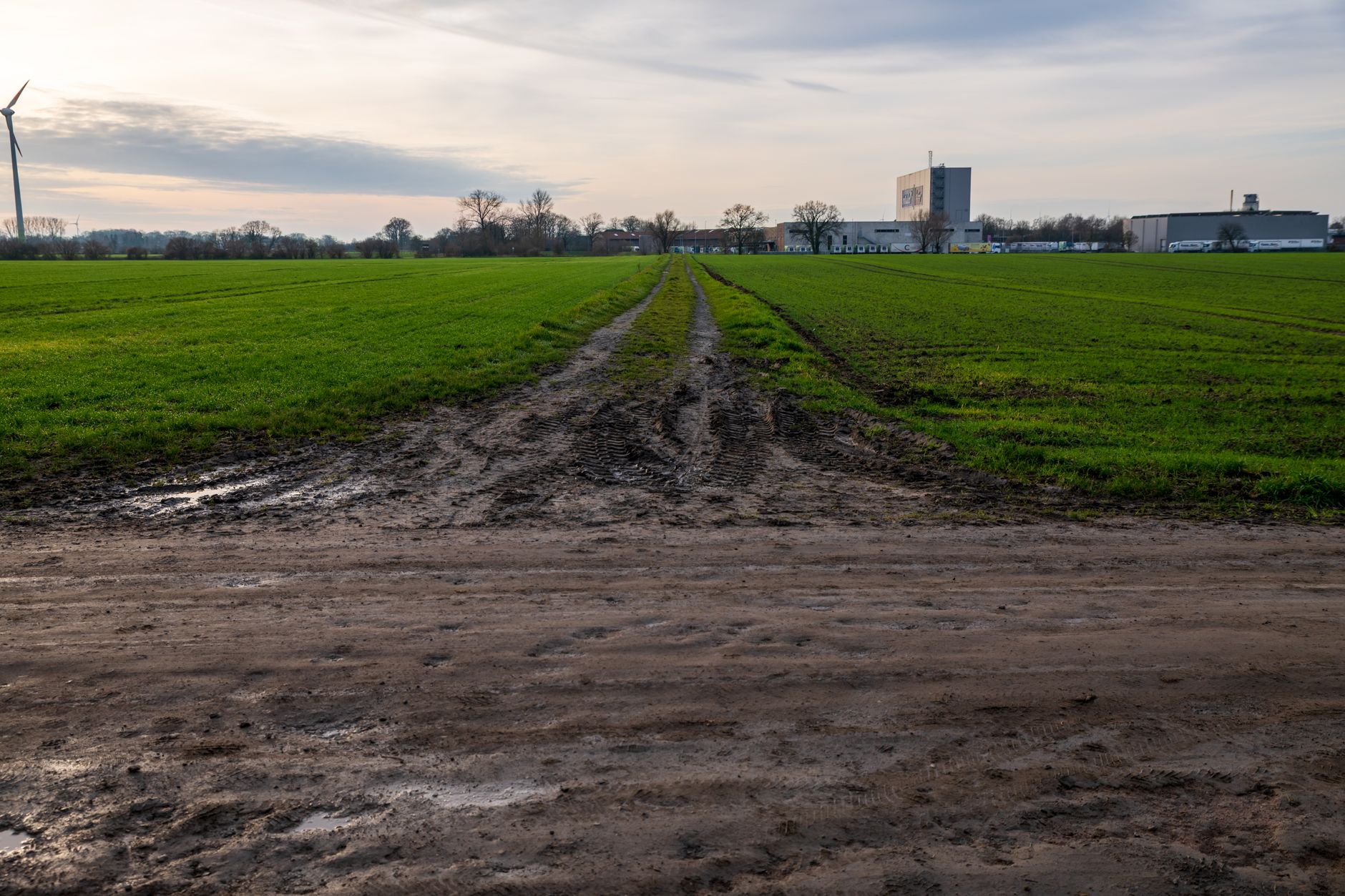
Tipping floors accumulate fine dust, broken glass, and hydraulic fluid. Outdoor lanes turn to slick mud after rain. Approach ramps to the scale house can exceed what a polished office robot tolerates.
Specify wheel compound, ground clearance, and sealed electronics for outdoor segments. Run a pilot route during the worst mud week, not the dry season. If the unit cannot climb your scale apron without spin, no amount of software tuning fixes that hardware mismatch.
Dust loads also clog passive cooling intakes and scratch dome cameras. Plan compressed-air blowdown at the charging dock and quick-change lens covers in the spare parts kit your integrator stocks.
How should thermal sensing fit with existing fire strategy?
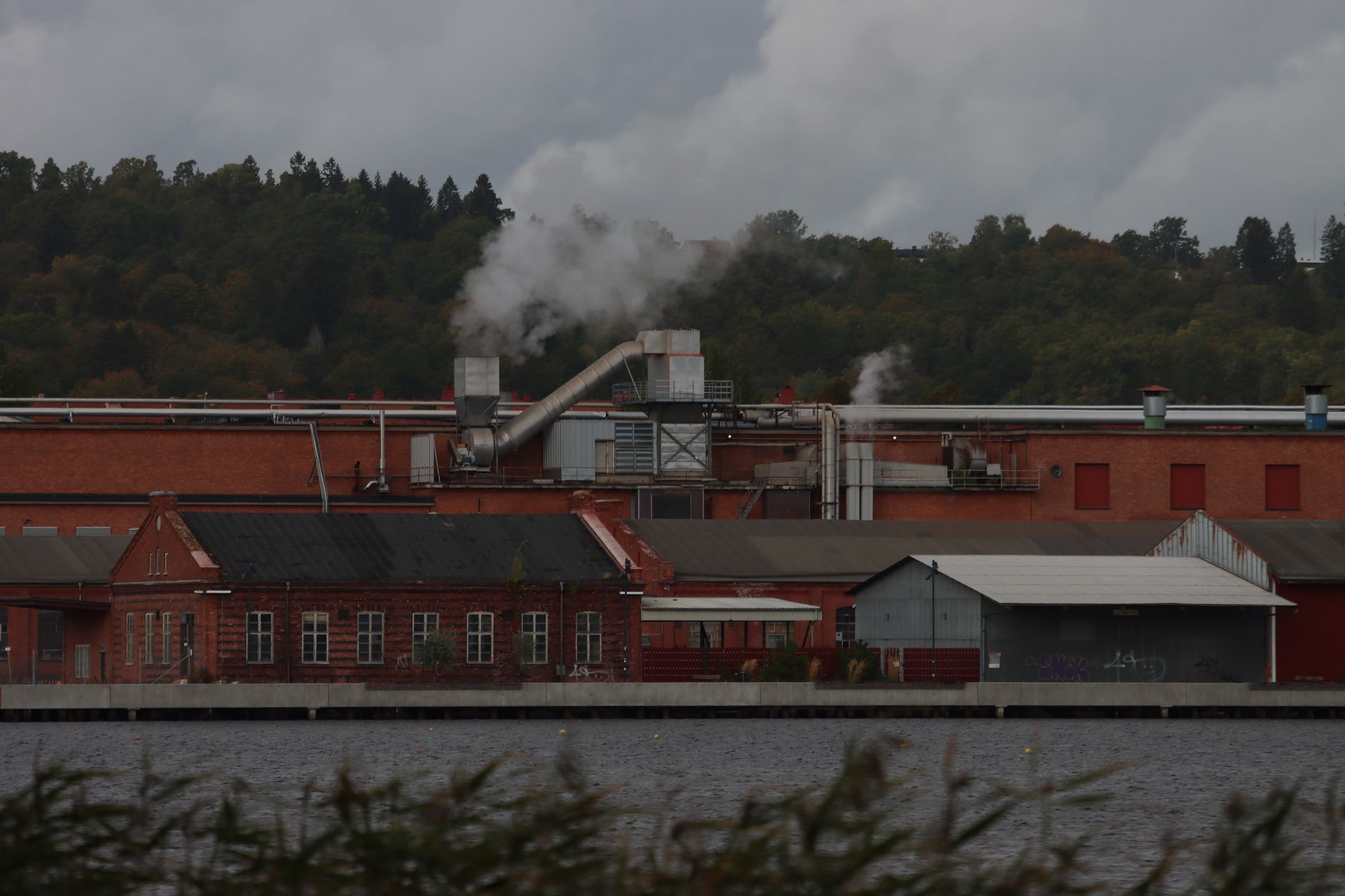
Fixed heat detectors and sprinkler systems remain the backbone of fire prevention at combustible waste sites. Guidance for waste facilities stresses early detection of heating piles, adequate water for firefighting, and plans that coordinate with the local fire department.
A patrol robot with thermal imaging can flag unusual warmth along a bunker wall or in a trailer line before smoke is visible on a standard camera. Treat those alerts as investigative, not automatic dispatch to the fire department.
Log thermal baselines by season. Asphalt and metal walls heat differently in summer afternoons, and a naive threshold will cry wolf. Your integrator should help tune regions of interest on the tipping floor and exclude sunny pavement strips that are hot every day.
Where do communications dead zones appear?
Metal siding, compactors, and below-grade pits block Wi-Fi and LTE. Map signal strength on foot before you commit to autonomous patrol. Sometimes a mesh radio on the maintenance shop roof beats repeating the plant Wi-Fi into the yard.
Store short video clips on the robot when the link drops, then upload at the charging dock. Escalation rules should assume minutes of delay, not live streaming every second of the route.
If your county requires recorded video retention for incident review, confirm how long edge storage lasts and how exports land in your VMS. A patrol robot should feed your existing security architecture, not create a second silo.
What belongs in perimeter versus yard routes?

Split routes by job. Perimeter loops watch fence lines, gate tampering, and after-hours drop-offs along the public road frontage. Yard loops cover compactor pads, fuel islands, and parked roll-offs.
Keep robots out of active truck paths during operating hours unless you have strict geofencing and strobe policies. Most sites run autonomous patrol only when the floor is closed to the public and haulers.
Document blind corners where a robot cannot see into a bunker. Pair those spots with a fixed camera or a manual guard walk on the same nights the robot runs.
How do you decontaminate and maintain a harsh-site robot?
Bioaerosols and unknown liquids splash during tipping. Define a wash-down procedure compatible with the vendor ingress rating. High-pressure sprays aimed at bearing seals will shorten life even on rugged units.
Schedule weekly checks of tires, bumpers, and lidar windows. Transfer stations chew consumables faster than office deployments. A maintenance-included rental contract with nationwide dispatch matters when you cannot wait two weeks for a specialty part.
Train scale house staff to power down and bag the unit if a load of unknown chemicals spills across the route. Contamination response should be in the same binder as your spill kit instructions.
When should a human guard take over from the robot?
Write playbooks before go-live. Any person detected after hours, any fence breach, or any sustained thermal spike gets a human verification step. The robot holds position or continues mapping based on your policy, but it does not make arrests or confront trespassers.
Integrate two-way audio only if your legal team approves scripted announcements. Many operators prefer silent observation plus guard dispatch to avoid escalating a situation with a loudspeaker.
If the fire department responds, pull robots off the floor and open gates remotely per the pre-fire plan. Autonomous units should never block engine access lanes.
Track false alarm rate weekly for the first quarter. Tune motion zones when cats, coyotes, or wind-blown plastic trigger the same alert path as a person at the fence.
What should a transfer station RFP ask patrol vendors?
Request proof of outdoor slope climbing on surfaces soaked with leachate, not carpeted demo ramps. Ask for IP ratings on drive units and how quickly a wheel module can be swapped in the field.
Require integration exports to your VMS or guard force automation platform. Proprietary apps that lock video inside one vendor cloud complicate public records requests and insurance reviews.
Define uptime and loaner terms. If the only unit is down for a cracked lidar dome, your overnight coverage gap is total unless a spare arrives within hours.
- Max slope and surface type tested
- Thermal camera resolution and calibration interval
- Edge storage minutes when offline
- Mean time to on-site repair
- Insurance and liability certificate requirements
How do you measure success in the first ninety days?
Count verified incidents where the robot arrived before a fixed camera would have seen the same fence line. Compare guard drive time saved on wide sites where the yard is a quarter mile end to end.
Review end-of-shift photo pairs that prove the tipping floor was clear when the last truck exited. That audit trail supports insurance interviews after a smoldering load event.
If illegal dumping drops at the front gate, correlate robot presence with police reports. Not every win shows up as a caught trespasser; sometimes the deterrence is the point.
How can Service Robot Co. help you pilot patrol on one bay?
Service Robot Co. is a vendor-neutral integrator. We compare outdoor-rated patrol platforms against your slopes, dust load, and network map, then finance, deploy, and service the winner through a nationwide engineer network.
Security patrol robot rental on a month to month term lets you cover one tipping hall and one fence segment through a full weather cycle before you expand. We run the free site assessment at night when your real dead zones show up.
Bring your fire prevention plan and your guard vendor contract to the kickoff. The robot program should attach to those documents, not fight them.