
Key takeaways
- Remote reservoirs and pump stations are strong candidates for autonomous patrol because staff visits are intermittent and alarms often lack context.
- Thermal, visible video, and site telemetry together are far more useful than any single sensor by itself.
- Communications design and cyber segregation decide if a patrol robot helps the control room or becomes another nuisance device.
- A serious pilot measures detection, false alarms, escalation speed, and recovery after outages, not just how many patrol miles the robot logs.
Do patrol robots make sense for remote water assets?
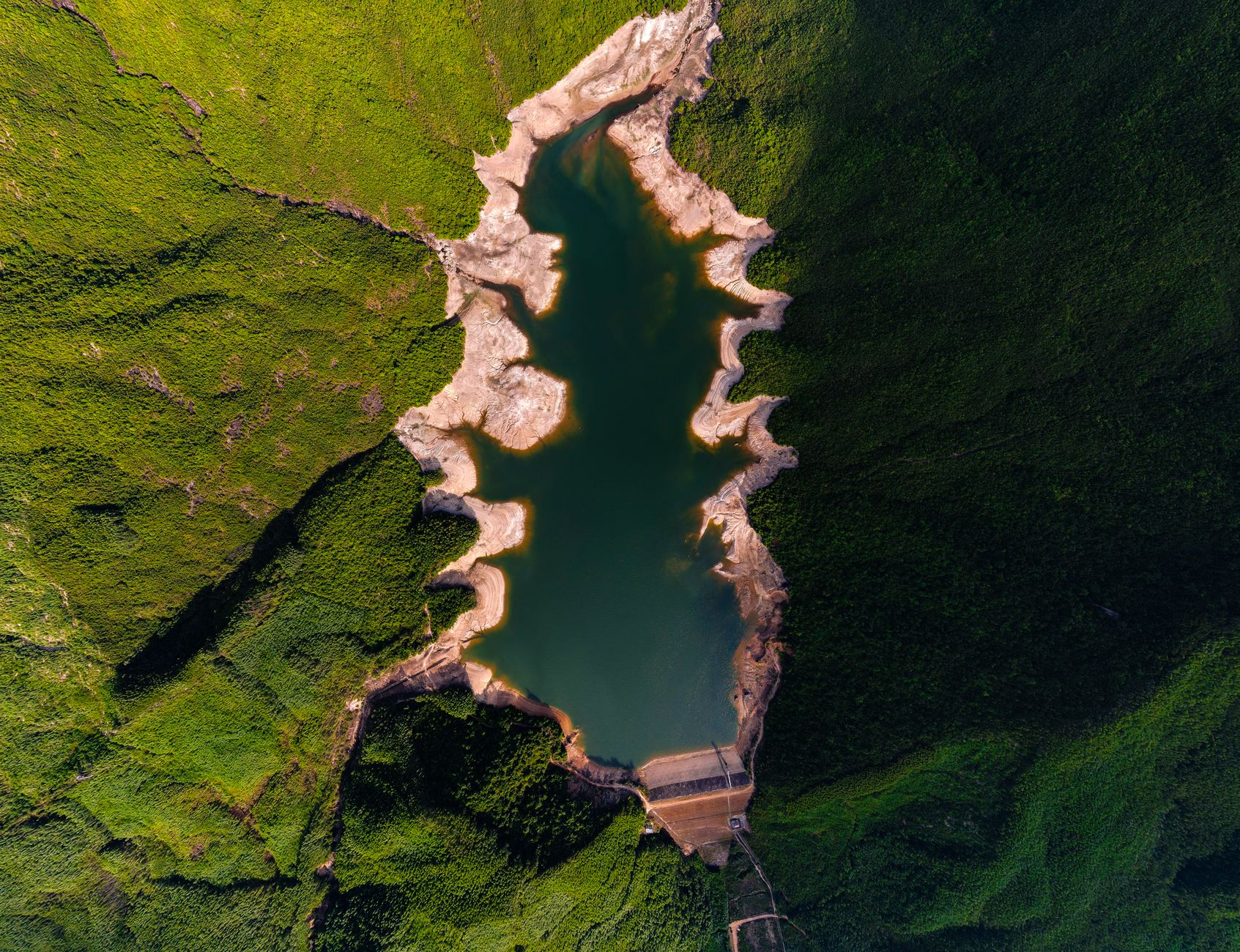
Yes, in the right role. Remote reservoirs, booster stations, well sites, and small pump houses are prime territory for autonomous patrol because they sit quiet for long stretches, yet a cut fence, open hatch, overheating panel, or unauthorized truck can turn into a service interruption fast.
The useful job is not replacing operators. It is shrinking the gap between an event starting and the control room seeing enough evidence to act. A good autonomous patrol robot adds routine patrols, thermal and visible inspection, and alarm verification at sites that are too dispersed for frequent human rounds.
That matters most when the robot is wired into the utility's existing response stack. If alerts land in the same control room, camera review queue, or after-hours dispatch workflow the team already uses, the machine becomes another sentry rather than another screen.
Why these sites get missed
According to EPA, the United States has over 148,000 public water systems, and the regulated public systems serve 90 percent of Americans. Even modest utilities can end up with a sprawl of tanks, lift stations, fenced reservoirs, wells, and booster sites that nobody occupies full time.
These assets also live under budget pressure. EPA's latest drinking water needs survey puts 20-year capital needs at $472.6 billion, including $47.6 billion for storage and $21.8 billion for source infrastructure. When money is tight, water infrastructure security has to piggyback on existing controls, crews, and communications instead of growing a separate empire.
The threat picture is not hypothetical. EPA's May 2024 cybersecurity enforcement alert, still current in 2026, says over 70 percent of systems inspected since September 2023 were out of compliance with basic Section 1433 requirements. It also says EPA has taken over 100 enforcement actions since 2020.
On April 7, 2026, EPA, FBI, CISA, and NSA warned water systems about an urgent and ongoing Iranian-affiliated threat. The agencies said affected organizations had seen configuration wiping, mechanical sensor tampering, and human machine interface disruption. A patrol robot will not fix cyber hygiene, but it can give the physical site a pair of eyes when the cyber and physical worlds start colliding.
What the patrol route should cover
The best routes are dull, repetitive, and operationally important. Fence lines, gates, hatch approaches, tank pads, generator enclosures, chemical delivery access points, pump-house doors, and the road segment where unauthorized vehicles usually stop are better patrol targets than scenic mileage.
Terrain decides the platform. Hard-packed gravel, paved service roads, concrete aprons, and broad berm tops are favorable. Riprap, washouts, steep embankments, ladder access, and narrow interior stairs usually call for fixed sensors, handheld inspection, or a second robot type instead of forcing one machine to fake all-terrain ability.
- Perimeter breach points near gates and corners
- Doors, hatches, vents, and ladder bases
- Electrical cabinets, generators, and fuel areas
- Low-traffic zones where standing water or erosion first shows up
Why thermal is worth carrying
USGS uses thermal infrared cameras to quickly locate temperature anomalies across water features and adjacent terrain, from centimeter scale to kilometer scale. That does not make a patrol robot a leak detector by itself, but it does explain why thermal is so valuable around reservoirs, embankments, buried lines, and exposed equipment.
In practice, thermal adds three things visible cameras miss after dark. It helps flag human presence near a fence line, highlights abnormal heat around cabinets or motor housings, and makes wet soil or seep patterns stand out when temperature contrast is favorable. It is a quiet multiplier, especially at sites with sparse lighting.
Thermal still needs context. Wind, sun loading, rain, and reflective surfaces can fool a camera. The right operating model is confirm, compare, and escalate: pair the thermal image with visible video, trend data, and a human decision about dispatch or lockout.
Communications decide if the robot is useful
EPA's communications guidance was written for remote monitoring stations rather than patrol robots, but the lesson carries over cleanly. It describes routine water-quality deployments that transmit values and alerts every 2 to 5 minutes, and a common setup of 10 to 20 stations polling five parameters every five minutes. The point is discipline. Send the control room the event, not a firehose.
Remote water assets almost never sit in perfect radio territory. EPA notes that coverage varies by location and technology, and that multiple communications methods may be needed across a large utility. A serious site survey checks carrier strength at docks and dead zones, failover behavior during a power event, and how much video can move before the link chokes.
Cyber architecture belongs in the same conversation. NIST released final guidance on secure remote access for water and wastewater systems on June 24, 2026, showing practical architectures for OT environments. For robots, that means no public-facing shortcuts, multifactor authentication, least-privilege accounts, segmented access, and a clean boundary between patrol data and process control.
Escalation has to be boring
A robot only earns trust when its alerts resolve the same way every time. EPA water-security guidance describes event-based video tied to intrusion alarms, with clips sent to the utility control center and to security workstations rather than relying on someone to watch a continuous wall of cameras. That is the right pattern for patrol robots too.
Most utilities do better with a three-step ladder:
- Verify. The robot or fixed sensor raises an event, then a clip, thermal still, and map location land with the operator.
- Classify. The control room tags the event as trespass, maintenance issue, animal, weather, or equipment anomaly.
- Escalate. Dispatch security, operations, maintenance, or local law enforcement according to the site's standing playbook.
The robot is the sentry, not the operator
Water infrastructure security is full of edge cases. A robot can notice a ladder at the wrong angle, a door left ajar, a hot enclosure, or a pickup parked at the wrong gate. It cannot decide, on its own, if a chlorine feed upset came from sabotage, maintenance error, or a storm.
That is why the strongest deployments focus on time to awareness. The machine patrols the silent hours and the awkward corners. Operators, electricians, instrument techs, and supervisors still own diagnosis, water quality judgment, and recovery.
One vendor for the whole program
Utilities often go wrong by buying a unit when they really need an operating model. Reservoir sites, booster stations, and remote wells rarely want identical hardware, payloads, docks, or communications. That is where a vendor neutral robot integrator matters more than a glossy brochure.
Service Robot Co. is built for that layer. We are a full-service commercial robot integrator for U.S. businesses, OEM-neutral by design. We pick the right robots across manufacturers, then finance, deploy, integrate, train, and service every unit through a nationwide U.S. engineer network, so the utility deals with one vendor for the whole lifecycle.
That also gives water operators room to stage the rollout sensibly. Some start with a security patrol robot lease or inspection robot leasing at a single reservoir. Others prefer leasing, robot leasing for business, or monthly payment programs when they want no upfront capital. The important part is that deployment, RoboCare™ service, remote triage, and on-site dispatch are planned from day one.
Pilot the control room, not just the robot
A good pilot does not ask, Did the robot drive around. It asks, Did the site get easier to secure. Run the first test at one reservoir and one pump station with distinct terrain and communications conditions, then judge the program on operational evidence.
- Measured detection coverage on the specific gates, doors, hatches, and fence segments the utility actually worries about
- False alarms by cause, so wind, wildlife, glare, and routine staff visits get designed out early
- Time from alert to operator review, then from operator review to field dispatch or closure
- Recovery behavior after lost communications, low battery, and power interruption at the dock
- How cleanly alerts, clips, and status flowed into the existing control room and after-hours response process
Frequently asked questions
Sources
- EPA Public Water Systems
- EPA Drinking Water Infrastructure Needs Survey
- EPA Cybersecurity Enforcement Alert for Drinking Water Systems
- EPA Joint Advisory on Iranian-Affiliated Cyber Attacks
- EPA Communications Systems Guidance for Water Monitoring
- EPA Operational Strategy Guidance for Contamination Warning Systems
- NIST Secure Remote Access Guidance for Water Systems
- USGS Thermal Imaging for Water Anomalies