
Key takeaways
- Patrol robots fit produce markets only when routes yield to forklifts, pallet movement, sanitation work, and live trading.
- Dynamic route controls are essential because wet patches, temporary pallets, open trailers, and vendor activity change by the minute.
- Vendor boundaries must be encoded as operational permissions, not treated as painted lines that never move.
- The robot should document and escalate suspicious conditions, while trained people retain authority over confrontation and emergencies.
- A credible pilot tests the hardest predawn period on the real floor, with real traffic and measurable response procedures.
Where should patrol robots work in a market that never settles?
Security robots can patrol wholesale produce markets effectively, but only as mobile sensing and documentation tools inside a traffic-aware security plan. The best assignments are repetitive perimeter rounds, unattended loading-area checks, door and gate verification, trailer-lane observation, and aisle sweeps during overnight staging and predawn trading.
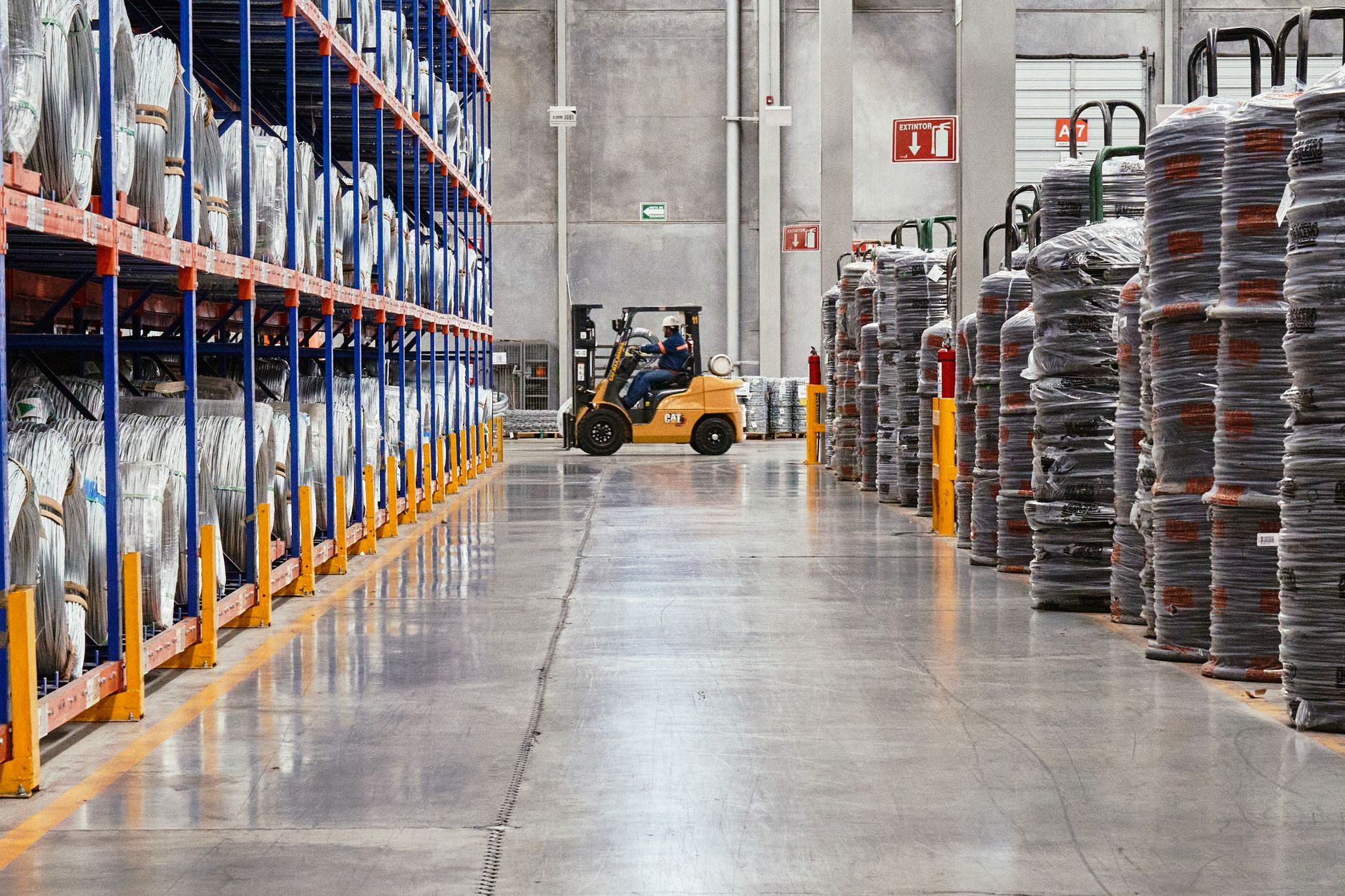
An autonomous patrol robot should never behave like another vehicle competing for right of way. Its routes must defer to forklifts, pallet jacks, sanitation crews, buyers, vendors, and trucks. When congestion or a floor hazard appears, the correct response is usually to slow, pause, reroute, or summon a person.
The operating model matters more than the novelty of the machine. A useful deployment combines mapped patrol zones, live temporary exclusions, approved observation points, event recording, and a clear escalation ladder. The robot gathers evidence and extends coverage. Human staff decide what an incident means and what happens next.
Why is the predawn shift unusually difficult?
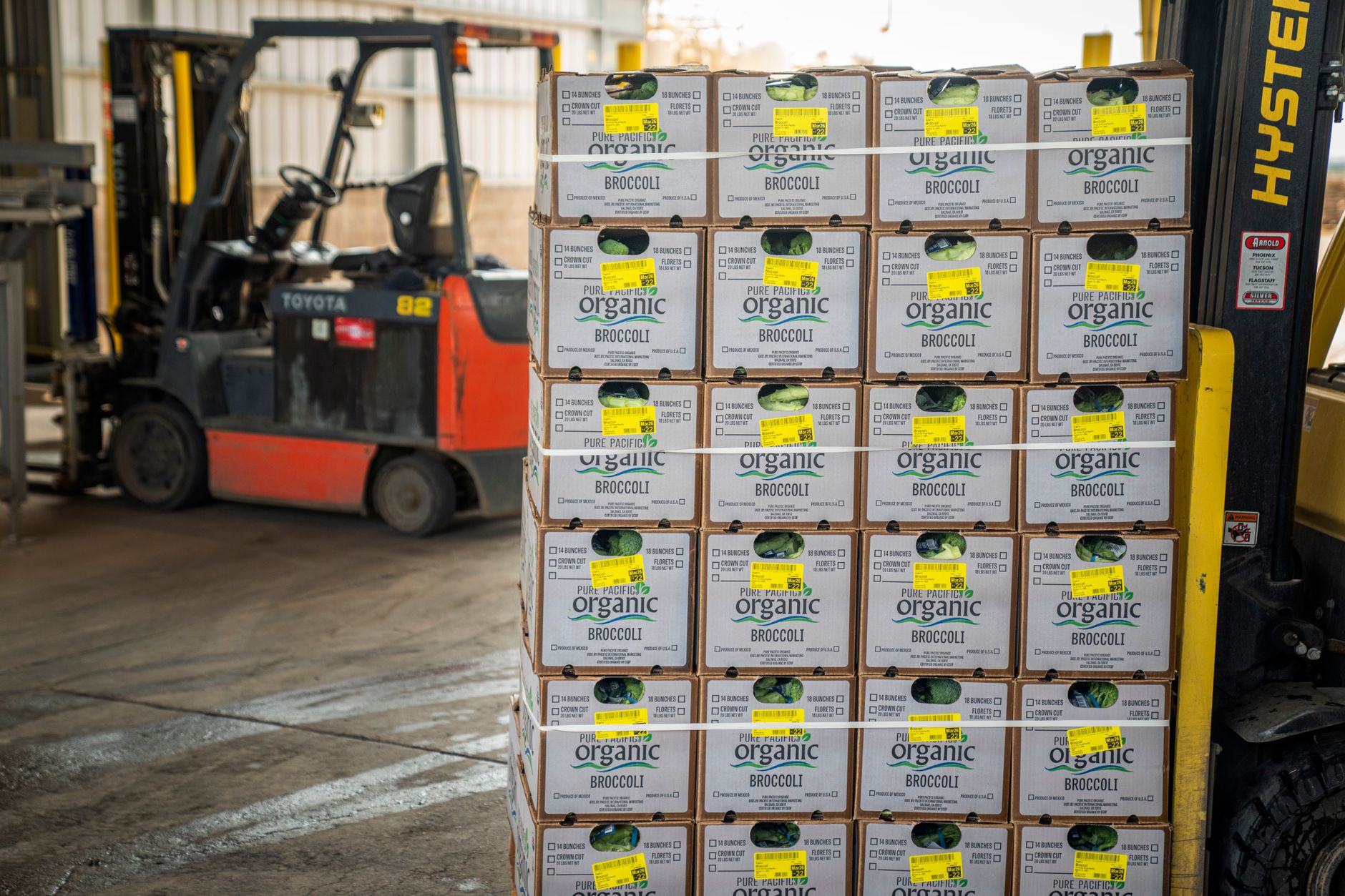
Predawn produce trade compresses several operating modes into the same space. Inbound loads are breaking down, outbound orders are assembling, buyers are inspecting product, forklifts are crossing aisles, sanitation work may still be finishing, and pallets appear in places that were open during the previous patrol.
The scale can be enormous. In a 2022 release, the New York City Mayor's Office reported that Hunts Point Produce Market distributed more than 2.5 billion pounds of produce annually, supplied 25 percent of the city's fresh produce, and supported 2,000 jobs targeted for preservation or growth through redevelopment. Those figures illustrate why a market patrol cannot assume a quiet warehouse after close.
A practical schedule therefore changes with the market rhythm. Overnight routes can emphasize gates, parked trailers, closed vendor fronts, refrigeration areas, and dark corners. As trading intensifies, the route should contract toward wider corridors and fixed observation points where the robot can monitor without adding friction.
How should robots coexist with forklifts?
Forklift interaction is the central safety design problem. OSHA describes warehouses as a constantly moving mix of people, vehicles, and equipment. Its guidance calls for safe aisle and dock clearances, clear passageways, slower travel in congestion or on slippery surfaces, and horn use at cross aisles and obstructed locations.
Robot deployment and integration should preserve those controls. The site team must measure actual approach speeds, loaded turning paths, mast and pallet overhang, blind intersections, dock-plate transitions, and the places where operators reverse because a load blocks forward vision. A map copied from a building drawing will miss the behavior that matters.
- Give powered industrial trucks priority at every shared crossing and loading approach.
- Place robot waiting points outside turning envelopes, dock edges, fire routes, and pallet-drop zones.
- Use geofenced low-speed areas near blind corners, vendor doors, time clocks, and buyer congregation points.
- Require the robot to stop safely after sensor degradation, route blockage, connectivity loss, or localization uncertainty.
- Include robot encounters in near-miss reviews instead of treating the machine's event log as a separate security record.
Wet floors and temporary pallets change the map
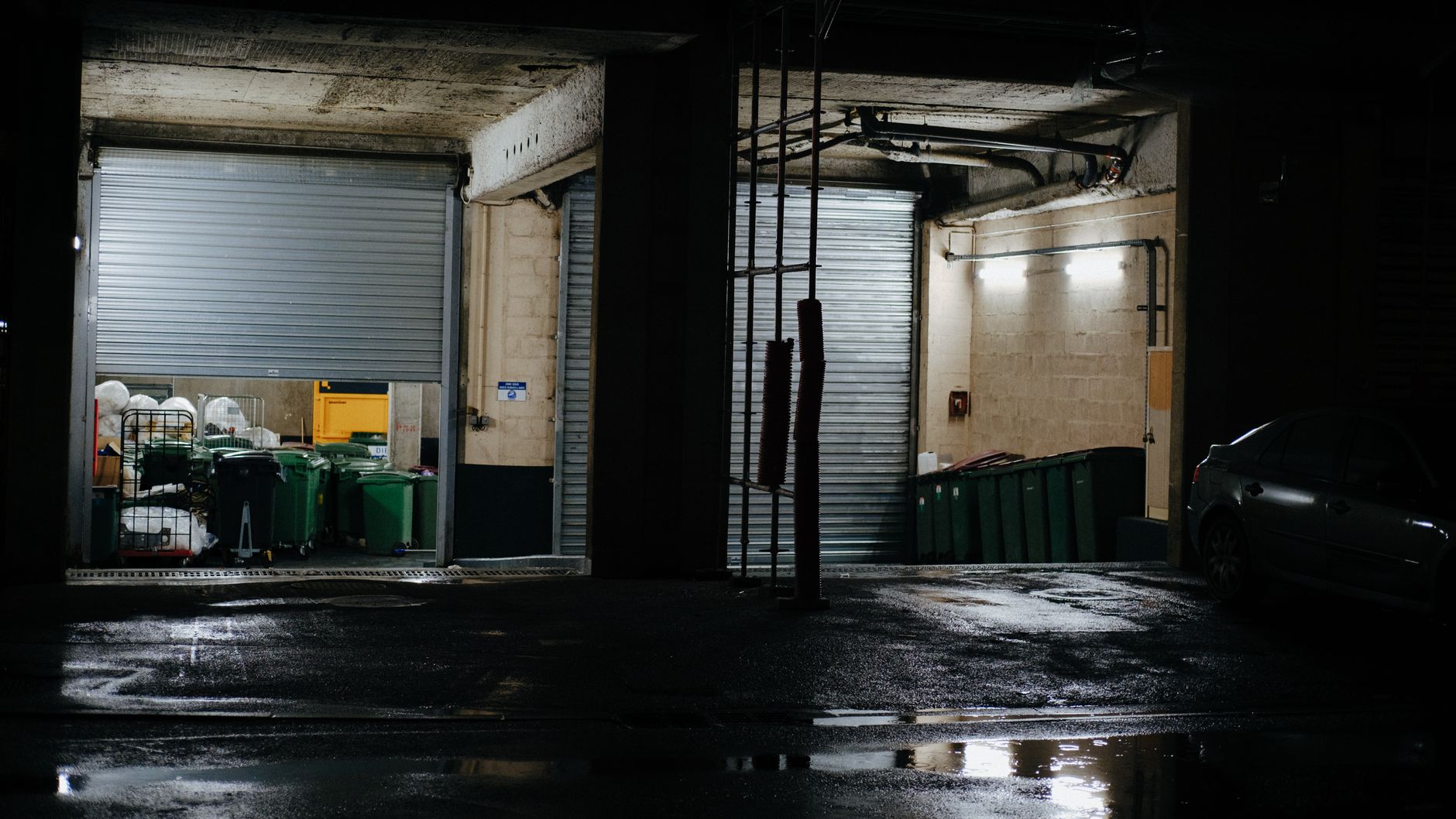
Produce floors are rarely static. Condensation, washdown water, crushed leaves, melting ice, damaged cartons, straps, and pallet splinters can turn a valid route into a slip or obstruction zone. OSHA's warehousing guidance says floors and aisles should be kept clear of spills and clutter, while wet areas need drainage and, where appropriate, grating, platforms, or mats.
The robot must not normalize an unsafe condition simply because it can drive around it. A detected spill or blocked passage should create a location-stamped event, suspend that route segment, and notify the responsible team. Resumption should require a verified clearance, not merely the disappearance of an obstacle from the camera view.
- Test traction and stopping behavior on the site's actual wet concrete, coatings, dock plates, and threshold strips.
- Teach crews how to create a temporary no-go zone before washdown, spill cleanup, or pallet restacking begins.
- Keep patrol paths away from floor drains, damaged joints, steep dock transitions, and hose runs unless the robot has been validated there.
- Record recurring blockage locations so management can correct staging habits instead of endlessly rerouting around them.
Vendor boundaries need operational permissions
A wholesale market may have shared aisles, landlord-controlled docks, tenant stalls, leased coolers, restricted cages, buyer zones, and service corridors under different authority. A patrol route that is technically navigable can still cross a commercial or privacy boundary.
Build the map around permissions. Each zone should specify allowed hours, approved sensor use, retention rules, notification contacts, and conditions for entry. A vendor may permit exterior observation at all times but allow interior patrol only after its closing procedure. Temporary access should expire automatically rather than becoming a forgotten permanent privilege.
Visible signage and staff briefings reduce confusion. Workers should know what the robot observes, what it does not infer, how to report a concern, and who can review an event. Camera placement, audio functions, biometric features, and record retention should also receive legal and policy review before go-live.

What should happen when the robot flags an incident?
Escalation must match the market's constant activity. A person walking beside a closed stall, a forklift parked near an exit, and forced entry at a gate do not deserve the same response. If every anomaly becomes an urgent alarm, dispatchers will stop trusting the system.
Use defined event classes with named owners and deadlines established by the market's security leadership. OSHA's emergency-preparedness guidance says emergency plans should identify reporting procedures, contacts, worker actions, and alarms that are distinctive and perceivable. Robot alerts should feed that plan rather than create a parallel chain nobody has rehearsed.
- Advisory: log routine route blockage, lighting failure, open noncritical door, or repeated pallet encroachment for operations review.
- Priority: send live evidence to the security desk for an unauthorized person, tampering, damaged barrier, or vehicle in a restricted lane.
- Emergency: notify designated personnel through the site's established emergency procedure for smoke, fire indicators, violence, serious injury, or an immediate vehicle hazard.
- Safety rule: never direct the robot to chase, corner, physically block, or confront a person.
- Closure rule: document who acknowledged the event, what action followed, and when the affected route returned to service.
How do you test the concept without disrupting trade?
Start with a commercial robot demo and a site assessment mapping exercise, then design a robot pilot program around the hardest operating window. A quiet midday tour cannot prove predawn fitness. The pilot needs loaded forklifts, temporary pallets, wet-floor controls, vendor openings, trailer arrivals, glare, shadows, and the actual radio or dispatch workflow.
Measure completed patrol segments, human interventions, blocked-route duration, nuisance-alert causes, event acknowledgment, evidence quality, and near misses. Separate security value from navigation performance. A robot may complete every route yet generate unusable alerts, or detect useful events while repeatedly obstructing work. Neither result supports expansion.
OSHA requires each powered industrial truck operator's performance to be evaluated at least once every three years, and refresher training is triggered by unsafe operation, accidents, near misses, equipment changes, or changed workplace conditions. Adding a patrol robot changes encounter patterns, so the site's forklift-safety owner should participate in pilot review and training decisions.
One accountable partner matters after go-live
Produce markets need more than hardware delivery. Service Robot Co. is an OEM-neutral, full-service commercial robot integrator for U.S. businesses. The team selects equipment across manufacturers, then handles financing, deployment, integration, staff training, and service through a nationwide U.S. engineer network.
That lifecycle model is particularly useful in a market where an autonomous patrol robot may need remote triage, on-site dispatch, commercial robot repair service, map changes, and staff retraining as vendor layouts shift. Buyers can compare purchase or lease structures, including leasing and monthly payment programs, without forcing the site into one manufacturer's catalog.
The goal is operational ownership: one partner, one number, and a clear path from site survey through go-live support and ongoing robot maintenance service. Security leadership still owns policy and emergency authority. The integrator keeps the deployed system supportable as the floor, routes, and operating hours evolve.