Key takeaways
- OSHA's 1/8-inch action level sets urgency for priority areas near bucket elevators, grinders and dryers.
- Clean priority zones daily and the rest of the building weekly at minimum, then add passes when trucks peak.
- Run heavy scrubbing overnight, when forklifts and pedestrians have cleared the floor.
- Map aisles and stock layout first, because solid decks and clutter stop a robot before dust does.
- Confirm payback on your own floor area and dust zones, not on distribution-center figures alone.
Can a robot keep a seed warehouse floor within dust limits?
Yes, for the open floor, and it is one of the more practical jobs for an autonomous scrubber in agriculture. Seed and agricultural input warehouses carry fine dust, spilled product and bagged goods that arrive and leave in seasonal waves. A scrubber on a fixed schedule can take over the broad passes that hand crews usually fall behind on during peaks.
The catch is that a robot does not decide how often a floor must be cleaned. Federal rules and your written housekeeping program set that. The plan starts with those rules, then fits the robot's run window to the truck calendar.
In short: clean priority areas daily, clean the rest of the building weekly at minimum, add passes when inbound or outbound volume peaks, and run the heavy work overnight.
What do OSHA and NFPA require for dust on the floor?
OSHA's grain handling standard, 1910.272, requires a written housekeeping program that sets the frequency and methods for reducing fugitive grain dust. It also sets a 1/8-inch action level for priority areas: floors within 35 feet of inside bucket elevators, enclosed areas with grinding equipment, and enclosed areas with grain dryers. Accumulations above 1/8 inch in those areas must be removed immediately, or the facility must show equivalent protection.
Not every seed warehouse has elevators or dryers, so start by checking which of those zones you actually have. OSHA's own materials say NFPA 61 applies to facilities handling dry agricultural bulk materials, including agricultural seeds, feeds and grains. According to a dustcenter.org summary of the 2020 edition of NFPA 61, dust layers should be no thicker than 3.2 mm, or 1/8 inch, over no more than 5 percent of floor area, and total dust-covered area should not exceed 1,000 square feet.
NFPA 660, effective December 2024, consolidates NFPA 61 and other dust standards, according to Villo, a vendor. Confirm the edition your insurer and local fire authority apply before you write the schedule.
Where does dust actually settle in a seed warehouse?
OSHA's combustible dust directive lists floors, horizontal structural members, conduit and pipe racks, and the areas above suspended ceilings as likely places for dust to accumulate. The floor is the easiest of those to see and the one a scrubber can reach. The other surfaces still need a crew with the right tools.
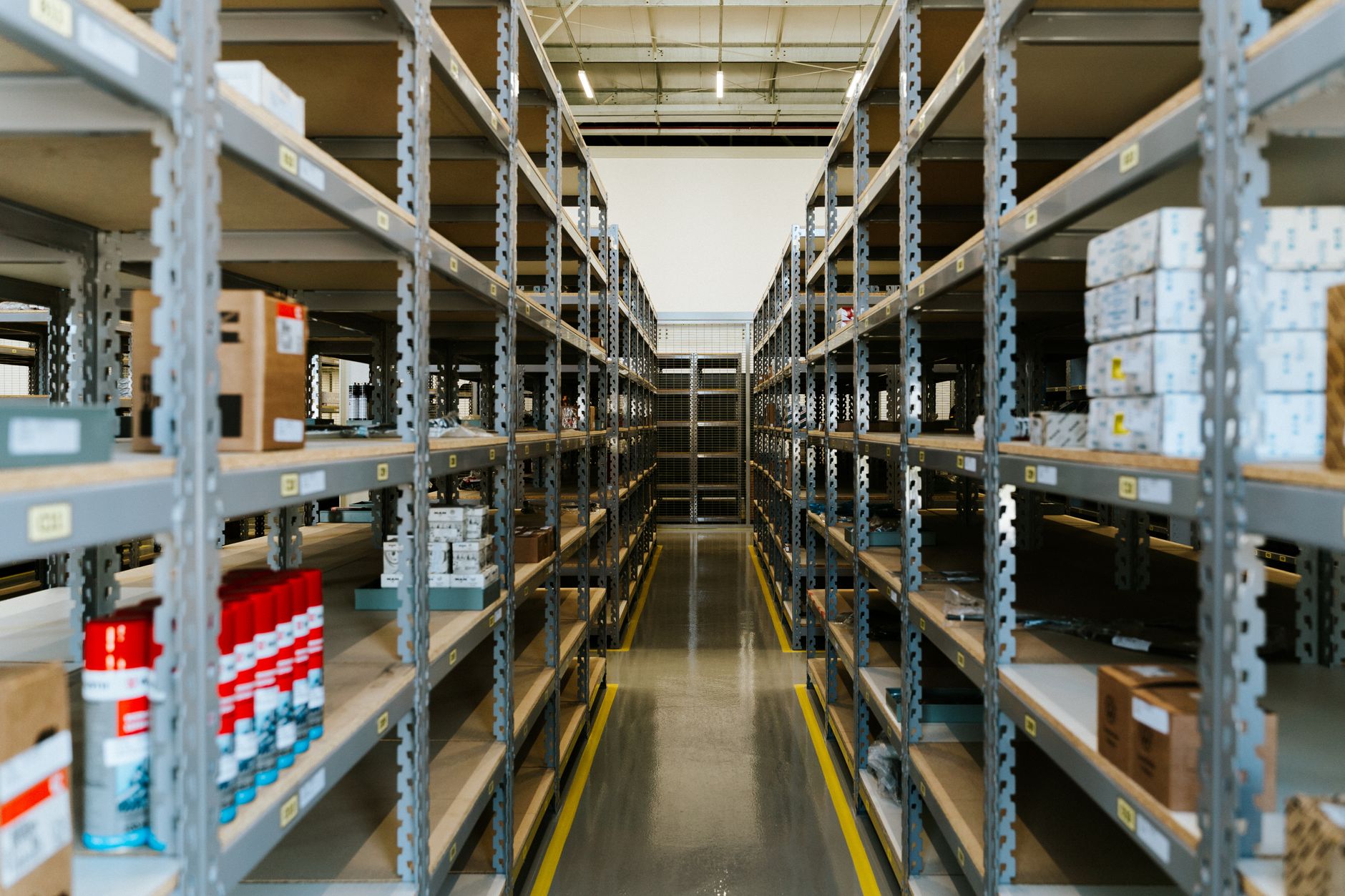
Racking shapes how much floor a robot can reach. Material Handling USA, a racking vendor, says agricultural warehouses are rarely climate-controlled and that bagged goods arrive and leave in seasonal waves. It also says open wire decking and clear floor space beneath the bottom beam make housekeeping possible, while solid decks and cluttered floors make it mostly theoretical.
That is why an aisle audit belongs before any robot quote. Measure clear widths, note pallet staging and check for low obstacles that a scrubber must detect and route around.
How should cleaning frequency follow the truck calendar?
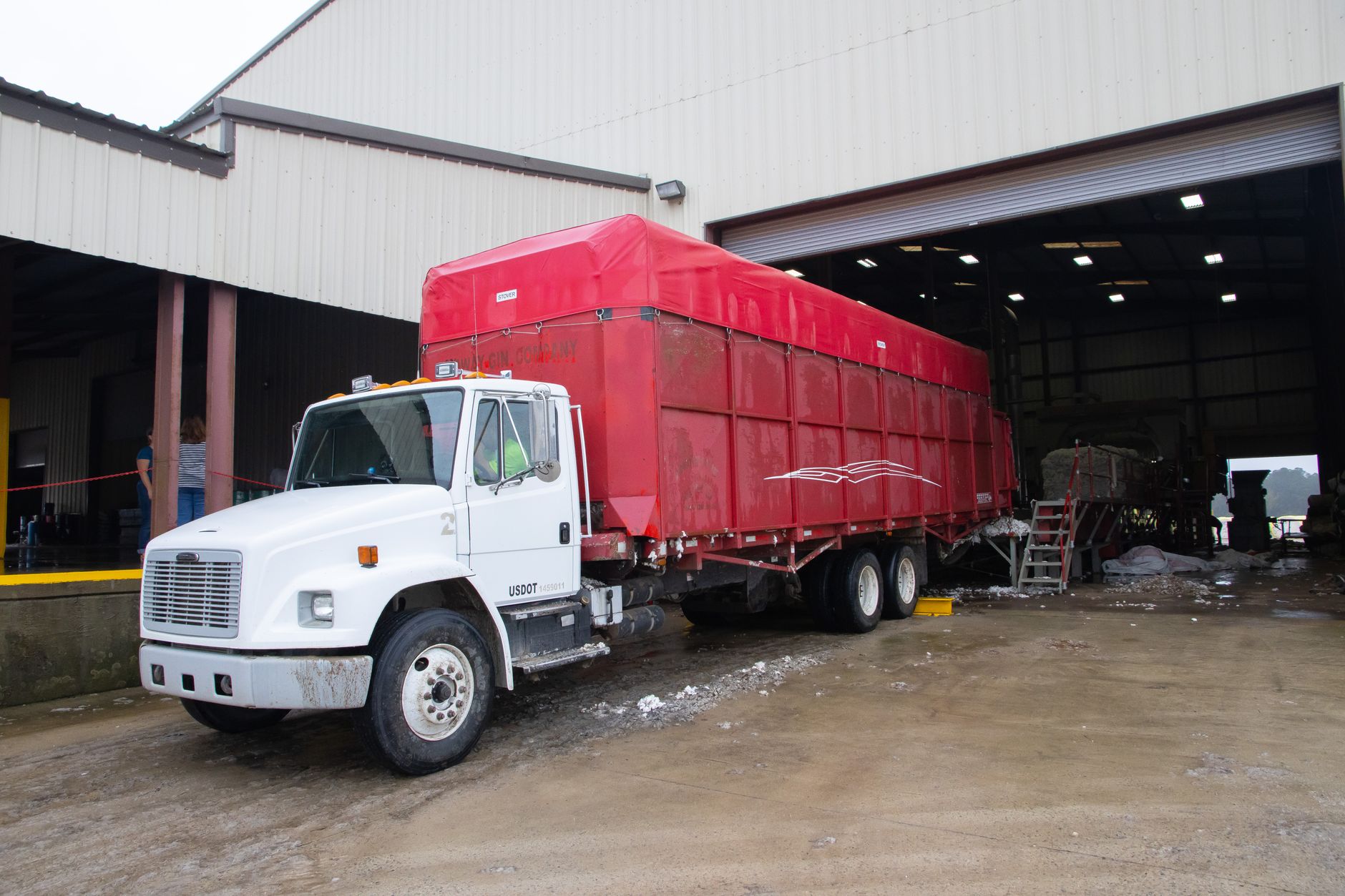
Build the schedule from the dock, not from the clock. Priority areas near elevators, grinders and dryers get the daily pass, and that pass should finish before the first inbound trailer unloads so staging lanes start clean. Other areas can drop to weekly, though aisles that trucks use during peak season will usually need more frequent passes.
A product spill after a large outbound load is a separate event, not a routine pass. Spilled seed is a slip hazard and a dust source, so crew should clear it when it happens. The robot can then cover the broad pass that follows.
Write the peak triggers into the housekeeping program. When inbound or outbound volume rises, add passes; when it falls, drop them. The crew and the robot schedule should change together, and the written plan should say who makes that call.
When should the robot run between shifts?
Overnight is usually the right window. Forklifts and pedestrians have cleared out, so the robot covers open floor without stopping traffic. Avidbots, a scrubber maker, says in its vendor materials that the Neo runs up to six hours on a single battery charge and can run longer with a battery swap. Check that figure against your total floor area and overnight hours before you commit.
Layout change is the other test. Avidbots reports a 400,000 square foot DSV warehouse in DeLisle, Mississippi, with floor-stacked product and a layout that changes continuously, where its Neo operated among 25 forklifts. That is a vendor-reported result, but it shows why mapping has to allow for moving stock and temporary staging.
Between-shift runs also suit dust work because dust is easiest to lift from a floor that nobody is walking on. Schedule the heavy passes for that window, and keep the daytime visits short and targeted.
What belongs in the written housekeeping program?
Robots change the methods and frequency lines of a housekeeping program, but the rest still needs paper. The National Grain and Feed Association's housekeeping guidance names the components a written program should cover.
- Written cleaning instructions for each zone
- Inspection frequency, kept separate from cleaning frequency
- Cleaning frequency for priority and non-priority areas
- Cleaning methods for dust, spills and leaks
- Procedures for spills and leaks outside the robot's routine
- Dust control equipment and its upkeep
What does the robot pay back on, and how does Service Robot Co. set it up?
Millfac, a vendor, reports payback periods of 18 to 30 months for autonomous scrubbers in distribution facilities over 75,000 square feet with open floors and consistent overnight access. Its example is a Southwire case, about 180,000 square feet of open polished concrete, where one scrubber replaced two floor operators per shift after a 90-day pilot. Those figures come from one vendor and from distribution floors, so a seed plant with heavier dust control work needs its own math.
Service Robot Co. is an OEM-neutral integrator, so we compare robots across manufacturers before recommending one for your floor. We lease robots on a 3-year lease, with one fixed payment quoted after a site assessment. Our engineers handle deployment, integration, training and service through a nationwide US engineer network.
The site assessment is where we measure dust zones, aisle widths, overnight windows and the truck calendar, so the schedule is written before the robot ever runs.
Frequently asked questions
Sources
- OSHA 1910.272 Grain Handling Standard
- OSHA Standards Interpretation Manual, Section IV Chapter 6
- NGFA Safety Tips: Housekeeping
- dustcenter.org NFPA Housekeeping Analysis
- Villo: Mitigating Dust Disasters in Grain (vendor page)
- Avidbots: Boosting Warehouse and Supply Chain Productivity with Floor Scrubbing Robots (PDF)
- Millfac: Autonomous Floor Scrubbers
- Material Handling USA: Agricultural Warehouse Racking for Bagged Goods