Key takeaways
- For multi-store grocers, robots usually beat manual audits on frequency, consistency, and overnight coverage.
- Human audits still matter most for fresh, judgment-heavy, and exception-driven work on the sales floor.
- Current pricing data shows grocery stores perform better than many retail formats, but errors still appear often enough to justify tighter execution.
- The strongest operating model is machine detection plus associate correction, not machine-only autonomy.
- Regional chains gain the most when one partner handles selection, integration, training, service, and fleet support across the full lifecycle.
Which approach is better for a regional grocer right now?
For most regional grocery chains, autonomous shelf-scanning is the better primary tool for pricing accuracy and in-stock visibility when the problem spans many stores, thousands of SKUs, and daily execution gaps. Manual walk-throughs still have a place, but mostly as follow-up work. They are better at judgment. They are worse at repetition.
That distinction matters because shelf conditions change faster than most store teams can re-check them. A human audit can catch a bad tag, an empty slot, or a misplaced item in one moment. A robot can check the same aisle again tomorrow morning, again after a promotion reset, and again overnight without asking for extra headcount.
For a regional grocer that is too large to manage by feel and too small to add more labor at every location, the strongest answer is usually hybrid. Let the machine find the exceptions. Let store teams fix them.
- Best use for robots: repeatable scanning across center store, price tags, facings, and availability checks
- Best use for people: exception handling, fresh departments, merchandising judgment, and customer-facing recovery
- Best operating model: automated detection with human correction and store-level accountability
Why are grocers revisiting shelf audits in 2026?
The pressure is not abstract. According to FMI's U.S. Grocery Shopper Trends 2026, 54% of grocery shoppers always shop in-store at their primary store, 73% want a clean, neat store, and 69% want an easy shopping experience. In other words, the physical shelf still carries the brand for most grocery trips.
FMI also reports that Americans make 1.6 grocery trips per week on average and that 77% get groceries from a supermarket. When that many visits still depend on the store floor, missing product, stale pricing, and broken execution are not minor defects. They shape repeat visits.
This is why shelf auditing has moved from a back-room discipline to a front-line operating issue. Regional chains need better visibility, but they need it without inflating labor hours that are already tied up in stocking, curbside, and customer service.
- 54% always shop in-store at their primary grocery store, according to FMI
- 73% want a clean, neat store
- 69% want an easy shopping experience
- 1.6 grocery trips per week on average
- 77% of Americans get groceries from a supermarket
What does the current Nebraska example actually show?
On June 9, 2026, B&R Stores announced that it was deploying an autonomous shelf-scanning platform to select locations in Lincoln, Nebraska. The company is a useful example because it is not a national mega-chain. On its official site, B&R says it operates across Nebraska, Iowa, and Missouri and employs more than 2,000 people. That is exactly the kind of operator caught between small-store habits and enterprise-scale execution demands.
The timing matters too. The robotics manufacturer behind that rollout had announced a new generation of its platform on January 12, 2026, including up to 12 hours of runtime, faster charging, and upgraded vision and sensing. That combination matters operationally. Longer runtime makes overnight or full-day coverage more realistic, and better sensing improves the odds that the scan catches the price and placement issues grocers actually care about.
The takeaway is not that every grocer should copy B&R store for store. It is that regional operators are now using shelf-scanning systems as practical operating tools, not lab experiments. The use case has matured into ordinary store execution.
How much better are manual audits than the industry likes to admit?
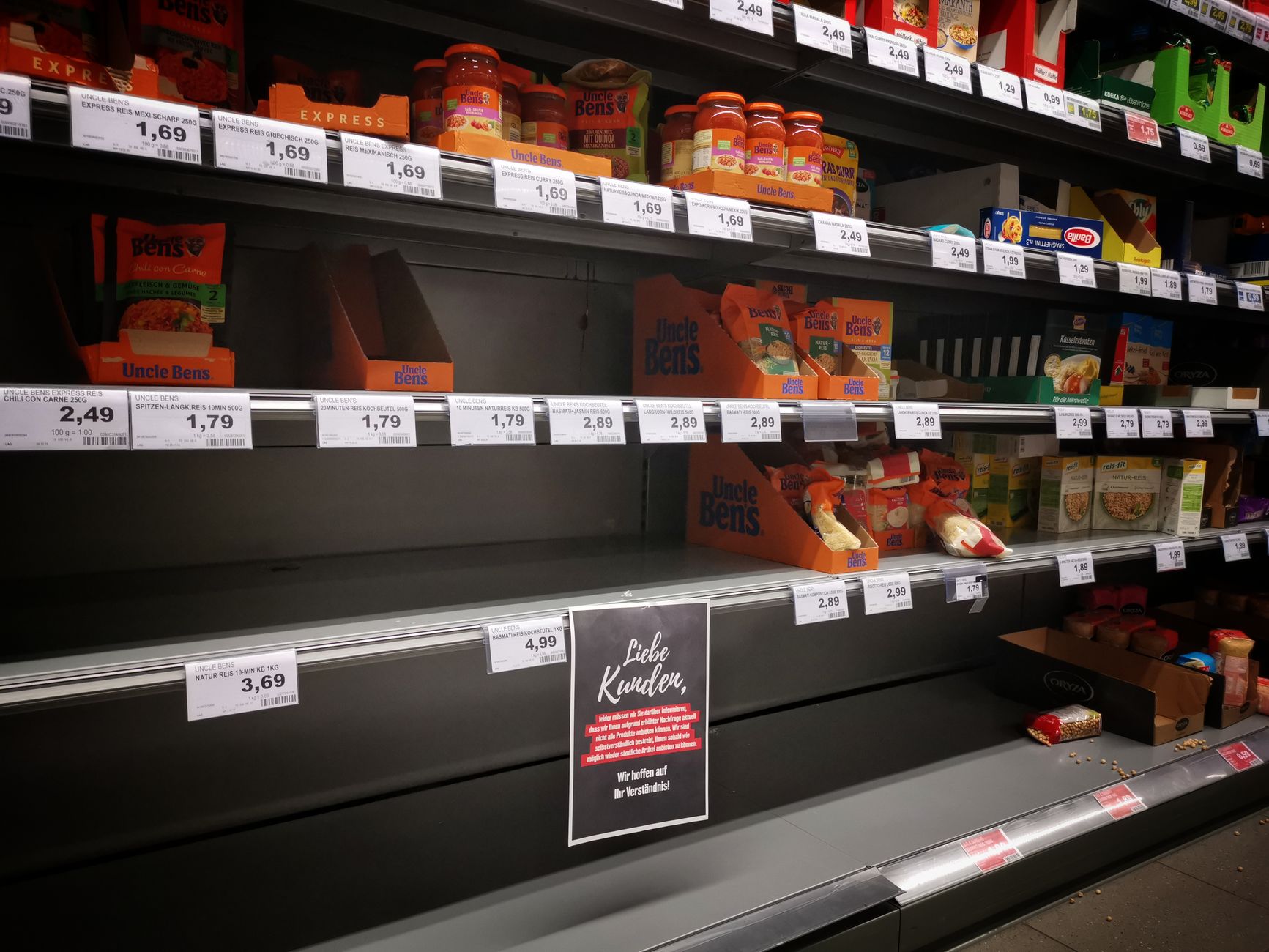
Manual audits are often underrated because experienced store teams do find real problems fast. A department lead can notice a promo sign in the wrong bay, a suspicious shelf gap, or a display that looks wrong in a way no dashboard can fully describe. That kind of instinct still matters.
But manual audits degrade with scale. The same associate who is supposed to walk the aisle is also answering customer questions, helping on self-checkout, covering breaks, receiving deliveries, or filling online orders. Once that happens, the audit becomes intermittent. Intermittent audits create blind spots.
They also create uneven standards across stores. One location has a meticulous manager. Another has turnover. A third is short two people that week. The procedure may be identical on paper, but the execution drifts. Regional chains feel this drift more sharply than national giants because they rarely have excess labor or deep specialist teams to absorb it.
What do the pricing numbers say about the real problem?
The latest broad public benchmark is the 2024 National Price Verification Survey from the National Conference on Weights and Measures, supported by NIST. It covered 7,462 inspections at 7,367 stores and checked 419,237 prices. Across all retail formats, 23% of inspected locations failed the accepted pricing standard.
Grocery and supermarket stores performed better than many other formats, but not perfectly. The survey logged 1,381 grocery or supermarket inspections, checked 91,606 items, and found that 83% of those inspections passed. The overall share of incorrectly priced items in the grocery and supermarket category was 1.7%.
That may sound small until you remember the scale of a regional chain. Even a low-single-digit error rate becomes a steady stream of bad tags, missed promotions, and trust-eroding checkout mismatches when it is multiplied by dozens of stores and constant price movement.
NIST's price verification guidance is also clear about the bar. A store passes when at least 98% of advertised or displayed prices match the price charged at checkout, and inspections fail when error rates rise above 2%. For grocers, that means the target is not just better than average. It is disciplined near-perfection, every day.
Where do autonomous scans beat human walk-throughs?
Robots win on cadence, coverage, and data capture. They do not get bored in aisle 11. They do not skip a pass because a truck arrived late. They can traverse the same path repeatedly and turn shelf conditions into a structured exception list instead of a manager's memory.
That repeatability is what makes them valuable for regional chains. A good shelf scan can flag out-of-stocks, price label mismatches, missing labels, low facings, and placement problems before those issues compound into lost sales or customer complaints. It also helps central operations compare stores with the same measurement method, which is hard to do with manual audits alone.
The best 2026 systems have also improved runtime and sensing enough to make broader coverage plausible in live stores. Up to 12 hours of operation is not trivial. It pushes scanning from a narrow demo window toward true daily utility, including overnight passes that keep the robot out of the way and deliver action lists before morning traffic builds.
Where do people still outperform machines?

Humans still have the edge where context matters more than detection. Fresh departments, seasonal displays, damaged packaging, substitute merchandising, and shopper interaction all call for judgment. A robot can tell you a shelf condition changed. It cannot negotiate with a customer, decide how to rebuild a display, or coach an associate on the spot.
People are also better at resolving the exception once it is found. A list of wrong prices has no value until someone verifies the cause, prints the right tag, fixes the shelf, or escalates a systems issue. That is why the most realistic labor model is not headcount replacement. It is headcount redirection.
For regional grocers, that distinction matters politically as much as operationally. Store teams accept automation faster when the machine removes the drudgery and sharpens priorities instead of acting like a floating scorekeeper with no path to relief.
How should a regional chain decide if the math works?
Start with frequency, not novelty. If your stores are already struggling to complete consistent price and availability walks, the decision is less about futuristic technology and more about whether you want those checks done once in a while or every day.
Then look at fleet-wide labor reality. A regional chain may not need a robot in every store on day one, but it should know how many manager hours, department hours, and rework hours are already being consumed by manual audits that still leave gaps. That is the baseline the robot must beat.
The final filter is operational readiness. Shelf-scanning only pays when the data lands in a workflow people will actually use. Exceptions need owners. Stores need response standards. And the deployment has to fit live retail conditions, not a controlled pilot that quietly disappears after the novelty wears off.
- How often are price and availability checks actually completed now?
- How many stores have the same recurring audit gaps?
- Who owns correction once an exception is flagged?
- Can the chain act on next-morning exception lists consistently?
- Is the goal a pilot in a few stores or a repeatable multi-store operating model?
Why integration discipline matters more than the robot spec
This is where many regional grocers misread the project. The hard part is rarely choosing a machine. The hard part is fitting store-level data collection into real grocery operations across multiple buildings, teams, and banners.
Service Robot Co. is built for exactly that gap. We are a vendor neutral robot integrator for U.S. businesses, which means we do not start with one manufacturer's catalog and force the site to fit it. We start with the operating problem, select the right equipment across manufacturers, and then handle financing, robot deployment and integration, training, and service through a nationwide U.S. engineer network.
For a grocer, that matters because one partner can own the full lifecycle. Site assessment mapping, go live support, service coverage, and long-term fleet upkeep all sit under one roof. One partner, one number, and one accountable operating plan is often worth more than a slightly better sensor on paper.

What should a grocer do next?
If you run a handful of stores with unusually stable labor, disciplined department leaders, and low pricing churn, manual audits may still be enough. But once the chain grows across multiple markets, banners, or labor conditions, the economics tilt toward autonomous scanning plus human follow-through.
That is the practical lesson from the current Nebraska example and from the latest pricing data. Regional grocers do not need to be Walmart-sized to have Walmart-sized execution problems. They only need enough stores, enough SKUs, and enough daily change for manual consistency to break down.
The sensible next step is a tightly scoped pilot with explicit success measures: pricing accuracy, out-of-stock detection, exception resolution time, and manager hours reclaimed. If the data holds, expand from there with a turnkey robot deployment plan that matches how your stores actually run.
Frequently asked questions
Sources
- B&R Stores rollout announcement, June 9 2026
- Product launch announcement, January 12 2026
- B&R Stores official company profile
- NIST price verification FAQs
- NIST summary of 2024 price verification survey
- NCWM 2024 National Price Verification Survey PDF
- FMI U.S. Grocery Shopper Trends 2026
- FMI 2026 grocery shopper trends announcement