Key takeaways
- GCSAA's 2025 report puts the average superintendent base salary at $121,238, up 10.6 percent from 2023.
- The report measures pay, not staffing, so it cannot show vacancy rates by itself.
- Skilled hours belong on greens, bunkers, tees and course prep, where judgment cannot be scheduled.
- Fairway and rough mowing is the repetitive seat time that a robot mower can take over.
- The crew keeps boundaries, cut checks and fault clearing, so supervision stays with people.
What the 2025 pay report measures
The 2025 compensation report from GCSAA puts the average superintendent base salary at $121,238, up 10.6 percent from the 2023 average of $109,621. The average assistant superintendent base salary is $62,184, up 10.5 percent since 2023. Those two figures set the baseline for most course payroll conversations this year.
This is a pay report. It describes salary levels and benefits, not how many roles are open or how long they stay open. No source we reviewed described it as a staffing survey, so read it as evidence of what experienced turf people earn, not as proof of vacancy rates on any particular course.
Trade coverage of the same release, published in May 2025, adds that certified superintendents averaged $138,303, up 7.4 percent, and equipment managers averaged $68,154, up 12.5 percent. That coverage also cites a Bureau of Labor Statistics national increase of 8.1 percent over the same two years.
Why rising pay changes crew planning
When base pay climbs about a tenth in two years, the labor market is sending a message. Experienced people cost more, and a course that wants to keep them has to decide which tasks justify that cost. Higher pay is one sign that employers are competing for skilled turf staff, although the report itself does not measure that competition.
The practical question is less about whether to raise pay and more about where skilled hours go. Every hour an experienced superintendent or assistant spends on a long mower seat is an hour not spent on the surfaces that shape playability and member opinion.

Which hours should skilled staff protect?
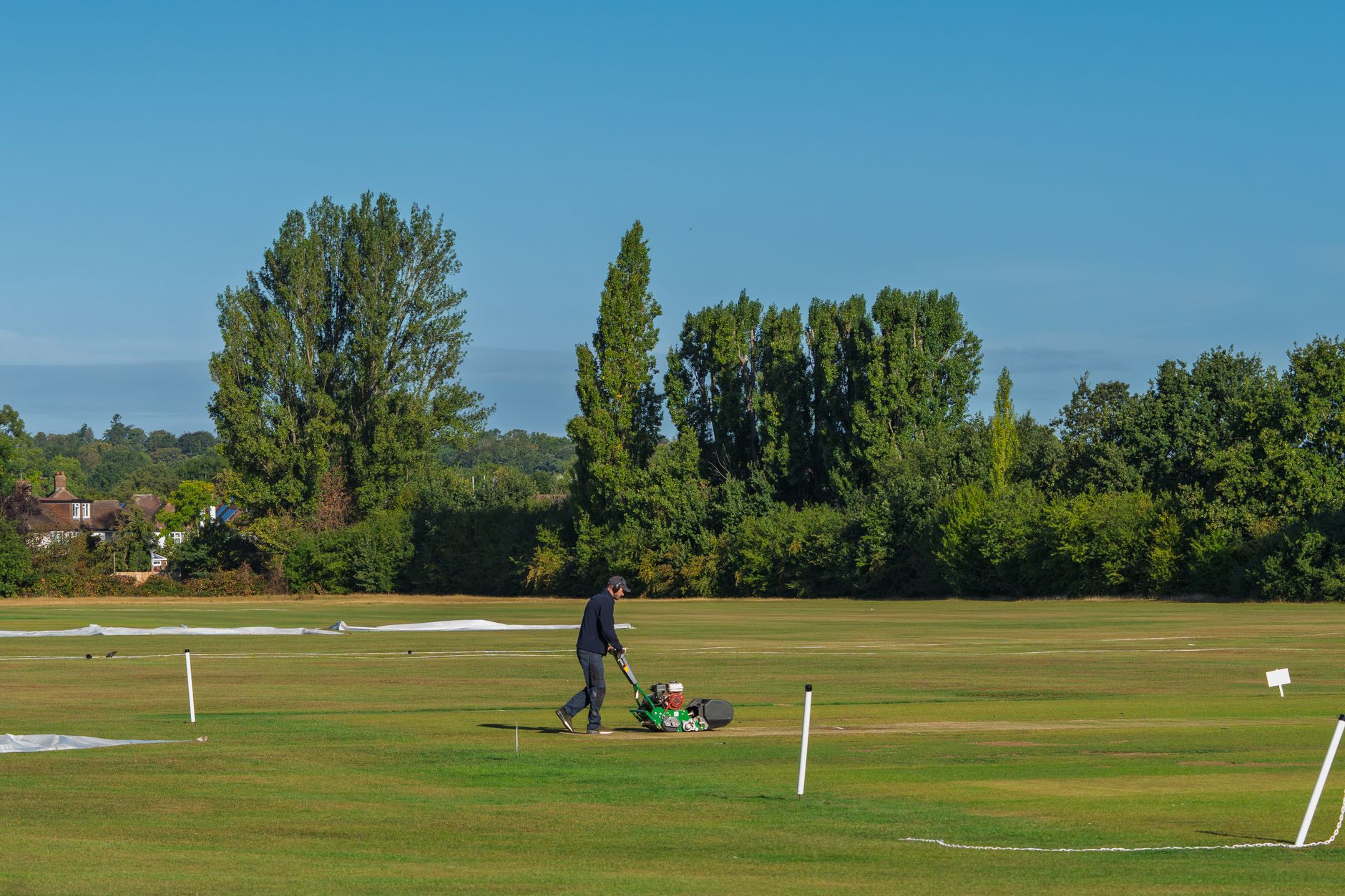
Greens, bunkers, tees and course prep depend on judgment that a route cannot supply. Checking putting surfaces, dressing bunker edges and sand, repairing tee divots and leveling, and setting up the course before the first tee time all require someone reading the turf and reacting to it.
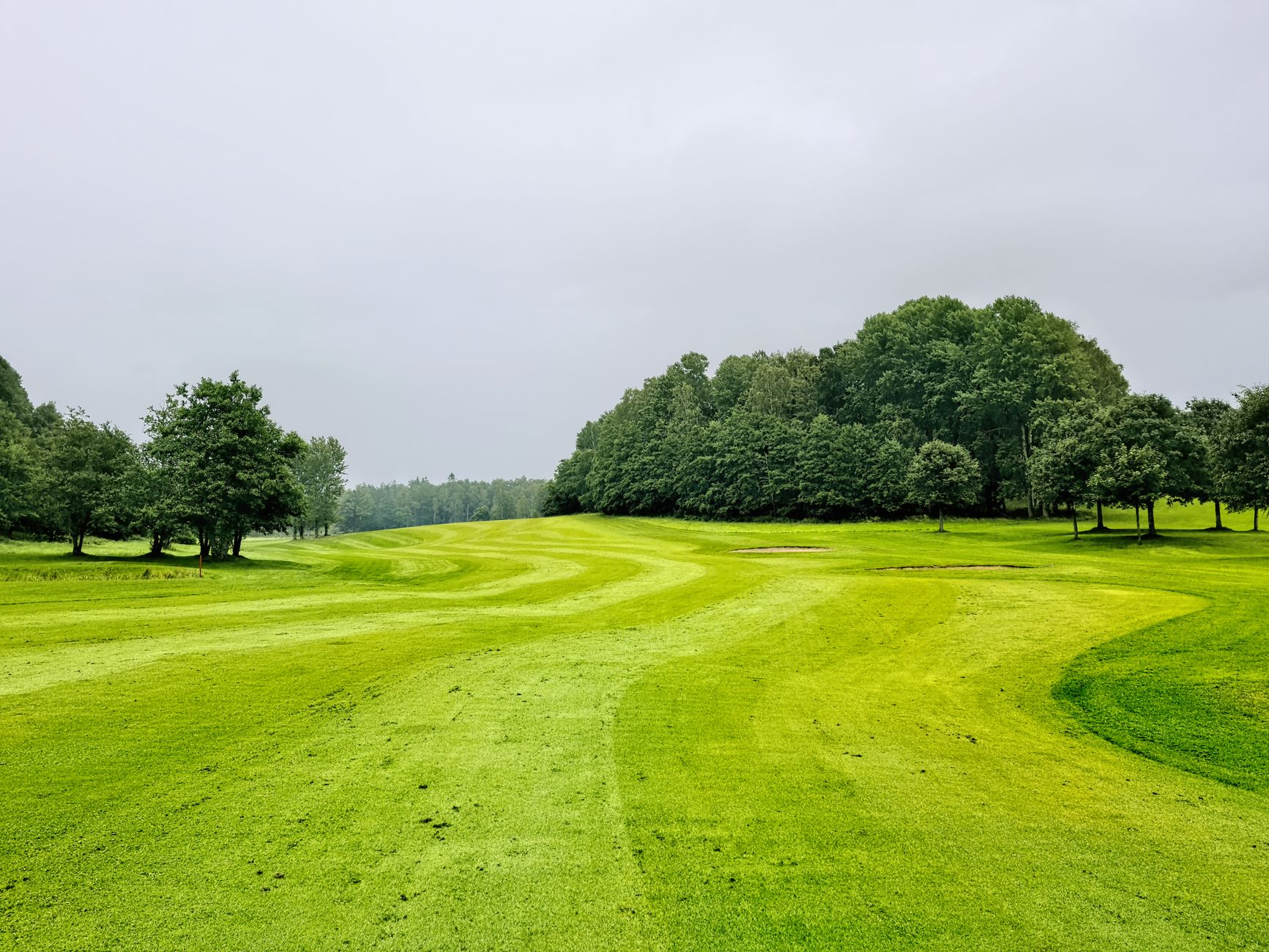
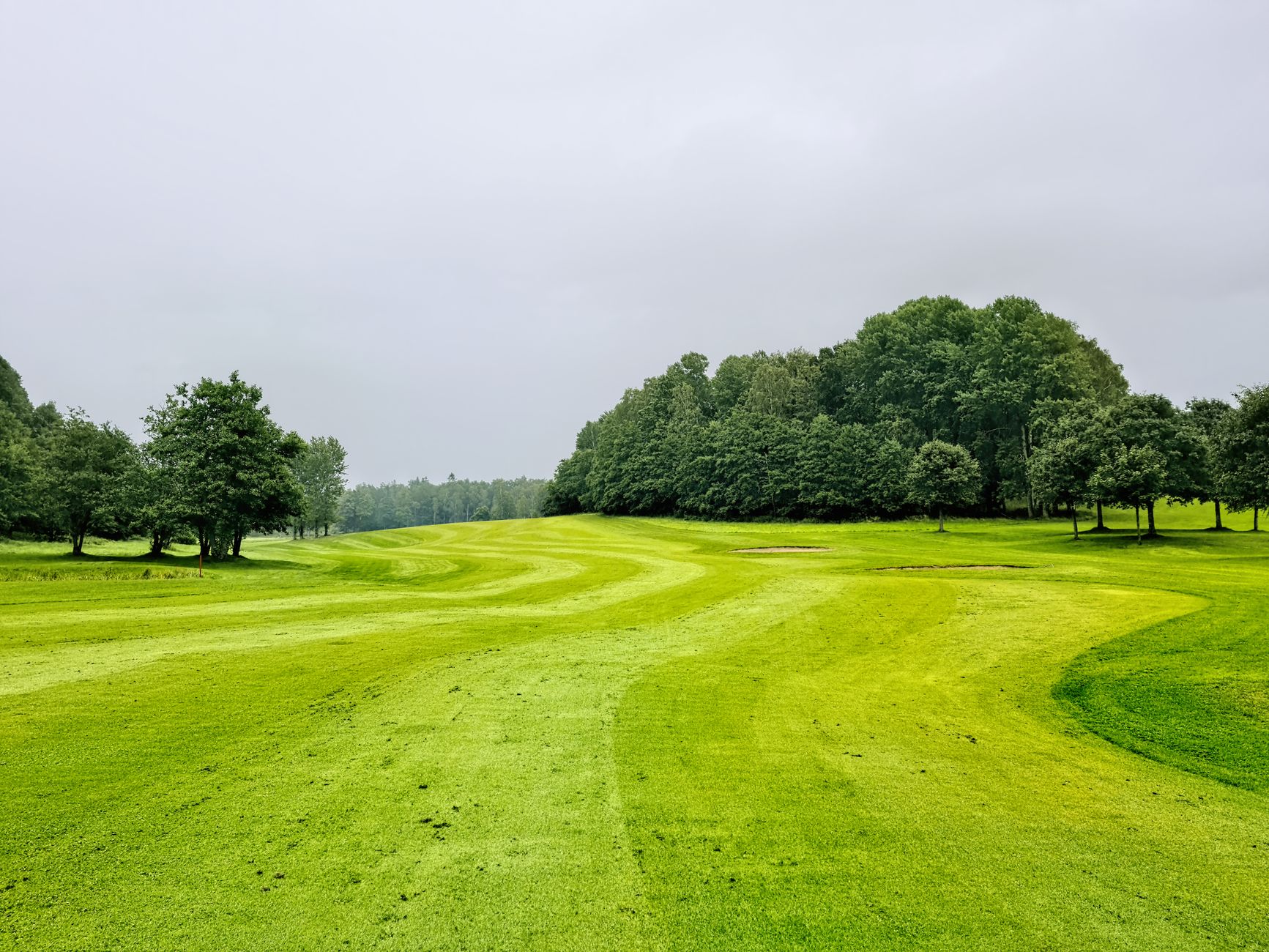
Fairway and rough mowing is different. The passes are long, repetitive and follow a set pattern on most days. That makes the work easier to schedule, and it means the judgment needed is mostly about boundaries and cut quality rather than daily diagnosis of the surface.
How fairway and rough passes move off the seat
A robot mower runs a mapped boundary on a set schedule. The crew's role shifts from driving each pass to setting the map, marking boundaries around hazards and cart paths, checking the cut when a run ends, and clearing the faults that stop a machine. The seat time goes away. The turf judgment stays with people.
Start with the least sensitive turf. Rough and outer fairway areas are the usual first zones, because a mistake there costs less than one near greens or approaches. Review the first few weeks of cut records before extending the boundary, and keep manual mowing available for holes that play the most sensitively.
Where Service Robot Co. fits in the plan
Service Robot Co. is a full service commercial robot integrator for US businesses. We are OEM neutral, so we select the robot that fits the job across manufacturers, then lease, deploy, integrate, train and service it through a nationwide US engineer network. One vendor covers the whole lifecycle, from the first site visit through go live support.
Our offer is a robot lease on a three year term, with one fixed lease payment quoted after a site assessment. That assessment is where boundaries, charging locations and traffic patterns get mapped before any number is set. A superintendent can ask for it before deciding whether a robot lease belongs in next year's crew plan.
Measure the hours before you move a single pass
Log several weeks of actual crew time before moving any mowing work. Record these items, because each one changes the decision in a different way.
If mowing takes most of the seat time and skilled tasks keep slipping, the case for moving passes is strong. If the crew already has spare hours, the pay report is a reason to keep experienced people on the work that protects playability, not a reason to change the mowing plan.
- Operator hours on fairway and rough passes, broken out by day of week and season
- Skilled staff hours on greens, bunkers and tees during the same weeks
- Days the crew ran short, and which tasks slipped as a result
- Overtime paid to cover mowing gaps, kept separate from overtime for greens and setup
- Machine hours per mower, which show where wear and service needs sit
What the first season should prove
The first season tests whether the map, the boundaries and the crew routine hold up. Compare cut records with what the crew sees on the grass, log every fault stop and how long it took to clear, and review wet days separately, since a schedule that works in dry weather may need changes after rain.
Keep the greens crew in the loop on the mowing calendar, especially during tournament weeks when the course needs a particular setup. Staff who know the course well will spot problems that a record alone can miss.
Frequently asked questions
Want a robot working for you?
Tell us the job and the site. We will recommend the robot, quote the lease, and keep it serviced.