Key takeaways
- Persistent labor shortages are the main driver for back-of-house automation adoption in the restaurant industry.
- Automated fry stations, robotic drink dispensers, and food prep cobots are the most mature systems currently available.
- Key benefits include improved product consistency, reduced food waste, faster service, and enhanced kitchen safety.
- Payback periods for kitchen robots often fall between two and four years, depending on local labor costs.
- Successful deployment depends on careful workflow analysis and integration, an area where an experienced partner is critical.
Why Is Every Restaurant Talking About Kitchen Robots in 2026?
Restaurant operators are aggressively turning to back-of-house automation to solve a problem that refuses to go away: a critical shortage of kitchen staff. The numbers paint a clear picture. As of June 2026, employment in U.S. full-service restaurants remains 183,000 jobs below pre-pandemic levels. This persistent labor gap, coupled with rising wages, has made the business case for robotic assistance undeniable.
This guide moves beyond front-of-house delivery runners to focus on the engine room: the kitchen. Here, automation is not a novelty but a practical tool for survival and growth. For restaurant owners and managers, the question is no longer *if* they should automate, but *which* systems to deploy and *how* to do it successfully. The most common and proven applications target repetitive, high-volume tasks that are difficult to staff.
Available systems in 2026 fall into three main categories: automated fry stations that manage one of the most hazardous jobs in the kitchen, robotic drink dispensers and baristas that ensure speed and consistency, and collaborative robots, or "cobots," that assist with basic food preparation. These technologies directly address the challenges of staff shortages while improving product quality and operational efficiency.
What Can an Automated Fry Station Do?
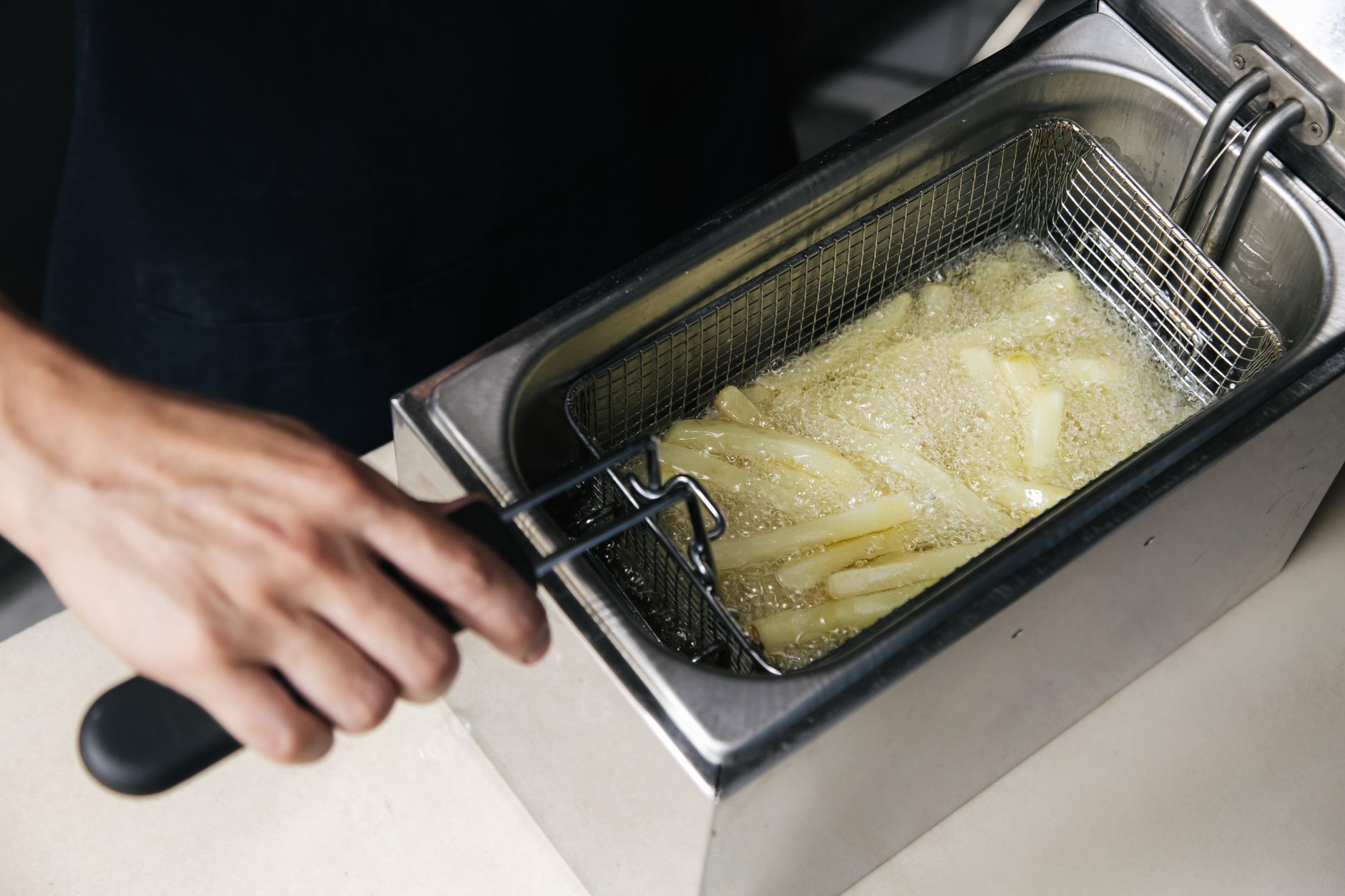
The fry station is a prime candidate for automation. It is a hot, often greasy, and potentially dangerous environment, leading to high staff turnover. Robotic frying systems are designed to take over this entire workflow, from retrieving frozen products to dispensing them into baskets, managing the cooking process, and plating the finished items.
A key operational benefit is unwavering consistency. An automated system cooks every batch for the precise, programmed amount of time, ensuring product quality that is difficult to maintain across multiple shifts with human staff. This also leads to a reduction in food waste from overcooked or improperly handled products.
Safety is another major factor. Automating the frying process significantly reduces the risk of burns and slip-and-fall injuries, which can lead to lower workers' compensation claims. These systems handle the heavy lifting and hazardous tasks, allowing kitchen staff to be redeployed to more complex and value-added roles.
How Do Robotic Drink Dispensers and Baristas Work?
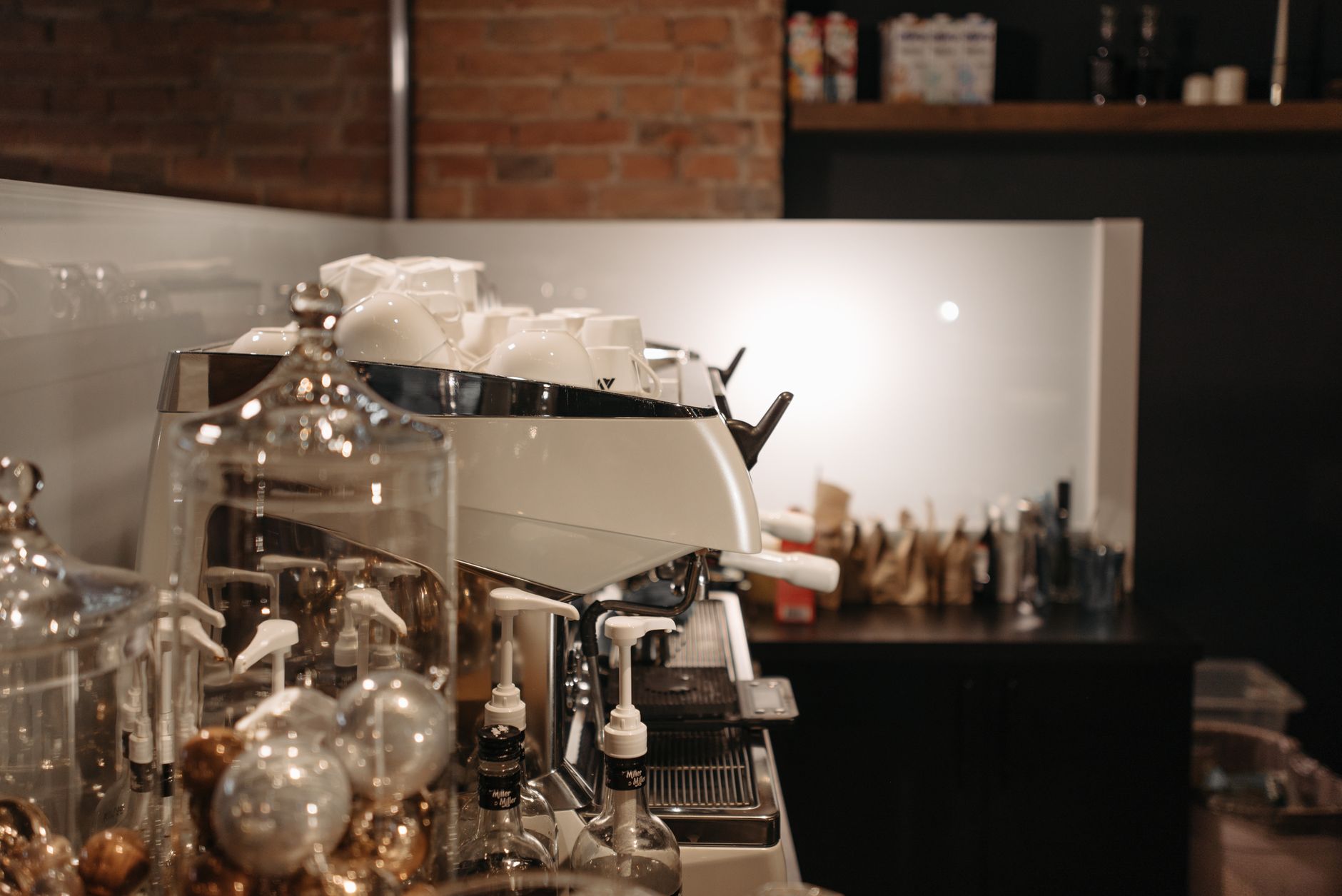
Beverage preparation, from soft drinks to complex coffee orders, is another bottleneck in many restaurants. Robotic systems in this area range from fully automated fountain dispensers to sophisticated multi-axis robotic arms that act as baristas. The global market for robot baristas alone is projected to expand from $1.27 billion in 2026 to $3.73 billion by 2035, according to Business Research Insights.
For quick-service restaurants, automated dispensers can handle the entire process of filling, capping, and staging drink orders, which is often the biggest slowdown in drive-thru operations. For cafes and full-service establishments, robotic baristas can replicate complex espresso-based drinks with perfect consistency, 24 hours a day.
These systems improve speed of service and order accuracy, directly impacting customer satisfaction. They also provide precise portion control for syrups and other ingredients, minimizing waste and ensuring the beverage cost for every drink is exactly to spec. Human staff are freed up to focus on customer interaction, taking orders, and quality control.
Are Cobots Ready for Food Prep?
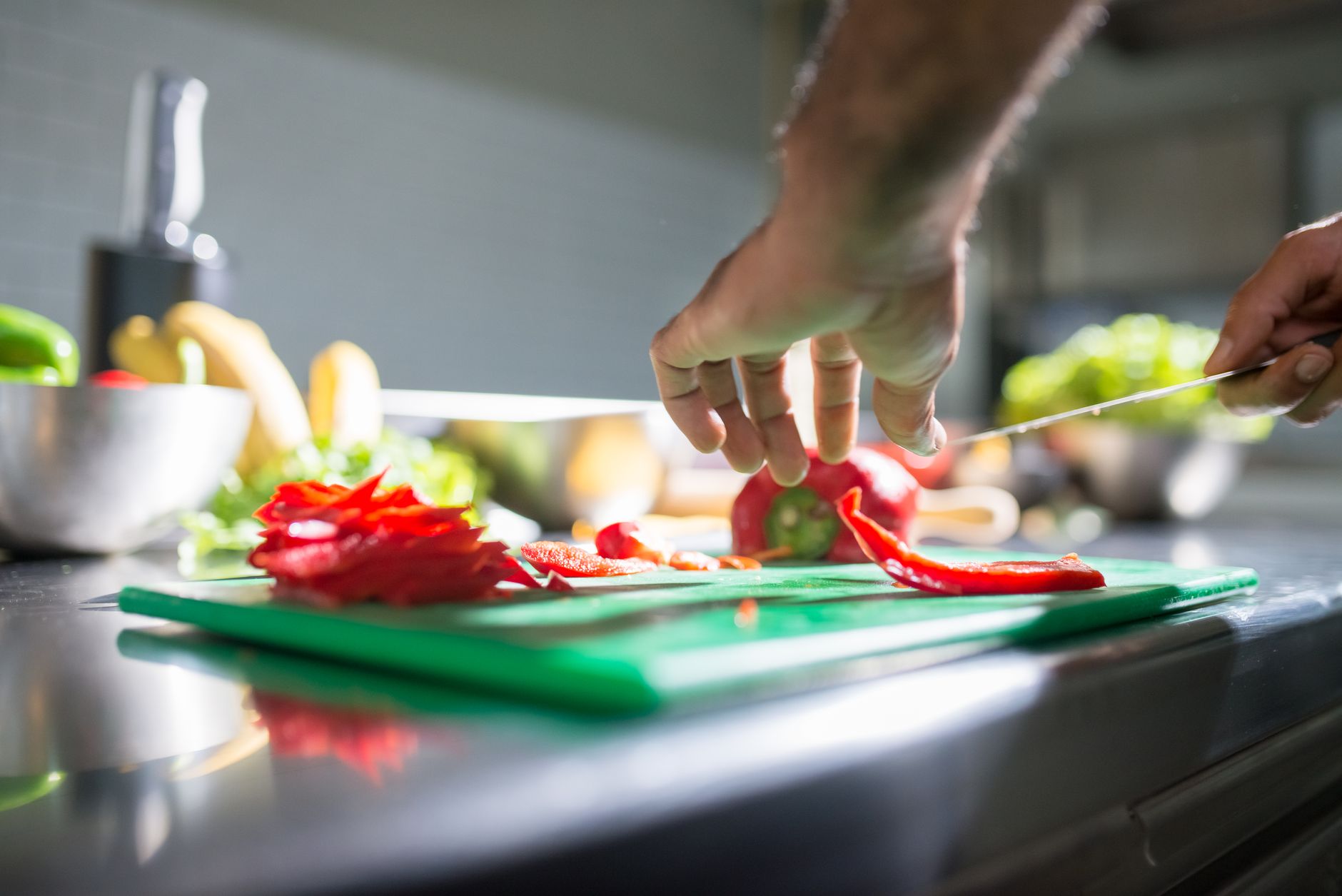
Collaborative robots, or cobots, are designed to work alongside human employees, taking on simple, repetitive food prep tasks. Unlike self-contained fry or drink systems, cobots are robotic arms that can be programmed for a variety of jobs like chopping vegetables, assembling salads or bowls, or dispensing ingredients.
The primary advantage of a cobot is its flexibility. While they excel at repeating the same thing over and over, they can be repurposed for different tasks as menus change. This makes them a good fit for kitchens that need to automate a series of simple but time-consuming processes.
However, food itself presents a challenge. The variability in the size and texture of natural ingredients, like a head of lettuce or a tomato, can be difficult for a robot to handle with the same dexterity as a human. For this reason, cobot applications work best with standardized, pre-portioned ingredients in assembly-line style tasks.
How Do I Choose and Deploy a Kitchen Robot?
Successfully integrating a robotic system requires more than just picking a machine. The process involves a deep analysis of your specific kitchen workflow, physical layout, and existing technology, like your Point of Sale (POS) system. A mismatch in any of these areas can lead to operational disruption rather than improvement.
This is where a vendor-neutral integrator becomes a crucial partner. At Service Robot Co., we don't manufacture robots; we select the best machine for your specific job from a wide range of manufacturers. Our process begins with a free site assessment to map your operations and identify the exact bottlenecks where automation will deliver the highest return.
We handle the entire lifecycle. This includes not just selecting and deploying the hardware, but also managing financing through flexible robot rental and leasing programs that eliminate large upfront capital costs. Our nationwide network of engineers handles integration, staff training, and ongoing maintenance, providing one point of contact for the life of the system. This approach removes the complexity and risk for restaurant operators.
What Is the Real Financial Impact?
The return on investment for kitchen automation is typically calculated over a two to four-year period. The exact payback time depends heavily on your local labor costs. In markets with higher hourly wages, a robotic system can often become cost-competitive with a human employee in under three years.
But direct wages are only part of the equation. A complete ROI analysis must include the cost of employee benefits, payroll taxes, workers' compensation insurance, and the significant expense of staff turnover. Some analyses show that once these loaded costs are factored in, payback can be achieved in less than two years.
Beyond labor savings, kitchen automation generates returns through increased efficiency and reduced costs. Precision portioning can cut food waste by 8 to 12 percent at some stations. Faster throughput during peak hours means more orders served and higher revenue. Improved consistency builds customer loyalty, and a safer work environment reduces costly injury claims.