Key takeaways
- The right fit is usually an autonomous floor scrubber with strong wet-floor traction, debris tolerance, and conservative navigation around carts and pedestrians.
- Floral sites are not generic warehouses. Cold rooms, stem debris, standing water, and 2 a.m. to 6 a.m. traffic change the robot spec.
- A machine that cleans well on polished concrete can still fail on petals, sleeves, drain edges, and narrow cart pinch points.
- For many operators, a commercial cleaning robot rental or robot as a service structure makes sense because seasonality, uptime, and service response matter more than owning hardware.
- The best buying process starts with a site survey during live market hours, not an empty-building demo.
What kind of robot actually fits a wholesale floral floor?
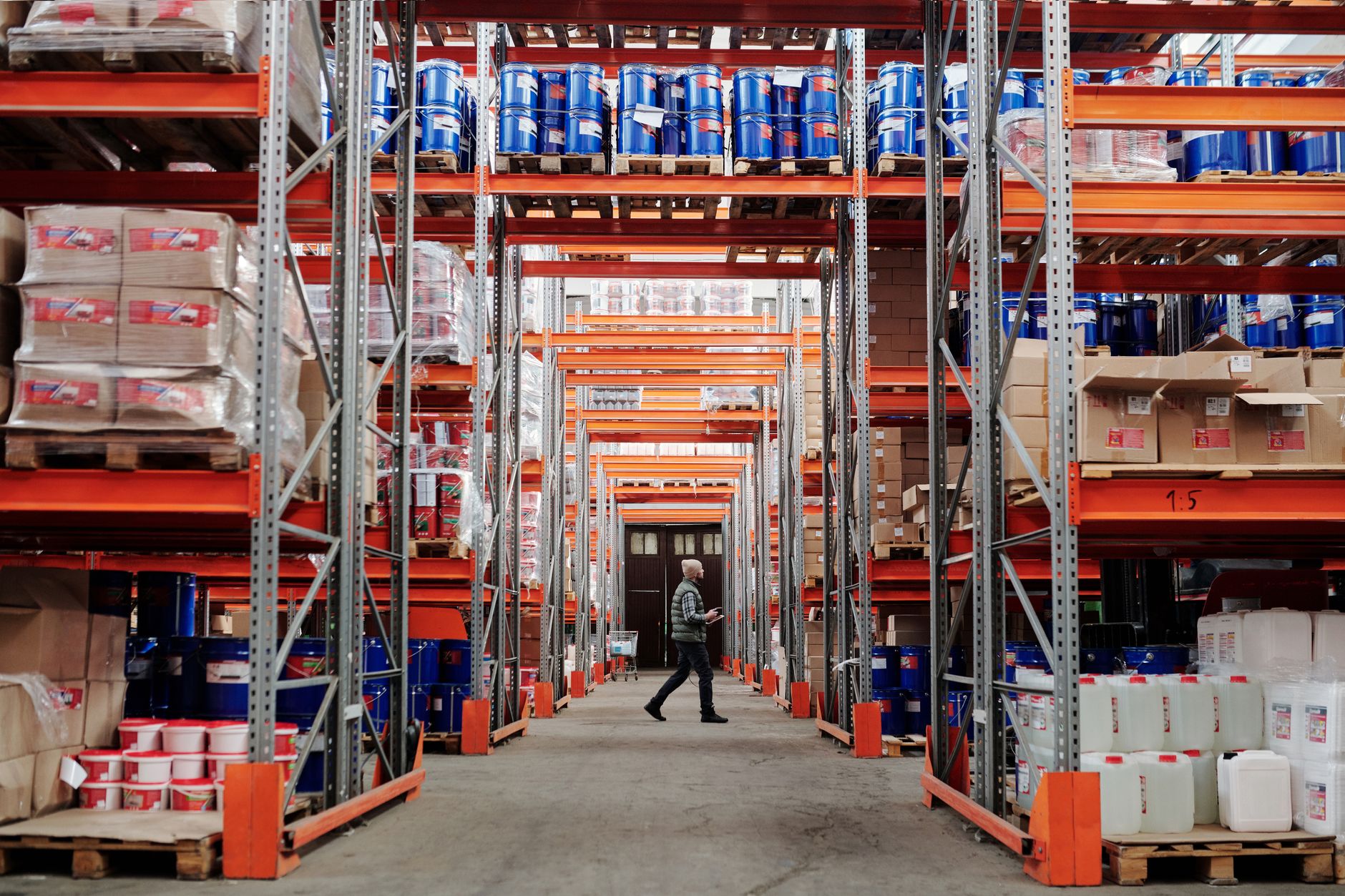
For most wholesale flower markets and floral warehouses, the right first robot is not a generic warehouse machine. It is usually an autonomous floor scrubber or industrial floor scrubbing robot chosen for five things at once: traction on wet concrete, tolerance for leaf and stem debris, safe behavior around rolling carts, stable operation in refrigerated zones, and calm navigation during early-morning rush windows.
That matters because floral floors stay messy in a very specific way. Water drips from buckets and hydration lines. Petals, leaves, sleeves, and stem fragments collect around drains and staging lanes. Buyers and staff move fast before sunrise, often with tall rolling carts that create blind corners. A floor scrubber for warehouses can work here, but only if it is tuned for this exact operating reality.
The practical rule is simple. Buy for the floor you have at 4:30 a.m., not the floor you can show in a quiet afternoon walkthrough. If the robot handles that hour, it will usually handle the rest of the day.
Why does the floral environment punish generic warehouse assumptions?
Flowers ride a cold chain, and the building reflects that. FloraLife's wholesale handling guidance says cut flowers generally belong in a 34 to 38 F cooler with 75 to 85 percent relative humidity. The same guidance says boxes should stay out of refrigeration no more than 20 minutes. Those numbers shape the floor. You get cool rooms, wet transitions, condensation risk, and frequent movement between refrigerated and non-refrigerated zones.
The market rhythm is also different from a standard distribution center. The Los Angeles Flower District lists trade hours as early as 2 a.m. on some days, and the San Francisco Flower Market posts wholesale hours starting at 4 a.m. on Tuesdays and Wednesdays. That means your cleaning window may be narrower than you think, and your robot may need to work around live traffic instead of after everyone leaves.
This is also a meaningful industry to get right. USDA's 2024 Census of Horticultural Specialties put total U.S. cut flower sales at 467.5 million dollars, with 373.4 million dollars of that at wholesale. In other words, this is a real operating segment with real volume, not an edge case.
What should the robot handle on wet floors and drain lines?
Wet-floor behavior is the first pass or fail test. OSHA requires workroom floors to be kept clean and, to the extent feasible, in a dry condition. It also says walking-working surfaces must be kept free of hazards from leaks and spills. In a flower market, that is not abstract compliance language. It is daily operating reality.
A robot floor cleaning machine for this setting needs predictable traction, conservative turning on damp concrete, and recovery performance that does not leave a film behind. It should also deal well with shallow puddling near hydration areas and with repeated starts and stops on slick patches. If it glides beautifully on a dry demo floor but struggles when the floor is glossy with bucket splash, it is the wrong machine.
Drain zones matter more than many buyers expect. Floralife's wholesaler guidance specifically warns that cooler floor drains accumulate plant debris and can become a source of botrytis. That means the robot's route should treat drains, corners, and the perimeter of prep stations as priority soil zones, not as leftover edges.
- Prioritize wet-traction stability over top speed.
- Ask for proof of recovery performance on damp concrete, not just dry polished slabs.
- Map drain approaches carefully so the robot does not smear organics past the grate.
- Plan one daytime touch-up route for hydration and prep areas if overnight cleaning alone leaves residue.
How much does leaf and stem debris change the spec?
More than most buyers think. A floral floor is not dirty in the same way as a pallet warehouse. The debris is light, stringy, and wet. Petals can plaster onto a surface. Leaves can clog edges. Stem offcuts can wrap, drag, or collect where water already pools. Plastic sleeves add another nuisance layer because they slide, bunch, and snag in awkward places.
That changes what good looks like in a commercial robot cleaner. The machine needs a debris path and edge-cleaning behavior that can cope with organic material without constant babysitting. It also needs a service plan that assumes cleanup around squeegees, brushes, and recovery areas will be routine, especially during holiday peaks.
This is one reason a commercial cleaning robot rental or floor scrubber monthly lease can be attractive. If your volume spikes around major floral holidays, you care less about owning the asset forever and more about maintenance included, quick consumables support, and a backup plan when debris loads get ugly.
Can a robot move safely around rolling carts and pre-dawn buyers?
Yes, but only if you spec for mixed traffic from the start. OSHA's powered industrial truck standard requires training that covers pedestrian traffic, narrow aisles, surface conditions, and other workplace hazards that affect safe operation. A floral robot program should be held to the same seriousness, because the problem is the same even if the vehicle is different. People, carts, dollies, and forklifts all share space.
A flower market adds unusual visibility problems. Tall rolling carts behave like moving walls. Cross-aisle views disappear. Buyers stop suddenly to inspect product. Carts are parked halfway out of a stall, then pulled back in. The right robot in this setting is not the one with the most aggressive path speed. It is the one that yields early, reroutes cleanly, and does not turn every pause into a human rescue event.
That is why live-hour testing matters. A robot that performs well in an empty aisle can still fail when ten carts are nose-out at once and the traffic pattern shifts every thirty seconds. For this niche, navigation manners matter as much as scrub deck width.
- Run the site survey during active market traffic, not after close.
- Measure true pinch points with carts staged where they usually sit.
- Set low-speed rules near vendor fronts, cooler doors, and staging lanes.
- Treat forklifts and buyer carts as separate traffic classes during route design.
What changes in coolers and refrigerated work zones?
Cold areas change both robot behavior and operating economics. FloraLife recommends keeping many cut flowers near 34 F, and its guidance warns that temperature swings create condensation and promote botrytis. So the robot is not just entering a cold room. It is moving through a moisture cycle that can affect traction, sensors, and drying performance.
The energy side matters too. The U.S. Department of Energy's Alternative Fuels Data Center notes that extreme cold and heating or cooling loads affect battery-powered fleet range. The point carries over to commercial robots. If a machine spends real time in refrigerated zones, assume runtime and charge planning need to be validated on your site, not guessed from brochure numbers.
Good practice is to define the route by thermal zone. Cooler loops, dock loops, and ambient-floor loops often need different schedules and possibly different charging behavior. A machine that is perfect for the sales floor may still be the wrong pick for the cooler corridor.

When does financing or rental make more sense than buying?
Floral operations often live with sharp peaks around holidays, weather events, and wedding seasons. That makes flexibility valuable. A robot leasing for business structure, a robot rental monthly program, or a robot as a service agreement can fit better than a straight purchase when labor pressure is seasonal but floor standards are year-round.
The real question is not only robot leasing vs buying. It is who owns uptime. In this environment, downtime during a holiday run hurts more than downtime in a slower month. So buyers should care about emergency response nationwide, remote triage, loaner units, and on-site dispatch more than abstract ownership pride.
Service Robot Co. is useful here because the company is an OEM-neutral robot integrator for U.S. businesses. Instead of forcing one manufacturer's machine into every floral site, it can match the robot that fits your floor, then handle financing, robot deployment and integration, training, and service through a nationwide U.S. engineer network. One partner, one number, across the full lifecycle.
What should a floral operator ask for in a pilot?
Keep the pilot narrow and unforgiving. Test the worst aisle, the wettest transition, the messiest prep edge, and the busiest morning window. If the robot only succeeds on a clean central lane, the pilot taught you nothing.
Ask the operator running the pilot to track three things closely: missed debris along edges, traffic-related pauses, and how the floor looks one hour after the route finishes. Floral floors often look fine at handoff and worse later if residue was smeared instead of recovered.
Service Robot Co. can help structure that pilot the right way because a vendor neutral robot integrator has no reason to protect a bad fit. The goal should be a free site assessment, realistic route design, and proof that the machine survives your actual floor, not a polished demo that avoids the hard zones.
- Pilot during a live pre-dawn shift at least once.
- Include cooler approaches, drain edges, vendor fronts, and cart choke points.
- Log human interventions per route, not just total area covered.
- Check what maintenance the staff had to do between runs.
- Define pass or fail before the pilot starts.
The buying rule for floral floors
The best robot for a wholesale floral market floor is usually a cleaning robot, not a general-purpose warehouse gadget, but only if it is selected for floral conditions rather than generic warehouse language. The core requirements are simple to name and hard to fake: wet traction, organic debris tolerance, careful mixed-traffic behavior, and proven work in cold transitions.
If you are comparing a warehouse cleaning robot rental, an autonomous floor scrubber rental, or a long-term purchase, do not let the conversation stay generic. Walk the site at the hour your floor is hardest. Watch where water gathers. Watch where leaves collect. Watch how carts block sightlines. Then pick the machine that handles that reality with the least drama. That is the right robot.