Key takeaways
- Transport and logistics was the largest professional service robot application in 2025, according to IFR data as reported by trade press.
- IFR counted 117,500 professional service robots in that segment, up 21 percent year on year, a 47 percent share of professional service robot shipments.
- The 47 percent covers professional service robots only, not every robot sold.
- Let your own material flow records pick the first lane, not the headline ranking.
- Test one measured lane with clear pass criteria before adding more units.
What did transport and logistics lead in 2025?
Transport and logistics was the largest professional service robot application in 2025, according to IFR data as reported by trade press. The federation counted 117,500 professional service robots for the segment, up 21 percent year on year, which gave it a 47 percent share of professional service robot shipments. Those are the headline facts, and they are worth repeating exactly as IFR framed them.
Hospitality came second at 14 percent and professional cleaning third at 12 percent in the same reporting. A ranking like this shows where the market has the most installed practice, meaning the most vendors, integrators and service engineers with direct experience in that work. It does not show that your building needs a transport robot.
For a first robot, the narrower question matters more. The narrower question is which repeated move in your building is measurable, predictable and inexpensive to get wrong during a trial. Answer that with your own records, then pick one lane to test.
How much of the market does the 47 percent cover?
The 47 percent applies to professional service robots only, not to every robot sold. IFR's service robot figures come from a supplier survey covering 238 producers out of 1,001 manufacturers, and the results are not projected to the whole industry. Overall professional service robot shipments rose about 24 percent to nearly 250,000 units in 2025, per IFR as reported by Supply Chain Digital.
Two cautions follow. IFR warns against comparing figures across different reports, because the composition of the survey sample can change from one edition to the next. When you cite the segment, use the professional service robot wording, since 47 percent of all robots would be a different and unsupported claim.
Why does transport lead the professional service count?
Transport work is repetitive by nature. The same pallet, tote or cart travels between the same points many times a shift, and the route can be mapped once and run again. That regularity gives a first deployment a baseline, because a lane with a clear start, a clear end and a known load can be measured before and after a robot joins it.
The category should follow the load. Autonomous mobile robots suit moves of totes, carts and light pallets across open floors, and that is often where a warehouse robot lease conversation starts. Heavier pallets, longer lifts and fork work point toward autonomous forklifts or pallet movers. Neither category is a universal answer, and a provider who starts with the robot instead of the load has the order backwards.
Lanes that often make a short list for a first unit include the following. None of them qualifies on its own. Each one needs the measurements in the next section before it earns a robot.
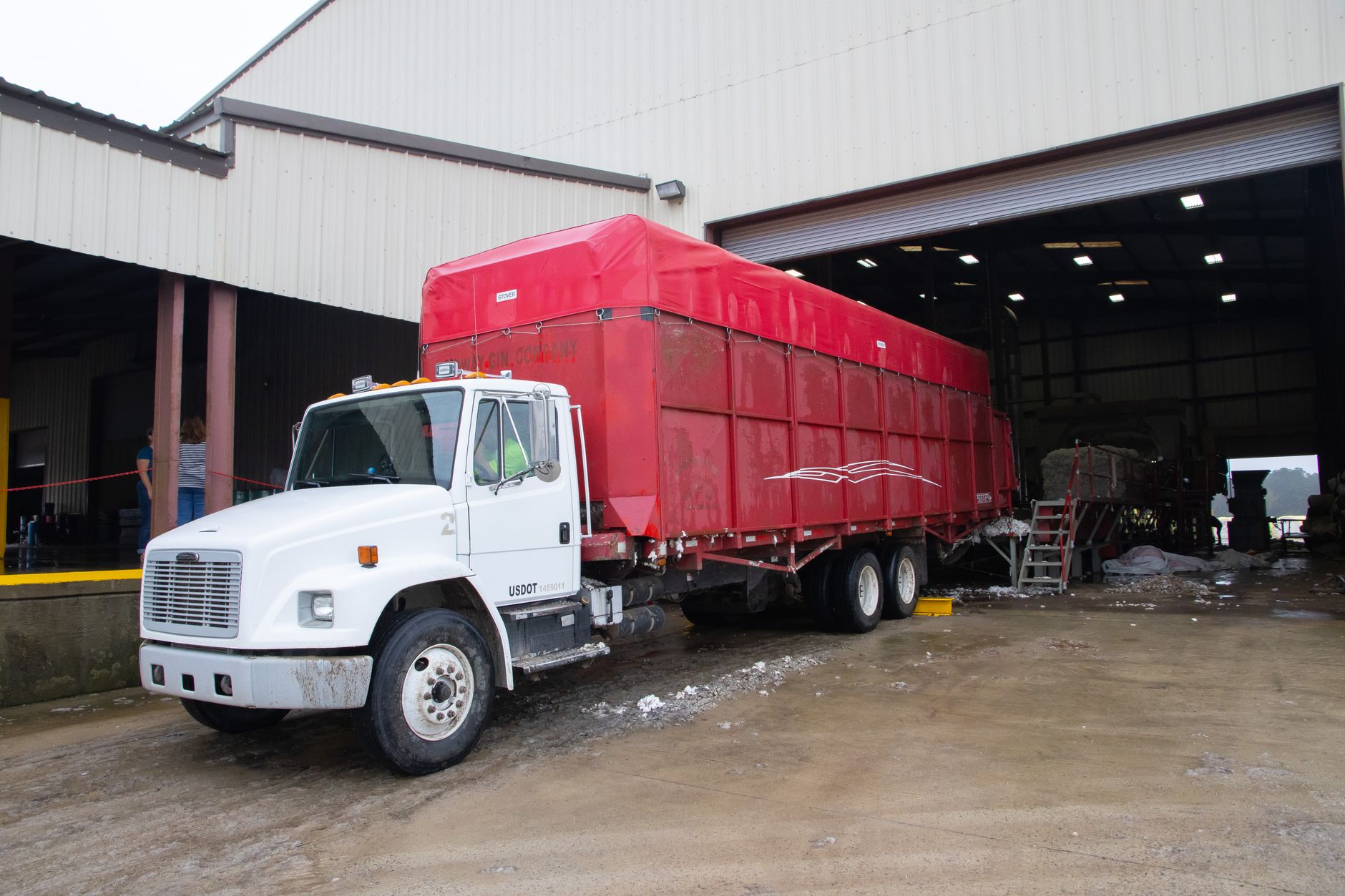
- Receiving dock to staging or cold room
- Picking zone to packing station
- Empty pallet and cart returns back to the dock or yard
- Finished goods from line end to wrap or palletizing
Which material flows should you check before picking a task?
Before any provider conversation, write down every recurring move in the building and treat each one as a candidate lane. Then test every candidate against the same short set of checks, so the comparison stays fair and the notes stay readable a month later.
A week of logs that covers normal and peak days is more reliable than a single observation. One busy Tuesday can make a lane look like a bottleneck, and one quiet Sunday can hide it.
- Trips per shift, split into peak and quiet windows
- Route length, plus any single door, shared elevator or blind corner on the path
- Load type and rough weight range, whether pallet, tote or cart
- Handoff points where a person must load, unload or confirm
- Idle minutes between trips, which show whether one unit could cover the lane
How do you run these checks without outside help?
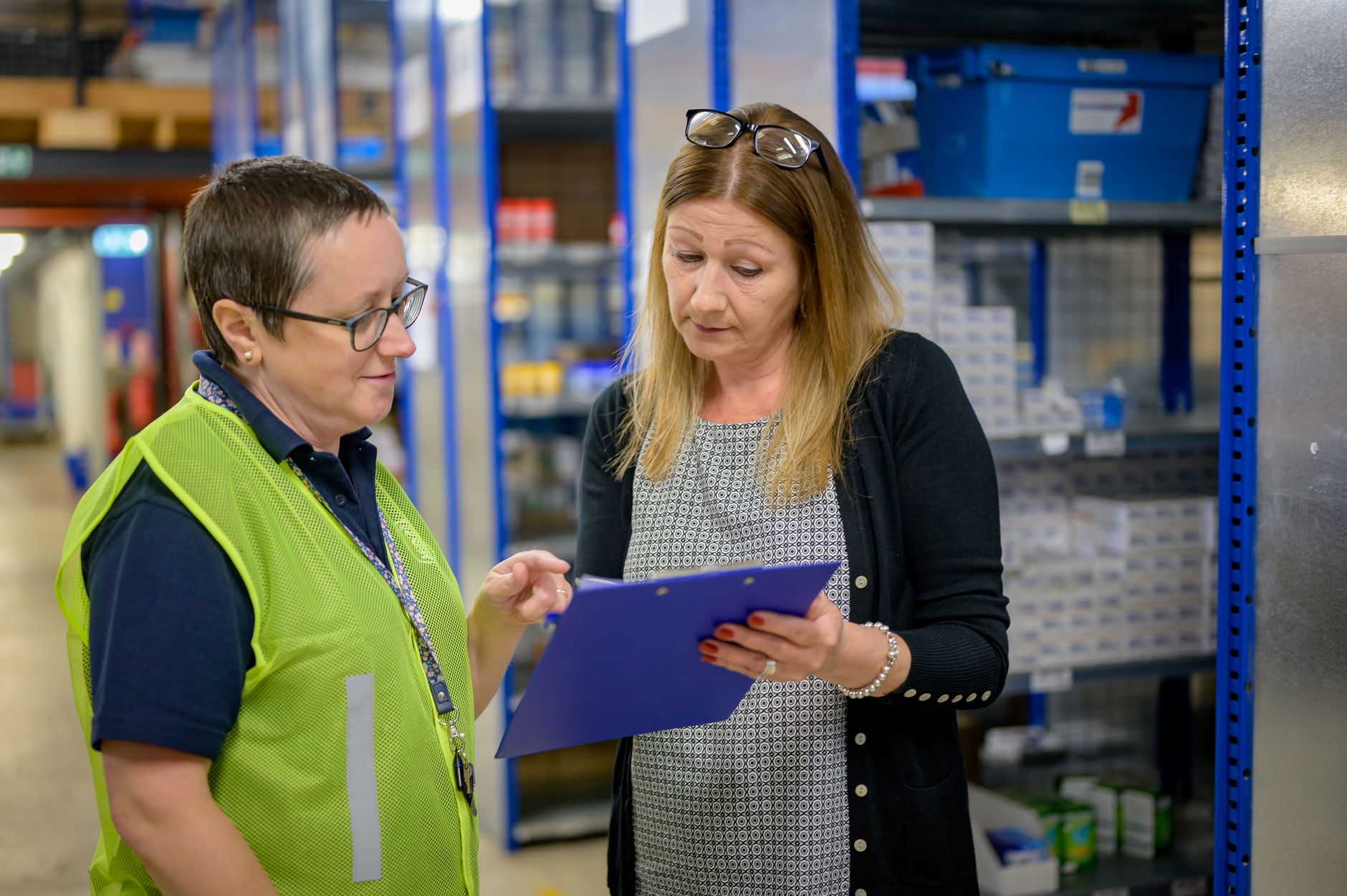
A clipboard and a timer handle the first pass. Have a supervisor record start time, end time, load and any delay for each move on the candidate lane, then total the results by shift. Compare the busiest hour with the quietest, because a lane that runs hot at seven in the morning may sit nearly empty by midday.
Pay attention to moves that take the most staff attention for the least value, such as long walks with light loads. Those are often the strongest candidates. Flag any route that depends on one door, a shared elevator or a crossing with forklift traffic, since those points decide whether a unit can run without someone standing nearby.
Keep the log in whatever format your team already reads. A spreadsheet that people actually update beats a detailed system that nobody opens.
What should a first transport pilot prove?
A first pilot should answer three things. It should show whether the unit finished the lane without staff intervention, how many exceptions came up per shift and how long each took to clear, and whether the people who used to run those moves got time back for work that needs judgment.
Set those criteria before the unit arrives. A pilot on one lane, one unit and one measured week is small enough to stop if the logs disagree with the expectations, and large enough to show whether the route deserves more units. Extend only after the records show the lane behaving the way the expectations predicted.
Where Service Robot Co. fits in the first step
Service Robot Co. is a full service commercial robot integrator for US businesses. We are OEM neutral, so we select the right robots across manufacturers for the lane your records support, then deploy, integrate, train and service each unit through a nationwide US engineer network. You work with one vendor across the whole lifecycle rather than a string of separate contractors.
Customers receive robots through a lease with a lease term of three years and one fixed lease payment quoted after a site assessment. That assessment is where the flow checks in this article become a route map and a lease quote, so rough logs are still useful. Anyone comparing robot lease options for transport work should ask each provider to show how its quote traces back to the lanes it measured.
Frequently asked questions
Want a robot working for you?
Tell us the job and the site. We will recommend the robot, quote the lease, and keep it serviced.