Key takeaways
- Transport and logistics was the largest professional service robot category in 2025, at 117,500 units.
- That volume rose 21% and represented roughly 47% of professional service robot sales, per IFR.
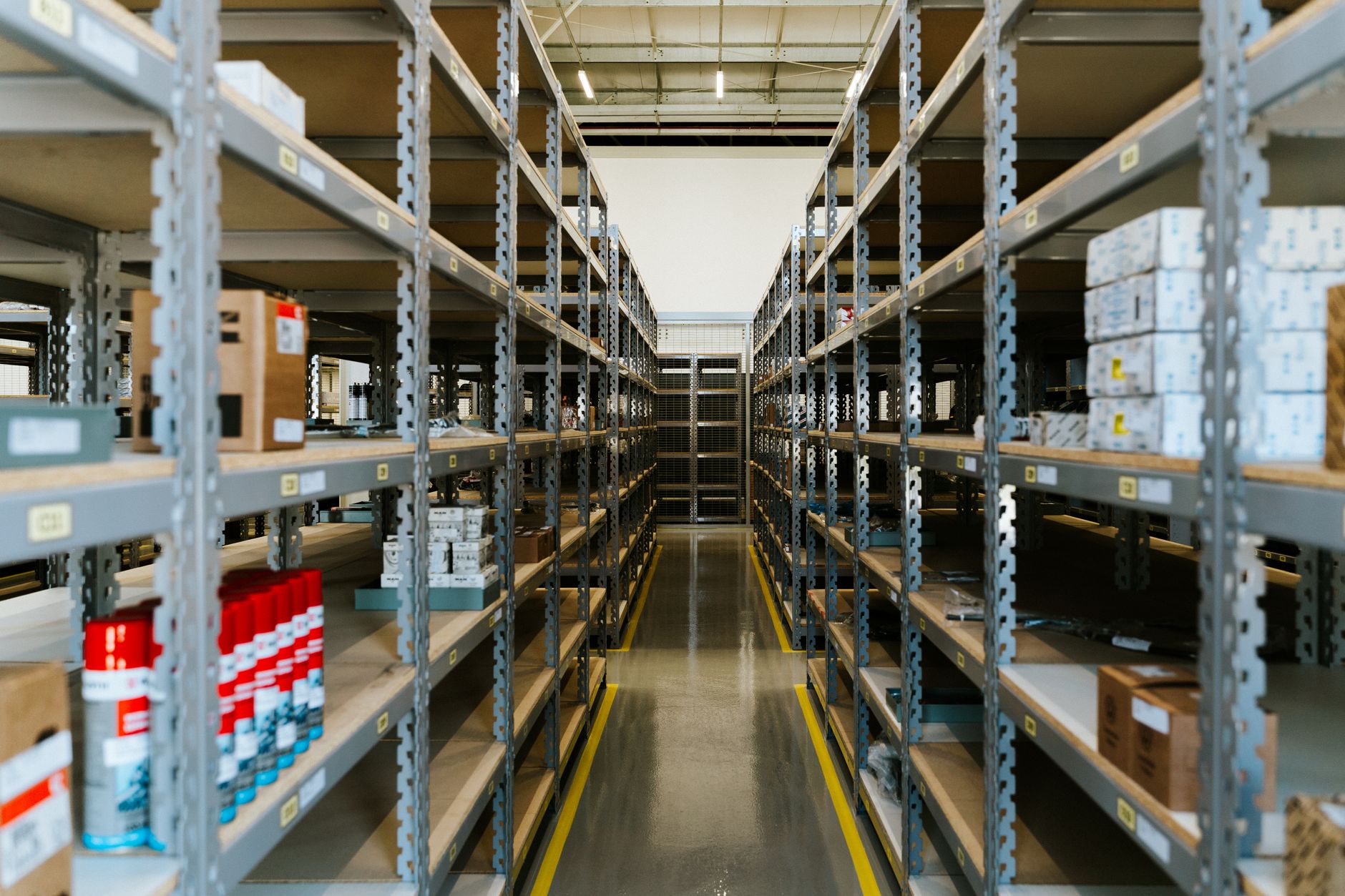
- The category centers on moving goods and automating material flows and delivery processes.
- The figures come from a 238 producer supplier survey, so read the share as a signal, not a census.
- A single site should map its own transport hours before choosing a first robot.
What did transport robots do in 2025?
According to the International Federation of Robotics, transport and logistics was the largest professional service robot category in 2025. It sold 117,500 units, up 21%, and accounted for roughly 47% of professional service robot sales. These figures come from IFR's World Robotics 2026 Service Robots report as summarized by trade press.
IFR's press release headline rounds the unit count to 117,000, while the body text gives 117,500. Quote the body figure. For a single site operator, the total matters less than the specific jobs underneath it.
Which transport tasks drive that share?
IFR describes transport and logistics robots as primarily used to move goods and automate material flows and delivery processes. In practice, that covers a few recurring jobs that most single sites will recognize.
- Pallet and tote moves between receiving, storage and picking areas
- Cart and cage pulls along fixed routes between a dock and the floor
- Delivery runs for supplies, specimens or linens between departments in one building
How much weight does the survey carry?
The figures come from a supplier survey: a sample of 238 producers drawn from a pool of 1,001 manufacturers. IFR does not project its totals to the whole industry, so 117,500 units is what respondents reported, not a complete market count.
Two more cautions apply. The 47% share covers professional service robots only, not every robot in use. IFR also warns against comparing figures across reports, because sample composition can change. This article relies on trade press summaries rather than the full IFR document, so check the primary source before quoting it in a board paper.
What should a single site measure before choosing a robot?
Start with your own transport hours, not the market's. Log how many trips a shift makes between two fixed points, how long each trip takes, and how often the route changes. Those three numbers show whether a robot fits a repeatable lane or only a one time errand.
Then check the physical path. Floor condition, door widths, elevator access, dock height and foot traffic from people and forklifts all decide whether a robot can run unattended. A first unit belongs on the cleanest, most repetitive lane you have, not the most chaotic one.
How do you match a first robot to one lane?
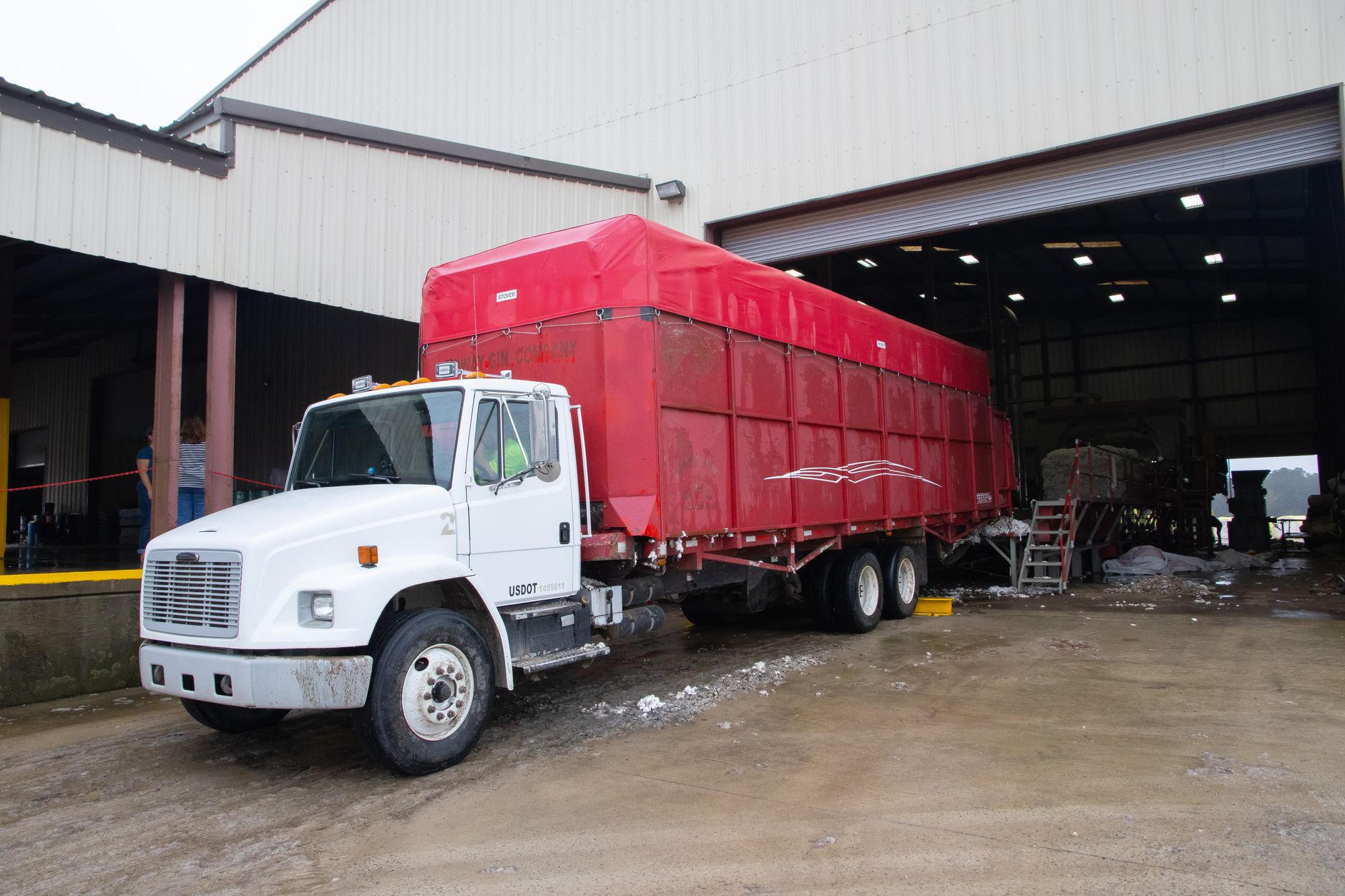
Choosing a pallet transport robot or an AMR for one lane is a fit question, not a brand question. Service Robot Co. works OEM neutral, so the robot follows the route rather than a single catalog. A site assessment maps the lane, the floor and the charging point, and we quote one fixed robot lease payment after that assessment, on a lease running three years.
We handle deployment, integration, training and service through a nationwide US engineer network, so the site works with one partner and one number. Starting with one leased unit keeps the first commitment small while route data builds up. For many operators, that is a practical way into warehouse robot lease planning and material handling robot leasing.
Frequently asked questions
Want a robot working for you?
Tell us the job and the site. We will recommend the robot, quote the lease, and keep it serviced.