Key takeaways
- An empty mower seat is a capacity limit, not just a hiring headache.
- Vendor-reported contractor survey data ranks labor as a top concern, with wage pressure and pay gaps between crews.
- Every route you cannot staff is a bid you may have to decline or serve late.
- Robotic mowing on suitable open turf can return crew hours to edging, trimming and renewal work.
- Count your own route hours before deciding how to fill the gap.
Why does an empty mower seat cost you a contract?
An open seat on a mowing crew looks like a small staffing gap. In practice it is a ceiling. When no one is available to run a mower on a given day, the route either waits, shrinks or drops off the calendar, and the account manager has to tell a prospect no. The bid you lose is rarely the one you could not price. It is the one you could not staff.
Contractors feel this most every spring, when new routes arrive and hiring is hardest. Robotic mowing on suitable open turf can take some of those passes off the crew, which frees people for the detail work that keeps renewals. It does not replace the people who manage the account.
What does the labor survey data say about crew pressure?
Aspire's 2026 Commercial Landscape Industry Report, built on a Thrive Analytics survey of 1,015 commercial landscape contractors fielded May 2 to May 23, 2025, ranks labor as a top concern. The figures are vendor-reported, so read them as one contractor-side snapshot rather than an independent national count.
According to coverage of the same release, 70% of respondents planned to raise wages, and 44% planned increases of 4% or more. The release copies also describe maintenance and construction pay gaps of often $4 to $5 an hour, which they tie to strain on recruiting and retention. That gap is exactly where a maintenance seat becomes hard to fill.
The same report found that 79% of contractors name revenue growth as their top goal and 71% name acquiring new customers. Growth goals and a shortage of mower operators pull in opposite directions, and the crew calendar usually settles the argument first.
How does crew capacity cap growth when demand is already there?
Demand rarely runs out first. A landscaping company can have more prospects than it can serve, because every route needs a person on it for a set number of hours. Crew hours are a fixed weekly budget. Add a route and you spend hours that were already committed to other accounts.
Think of the crew calendar as a grid of seats. Each open seat carries a route, a mowing window and a client expectation. If the window closes before a replacement starts, the account manager can decline the bid, accept it and risk a late cut, or stretch the existing crew until quality slips. The third option is the most dangerous, because its cost tends to show up at renewal time.
Spring makes the pressure worse. New routes often arrive together, while the crew is already stretched by cleanups and first cuts. The seat goes missing exactly when the new contracts are starting.
Where do mowing crew hours actually go?
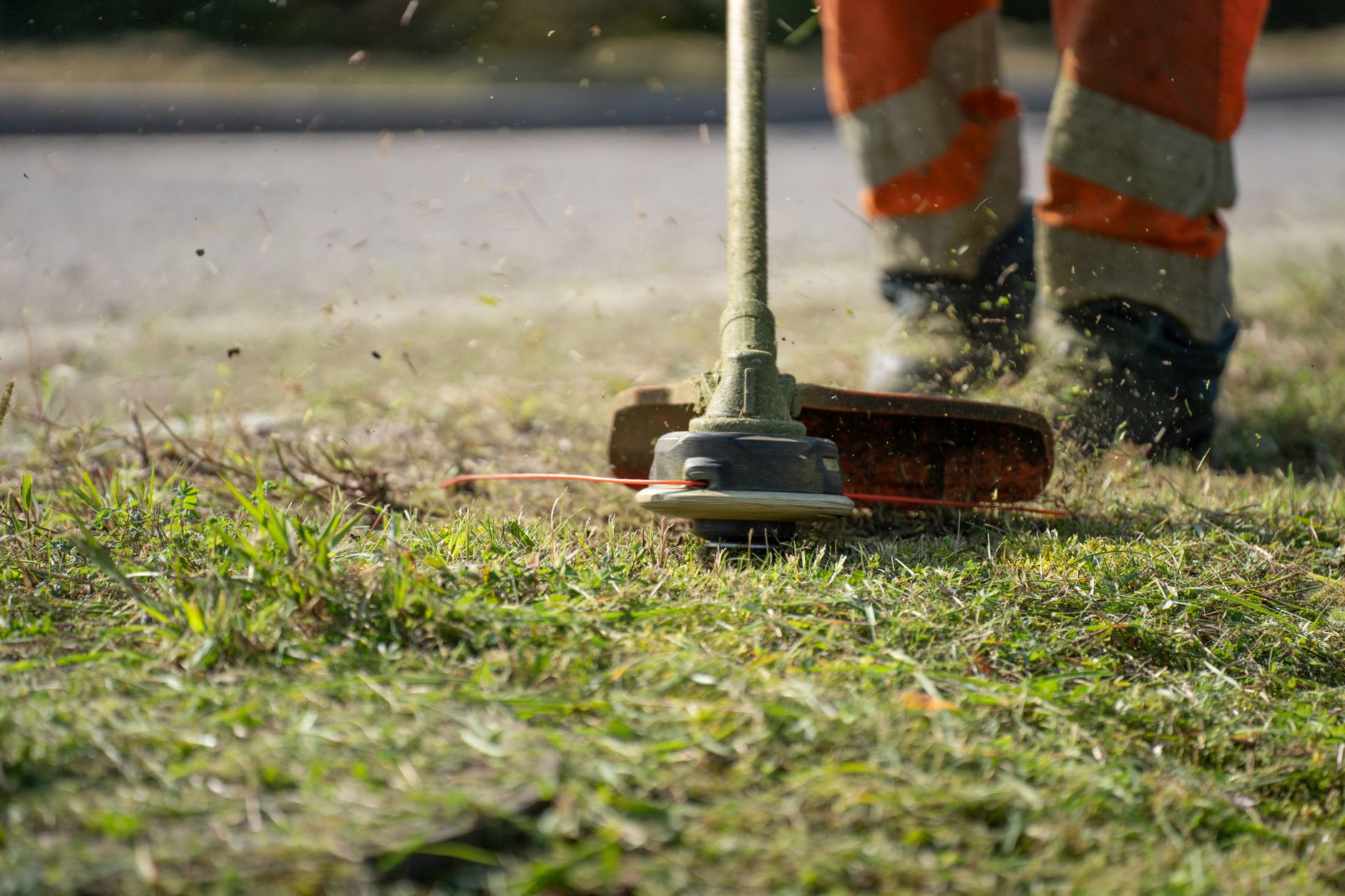
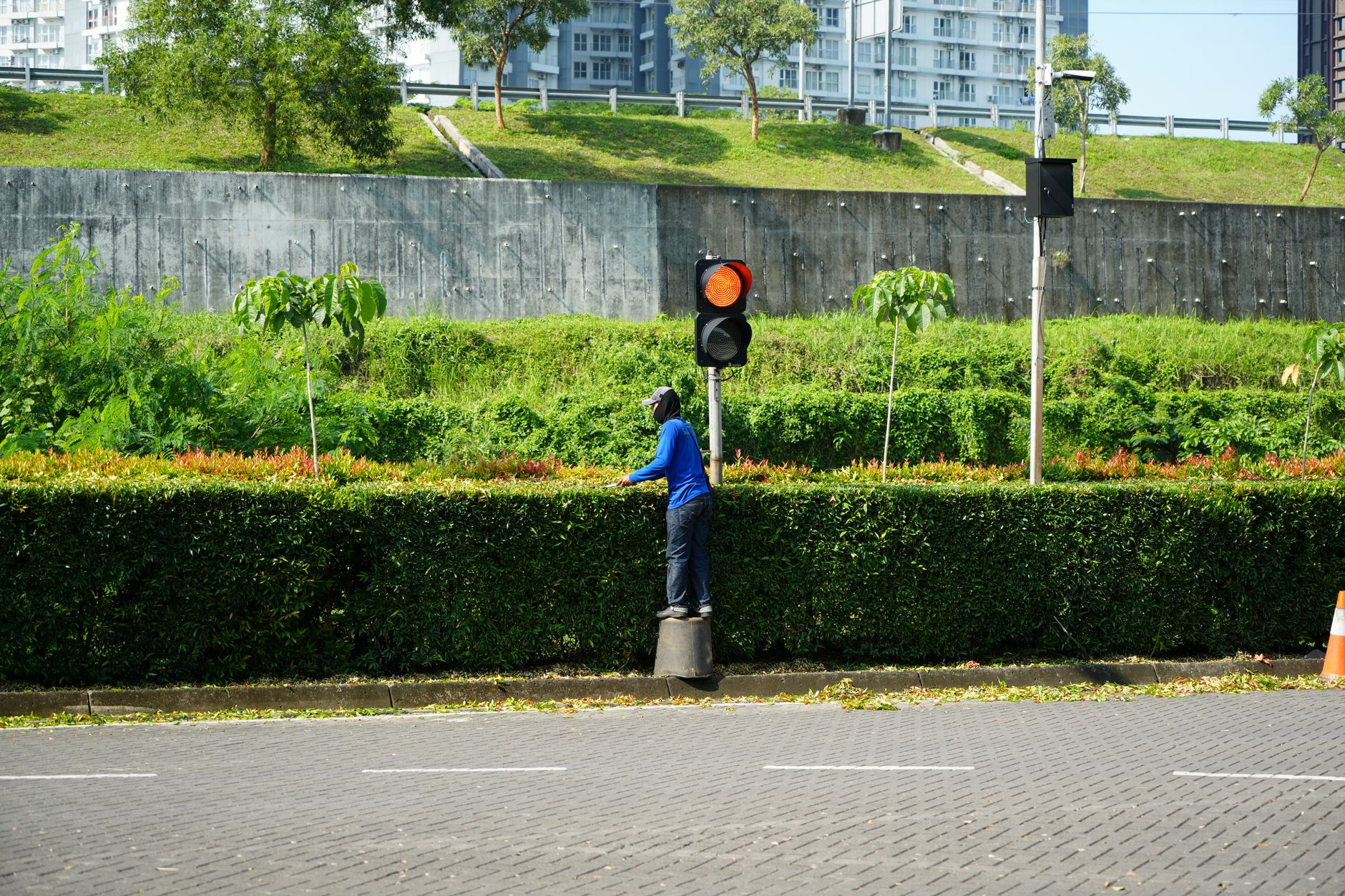
Mowing is only part of a route. Crews also spend time on trimming, edging, blowing off hard surfaces, loading and hauling equipment, and driving between sites. When a seat sits empty, those tasks often slide too, because the remaining crew has to move the mower before anything else can happen.
Robotic mowers do not remove the rest of the route. They can carry the passes on open, mappable turf while crew members stay on the edges, beds and client details that clients actually see. The gain is not a headline number, and this article does not claim one. It is the difference between a route that needs a second person on the mower and one where that person is free for finishing work.
Which turf suits a robotic mower, and which does not?
Open lawns with clear boundaries, manageable slopes and few tight obstacles are the strongest candidates. Lots with many islands, heavy tree cover, tight gates or wet low spots need more checking before anyone commits. A site walk shows where the mower can run, where a crew must still work by hand, and where a boundary or lane change is needed.
Service Robot Co. is an OEM-neutral integrator, so we choose the robot for the site rather than starting from one manufacturer's catalog. We run a site assessment, map the turf, and then provide a lease quote. Our service engineers are based regionally in every state we service, and our RoboCare service plan covers each unit after go-live.
What should crew leads do with the hours that come back?
Renewals are usually won on finish quality. Stripes that hold, edges that look sharp and clean hard surfaces matter more to a property manager than the fact that a mower ran the middle. If the freed hours go into those details, the crew protects accounts it already has.
Assign the time to specific work: edging on the most visible beds, a supervised check after each robot pass, and a walk with the client before the next cut. Those tasks give the crew lead something concrete to show at a renewal visit, and they keep the crew's own skills in use.

How do you prove a freed seat wins more bids?
Start with your own timecards. Log route hours by property for two or three weeks, mark where the mowing passes sit in the day, and list the bids you declined last spring for lack of crew. That list is your business case, and it needs no outside number.
Then pilot one property with clear open turf. Run it through a full mowing cycle, record the supervision time, and compare finish quality with the same property from the prior season. A pilot tells you more than a brochure, and a lease quote after a site assessment keeps the decision tied to the actual lawn.
Frequently asked questions
Want a robot working for you?
Tell us the job and the site. We will recommend the robot, quote the lease, and keep it serviced.