Key takeaways
- A demo proves the mower cuts; only written commitments prove the vendor will support it.
- Ask for response times tied to a named fault, a site and a clock that starts at the call.
- Request a parts list for your exact mower model before you compare any other feature.
- Stability shows in stationed engineers, a continuity clause and service that survives an acquisition.
- Call at least one reference the vendor did not choose, and ask about the slowest fix.
What should a course verify before leasing a robot mower?
A course should check four things before it signs: how quickly the vendor answers a fault, whether parts for that exact mower will arrive in time, whether the company will still be staffed and serving the site through the term, and whether comparable golf courses will say so on the record. Sales material rarely covers those points well. A brochure describes the machine. It says little about what the vendor does with a stalled mower in the middle of July.
Treat each claim as a question that needs a written answer. If a vendor cannot commit a response time, name a parts source or produce a reference list in an email, that gap is information in itself. Vendors with real service operations usually have these answers ready, because their support staff has handled the same questions many times.
The sections below take each check in turn, with the questions to ask and the evidence worth requesting. Use them as a scoring sheet when you compare two or three vendors side by side.
How do you test a vendor's support response times?
A response time claim means little until it is tied to a fault type, a site and a clock. Ask the vendor to define when the clock starts, at the phone call, the ticket or the automated alert, and when it stops, at a technician on site, a remote fix or a spare unit in place. A promise to reply by email is a different commitment from a promise to have the mower cutting again.
Ask how remote triage works. Many faults on a robot mower can be diagnosed or cleared without a truck roll, and the vendor should say what share of issues it handles that way and what triggers a visit. Then ask about on-site dispatch: where technicians are stationed, how weekend and evening calls are staffed, and what happens during tournament week when the course cannot afford a dead machine.
Service Robot Co. runs its leased robots this way, with remote triage first and on-site dispatch through a nationwide US engineer network when a visit is needed. Ask any integrator, including us, to show that commitment in writing rather than on a summary slide.
Can the vendor prove parts access for your exact model?
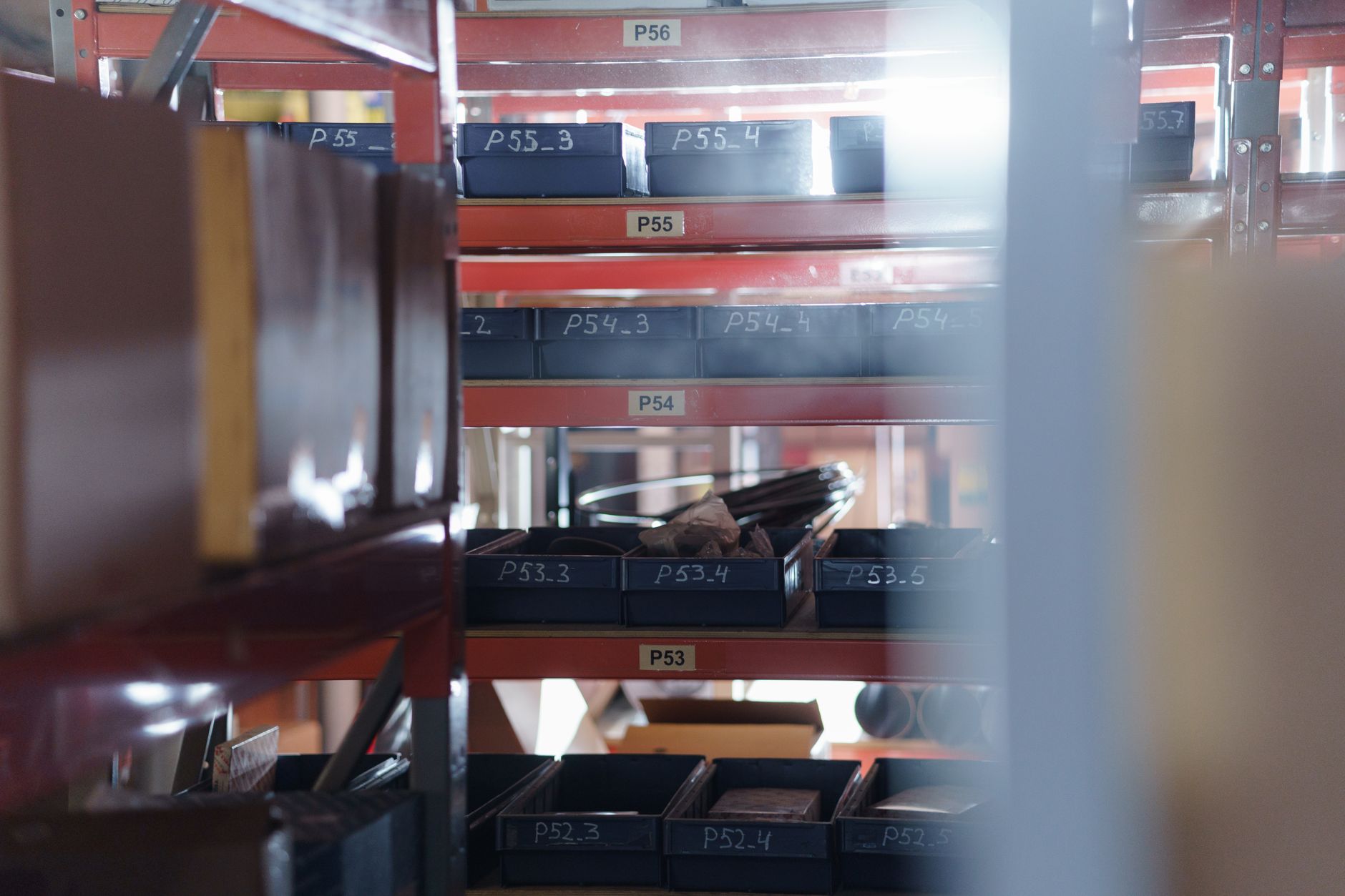
Parts access is where many robot mower arrangements quietly fail. A vendor may service several models while stocking parts for only a few of them. Ask for the parts list that matches your mower model and software version, then ask where those parts are held and which regions they serve. A part sitting in a warehouse several states away is a different promise from one on a shelf within driving distance of your course.
Then ask about the supply chain behind those parts. Who sources a component if the original manufacturer changes it or stops making it? What happens to a mower with a failed drive module while its replacement is in transit? A spare unit keeps the course mowing during repairs, so ask whether spare unit coverage is included in the lease and how quickly it arrives.
- A written parts list for your exact mower model and software version
- Named stock locations, with the regions each one serves
- A stated lead time for the components that fail most often, backed by past dispatch records
- A loaner or spare unit policy that names when it deploys and who handles transport
How do you judge company stability without reading its books?
A course rarely needs a vendor's full financial statements to judge stability, and most courses could not interpret them quickly anyway. Look for signs you can observe. How long has the company serviced robot mowers in the field? How many of those units are still running under service agreements? Are engineers stationed in the regions where your courses sit, or does the company fly technicians in from a distant hub? Has the leadership team stayed in place since the first sales conversation?
Then ask what happens if the vendor changes. What becomes of your leased mower if the company is acquired, drops support for a model or leaves your state? A lease that names who services the mower for the full term, and what happens if that party changes, is easier to defend than a warranty that depends entirely on one company staying in business. Ask for the continuity process in writing.
What do references reveal that a brochure cannot?

Ask for references that match your situation. A golf course with similar acreage and similar traffic is more useful than a residential lawn showcase, and a reference that has run through a hot summer or a wet spring tells you more than one with a single demo season. A demonstration proves the mower can cut. It does not prove the vendor will answer the phone during a stalled mow on a Saturday.
Ask each reference three specific questions: how many service visits the mower needed in its first season, how long the slowest fix took, and whether the vendor kept a promise made during the first problem. Their answers reveal more than a satisfaction score. Ask, too, what they would negotiate differently if they signed again.
Also call at least one reference the vendor did not choose. Vendors naturally offer their happiest accounts, and a conversation with a course the vendor did not nominate fills in what the list leaves out.
What belongs in the lease paperwork before you sign?
Once the vendor clears the evidence tests, move the answers into the contract. Service commitments that exist only on a sales call are hard to enforce. Look for response commitments, parts terms, spare unit terms and the continuity clause described above, written in the same document that states the payment terms.
A lease should also make clear what the quoted figure covers. For Service Robot Co., the offer is a three year lease with one fixed lease payment quoted after a site assessment, so the course knows the figure before the mower arrives. Ask any provider to list what that payment includes, including maintenance, repairs, dispatch, and whether anything changes if the mower moves to a different zone.
Where does a vendor neutral integrator fit in this check?
Some courses prefer a single accountable party for the whole lifecycle: choosing the mower, arranging the lease, deploying it, training the crew and servicing it through the term. Service Robot Co. is a full-service commercial robot integrator for US businesses. It is OEM neutral, so it selects robots across manufacturers, then finances, deploys, integrates, trains and services each unit through its nationwide US engineer network. The course judges one party instead of a manufacturer, a dealer and a separate repair shop.
Neutrality helps only if the evidence holds up. An integrator that does not tie you to one manufacturer's catalog has no reason to push a model that cannot handle your turf, but the course should still demand the same written answers from it. Put the questions in this article to every candidate, including us.

Frequently asked questions
Want a robot working for you?
Tell us the job and the site. We will recommend the robot, quote the lease, and keep it serviced.