Key takeaways
- Mobile robots create repeatable, time-stamped imagery, but qualified people still make rack-safety decisions.
- Every finding needs a precise rack address, comparison image, severity state, and accountable owner.
- Critical visible damage should trigger isolation and human review, not wait for the next scheduled scan.
- Maintenance integration matters more than detection alone because an unclosed alert does not reduce risk.
- Low-traffic scanning improves image consistency while reducing interference with warehouse operations.
What does a robotic rack scan actually do?
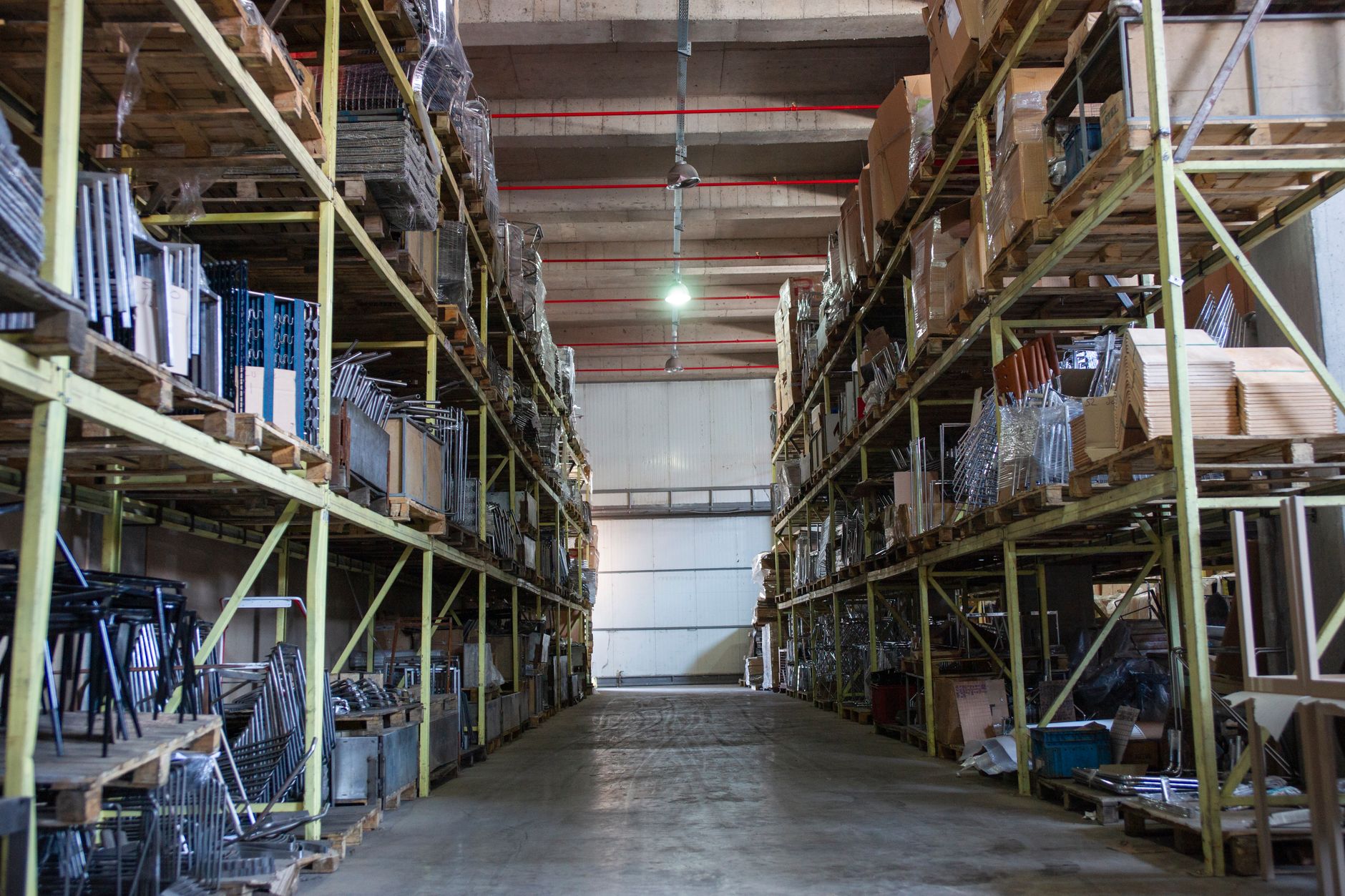
A mobile robot can patrol warehouse aisles during low-traffic periods and collect consistent images of uprights, base plates, anchors, beams, braces, connector locks, guards, and exposed impact points. Software compares each component with prior passes, flags visible change, and assigns the observation to an exact rack location for human review.
The robot does not certify structural integrity. It extends the eyes of the rack-safety team by documenting more locations in the same manner on every pass. Qualified personnel still decide if a bay remains serviceable, needs unloading, or requires evaluation by the rack designer or a structural engineer.
That distinction is vital. OSHA standard 29 CFR 1910.176(b) requires stored material to remain stable and secure against sliding or collapse. A rack scan supplies evidence for that safety process, but it does not transfer the employer's responsibility to a machine or an algorithm.
What should the cameras capture?
A useful inspection route is designed around components, not merely aisles. The payload should capture both rack faces where accessible, the lower impact zone, beam-to-upright connections, frame bracing, end-of-row protection, and higher levels that cannot be judged reliably from the floor. Oblique and straight-on views reveal different defects, so one photograph per bay is rarely enough.
Repeatability matters more than cinematic image quality. Camera height, tilt, distance, exposure, illumination, travel direction, and stopping position should remain consistent. The inspection record should preserve enough context for a reviewer to distinguish actual deformation from glare, stretch wrap, shadows, dirt, or a pallet blocking the component.
- Uprights, including dents, twists, buckles, corrosion, and paint disturbed by impact
- Base plates and anchors, including movement, missing hardware, cracking, or separation
- Load beams, connector locks, welds, and unexpected vertical or lateral displacement
- Horizontal and diagonal bracing, including bends, breaks, and detached connections
- Column guards, barriers, pallet supports, decking, and evidence of a recent vehicle strike
Why run scans during low-traffic periods?
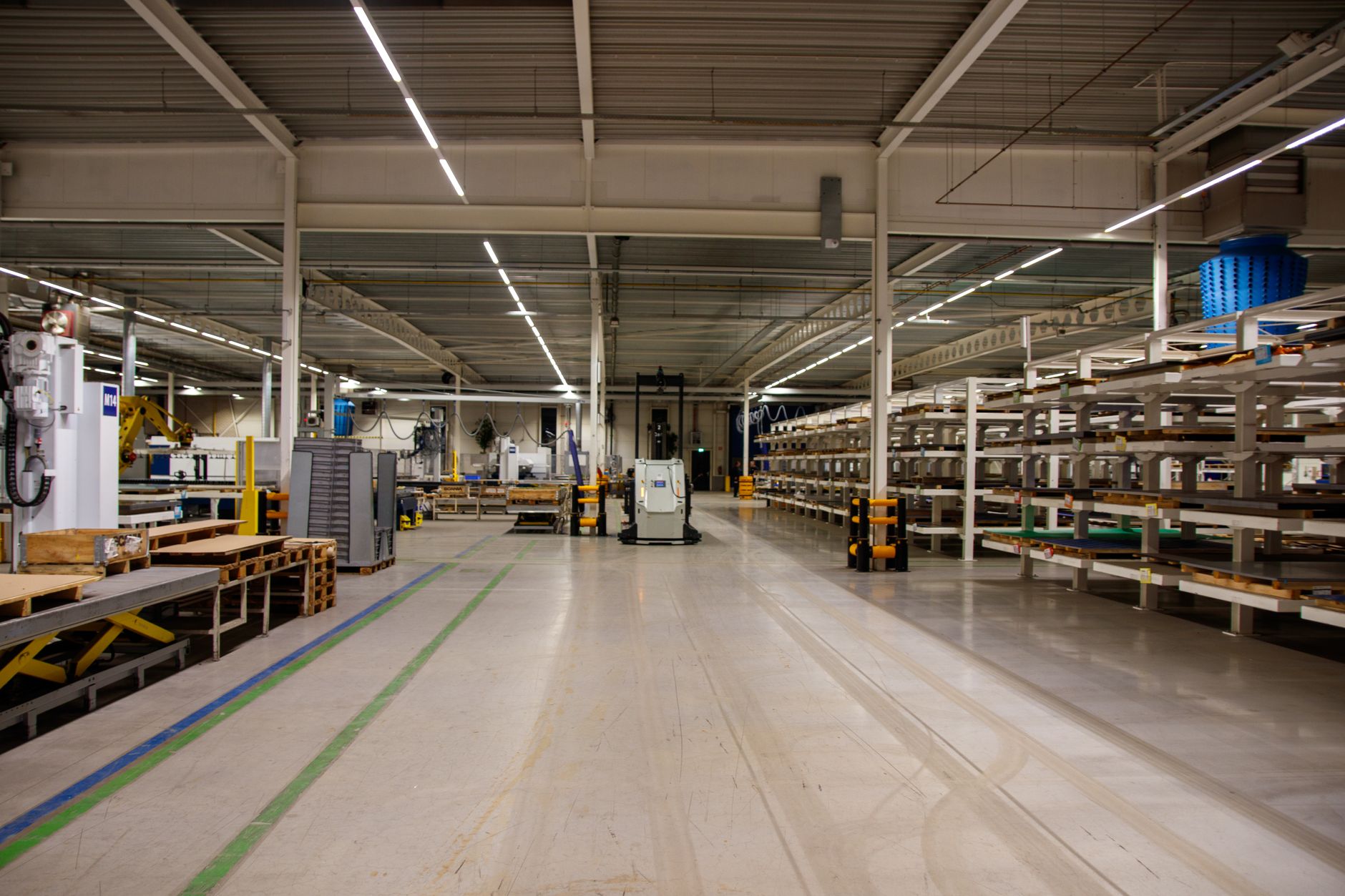
Scanning after a shift change, between operating waves, or inside a controlled inspection window gives the robot a clearer sightline and a more repeatable route. Fewer lift trucks, pickers, and staged pallets mean fewer occlusions. Consistent lighting also makes change detection less prone to false alarms.
Low traffic does not mean ungoverned traffic. The route still needs defined right-of-way rules, speed limits set through the deployment risk assessment, safe behavior at blind intersections, and exclusions around active loading. If an aisle becomes busy or blocked, the robot should pause, reroute, or defer that segment instead of collecting poor evidence.
Scheduled scans also cannot replace immediate reporting after an impact. Anyone who sees a lift truck strike, displaced beam, leaning frame, or other safety concern should report it at once. The next overnight inspection is not an acceptable holding pattern for a known hazard.
How should defect thresholds be set?
Use three gates. The first is an immediate-stop rule for plainly serious conditions, such as a cracked or buckled upright, torn weld, detached brace, displaced beam connection, missing anchor, leaning frame, or impact that has shifted structural steel. The second contains measured limits approved for the installed rack configuration. The third is the software confidence needed to send a possible defect for review.
Do not import a universal dent allowance into the vision model. Rack profile, steel, loading, beam spacing, bracing, seismic design, and prior damage all affect capacity. The Rack Manufacturers Institute identifies ANSI MH16.1-2023 as the current U.S. standard for the design, testing, and use of industrial storage racks, while its 2023 damaged-rack guideline directs owners toward qualified, system-specific assessment.
An OSHA enforcement record provides a deliberately conservative precedent. In a 2018 damaged-rack citation, OSHA referenced industry guidance calling for regular damage inspection and immediate unloading of affected rack after visible damage until repair or replacement. The practical rule is clear: automation may prioritize alerts, but it should never downgrade an obvious structural concern without human confirmation.
Some operators use green, amber, and red workflow states. The United Kingdom's Health and Safety Executive describes green as surveillance, amber as repair as soon as possible, and red as immediate offloading and isolation. It says an unresolved amber condition becomes red after four weeks. That is a useful workflow reference, not a substitute for U.S. law, the rack documentation, or engineering judgment.
How does location tagging make an alert actionable?
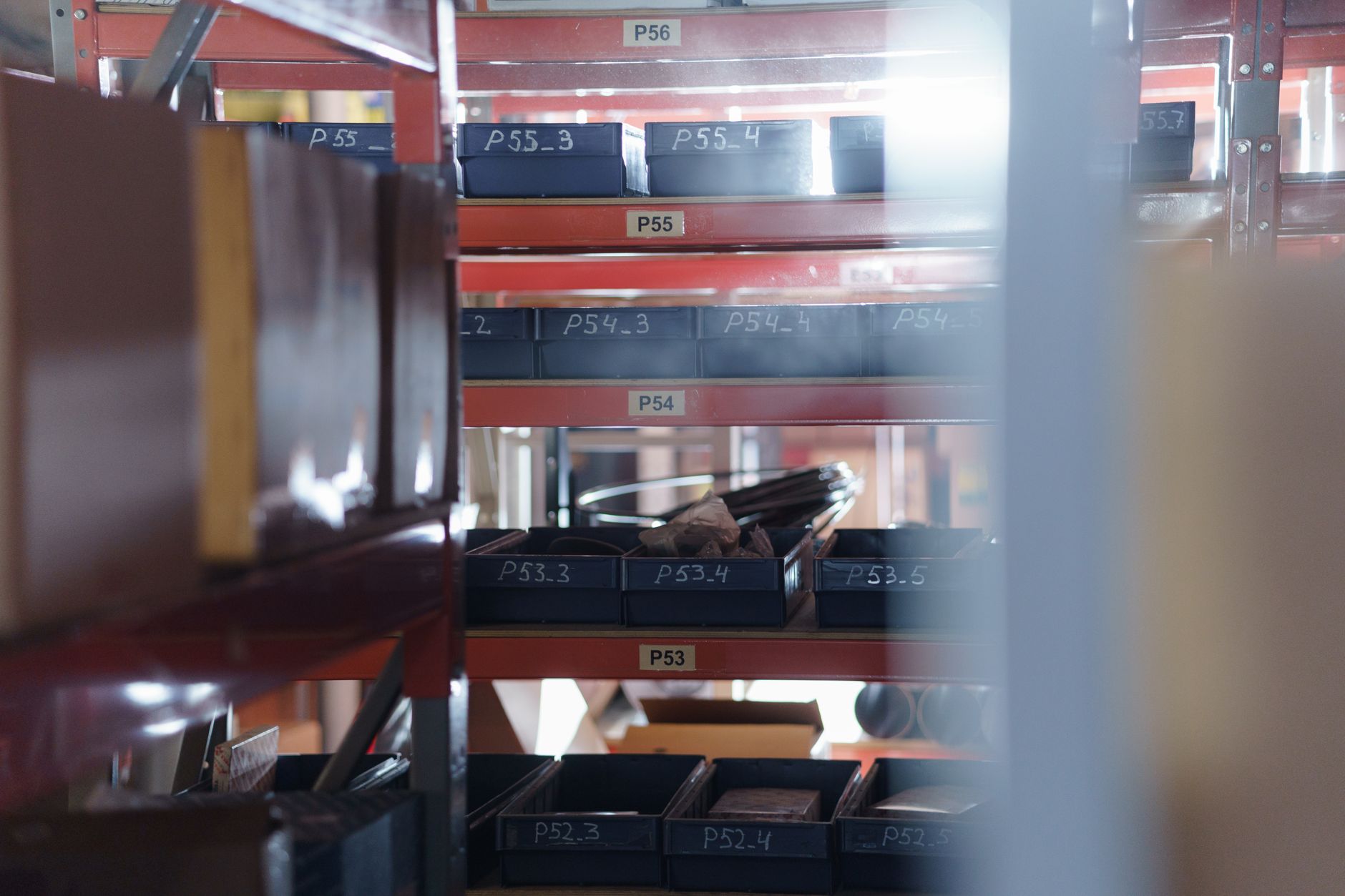
A photograph without an address creates detective work. Give every observation a stable hierarchy such as facility, zone, aisle, side, bay, level, and component. Pair that business address with the robot's map coordinate. A visible rack label, barcode, or fiducial can provide a second check when localization drifts or the layout changes.
The system should retain the current image, a baseline image from the same viewpoint, capture time, route version, camera pose, confidence score, and reason for the alert. That evidence lets a reviewer answer three questions quickly: where is it, what changed, and how certain is the detection?
- Stable rack ID and human-readable location
- Current, previous, and wider context images
- Component type and suspected defect class
- Detection confidence and image-quality warning
- Review status, reviewer, timestamp, and linked work order
Where must a person stay in the loop?
Human confirmation belongs between machine detection and safety disposition. A trained reviewer should reject visual artifacts, confirm the rack address, examine nearby components, and choose the response. Serious findings should go directly to the site's rack-safety owner, with the affected area controlled while its condition is assessed.
The review screen should make disagreement easy. If the algorithm labels corrosion but the reviewer sees torn protective film, that correction becomes training data. If the image is inconclusive, the proper result is reinspect, not pass. A closer manual view, measurement, or engineer review may be required.
This division of labor preserves accountability. The robot performs patient, repetitive observation. People interpret context, measure deformation, control the bay, and authorize return to service. The HSE's warehouse guidance similarly separates immediate reporting, regular visual checks, and expert inspection by a competent person.
How should findings become maintenance tickets?
Rack scans create value only when observations enter the maintenance system with owners and deadlines. Connect the inspection platform to the facility's computerized maintenance management system through an API, webhook, or controlled import. The ticket should inherit the rack address, severity, images, reviewer notes, required controls, and responsible trade.
Deduplicate before opening work. Several images of one struck upright should produce one case with multiple attachments, not a storm of alerts. Repeated observations should update the existing case and show progression. Closing the repair task should require repair evidence, a post-work image, and approval from the person authorized to release the rack.
- Detected: the machine has found a review candidate
- Confirmed: a person has validated the component and condition
- Controlled: the bay has been isolated or otherwise made safe when required
- Assigned: an approved repair or engineering action has an owner
- Verified: corrective work and return-to-service approval are documented
How should a warehouse pilot the inspection route?
Start with a representative zone containing ordinary bays, end-of-row guards, known cosmetic marks, and several controlled examples of reportable damage. Measure route coverage, usable-image rate, location accuracy, detection of the known examples, false-positive review time, and the percentage of confirmed findings that reach a closed ticket.
A commercial robot pilot program should test the whole operating loop, not just camera performance. Include site assessment mapping, traffic rules, charging, network loss, blocked aisles, lighting changes, reviewer workload, escalation, and CMMS integration. Run enough operating cycles to expose recurring obstructions and shift-specific conditions.
Service Robot Co. can manage that robot deployment and integration as an OEM-neutral robot integrator for warehouses. The team selects equipment across manufacturers, arranges financing or an inspection robot lease structure, deploys the system, trains staff, integrates ticketing, and services every unit through a nationwide U.S. engineer network. That gives the warehouse one partner and one number across the full lifecycle instead of separate contacts for hardware, software, financing, and field support.