Key takeaways
- Leave a deliberate buffer between mowed turf and the bank, and draw that line before the first run.
- USGA calls riparian buffers one of the best ways to protect surface water quality along golf course wetlands, streams and ponds.
- Map three lines on every bank: the waterline, the top of bank and the buffer edge the mower must respect.
- Hand trim steep banks and sightline banks, and write the rule down so the crew and the robot mow the same line.
- After storms, walk the bank line and update the map before the next run.
Where should a fairway mower stop at the water?
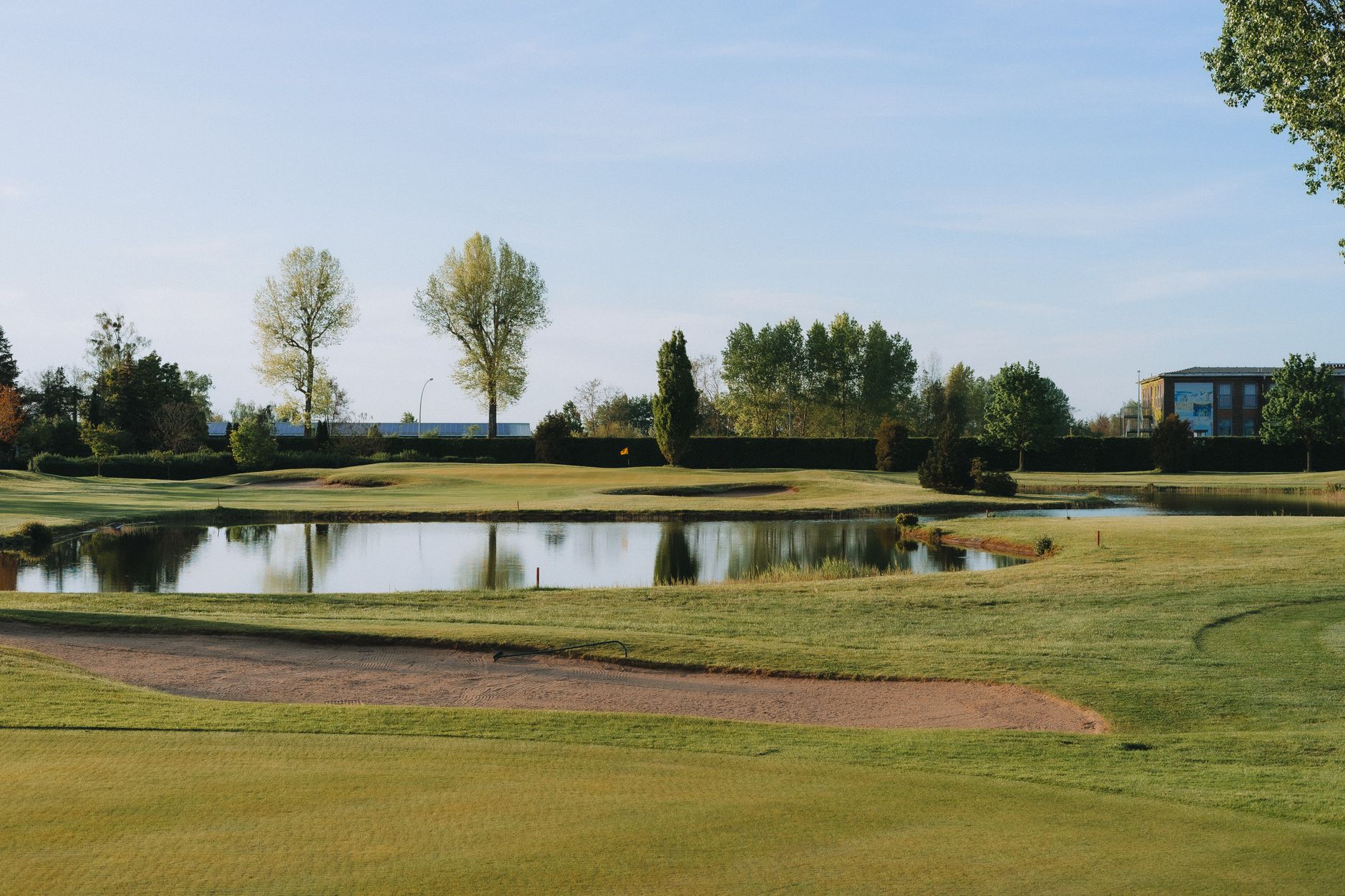
An autonomous fairway mower should stop short of the water, leaving a deliberate strip of taller grass or deeper-rooted vegetation between the cut turf and the bank. The exact distance is a judgment the superintendent makes from the site, then writes into the mower boundary map. This research did not verify a published buffer distance for mowers near water hazards.
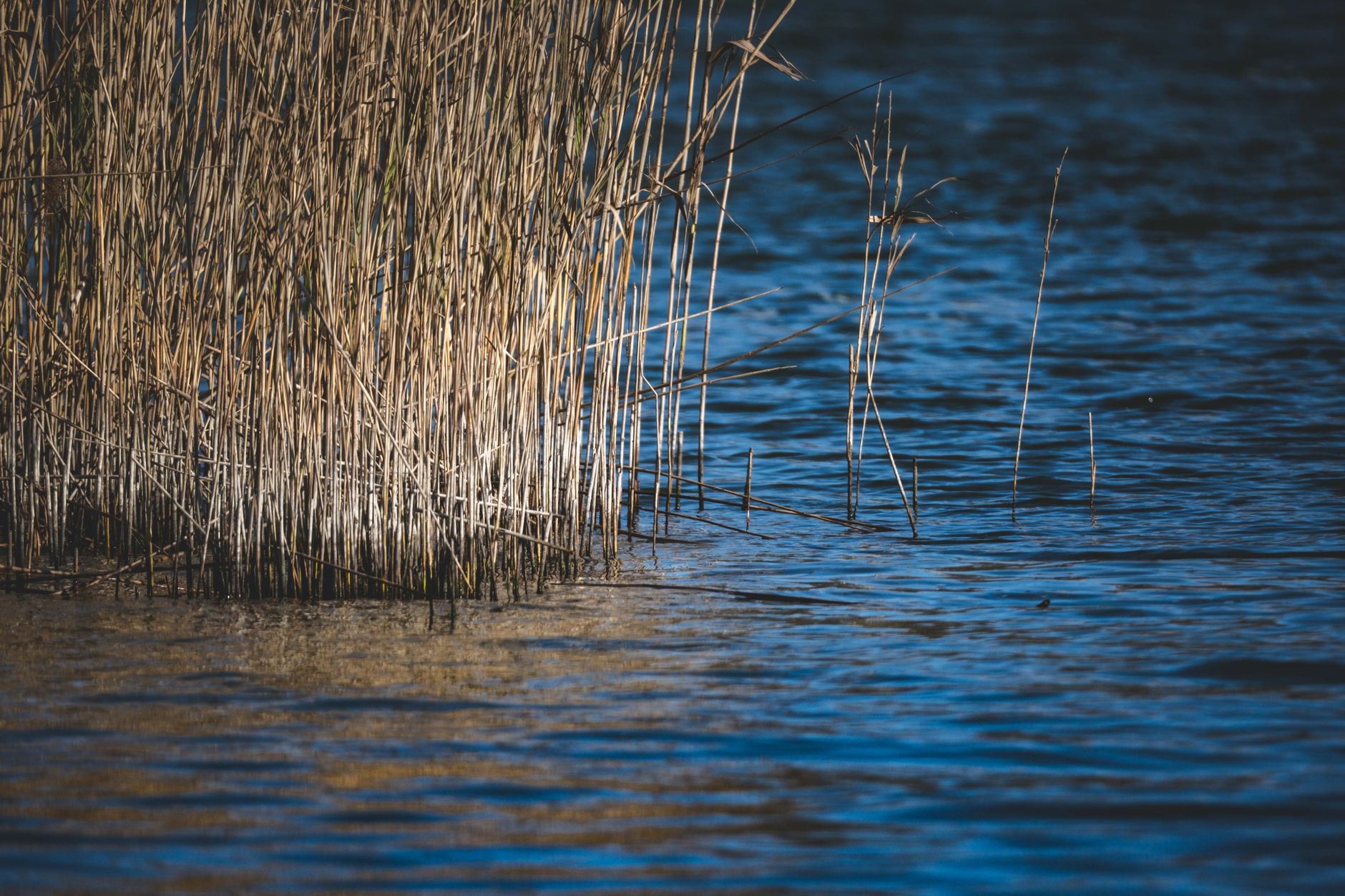
The buffer does real work. USGA's Green Section describes buffer strips as taller grass and vegetation that filters runoff before it reaches water, and says dense, deep-rooted vegetation helps stabilize water feature banks. The mower's job is to leave that band alone.
Who checks it? The superintendent owns the line, and a named crew member confirms the boundary before every run. The sections below explain how to build that line and what the check should cover.
Why does the bank line matter so much?
USGA calls riparian buffers one of the best ways to protect surface water quality along golf course wetlands, streams and ponds. On a course where water shapes most holes, the bank is not a corner case. It is much of the perimeter.
A bank cut to the waterline gives up the roots that hold it and the grass that filters runoff. The buffer exists to keep both, so mowing to the edge removes the very function the course is trying to protect.
USGA's Banks With Interest article also notes that letting vegetation grow naturally reduces maintenance costs. The buffer can return mowing hours instead of consuming them, which is a useful argument when a budget committee asks why a strip is left uncut.
How do you map hazard edges before the first run?
Walk the perimeter of every pond, creek and lake bank with the superintendent and the vendor mapping lead. Mark three lines: the waterline, the top of bank and the buffer edge the mower must respect. Record which line is which, because the mower only knows the line you draw.
Virtual boundaries are the usual method here. A 1990s patent notes that burying boundary cable across a large area such as a golf course is difficult, which is one reason operators favor GPS or virtual boundaries. A greens mower patent describes a keep-out zone along a green perimeter, inside which the mower is not meant to travel. That is a patent claim, not a product specification, but it shows the same logic applied to a hazard edge.
Consumer lawn robots show how edge logic gets built. As of November 2026, a Roborock support page describes a hazard boundary drawn in the app, with the mower keeping a safe distance from the edge to help prevent falls. That feature is designed for lawn edges, not water, so a course should confirm with its vendor exactly how any buffer distance is enforced.
Which banks stay under hand trimming?
Not every bank should be left to the robot stop line. Steep banks, banks where a buffer would crowd a green approach, and banks players see clearly from the tee often still need hand trimming. The trade is sightlines and play on one side, water protection on the other.
USGA reports a practical problem in one case study: rough mowing staff had to be trained to stop mowing to the water edge. The robot needs the same training. The rule must be written into the map and taught to the crew, or the mower and the crew will end up cutting different lines.
Golfer resistance is real too. USGA agronomist James Skorulski says golfers often resist buffer strips because of their appearance or because they slow play. A superintendent who explains the runoff filtering and bank stability to members has a stronger case than one who simply trims the buffer shorter.
We did not find manufacturer documentation for water hazard setup on a golf course. Set the distance from the agronomy record and the site, and ask the vendor to confirm it in writing.
Who checks the buffer before each run?
The superintendent approves the boundary map. A shift lead or dispatch crew member then confirms that the boundary on screen matches the approved version, that no new stakes, flags or fallen material sit inside the buffer, and that the route still stops at each marked edge. When the map is current, the check is short. When it is not, the check becomes the most important task of the morning.
Logs make the check auditable. Each run should record the boundary version it used, so the course can answer a member who asks why one bank looked different on a given morning.
This is the kind of work Service Robot Co. handles. We run the site assessment and mapping, then quote one fixed lease for the mowers after that assessment, and RoboCare service covers on-site dispatch and remote triage. We are OEM neutral, so we choose mowers across manufacturers for the course, not for a single brand, and we train the crew on the boundary rules that go with them.
What should the crew inspect after a storm?
This research did not find a published storm inspection protocol for autonomous mowers on water banks. Treat the sequence below as a practical starting point for the crew to adopt and test, not as an industry standard.
Before the next run after heavy rain or strong wind, walk the bank line. Look for washed out edges, slumped soil at the top of bank, fallen limbs inside the buffer, and displaced stakes or markers the map depends on. Compare what you see with the approved map and update the boundary wherever the bank has changed.
Log the walk and the decision. If the buffer edge moved, the map needs a new version before the mower runs again. If a bank looks unstable, keep hand crews on that section until the superintendent signs off.
Frequently asked questions
Want a robot working for you?
Tell us the job and the site. We will recommend the robot, quote the lease, and keep it serviced.
Sources
- USGA Green Section: Managing Water Features
- USGA: What Steps Should Golf Courses Be Taking to Protect Water Quality
- USGA BMP Case Study: Buffer Strips Protect and Enhance Water Hazards
- USGA: Banks With Interest
- USGA Green Section Record: It's Good for Golf Courses to Be Rough Around the Edges
- Google Patents: US12429875
- Roborock Support: What Is the Hazard Boundary Feature and How to Use It
- Justia Patents: US 5528888