Key takeaways
- A milestone reported by an operator is a claim to test, not an audit.
- Trip counts show work done in one setting, not fit at your site.
- Staff hour estimates depend entirely on the method behind them.
- Pin down what a trip, a delivery and an hour mean before any figure is quoted.
- Measure your own baseline and failed runs before you cite a result.
Does a robot milestone prove it will work at your hospital?
No. A milestone like the one Rochester Regional Health reported in August 2026 shows that robots completed a large volume of work inside one health system. It does not show that the same robots would perform the same way on your floors, with your elevators, your staffing and your routes.
The Rochester figures are still useful. The system reports 100,000 trips across Rochester General and Unity Hospitals and an estimate of more than 50,000 hours returned to staff. Both are self reported, and the coverage does not audit either one, so read them as a starting question rather than a verdict.
What follows sets out what trip counts, staff hour estimates and self reported results can support, and what a facility team should measure on its own before it cites one.
What did Rochester actually report?
According to FingerLakes1, which published the report on August 21, 2026, Rochester Regional's Moxi robots, made by Diligent Robotics, reached 100,000 trips at Rochester General and Unity Hospitals. The article puts more than 75,000 deliveries at Rochester General and more than 25,000 at Unity since the robots began operating in 2023.
The same article says the health system estimates the work returned more than 50,000 hours to staff. It calls that a health system estimate, not an audited figure. It also relays Diligent's claim of more than 1 million deliveries across the Moxi fleet and more than 125,000 autonomous elevator rides, which is a vendor figure.
A search for an audit, or for a Diligent press release covering the Rochester count, turned up neither. Both sides of the story come from reporting and company statements, not from independent checks.
Do trip counts show that a robot fits your site?
A trip count measures activity. It tells you the robot moved, the run was logged and the hardware kept going in a live building, which is real evidence of endurance. It does not tell you how each trip was started, how many needed a person to step in, or how long each one took door to door.
Counts across two sites and several years also blend sharply varied conditions. A tower with long elevator waits and a single story wing with level corridors can both feed the same total. A single headline number cannot show the day to day stability that a new site would need.
The terms are also loose. The coverage uses trips and deliveries without saying they are the same unit, and the two site counts sum to the headline total. That may be how the system counts, but confirm the definition with the operator before a unit count goes into a board memo.
How much weight can a staff hour estimate carry?
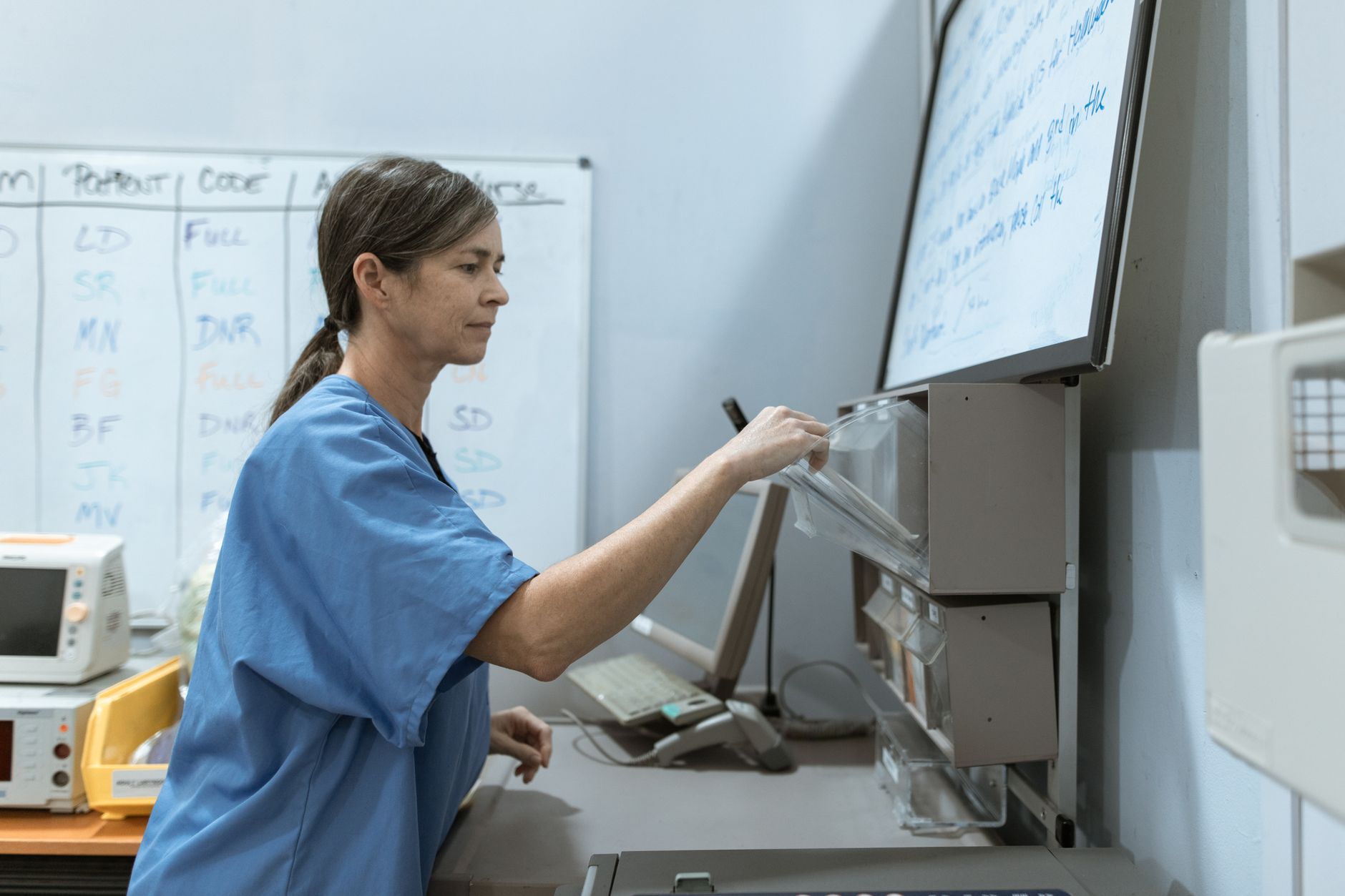
A staff hour estimate is modeled, not timed. The 50,000 hours in the Rochester coverage is the system's estimate of work returned to staff, and the article does not explain the method. A figure like this usually rests on an assumed time per run, so its answer is only as sound as those assumptions.
Hours returned are not the same as hours saved. Freed time may go to bedside work, may cover a gap that was already open, or may simply be absorbed by other tasks. How that time is counted as savings depends on what the organization does with it, and a press figure rarely shows that.
The contract terms add another angle. According to FingerLakes1, Rochester Regional pays for Moxi service based on how much the robots work. That ties the vendor's revenue to activity, so the trip count matters to the contract as well as to the public message, and a reader should weigh it that way.
What do self reported results leave out?
Self reported results tend to highlight what went well. A milestone generally leaves out failed runs, robots pulled from service, minutes lost in elevator queues and the moments when a nurse had to step in. None of those appear in the Rochester coverage, and a press milestone would not usually include them.
Headlines from other hospitals suggest the picture can differ. A nurse.org headline about a MultiCare hospital uses the phrases 'The Experiment Failed' and 'Eliminated' for its Moxi robots. The full story was not reviewed for this piece, so treat the headline as a prompt to ask the operator what happened, not as a finding about MultiCare's results.
What should a facility team measure before citing a result?
Before a team quotes a milestone in a budget memo or a board deck, it should build its own baseline and get the operator's definitions in writing. Those measures carry more weight than any headline count.
Start with one corridor or one wing before the team treats any large claim as its own. A short pilot with a written stop point gives the team numbers it measured itself, and those are the only numbers that should reach a decision.
- A written definition of each counted unit, including if a trip and a delivery are the same event.
- A baseline of walking, elevator wait and handoff time on the same routes, logged for at least one typical week before go live.
- Every failed, abandoned and staff assisted run, with the cause recorded for each.
- Uptime and downtime, plus the time a fault takes to reach a person, split between remote fixes and on site visits.
- The method behind any hours figure, including the assumed time per run and if the time was observed or modeled.
- Where the returned time went after go live, such as bedside work, transport or gaps that were already unfilled.

How should a lease change the way you test a result?
Service Robot Co. is a full service commercial robot integrator with an OEM neutral approach. We match robots to the task across manufacturers, then arrange financing, robot deployment and integration, training and service through a nationwide US engineer network, so one partner handles the whole lifecycle.
Our offer is commercial robot leasing through financing on a three year lease, with one fixed lease quote issued after a site assessment. That assessment is where routes are mapped, elevator and door waits are timed and a failed run is defined in plain terms, so the baseline exists before any robot is leased.
Go live support then compares real runs with that baseline, and remote triage and on site dispatch decide how quickly a fault reaches a technician. Compare robot lease options on that record, not on a milestone from another building, especially for a hospital delivery robot lease covering meal tray transport or medication transport.
Frequently asked questions
Want a robot working for you?
Tell us the job and the site. We will recommend the robot, quote the lease, and keep it serviced.