
Key takeaways
- A 40 million pound operating record shows mobile cobots can handle repeatable material movement in live sites, but only for a narrow class of work.
- Aggregate volume is a starting point, not a buying decision. Hours per robot, intervention rates, and task level completion matter more.
- Payload fit comes from real route conditions, cart interfaces, and weight distribution, not just a headline max spec.
- Buyers should ask for median site data, failure codes, service response terms, and pilot evidence before they sign a long contract.
Has mobile manipulation finally crossed into repeatable work?
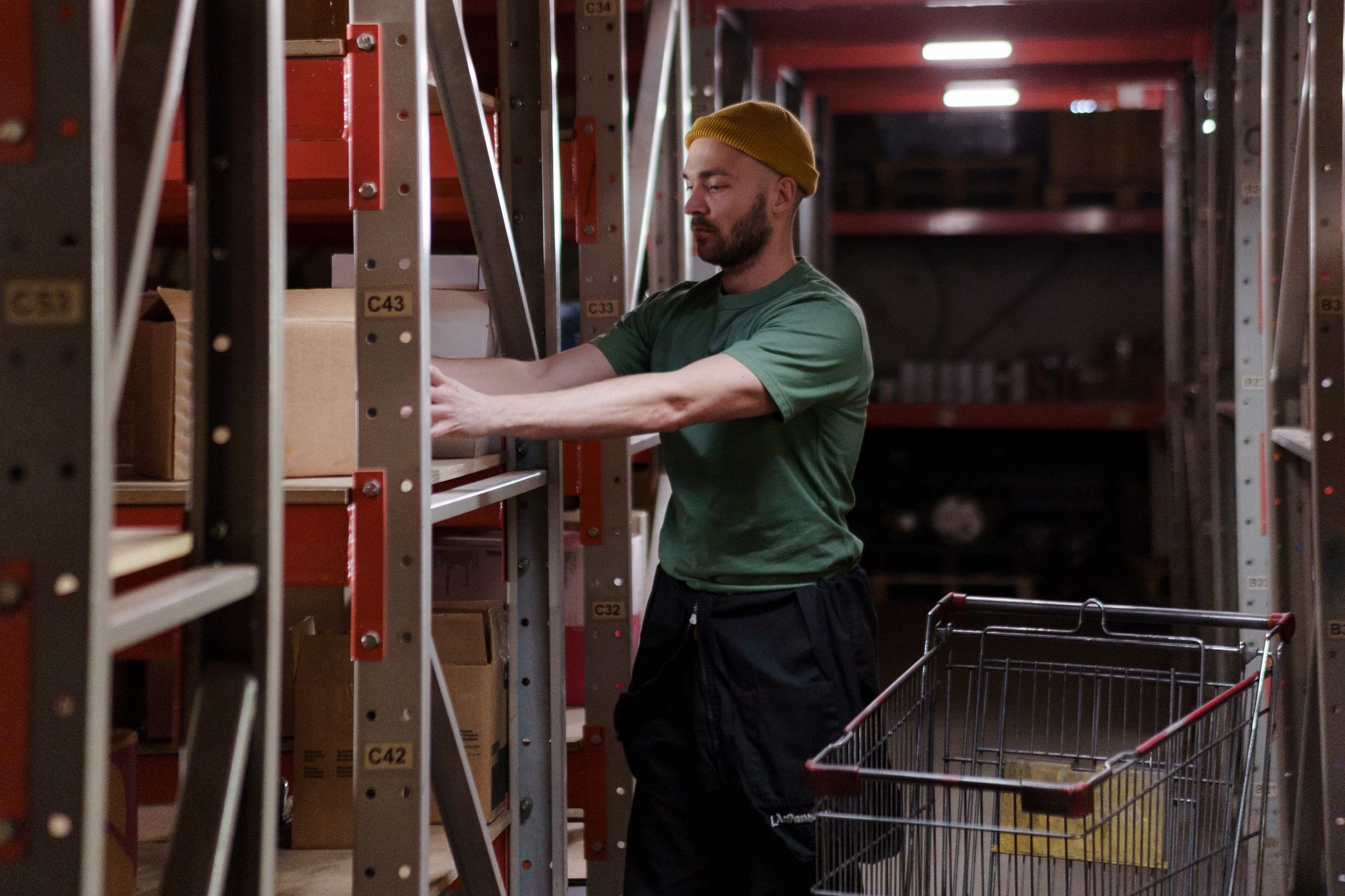
Yes, but only for a narrow class of work. In a June 22, 2026 PRWeb announcement, a robotics manufacturer said its platform had logged 12,627 operating hours in production environments, moved more than 40 million pounds of materials, and saved more than 17 million steps across hospital, logistics, and manufacturing settings. That is enough to say the category is no longer living on trade show theater alone.
It is not enough to say the buying risk has disappeared. Aggregate volume can hide low per robot utilization, heavy human babysitting, or a tiny set of unusually friendly routes. The right conclusion is narrower and more useful: mobile cobots have proved they can repeat real material movement in live operations, but buyers still need operating evidence at the route, shift, and exception level.
By simple arithmetic from the published totals, the fleet averaged a little over 3,168 pounds moved per recorded operating hour and about 1,346 steps saved per operating hour. Spread across roughly two years, 12,627 hours works out to about 17.3 fleet hours per calendar day. Those are credible production signals. They are not yet a substitute for diligence.
What does 40 million pounds actually prove?
First, it proves contact with real throughput. Big round numbers can be marketing garnish, but pounds moved and hours logged are hard to fake at this scale because they imply repeated dispatches, handoffs, charging discipline, and exception recovery over long periods.
Second, it suggests the work sat in a sweet spot. Repetitive transport in hospitals, warehouses, and plants shares the same grammar: pick up at a known point, move through mixed human traffic, hand off at a known point, and return for the next task. That is very different from claiming general purpose labor.
What it does not prove is broad adaptability. A buyer still does not know how many sites were involved, how many robots carried the total, what share of missions needed a human touch, or how performance changed between day shift, night shift, and seasonal peaks.
Utilization is the first proof point
Utilization tells you whether a mobile cobot is a working asset or a well photographed spare. The same June 2026 announcement said the platform was often operating 16 hour days. That matters more than the headline tonnage because long daily run time is how fixed costs get diluted.
Ask for median autonomous hours per robot per day, not the single best shift. Ask for the share of scheduled operating windows actually covered, queue idle time between missions, and the percentage of the fleet active on a normal Tuesday rather than during a customer tour.
This is where the category still needs adult reporting. According to A3, North American companies ordered 2,774 collaborative robots in the first half of 2026, equal to 15.4 percent of all robot units ordered. Demand is broadening. Proof of utilization still has to be site specific.
Task consistency matters more than task variety
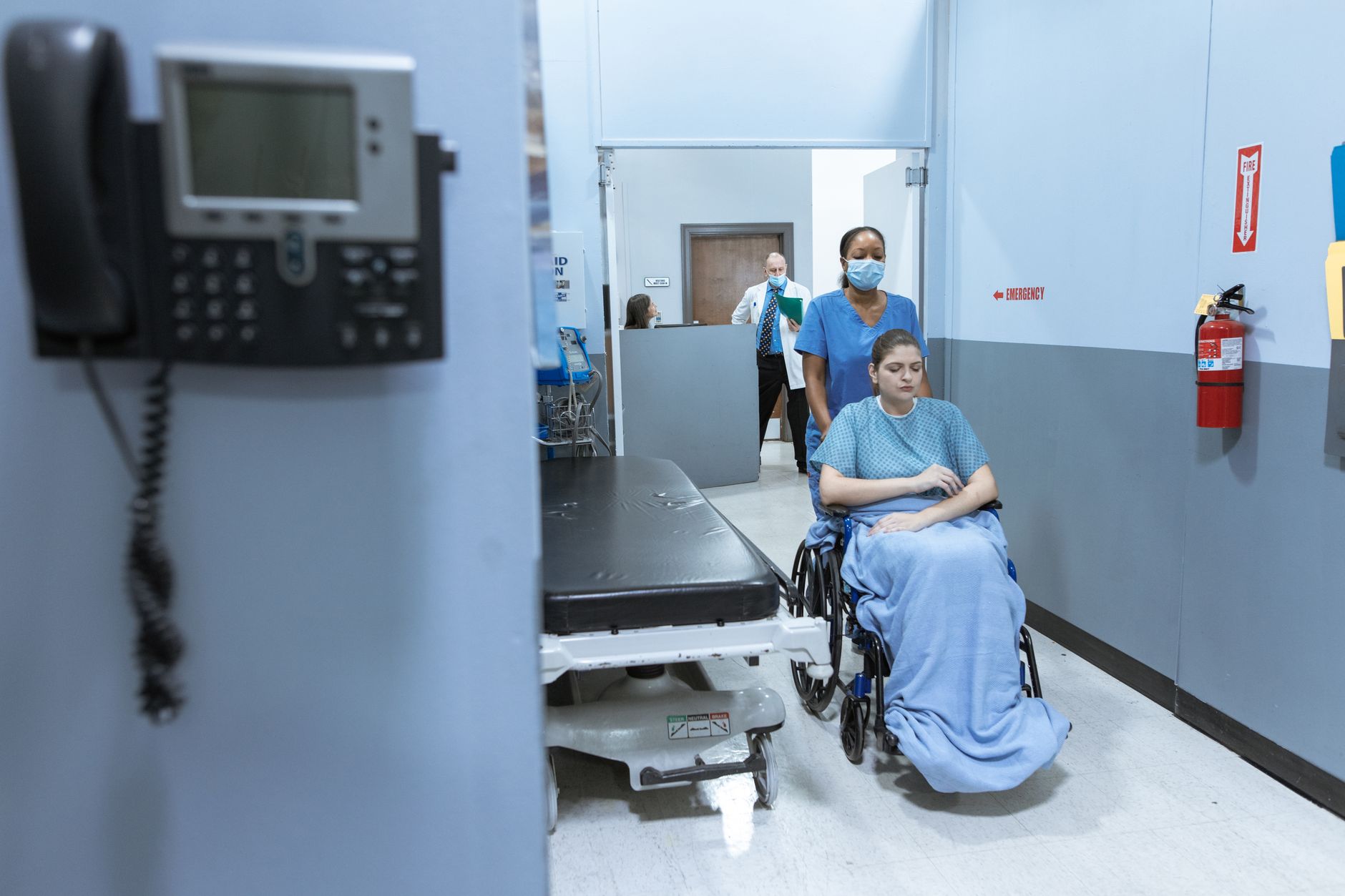
Repeatability is usually built on sameness, not novelty. The most attractive mobile cobot jobs are boring in the best possible way: cart runs between fixed points, replenishment to stable drop zones, tote transfers, meal or linen loops, and line side moves with clear handoff rules.
That is why buyers should demand task level reporting. Ask what share of the last 90 days came from the top five routes, what autonomous completion looked like by task family, and how exception rates changed when the building got crowded. A robot that performs evenly on five repeated loops may create more value than one that can attempt fifty tasks badly.
The labor backdrop is real. BLS data show 481,000 manufacturing job openings in June 2026 and 1.33 million openings in trade, transportation, and utilities. BLS also says hand laborers and material movers held about 7.0 million jobs in 2024, with manufacturing accounting for 10 percent of those jobs. There is plenty of repetitive transport work to automate. The prize is reliable coverage, not task variety.
Payload fit is about the operating band, not the max spec
Payload fit is where many buyers get distracted by headline specs. The same June 22 announcement said the latest platform could move up to 1,500 pound carts and lift up to 200 pounds. Useful information, yes. Still, rated maximums do not tell you what percentage of your real jobs land inside the robot's comfortable operating band.
Ask for the live distribution of cart weights, tote weights, push forces, lift heights, threshold crossings, ramp grades, elevator cycles, and door interactions. Ask how performance changes at the top quartile of payload, not just at the average. A route that works beautifully at 400 pounds can become erratic at 1,100 if wheel resistance, floor seams, or braking distances change.
In practice, the best fit often comes from pairing a moderate payload with obsessive route discipline. That is why a vendor neutral robot integrator matters. The right machine is the one that matches your carts, aisles, floor conditions, chargers, and service expectations, not the one with the loudest spec sheet.
What evidence should buyers demand before signing?

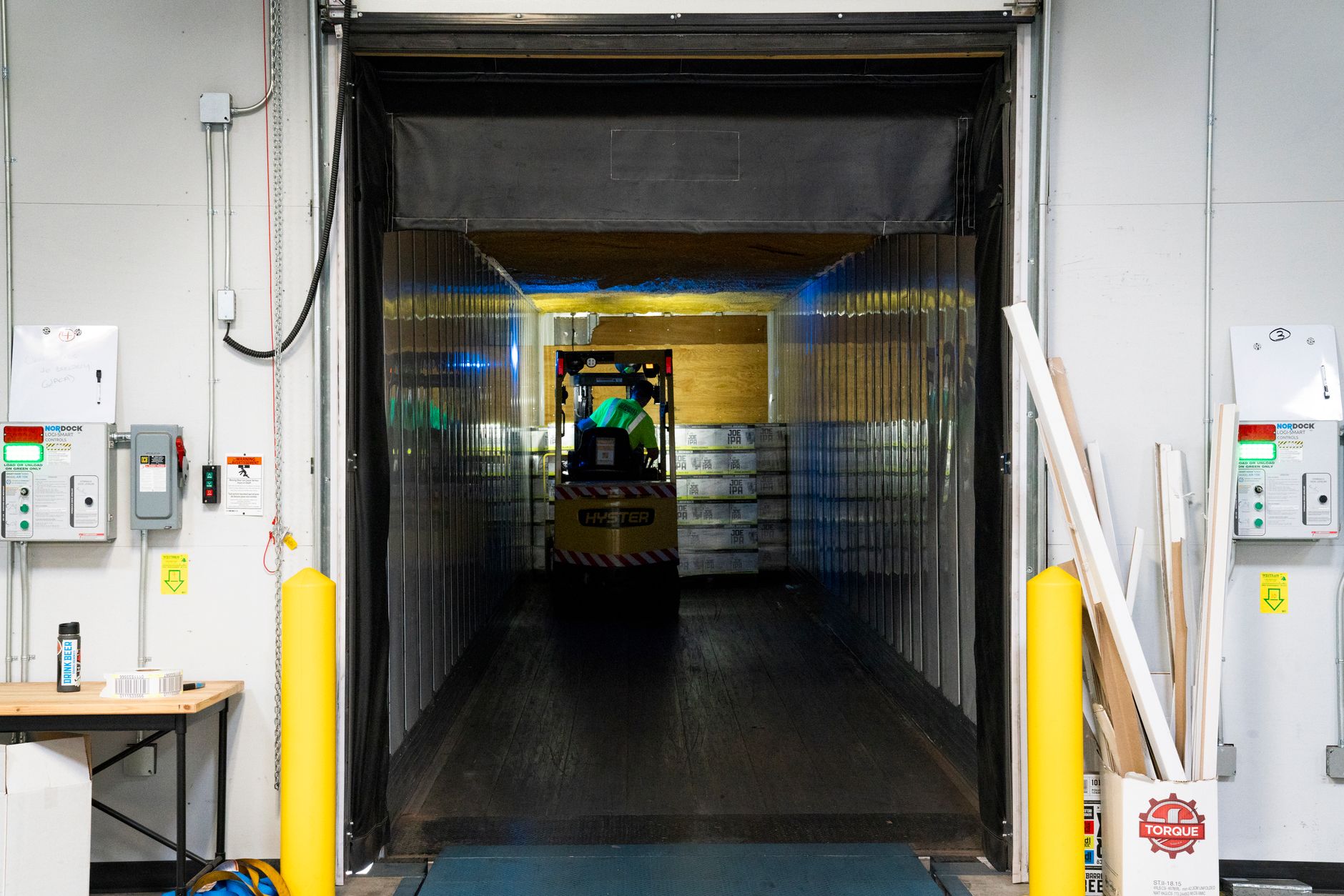
If you are comparing a commercial robot demo against a purchase order, ask for production evidence that survives ordinary Tuesdays. A flashy pilot video is not enough. You want operating records that show the robot can absorb boredom, congestion, and minor chaos without constant handholding.
Procurement structure belongs in that diligence pack too. Some facilities start with an autonomous mobile robot lease, an AMR lease, or a material handling robot lease so they can validate the route before buying. Others prefer robot leasing for business, monthly payment programs, or a monthly lease because maintenance is included and there is no upfront capital tied up in the first phase.
The right commercial robot lease or purchase or lease path depends on how stable your route network is, how quickly you need coverage, and how much service risk you want to carry internally. Robot leasing vs buying is not just a finance question. It is a question about uptime ownership.
- Median autonomous hours per robot per day, by site and by shift.
- Interventions per 100 missions, plus minutes of human assist per shift.
- Autonomous completion rate and on time completion rate for each major task family.
- Share of volume carried by the top five routes, so you can see how concentrated the success really is.
- Payload distribution, cart interface details, floor and threshold exceptions, and elevator performance.
- Planned uptime, unplanned downtime, and service response times, including remote triage and on site dispatch.
- Before and after labor deployment, including steps saved, reassigned hours, and any change in injury prone manual transport work.
Where Service Robot Co. fits
This is the practical gap Service Robot Co. is built to close. Buyers do not just need a robot. They need site assessment mapping, robot deployment and integration, training, go live support, and a service plan that holds up after the first month.
Service Robot Co. works as an OEM neutral partner for US businesses, which means the selection starts with the job and the building, not with a single manufacturer's catalog. We handle purchase or lease, monthly payment programs, pilot structure, deployment, integration, and service through a nationwide US engineer network. One partner one number, and one accountable team through the life of the fleet.
For operators testing repetitive transport automation, that structure matters. A robot pilot program, try before you buy plan, or turnkey robot deployment only creates value if the unit stays productive after launch. Hardware is only part of the buying decision. Operating evidence and support discipline are the rest.
Frequently asked questions
Sources
Service Robot Co. is not affiliated with, sponsored by, or endorsed by the companies mentioned in this article.