Key takeaways
- A digital twin is a dynamic, virtual replica of your physical facility and the entire AMR fleet operating within it.
- It allows you to test new workflows, add robots, and change layouts in a simulation without disrupting live operations.
- Digital twins are critical for optimizing fleet-wide traffic flow and troubleshooting complex issues offline.
- The accuracy of the twin depends on precise initial mapping and continuous updates as the real-world environment changes.
- An experienced integrator is key to building and managing a sophisticated digital twin, especially for multi-vendor robot fleets.
What Exactly is a Digital Twin for an AMR Fleet?
A digital twin is a precise virtual replica of a physical space and the assets within it. In the context of autonomous mobile robots (AMRs), it is a dynamic, high-fidelity simulation of your entire facility. This includes its layout, equipment, and every single robot in your fleet.
Think of it not as a static map, but as a living, breathing model. It mirrors the real-world operation by using continuous data to simulate how robots move, interact with their environment, and execute tasks. This creates a risk-free sandbox where operations can be tested and perfected.
The primary purpose is to model, analyze, and optimize every aspect of your AMR fleet's performance without interfering with day-to-day physical operations. It provides a powerful platform for simulating new workflows, optimizing traffic flow, and diagnosing problems before they cause downtime on the floor.
How is a Digital Twin Constructed?
Creating a useful digital twin is far more involved than simply uploading a floor plan. It is a meticulous process of building a virtual environment that behaves almost identically to its physical counterpart. The process begins by capturing the physical space with extreme precision.
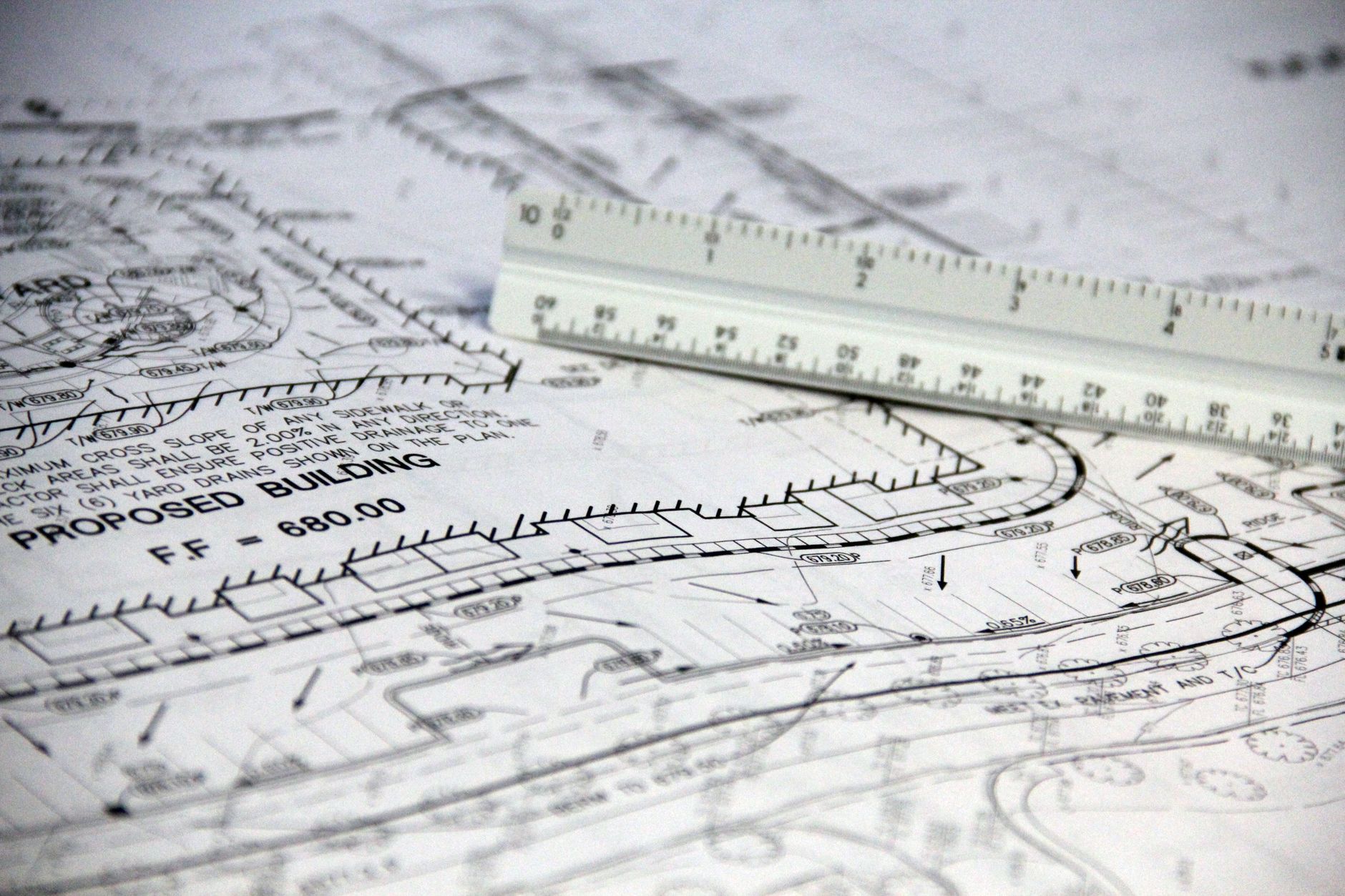
This is often done using 3D laser scanners or by importing detailed architectural CAD files. Every fixed element, from support columns and racking to workstations and doorways, is modeled. The goal is to replicate every potential obstacle and pathway the robots will encounter.
Next, virtual models of the AMRs themselves are introduced into the simulation. These are not generic icons on a screen. They are sophisticated digital assets programmed with the exact specifications of the physical robots: their dimensions, speed, turning radius, battery life, and the capabilities of their specific sensors, like LiDAR and cameras.
Finally, the entire system is brought to life with a physics engine and operational logic. This layer governs traffic rules, simulates congestion, and integrates with data from your Warehouse Management System (WMS) to model real order flow and task assignments.
Can You Simulate New Workflows Without Risk?
This is one of the most powerful applications of a digital twin. It allows managers to ask complex "what if" questions and see the results without spending a dime on physical reconfiguration or halting production. Physical testing is often impossible because it would require shutting down operations.
Imagine you want to add a new production line. You can build it in the digital twin first and simulate how your material handling robot rental fleet will service it. Will the new routes create traffic jams? Do you need more AMRs to handle the increased demand? The simulation will provide data-driven answers.
This capability dramatically reduces the risk of making a poor investment or a change that cripples efficiency. According to Market Research Future, implementing digital twins can lead to a reduction in operational costs by up to 30%. You can test a phased deployment with zero shutdown risk, validating every step virtually before committing.
This virtual proving ground is invaluable for planning a robot pilot program. It helps determine the optimal number of robots and the most effective workflows from the outset, ensuring the physical trial is built on a foundation of sound data.
How Does It Optimize Fleet Traffic and Efficiency?
When managing an AMR fleet, the goal is not to make one robot move as fast as possible. The objective is to maximize the throughput of the entire system. A digital twin is essential for achieving this, moving beyond simple path planning to true fleet optimization.
The simulation can run thousands of scenarios to identify the most efficient traffic patterns, establishing rules like one-way corridors or speed-limited zones to prevent bottlenecks. It analyzes how AMRs interact in busy intersections and around corners, refining the fleet management software's logic for smoother, more predictable operations.
It also optimizes for variables beyond simple travel time. For instance, the twin can simulate battery consumption and charging cycles. It can help devise a charging strategy that ensures robots are always available for high-priority tasks without having too many units offline at once.
This level of analysis delivers tangible results. Companies using digital twins in their supply chains have reported a 15-23% reduction in inventory carrying costs and up to a 20% improvement in fulfilling consumer promises, according to research cited by McKinsey.
Using the Virtual World for Troubleshooting and Training
When a problem occurs on the floor, a digital twin provides an immediate platform for diagnosis. If a robot repeatedly gets stuck in a specific area, you can recreate the exact conditions in the simulation to understand the root cause without holding up the physical robot.
This offline troubleshooting is a critical tool for maintaining uptime. You can test software patches or new navigation parameters in the twin to confirm they fix the issue before pushing the update to the live fleet. This prevents a potential fix from causing new, unforeseen problems.
The digital twin also serves as a powerful training environment. New supervisors can learn to use the centralized fleet management dashboard, respond to alerts, and manage exceptions in a realistic simulation. This ensures they are fully prepared to manage the live fleet, reducing the risk of human error.
Why Your Integrator's Digital Twin Capability Matters
Building and maintaining an accurate, effective digital twin is not a simple task. It requires deep expertise in simulation, robotics, and your specific operational environment. This is where the role of a full-service commercial robot integrator becomes indispensable.
At Service Robot Co., we see the digital twin as a cornerstone of a successful AMR fleet deployment. During our initial site assessment and mapping, we gather the data needed to construct this virtual model. It allows us to design and validate your automation strategy before the first robot arrives, ensuring a smooth go-live.
As a vendor-neutral robot integrator, our ability to manage a digital twin is particularly important. We can model and simulate a mixed fleet of robots from different manufacturers, ensuring they operate in concert. This is the key to true interoperability, providing you with one dashboard and one partner for your entire, diverse fleet.
This approach underpins our commitment to a zero downtime guarantee. By simulating potential failures and optimizing workflows virtually, we design a more resilient system from day one. It's part of how we provide turnkey robot deployment, from initial concept to ongoing service, all through a single point of contact.
What are the Limitations of This Technology?
While incredibly powerful, a digital twin is not a magic crystal ball. Its effectiveness is entirely dependent on the quality and timeliness of its data. A simulation based on an outdated layout of your facility will produce inaccurate and misleading results.
The virtual model must be rigorously maintained and synchronized with the physical world. If a new piece of machinery is installed or a storage area is temporarily blocked, the twin must be updated to reflect that change. Otherwise, the gap between the simulation and reality will grow, diminishing its value.
Furthermore, a digital twin is a tool for optimization and risk reduction, not a replacement for final, real-world testing. It helps get the system to 95% readiness, but that final validation on the physical floor remains a crucial step in any deployment.
The complexity and computational power required can also be a barrier. This is why partnering with an experienced integrator who already has the software and expertise is often more practical than attempting to build and manage a digital twin in-house.