Key takeaways
- PortMiami points toward targeted autonomous floor care that supports maintenance teams rather than replacing an entire cleaning operation.
- Cruise hubs should schedule robot missions around passenger waves, luggage movement, security boundaries, and changing queue layouts.
- The safest first routes are predictable public concourses with clear sightlines, dependable docking, and protected service windows.
- Expansion should follow measured mission data, documented recovery procedures, and approval from operations, security, and accessibility teams.
The lesson is controlled autonomy, not unattended cleaning
PortMiami's example suggests that autonomous floor care belongs in cruise terminals as a carefully scheduled maintenance tool. Robots can cover long, repetitive floor routes while employees concentrate on spills, restrooms, touchpoints, luggage debris, and urgent passenger-facing work. The strongest operating model assigns each task according to its risk and variability.
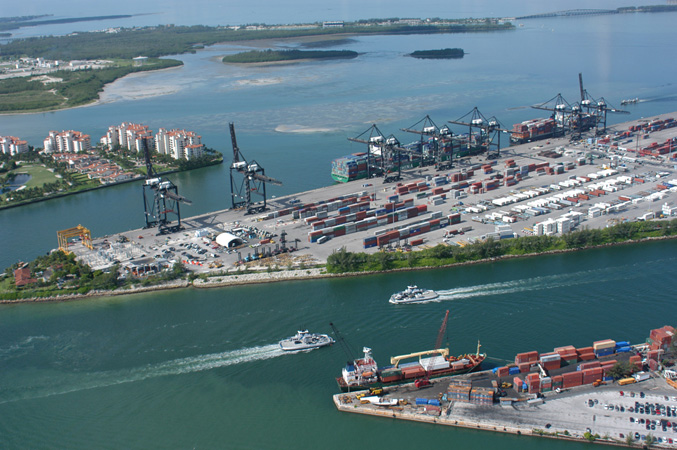
There is an important correction to the reported news hook. Miami-Dade County's official announcement is dated April 22, 2026, not April 20. It said PortMiami showcased robotic cleaning systems that support maintenance teams and improve terminal operations, but it did not disclose the number of robots, their routes, their operating hours, or measured results.
That distinction matters. The announcement supports the case for testing autonomous floor cleaning in a live seaport environment, but it is not evidence of a portwide fleet or a proven return on investment. Other passenger ports should treat it as a useful operating signal and build their own evidence through a controlled robot pilot program.
Why cruise terminals are unusually demanding floors
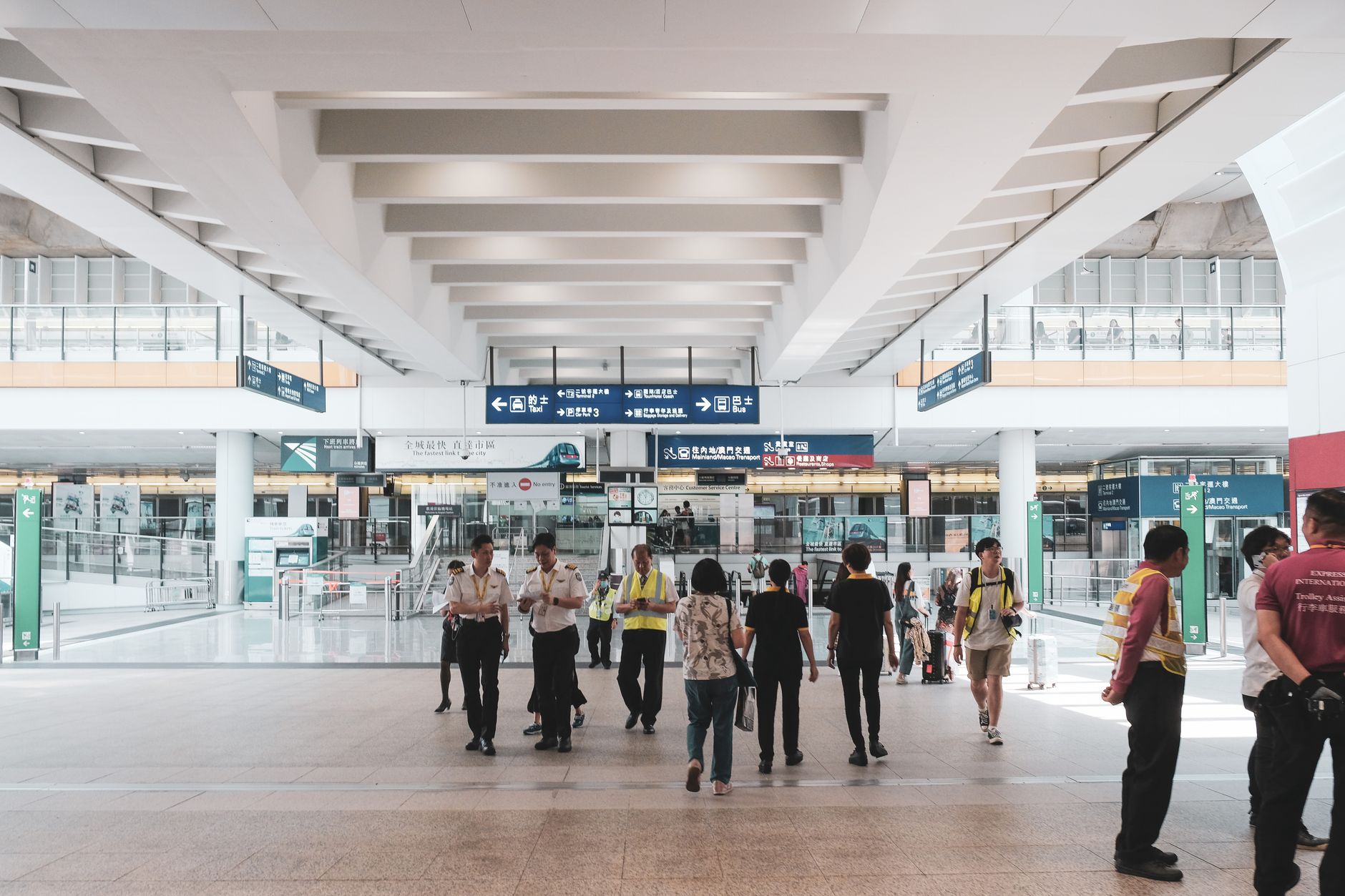
A cruise terminal does not carry a steady stream of occupants. It absorbs successive waves of disembarking passengers, arriving travelers, porters, security staff, wheelchairs, strollers, and luggage. Queue stanchions move, waiting areas fill, and clear concourses can become dense pedestrian channels in minutes.
The scale magnifies that variability. According to Miami-Dade County, PortMiami handled a record 8,564,225 cruise passengers in fiscal year 2025, up 4.02 percent from 8,233,056 in fiscal year 2024. A separate 2026 County memorandum said passenger volume could exceed 10 million within the next three years, explicitly presenting that figure as a projection rather than an achieved result.
Individual buildings can also be immense. PortMiami says its Terminal AA covers 490,000 square feet across four levels, can accommodate up to three ships, and can process up to 36,000 passengers in one day. In a building of that size, large facility coverage is attractive, but gross square footage is a poor proxy for cleanable autonomous area. Offices, screening spaces, furniture, vertical circulation, and federal processing areas all reduce the practical route.
Where should autonomous floor care run first?
The best opening route is a broad public concourse during a reliably quiet service window. It should have stable walls and landmarks, modest cross traffic, clear sightlines, a nearby approved dock, and enough floor area to make repeated autonomous passes worthwhile. These are the conditions in which terminal floor scrubbing can remove monotonous walking from the crew's workload.
Waiting halls and check-in zones can follow, but only after operators account for movable seating, retractable belts, kiosks, and seasonal layouts. Baggage paths deserve extra caution. A robot may avoid a stationary suitcase yet still create friction when passengers suddenly pull rolling bags across its path or porters move carts through a narrowing aisle.
Escalator landings, active screening lanes, gangway approaches, emergency exits, curb interfaces, and dense baggage-transfer points should begin as exclusion areas. Manual crews retain these irregular, high-consequence tasks until the port has enough route evidence and operating controls to reconsider them. A cleaning robot commercial program earns trust by declining unsuitable work as clearly as it identifies good work.
How do security zones change the deployment?
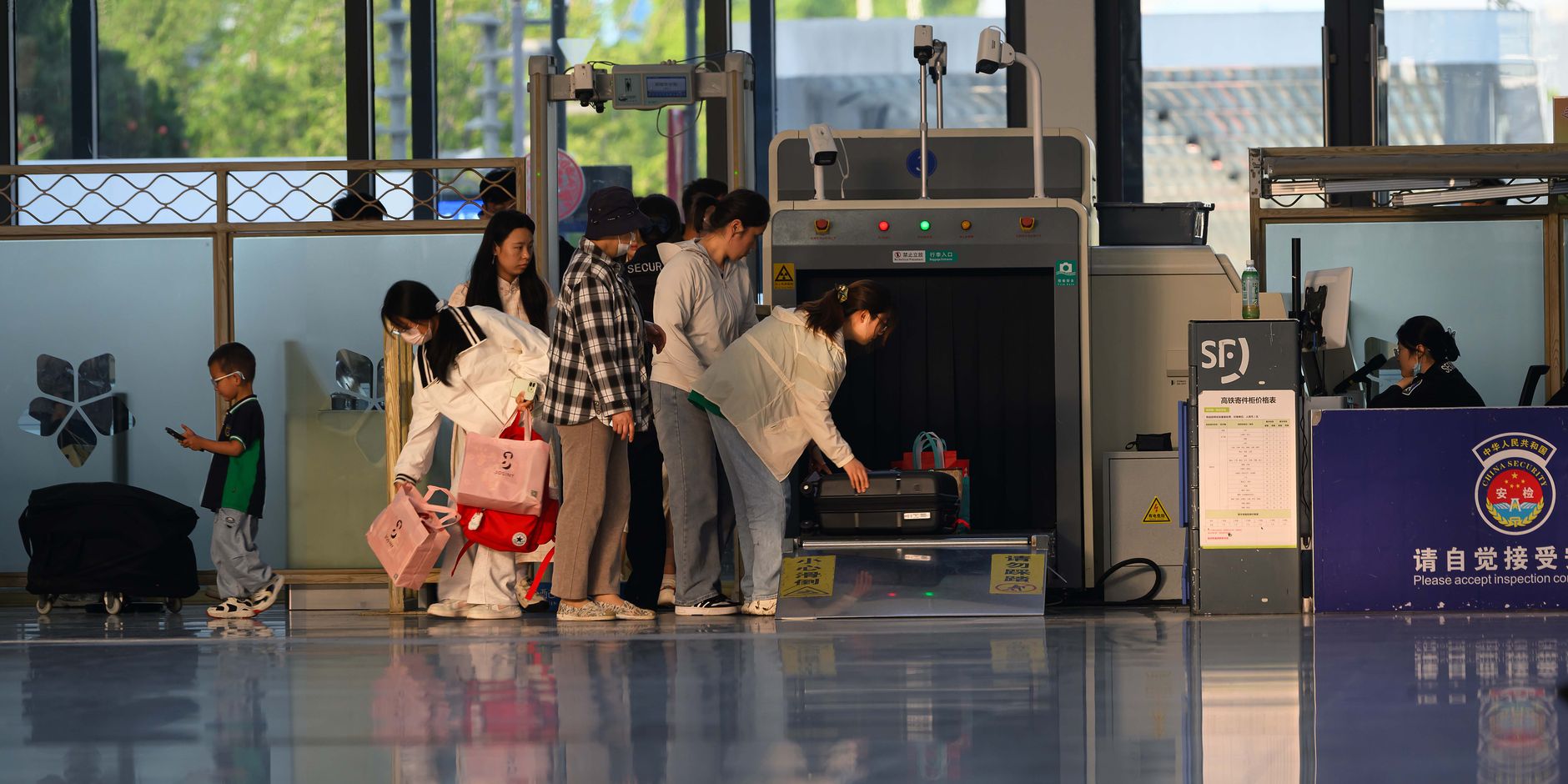
Cruise-terminal maps are also security maps. The U.S. Coast Guard's facility compliance guide requires passenger facilities to segregate unchecked people and effects from checked people and effects. For cruise terminals, it also addresses screening, controlled access to restricted areas, designated holding and embarkation areas, and escort requirements for people without the required credential.
A robot route must never become an informal bridge across those boundaries. Maps, docks, consumable storage, network access, recovery procedures, and technician entry all need review under the facility security plan. If a machine stops in a secure area, the person sent to recover it must have the right access or an approved escort. Autonomy does not supersede access control.
Cyber review belongs in the same conversation. The Coast Guard says facilities covered by the Maritime Transportation Security Act must assess vulnerabilities and maintain approved security plans. Port teams should therefore document where robot data goes, who can alter maps, how accounts are revoked, and what happens during a communications failure before a live route is authorized.
A phased operating model for passenger ports
A phased deployment no shutdown approach lets a port learn under real conditions while preserving manual coverage. Advancement should be based on observed performance and joint approval from facilities, security, accessibility, cruise operations, and the cleaning contractor, not on a preset expansion date.
- Phase one, observe and map: record passenger waves, porter routes, queue changes, floor types, drains, slopes, radio dead spots, secure boundaries, and safe dock locations before assigning autonomous work.
- Phase two, prove a contained route: run a single low-risk concourse during a protected service window with a trained attendant, a manual fallback, and documented stop and recovery drills.
- Phase three, add inter-wave missions: introduce selected waiting areas and connector corridors only when dispatch is tied to vessel activity, security status, and real-time obstruction conditions.
- Phase four, scale by evidence: expand to additional terminals after comparing route completion, interventions, cleaning verification, staff time returned, consumable use, and service response across different building layouts.
What should happen during embarkation surges?
The safest response to a surge is often to pause or shorten the mission. Robots should yield prime passenger paths before congestion builds, not wait until a concourse is already packed. Dispatch rules can use the port's vessel plan, terminal opening status, supervisor calls, and local observations to decide when an area is truly available.
Cleaning should be divided into operating windows. A larger autonomous floor scrubber can handle deep passes after passenger activity subsides. A compact unit may cover a cleared connector between waves. Staff remain responsible for immediate spill response and any area whose geometry or crowd behavior has changed since mapping.
Luggage is more than an obstacle-detection test. Bags can conceal liquid, straps can trail, and carts can block the robot's return path. Queue layouts should therefore be treated as controlled map changes. If stanchions move, the route is revalidated before release rather than left to improvised obstacle avoidance.
Which measures decide if the pilot expands?
Start with productive autonomous coverage, not advertised maximum coverage. Measure the floor area actually cleaned to the required standard, then track mission completion, interventions, safety stops, missed zones, manual rework, water and chemical use, charging availability, and time between a fault and return to service.
Overlay those records with the vessel and terminal schedule. PortMiami's Daily Dock service lets users review vessels docked within a selected window, illustrating the kind of operational calendar a cleaning plan should follow. Performance during an empty-building demonstration says little about performance between disembarkation, screening, and embarkation waves.
The pilot should also measure staff benefit. Useful questions include how much repetitive walking moved away from employees, which higher-value cleaning tasks received more attention, and how often supervisors had to rescue the machine. A night shift autonomous scrubber that constantly needs intervention is not delivering overnight cleaning no operator performance, regardless of its brochure specification.
Build the service model around the terminal
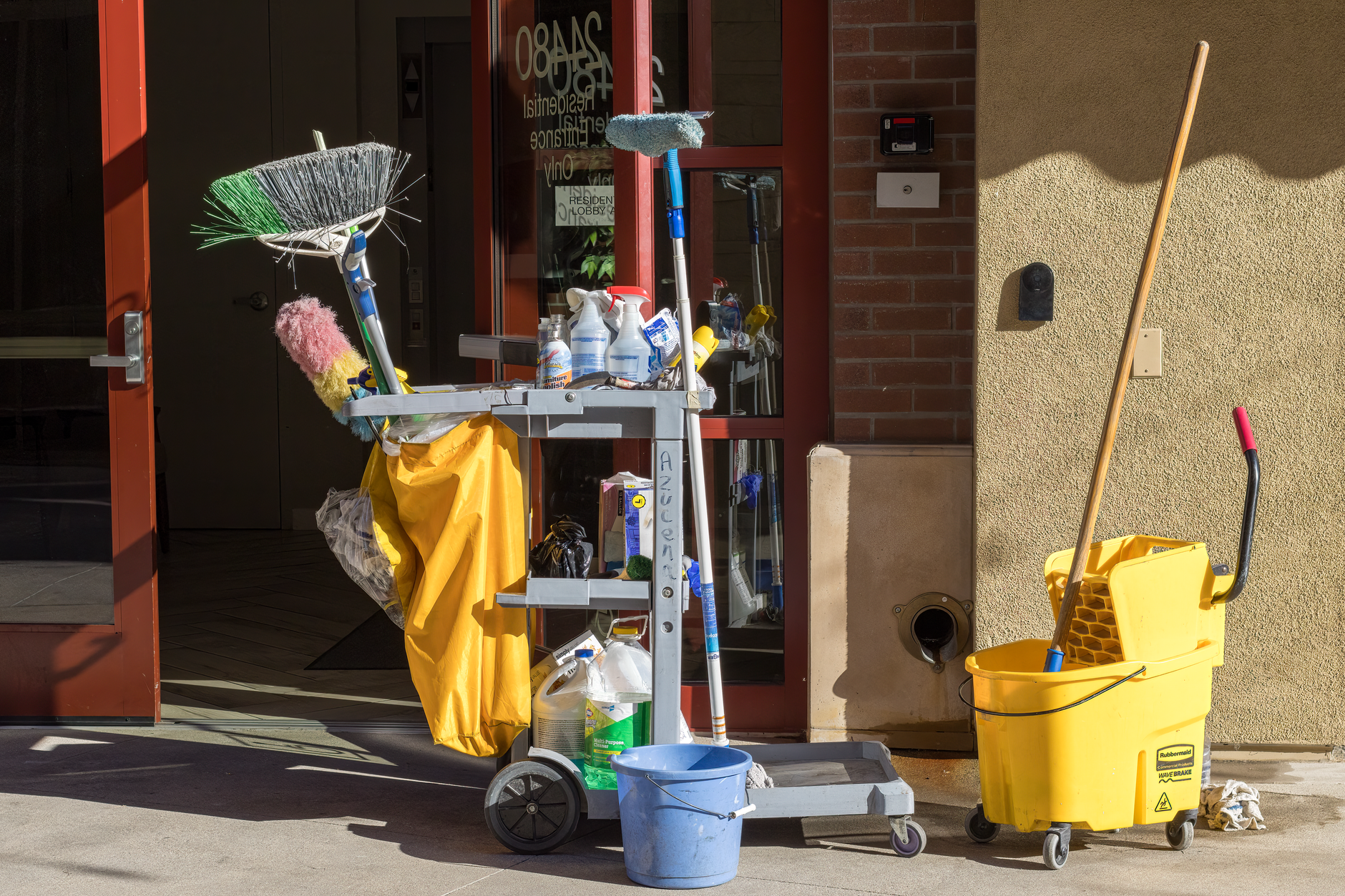
Different terminals may require different machines. A wide hard-floor concourse, a carpeted connector, and a congested waiting hall impose distinct requirements for turning radius, cleaning method, runtime, water capacity, sensing, and noise. An OEM-neutral assessment helps the port select the robot that fits each floor instead of forcing one platform across incompatible routes.
Service Robot Co. provides that full commercial lifecycle for U.S. operators. The company assesses sites, selects equipment across manufacturers, arranges purchase or lease, completes robot deployment and integration, trains terminal teams, and supports deployed units through a nationwide U.S. engineer network. The practical value is one partner and one number when facilities, contractors, and multiple terminal operators need coordinated support.
Procurement can then match operational uncertainty. A commercial cleaning robot lease, floor scrubber monthly lease, or other monthly payment program may suit an initial route, while purchase may fit a mature, heavily used application. Contract language should define RoboCare™ service, remote triage, on-site dispatch, replacement arrangements, response responsibilities, insurance, consumables, software access, and data ownership before go-live.
PortMiami's showcase is valuable because it places robotic floor care in the real context of seaport maintenance teams. The transferable lesson is disciplined fit: map around the passenger operation, protect security boundaries, preserve human control of exceptions, and expand only when terminal data supports the next route.
Frequently asked questions
Want a robot working for you?
Tell us the job and the site. We will recommend the robot, quote the lease, and keep it serviced.
Sources
- Miami-Dade County robotics showcase release, April 22, 2026
- PortMiami fiscal year 2025 passenger results
- PortMiami cruise terminal facts
- Miami-Dade County 2026 passenger-volume memorandum
- PortMiami Terminal Tariff No. 010
- U.S. Coast Guard MTSA facility compliance guide
- U.S. Coast Guard MTSA overview
- PortMiami Daily Dock service
Service Robot Co. is not affiliated with, sponsored by, or endorsed by the companies mentioned in this article.