Key takeaways
- Treat end-of-life as a procurement clause, not a surprise after the robot stops moving.
- Most discarded lithium robot batteries are likely hazardous waste and need a documented recycling path.
- Software sunsets can brick navigation and reporting faster than mechanical wear.
- Resale value depends on map files, service history, and whether the OEM still ships parts.
- A vendor-neutral integrator can orchestrate migration without stranding one site on a dead platform.
Why exit planning belongs in the first robot quote
Commercial robots rarely fail all at once. More often, support windows shrink, spare parts go obsolete, or a lease ends while the floor still needs coverage. Buyers who negotiate exit paths up front avoid paying twice: once to keep an unsupported unit limping, again to rush a replacement.
End-of-life planning covers software updates, parts pipelines, battery recycling, data wiping, resale or trade-in, fleet migration, and decommissioning. Each item has a different owner inside your company, so the integrator contract should name who does what before a model is discontinued.
If you only read one section, this is the answer: ask for written timelines on support, parts, and battery take-back before you sign, and tie monthly service to those commitments.
What happens when software support ends?
Autonomous scrubbers, delivery bots, and warehouse AMRs depend on cloud maps, firmware, and security patches. When an OEM stops publishing updates, you inherit cyber risk and compatibility gaps with your Wi-Fi, elevators, and building access systems.
Ask whether navigation files stay on your servers, whether offline mode still meets safety rules, and how long the vendor will honor API links to your WMS or CMMS. A phased migration plan should include a parallel run where old and new fleets share docks without cross-contaminating maps.
Document the last firmware version that passed your site acceptance test. That record becomes evidence if you dispute downtime during a transition.

How long will parts really be available?
Mechanical wear shows up in squeegees, wheels, lidar covers, and charging contacts long before the main frame dies. OEMs often publish last-time-buy dates for boards and battery modules that do not match your finance schedule.
Stock a critical spares kit based on your integrator failure data, not generic suggestions. Multi-site operators should pool slow-moving parts instead of duplicating expensive modules at every branch.
When parts go obsolete, a vendor-neutral integrator can sometimes source refurbished assemblies or retrofit a newer subassembly if the OEM allows it. That bridge buys months to align capital budgets with a fleet refresh.
How should you handle robot batteries at end of life?
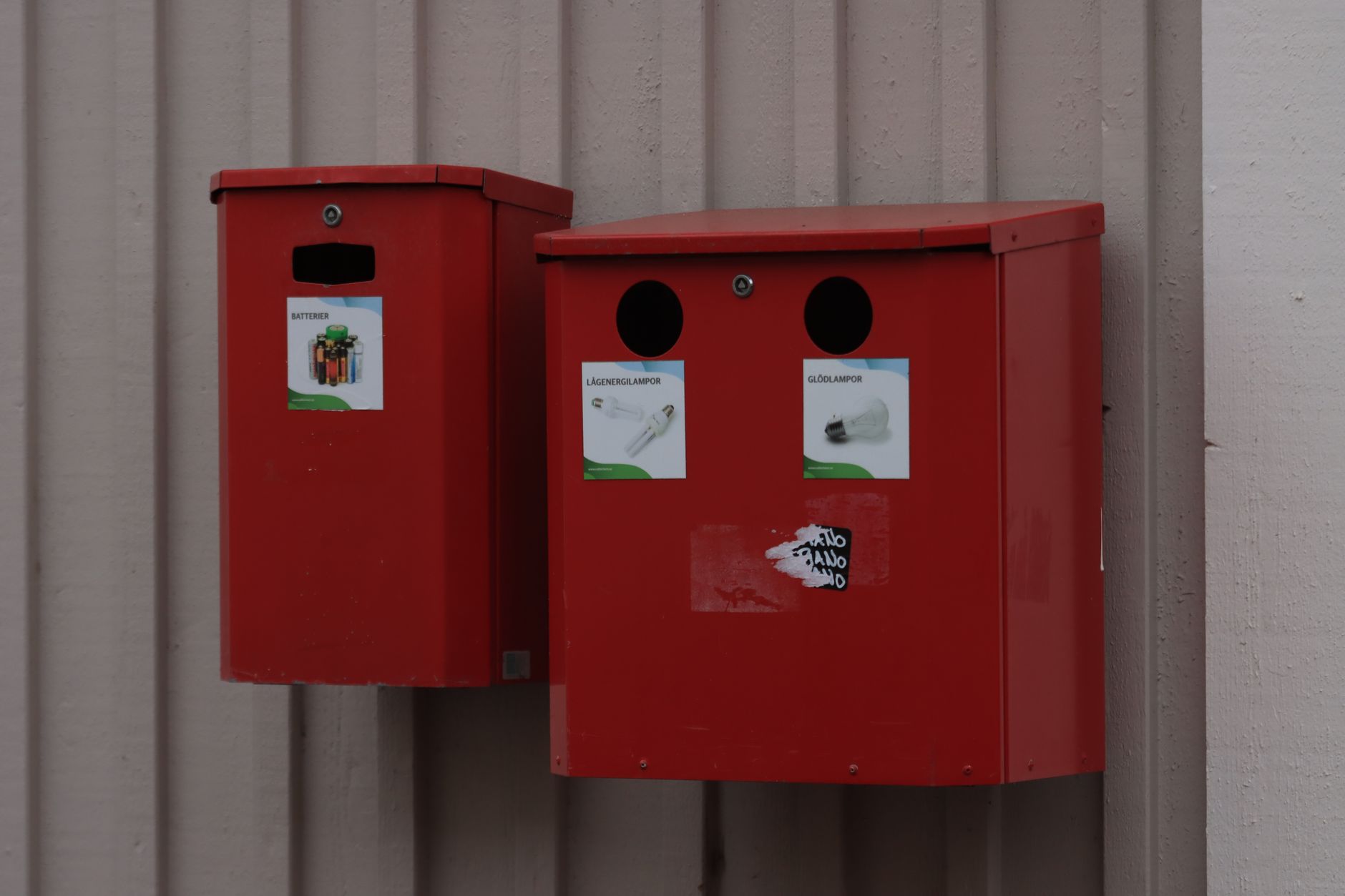
According to the U.S. Environmental Protection Agency, most lithium-ion batteries are likely hazardous waste when discarded, often carrying ignitable and reactive waste codes. Commercial sites, unlike households, must determine how their used packs are classified and shipped.
EPA recommends that businesses manage used lithium batteries under federal universal waste standards in 40 CFR Part 273, which streamline labeling, accumulation time, and shipment to permitted recyclers while still requiring compliance with Department of Transportation shipping rules.
Build battery retirement into your pilot: who drains energy, who packages damaged modules, and which recycler accepts robot form factors. Fires in waste streams pushed EPA to pursue lithium-specific universal waste standards, so local state rules may add requirements beyond the federal baseline.
Robot-as-a-service contracts should state whether the lessor or your facilities team labels universal waste containers, because EPA notes handlers must prevent releases and may need special packaging when modules show swelling or damage.
What data must leave the robot before resale or scrap?
Maps, Wi-Fi credentials, elevator codes, and guest delivery logs can linger on edge storage after a unit powers down. Treat decommissioning like IT asset disposal with a checklist signed by facilities and security.
Wipe navigation archives stored in your cloud tenant, revoke API keys, and rotate building access credentials tied to the robot profile. Hospital and hospitality buyers should align with their HIPAA or PCI policies even when the vendor claims automatic erasure.
Keep a certificate of destruction or wipe log if you sell the asset to a refurbisher. Buyers discount units without proof that sensors and storage were cleared.
Can you recover value through resale or refurbishment?
Secondary markets exist for late-model scrubbers and AMRs with documented service hours and intact battery health reports. Value drops sharply when proprietary maps cannot transfer or when software licenses are tied to the original owner.
Lease return inspections often bill for missing consumables, cosmetic damage, or expired battery cycles. Photograph the unit at install and before return using the same checklist the lessor provides.
Refurbished robots can fill backup roles if your integrator validates safety and recertifies site maps. That path works best when exit planning reserved budget for recommissioning, not just disposal.
How do you migrate a fleet without shutting the floor?
Plan migration in waves tied to shifts or zones. Run old and new units on separate map layers until operators trust routes through blind corners, ramps, and dock plates.
Train supervisors on exception codes from both fleets so night crews do not revert to manual work when a single robot pauses. Align charging topology early because new docks may need electrical work that outlasts the robot lead time.
Service Robot Co. stages vendor-neutral migrations: select replacements, finance them, remap, train, and keep nationwide dispatch active while legacy units roll off. One partner number reduces finger pointing when a loaner bridges a gap between old and new software.
Monthly payment programs and lease rental or sale paths still need an exit row in the amortization sheet: budget for recommissioning labor, temporary manual coverage, and recycler freight so the last month of service does not blow the ROI you tracked all year.
What contract language protects you at discontinuation?
Require notice periods when firmware or parts enter end of support, plus continued access to maps and telemetry exports in open formats. Tie service level credits to missed update windows if security patches stop arriving.
Clarify who owns consumables purchased for the robot at lease end, and whether you may buy the unit at fair market value. For robot-as-a-service deals, spell out early termination, upgrade paths, and battery recycling fees so they do not appear as surprise invoices.
Add a decommissioning appendix: site pickup, recycling certificates, and data wipe standards. Facilities legal teams can enforce it when a vendor merges or exits the category.
Who runs decommissioning on the ground?
Decommissioning is more than unplugging. It includes draining fluids on scrubbers, securing lithium modules, removing magnetic tape or QR beacons, and restoring floor markings your staff added for navigation.
Integrators with a nationwide engineer network can dispatch technicians to pull units, capture final hour meters, and hand batteries to certified recyclers. Remote triage before truck rolls controls cost when dozens of sites sunset the same model.
Schedule decommissioning before lease penalties accrue and while staff who trained on the unit are still on shift to transfer knowledge to the replacement fleet.