Key takeaways
- IFR counts an AMR as a service robot, but the robot arm mounted on it is counted as an industrial robot.
- One AMR-plus-arm cell can therefore appear in both sets of statistics.
- Transport and logistics was the top professional service robot application in 2025, at about 117,500 units.
- The service robot figures come from a supplier survey of 238 companies, not a census of installed robots.
- Quote shipments and operating fleets separately, and name the survey behind every number.
What the service robot count actually measures
According to the International Federation of Robotics, global professional service robot shipments rose 24% to almost 250,000 units in 2025. Transport and logistics was the largest application, at about 117,500 units. The IFR headline rounds that logistics figure to 117,000.
For AMR teams, the direct answer is this. IFR counts an autonomous mobile robot as a service robot. If that AMR carries a robot arm, IFR counts the arm as an industrial robot. The same physical cell can therefore show up in the service robot statistics and the industrial robot statistics, and the headline alone does not tell you that.
Operations leaders who put the 24% figure into a business case should understand this before they add numbers together. The totals are not wrong. They come from different survey rules, and they were never designed to be summed.
How IFR draws the line between AMRs and arms
IFR's definitions document places AMRs in the service robot category. The reasoning is practical: AMRs usually have neither three axes nor manipulation capability, so they do not meet the industrial robot definition. IFR also describes AMR as a marketing term, usually a synonym for wheeled mobile robots used in professional applications.
When an AMR carries a manipulator, IFR splits the system in two. The platform stays a service robot, and the manipulator is counted as an industrial robot. Industrial-kinematic robots used in service applications are counted in both statistics. Since 2024, the industrial robot statistics place those cases in application classes 904 and 905.
The service robot definition itself is broad. Under ISO 8373:2021, a service robot performs useful tasks for humans or equipment. That scope covers a floor scrubber, a hospital tug, and a palletizing cell alike, which helps explain why the category grows so large. IFR excludes drones in most cases and does not represent military robots.

What the 2025 growth numbers say
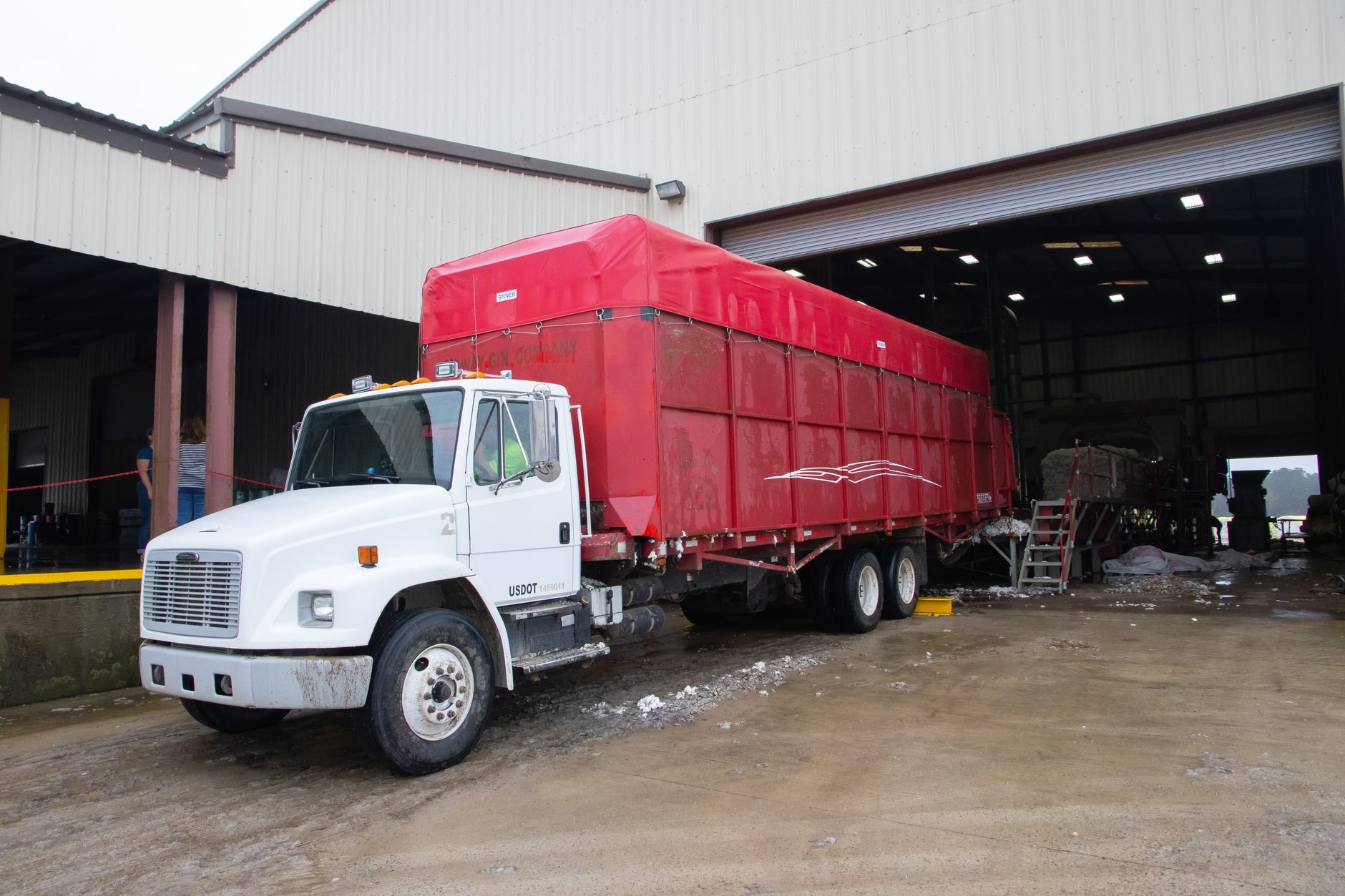
Medical robots grew 19% and consumer service robots grew 37% in the same release. Hospitality ranked second among professional applications and professional cleaning ranked third, according to coverage of the IFR report. Transport and logistics was up 21% year on year, with a 47% share of professional service robot units.
IFR's President's Report slide deck also lists inspection and maintenance at +83% and professional cleaning at +40% as the fastest-growing professional segments. Growth rates describe change, not size. Pair any percentage with the unit count before it reaches a slide, or a reader will assume a small segment is a large one.
Why the sample caveat matters in a business case
The service robot figures come from an IFR supplier survey, not a census. The 2026 report is based on 238 service robot suppliers. IFR cautions against comparing figures across reports because the sample composition can change, so a growth rate between two editions may reflect who answered as much as what sold.
IFR also states that the figures reflect reported shipments, not the total number of robots operating in logistics facilities. A shipment is a delivery event. A fleet is what a site runs every shift. An AMR team that treats shipments as installed base will overstate what its region or its own warehouse actually has in service.
The industrial figures come from a different data collection. That means an AMR-plus-arm cell cannot be reconciled cleanly across the two series, and a single total that merges them will double count some systems and miss others.
Reading the industrial side without double counting
In the same release cycle, IFR reported an operational stock of industrial robots at a record 5 million in 2025, up 9%, with installations above 600,000, up 11%. US installations reached 38,400 in 2025, up 12%, passing Japan's 36,200 for the first time in the report's comparison.
Those industrial numbers describe arms in plants and cells. They are not a count of the mobile platforms that carry arms. Keep the two series in separate panels of any deck, label each with its survey and year, and resist the urge to build one headline from both.

Three checks before you quote IFR internally
Run these checks on every industry number before it reaches leadership. Each one takes a few minutes and prevents the most common error in robot business cases.
- Name the series. Say service robot shipments or industrial robot installations, never just robots.
- Confirm the report year and edition, since IFR advises against comparing figures across reports.
- Decide whether the number is a shipment count or an operating count, and say which one your internal case actually needs.
Where a lease fits the AMR-plus-arm question
Service Robot Co. is a full-service commercial robot integrator for US businesses. We lease robots only, through financing on a 3-year lease with one fixed payment quoted after a site assessment. We are OEM-neutral, so we choose robots across manufacturers, then finance, deploy, integrate, train, and service every unit through a nationwide US engineer network.
For an AMR-plus-arm cell, that arrangement means one party carries the system from site survey through service calls. The arm that an industry table lists under one heading and the platform it rides on under another arrive at your facility as one installed cell, and that is the unit your internal case should measure.
Frequently asked questions
Sources
- IFR press release: Global sales of professional service robots surge 24 percent
- IFR Definition of Service Robots 2026 (PDF)
- Automate: The service robot market is scaling, just not where the hype is
- FreightGraph: Logistics robots and the 47 percent service robot sales share
- IFR press release: World Robotics USA 2026 (PDF)
- IFR World Robotics 2026 press conference market presentation (PDF)
- IEU Monitoring: IFR global robot sales accelerate as Europe falls behind Asia and US
- DC Velocity: Nearly half of service robots sold in 2025 were used for transportation and logistics