
Key takeaways
- A lease quote is only as sound as the site assessment behind it.
- Get the assessment scope, exclusions and assumptions in writing before comparing totals.
- Mapping and remapping responsibilities belong in the quote with a named owner.
- Training hours, attendees and a named backup operator should be stated, not implied.
- Check RoboCare response, triage and parts terms before comparing headline lease figures.
What a lease quote must rest on before you compare it
A fixed robot lease payment is only worth comparing when it rests on a complete site assessment. Before you accept any robot mower lease quote, confirm that the figure came from a walk of the property, a mapped boundary and a written list of what the robot will and will not cut. A number without those inputs is an estimate you cannot check later.
Compare offers on four things first: what the site assessment covered, what the mapping includes, what training the crew receives, and what the service plan and three-year lease term actually cover. The headline figure belongs last on that list, not first. Two quotes with similar totals can carry sharply varied obligations once the fine print is read side by side.
Service Robot Co. quotes one fixed lease payment after a site assessment, on a three-year lease, with deployment, integration, training and service handled under RoboCare. The questions below are the ones an account manager should expect to answer, and the ones a contractor should put to any provider, us included.
What should the site assessment record?
Ask who walks the property, how long the walk takes, and whether the assessment captures slopes, drains, obstacles, gates, wet ground and any zones the robot must avoid. A lawn with a pond bank, a sprinkler grid and a berm is a distinct job from a flat rectangle of the same acreage. Acreage alone tells you very little about how the robot will perform.
Ask for the assessment in writing. The document should name the areas included, list the exclusions and state the assumptions behind the quote. If the provider cannot produce those inputs, nobody can check the quote against them once the robot is running.
- Which areas were walked on foot and which were measured from imagery alone
- Every exclusion, such as beds, play surfaces, water edges and utility pads
- What changes would trigger a new assessment before the lease starts
How is the boundary mapped, and who keeps it current?
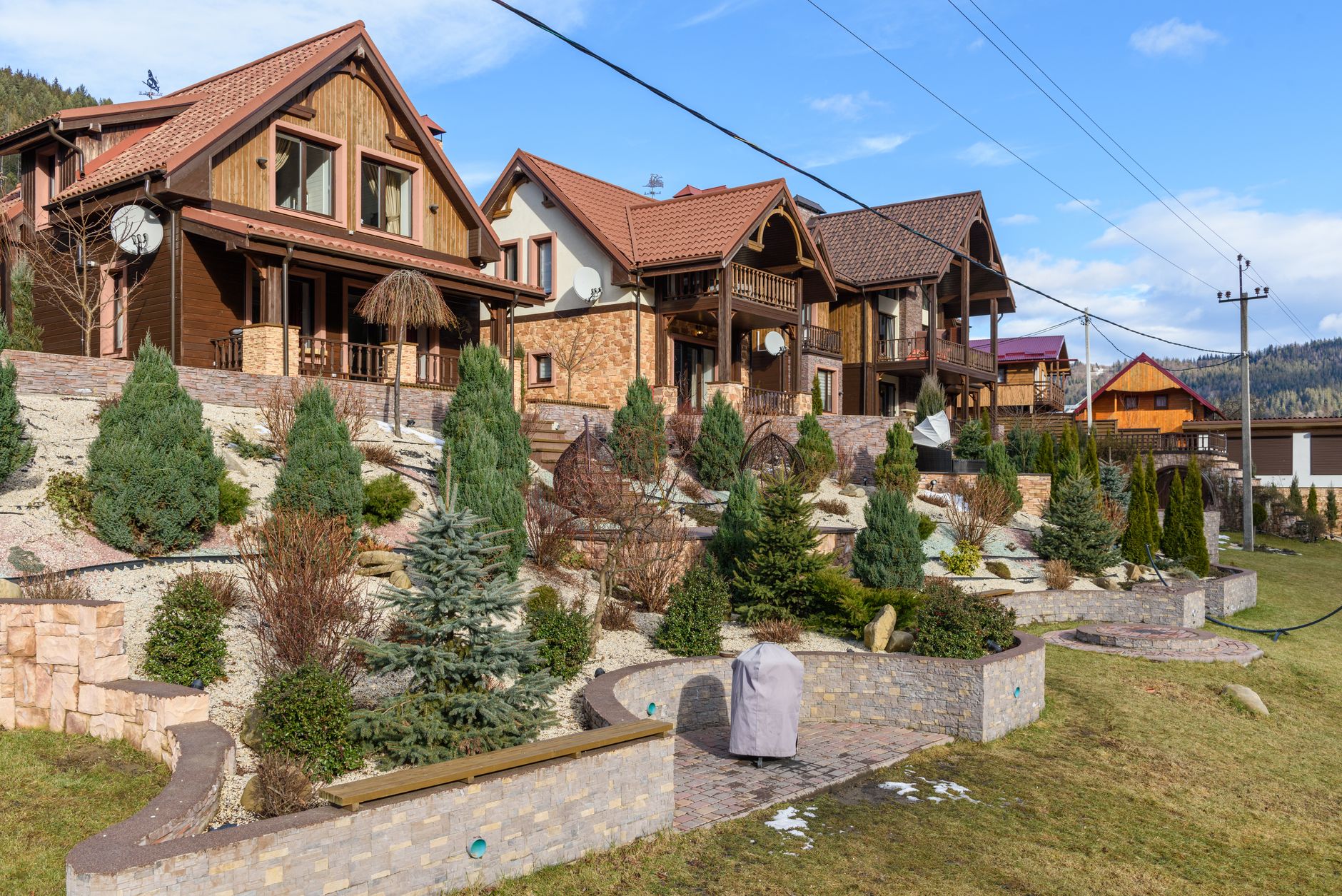
Mapping decides more of the deployment than most quotes admit. Ask whether the boundary is surveyed on site, which positioning method is used, and how accuracy is checked before the first unattended run. Ask whether the customer receives a copy of the map and what they are allowed to change.
Then ask about change. Grading, new planting, a fresh fence or a renovated bed all alter the work area. Find out who remaps, how quickly a visit happens after a request, and whether remapping is covered in the lease or billed as an extra. An answer of as needed is not an answer, and it leaves the crew to discover the gap on a Monday morning.
What does the training scope actually include?

Training decides whether the robot keeps working after the installer leaves. Ask who is trained, how many people, and whether sessions happen on your site with your equipment and your gates. A crew lead who can read alerts, pause a unit, clear an obstacle and place a service call is a distinct asset from one who only watched a demonstration.
Ask for a named backup. If the one trained operator leaves or is out sick, who supervises the mower? Confirm whether refresher sessions run through the three years, and whether training covers the manual fallback for days the robot is out of service. Those hours belong in the quote, with attendees listed, not in a general promise.
Under RoboCare, Service Robot Co. deploys, installs, trains and services every unit we place, backed by regional service engineers in each state we service. That is the one-vendor lifecycle we offer, so the training line in our quote should match what is delivered on site.
What do the RoboCare service terms commit to?
A headline lease figure says nothing about how quickly a stopped mower returns to work. Ask what response time is promised, whether faults are triaged remotely before a technician is dispatched, and what happens when a unit must leave for repair. Ask whether a spare unit is available and under what conditions.
Get the terms in writing: dispatch hours, the escalation path, parts coverage, software updates, and where the line falls between a covered fault and damage from site conditions or misuse. Find out who answers the phone when a mower stops in the middle of a route, because that call will come at the worst possible moment.
Ask too whether maintenance is included in the lease payment or added as an extra. A quote that leaves service out is a quote for the robot alone, and your crew will absorb the rest.
What does the three-year lease term cover, and what ends it?
Service Robot Co. leases on a three-year term with one fixed lease payment quoted after the site assessment. A fixed figure is easy to compare, so compare what sits inside it. Ask whether the term covers the robot, deployment and integration, mapping updates, training, service visits and software maintenance, and which of those are carved out.
Then ask about the end of the term. Define the return condition, who inspects the unit, and what happens if service was delayed during the lease. Ask whether the term matches your contracts. A mowing agreement that runs one year against a three-year lease leaves a gap you must fund from somewhere else, and it is better to see that gap before signing.
How should two quotes be compared?
Put the quotes side by side on one sheet: assessment scope, mapping and remap terms, training hours and named people, service response and escalation, and the lease term inclusions and exits. A quote that wins on the headline figure while leaving out mapping, training or service has not become cheaper. It has moved the cost into crew hours and idle units.
Some providers sell robots directly from a manufacturer's catalog, while integrators choose among manufacturers and handle the whole lifecycle. Either model can serve a mower fleet well. The test is whether the written paperwork answers the same questions for each option.
Ask every provider the same questions and log the answers. Where one vendor's answers stay general, treat that vagueness as information about the quote.
Frequently asked questions
Want a robot working for you?
Tell us the job and the site. We will recommend the robot, quote the lease, and keep it serviced.