Key takeaways
- Rovex calls Rovi the first autonomous patient transport robot used inside hospitals, and that is a vendor claim.
- The BayCare pilot in Clearwater, Florida began in April 2026, and Pulse reports that no patients are transported during it yet.
- A first claim has to be defined: first to do what, in which setting, and for which patients.
- No verified transport counts, time savings or costs appear in the sources reviewed, so no figure should enter a budget.
- Treat a superlative as the start of a test, with written stop criteria agreed before the first run.
What Rovex claimed in May 2026
Rovex, a Florida startup founded in 2024 by an emergency room physician, unveiled a robot called Rovi in May 2026. The company describes it as the world's first autonomous patient transport robot for use inside hospitals. That is a vendor claim, and most coverage repeats the company's own wording.
The word first does heavy lifting. It sets the reference point for every later conversation, and it arrives before any independent comparison exists. A facility team that accepts the superlative as a finding has already skipped the test.
Even the dates vary across coverage, with some outlets carrying May 2026 and others pointing to earlier spring reporting. Interesting Engineering ran its story under a headline saying a US firm claims the world's first, which keeps the claim in the reader's view as a claim.
How the Rovi robot works, as Rovex describes it
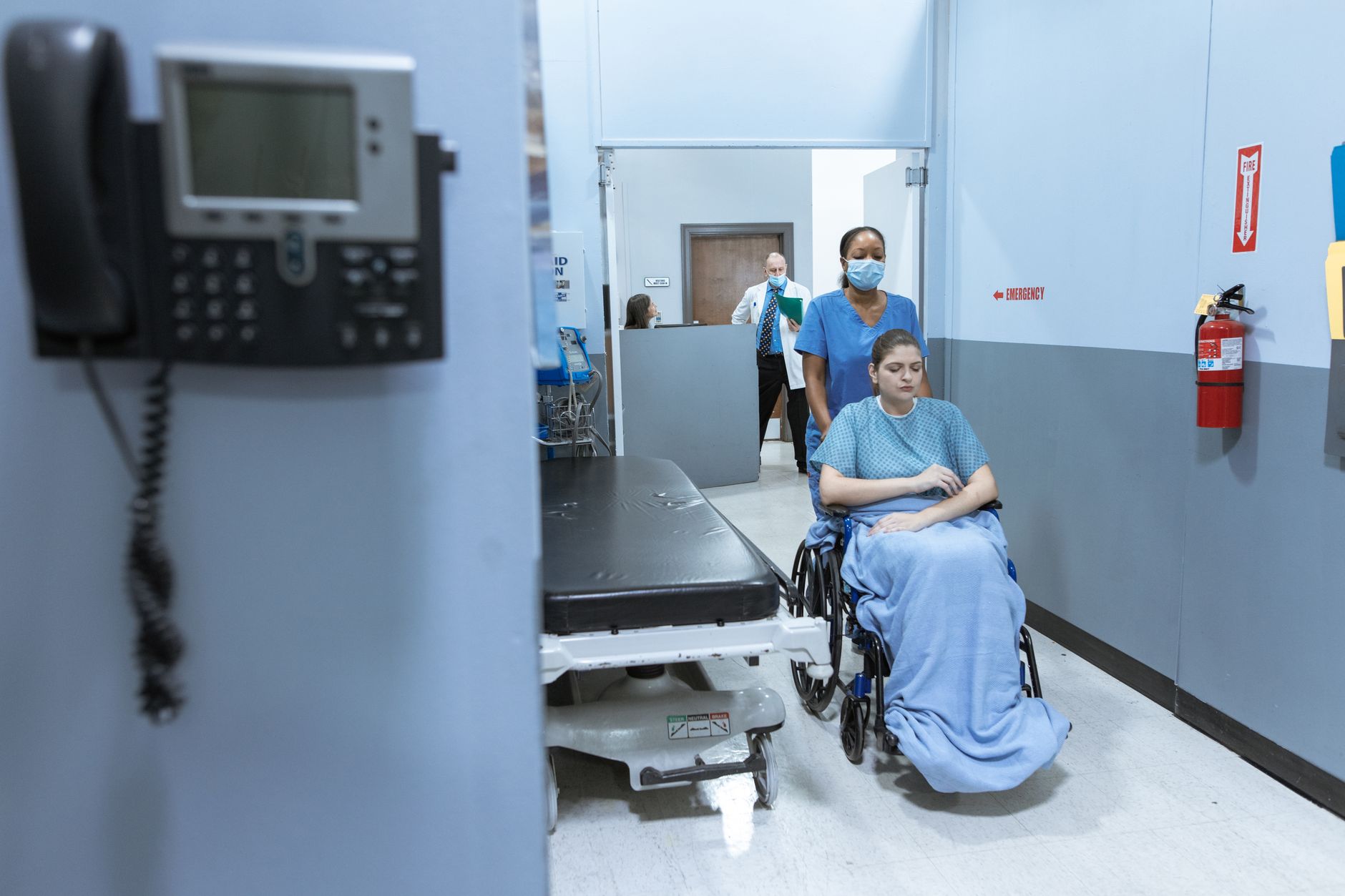
Rovi attaches to a hospital stretcher and tows it through a facility. Its front screen shows the destination and the expected trip time. Rovex says the design fits any brand of stretcher, with beds and wheelchairs planned for later.
The company also says Rovi is developed for low acuity patients only, and that its longer term goal is autonomous patient moves. Rovex further says it models each facility as a digital twin before deployment. Those are company statements, and the sources reviewed do not show how that model was checked.
Where the BayCare pilot stands
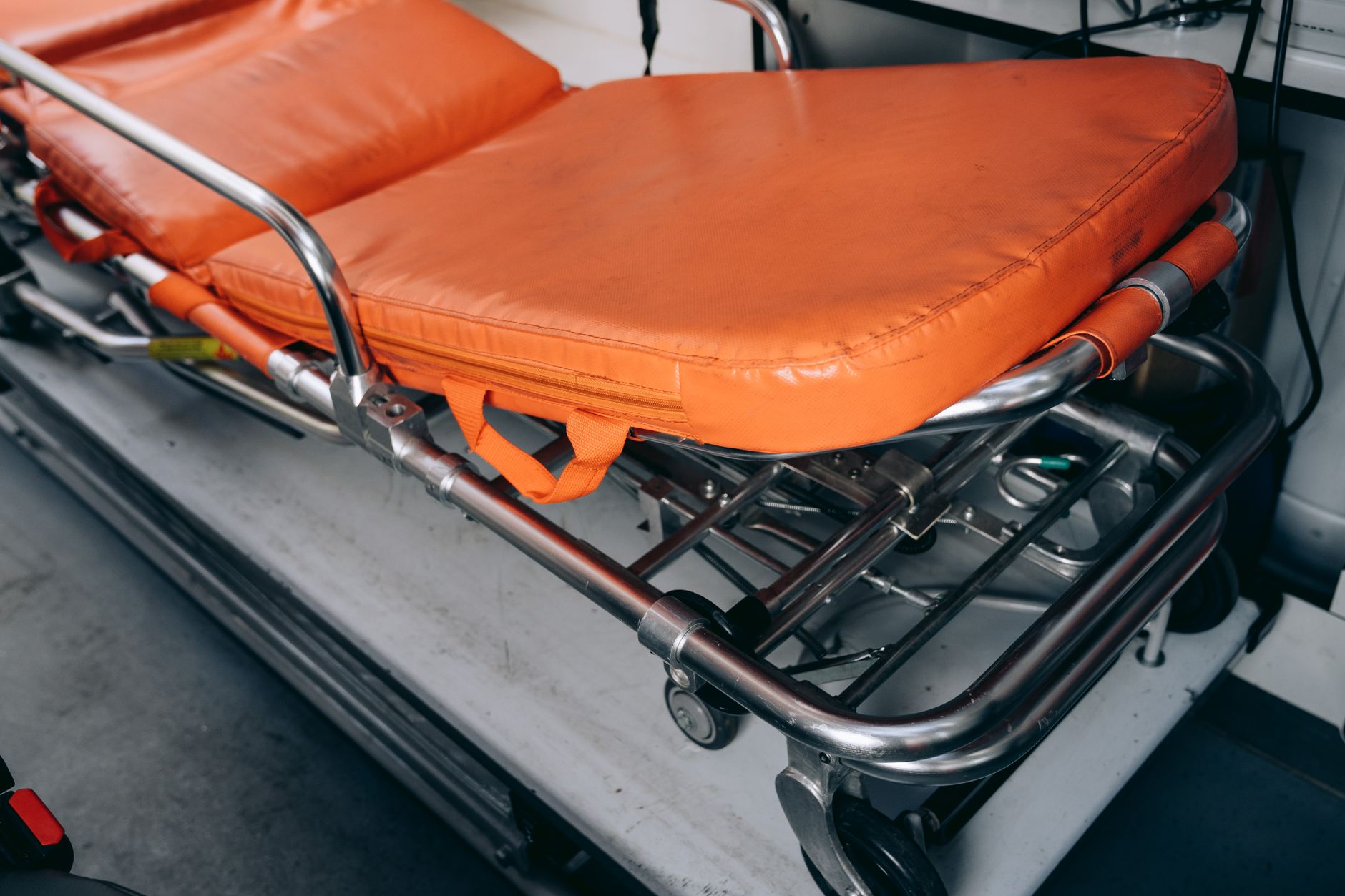
The pilot runs at BayCare's Morton Plant Hospital in Clearwater, Florida. WUSF reported that it began in April 2026 as a seven month, phased program. Rovi first moves in simple patterns in an area without patients, then moves into active clinical settings.
Empty stretcher transport comes before any patient rides. Pulse reports that no patients are transported during the current pilot. FMLink also calls the BayCare work first of its kind, a second superlative from a different outlet that adds reach but no evidence. Business Observer reports that the Clearwater health system is studying how robots can help move patients.
Why a first claim shapes the evaluation
A superlative tends to close questions early. Once a robot is labeled first, reviewers may stop asking how it compares with tugs, carts or staff runs. The conversation moves from what the machine does on a given floor to whether anyone wants to be left behind.
Pulse notes that one analysis of the launch points out the first claim has no third party validation. That observation does not prove the claim false. It means the claim has not yet been tested by anyone outside the company's own program.
A checklist for testing the first claim
Before a facility team gives a vendor's superlative any weight, it can ask the vendor and its pilot site for the following.
- Define first in writing: first to do what, in which setting, and with which patient acuity.
- Ask how many patient trips have run, over what period, and whether staff supervised them.
- Separate empty stretcher runs from loaded runs in every figure you receive.
- Request any independent evaluation, or confirm in writing that none exists yet.
- Test stretcher fit against your own equipment, not against the vendor's list of compatible brands.
- Walk the elevators, doors and handoff points on your floor plan before any run is scheduled.
- Agree on stop criteria and the staff role for each pilot phase before the phase begins.
What the evidence cannot tell you yet
The sources reviewed contain no verified figures on transport counts, time saved, staff hours or cost. Rovex has not published them in these materials, so no number from this launch belongs in a budget or a board memo.
What a fair reader can say is narrower. A pilot is running, its early phase focuses on empty stretcher moves, and patient transport is the stated goal. Whether Rovi reaches that goal in a live ward is a question the sources cannot answer yet.
Where a neutral integrator fits once a pilot is planned
Service Robot Co. is an OEM neutral integrator for US businesses. We pick the right robot for the job from any manufacturer, then lease it through financing on a three year lease with one fixed payment quoted after a site assessment. We deploy, integrate, train and service every unit under RoboCare. Our role is to fit the machine to the work, not to defend one brand's first claim.
This article does not describe any Service Robot Co. offer for Rovi. For a facility weighing a hospital delivery robot lease, the practical next step is a site assessment that maps routes, elevators and handoffs, followed by a pilot with written stop criteria.
Frequently asked questions
Want a robot working for you?
Tell us the job and the site. We will recommend the robot, quote the lease, and keep it serviced.
Sources
Service Robot Co. is not affiliated with, sponsored by, or endorsed by the companies mentioned in this article.