Key takeaways
- Inspection and maintenance robot sales reached nearly 2,800 units in the IFR sample, up 2,476% in 2024.
- The giant percentage reflects a very small comparison base as well as growing commercial deployment.
- IFR data is a global supplier sample, not a projection of total demand or a US market forecast.
- US operators should test inspection robots against route completion, data quality, avoided exposure, and response time.
What caused the 2,476% jump?
Inspection robots became the fastest-growing professional service-robot category because a small reported base met a widening set of commercially workable jobs. Asset owners can now send mobile machines through repeatable inspection routes, collect several kinds of sensor data, and keep people away from some difficult environments. A handful of fleet-scale deployments can therefore move unit counts sharply.
In its October 7, 2025 release for World Robotics 2025, the International Federation of Robotics reported nearly 2,800 inspection and maintenance robots sold in 2024, an increase of 2,476%. That percentage was far above transportation and logistics at 14%, professional cleaning at 34%, security and search and rescue at 19%, and construction and demolition at 16%.
The result does not mean inspection became the largest service-robot market. Transportation and logistics recorded 102,900 units, hospitality exceeded 42,000, and professional cleaning exceeded 25,000. Inspection was the breakout growth category, but it remained a comparatively small one.
What did the IFR count as an inspection robot?
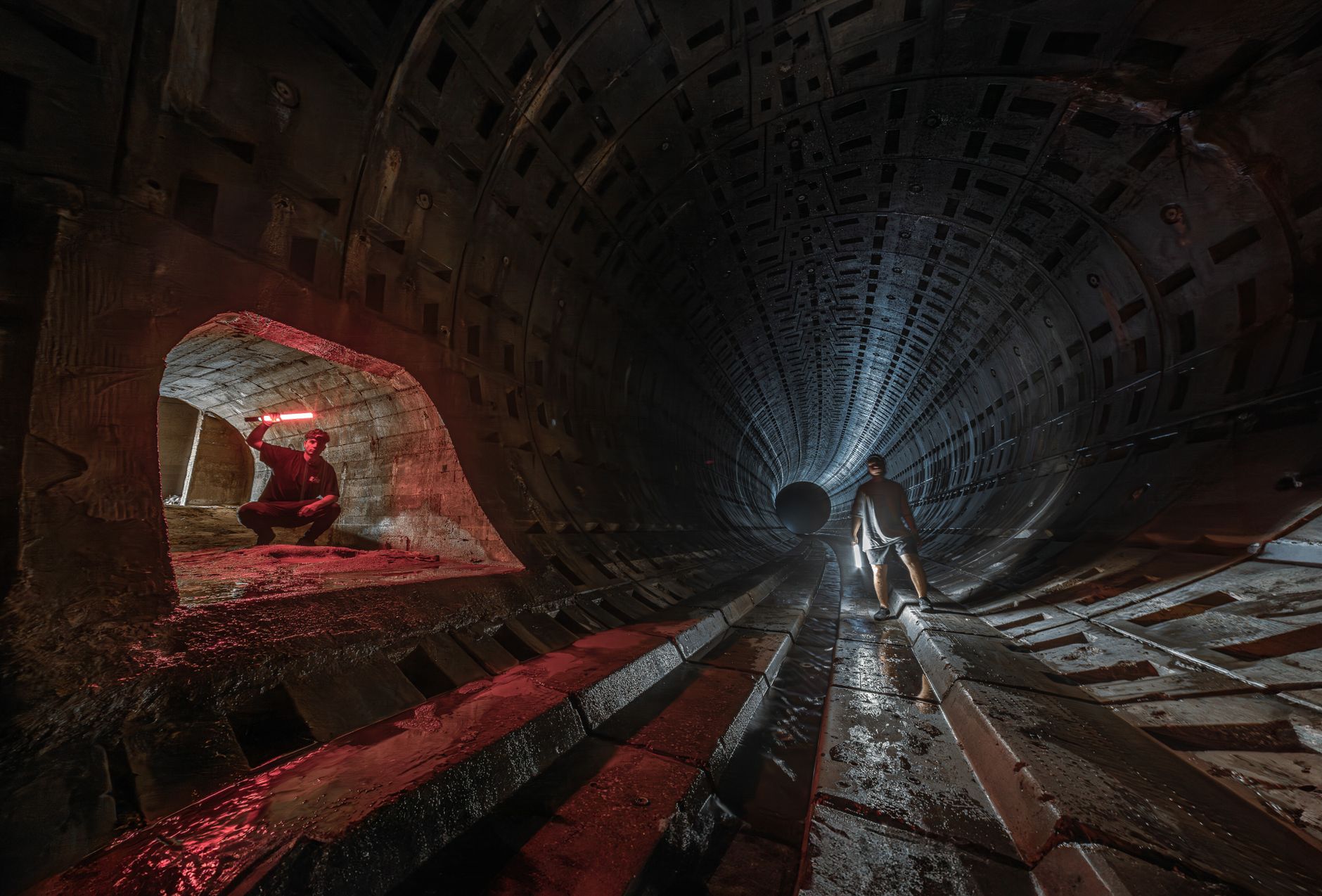
The category is narrower than the everyday phrase robotic inspection suggests. IFR classifies autonomous machines for finding damage in buildings, industrial plants, bridges, tunnels, tanks, tubes, pipes, and sewers under inspection and maintenance. Other inspection applications sit in a catchall class within the same group.
Crucially, the IFR does not include the many inspection devices operated entirely by manual remote control. Its methodology requires at least a basic autonomous function, such as navigation, for most machines in this category to qualify as robots.
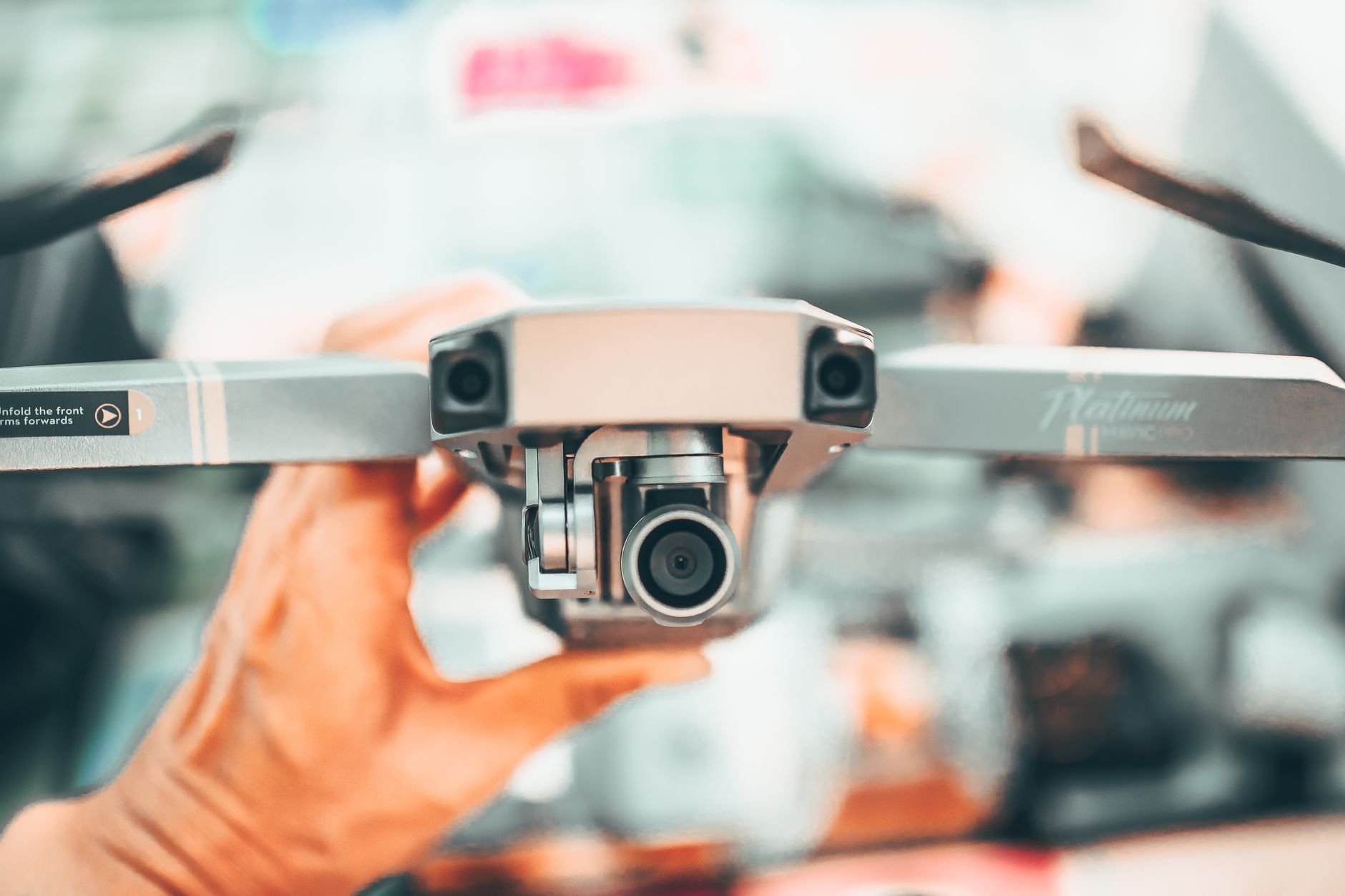
The scope also does not automatically include every inspection drone. IFR generally excludes aerial machines and considers them only in special cases, particularly when they have full autonomy. The 2,800-unit figure is therefore not a count of every crawler, camera, drone, or remotely operated inspection tool sold worldwide.
How much of the surge came from a small base?
A 2,476% increase means the reported total became roughly 25.76 times the comparison level. Applying that ratio to a figure near 2,800 implies a prior base of only about 109 units. Because 2,800 is itself an approximate number, 109 should be treated as explanatory arithmetic, not an official IFR total.
That tiny denominator matters. Adding several hundred units to transportation would barely disturb its 102,900-unit base. Adding the same number to a category starting near one hundred produces a spectacular percentage. Inspection can be both genuinely ascendant and statistically flattered by its starting point.
The shape of inspection deployments can magnify this effect. A successful route at one plant may be replicated across similar substations, utility corridors, warehouses, or processing sites. One program moving from a few trials to many production units can reshape a small annual sample.
Why are inspection tasks becoming practical robot jobs?
Inspection is rich in work that is repetitive for the operator but demanding for the equipment. The route may be stable, while the robot must handle low light, narrow clearances, uneven surfaces, radio shadows, dust, moisture, or heat. Better mobility, navigation, sensing, and remote triage make more of those routes technically credible.
The output is also becoming more useful. A robot can return geotagged visual, thermal, acoustic, or gas readings from approximately the same viewpoints on successive rounds. That repeatability helps teams compare conditions over time instead of sorting through loosely documented photographs and handwritten observations.
Most inspection robots still do not diagnose an asset or perform maintenance independently. Their near-term value is disciplined data acquisition. They extend the reach of inspectors and maintenance specialists, who remain responsible for interpreting findings, setting priorities, and authorizing work.
Risk reduction strengthens the operating case
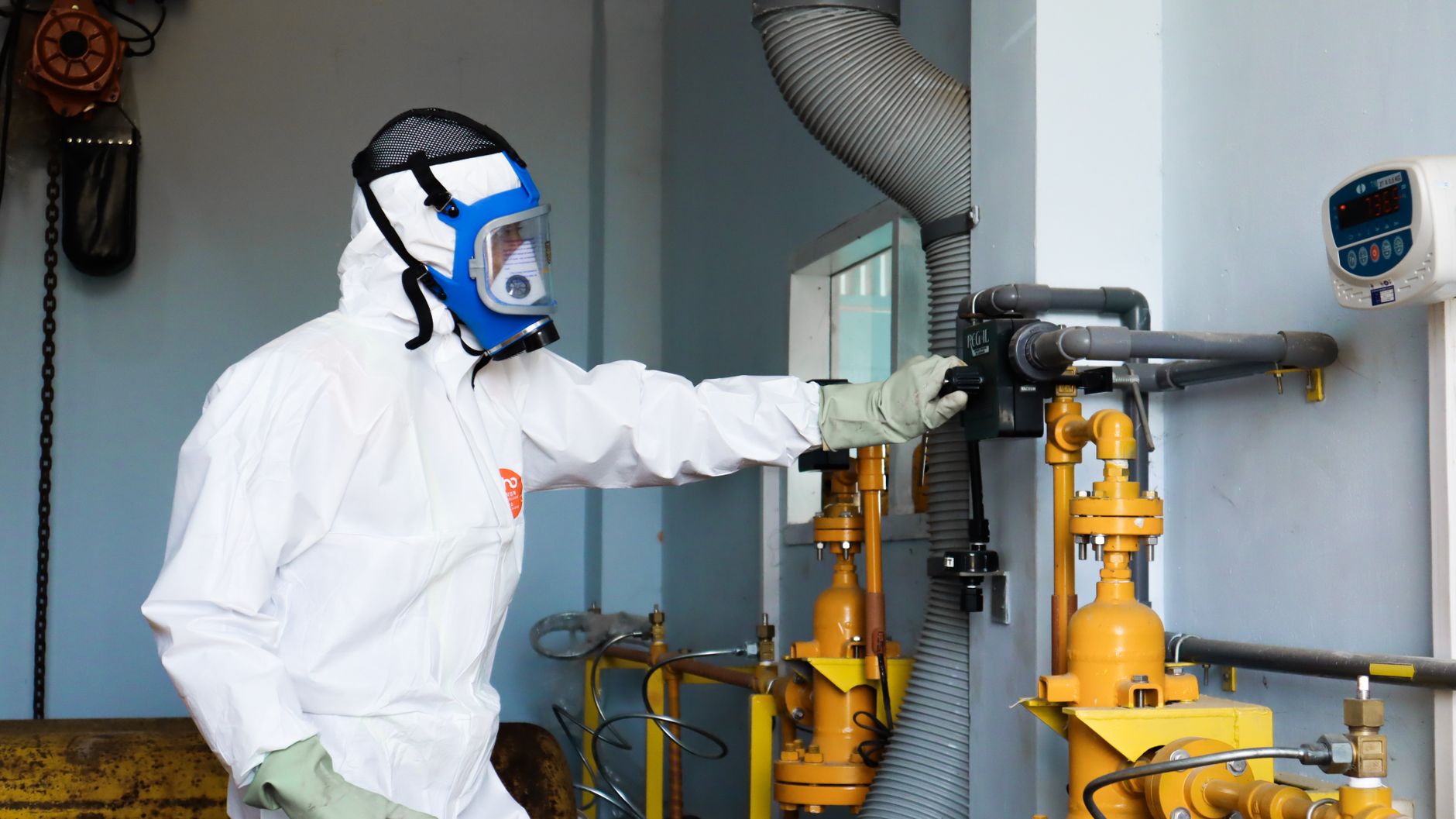
Some inspections involve confined spaces, elevated areas, energized equipment, unstable surfaces, or environments with poor air quality. Removing every human entry is rarely realistic, but sending a machine first can reveal conditions, locate anomalies, and help teams prepare a more focused intervention.
OSHA’s general-industry confined-space standard requires employers to identify permit spaces, evaluate hazards, control entry, and test atmospheric conditions where applicable. A robot can reduce exposure or gather preliminary evidence, but it does not cancel those duties when an employee must enter.
This distinction belongs in every inspection robot pilot. The business case should count entries avoided, time spent in hazardous zones, and better work planning. It should not assume that buying a robot automatically removes permits, attendants, rescue planning, lockout procedures, or human inspection obligations.

What are the data’s methodological limits?
The IFR is explicit that its service-robot figures are sample data. The 2025 report used information from 294 suppliers out of 944 producers known to the federation, including 51 sampled companies with no sales. Data came from suppliers, national associations, public records, and desktop research.
The figures are not projected to the whole industry. IFR describes them as a minimum sales level, not a complete global market total. The sample included 66 North American suppliers, but the published category total is global and cannot establish how many inspection robots US operators purchased.
Sample composition also changes between survey waves. IFR says the statistics should be interpreted as cross-sectional and strongly discourages building time series by compiling different annual reports. Consequently, the 2,476% jump is evidence of a powerful movement inside the 2025 survey sample, not proof that the entire global market expanded by precisely that rate.
What should US operators take from the signal?
Treat the result as a prompt to examine suitable jobs, not as a forecast. The strongest candidates have frequent or costly rounds, repeatable routes, measurable inspection criteria, and findings that trigger a defined response. A remote corner visited once a year may be less compelling than a critical route checked every shift.
Before requesting an inspection robot lease or purchase proposal, document the present workflow and its exceptions. A commercial robot demo should use the real environment, including weak communications, reflective surfaces, ramps, thresholds, debris, and the least accessible inspection point.
A useful robot pilot program measures new operational evidence rather than theatrical autonomy.
- Route completion rate without manual rescue
- Percentage of images or sensor readings usable by inspectors
- Time from anomaly capture to maintenance disposition
- Human entries and exposure hours avoided
- Robot uptime, recovery time, and missed-round frequency
Procurement should follow the inspection mission
The IFR also reported that the overall robot-as-a-service fleet grew 31% to more than 24,500 units in 2024. That figure covers professional service robots broadly and is not inspection-specific, but it shows why commercial robot leasing, robot leasing for business, and a monthly lease are becoming credible adoption paths.
Ownership is only one variable. Buyers must match locomotion, ingress protection, communications, docking, sensor payloads, data retention, remote triage, and robot maintenance to the route. RoboCare™ service in a contract is valuable only when response coverage and replacement responsibilities are explicit.
Service Robot Co. acts as an OEM-neutral, vendor-neutral robot integrator for US businesses. The company selects equipment across manufacturers, then handles financing, robot deployment and integration, site assessment mapping, training, go-live support, and service through a nationwide engineer network. That one-partner lifecycle matters when an inspection program expands from one unusual machine into a mixed fleet.
Frequently asked questions
Want a robot working for you?
Tell us the job and the site. We will recommend the robot, quote the lease, and keep it serviced.