Key takeaways
- On-device inference can preserve perception, local decisions, and safe task continuity during brief network gaps.
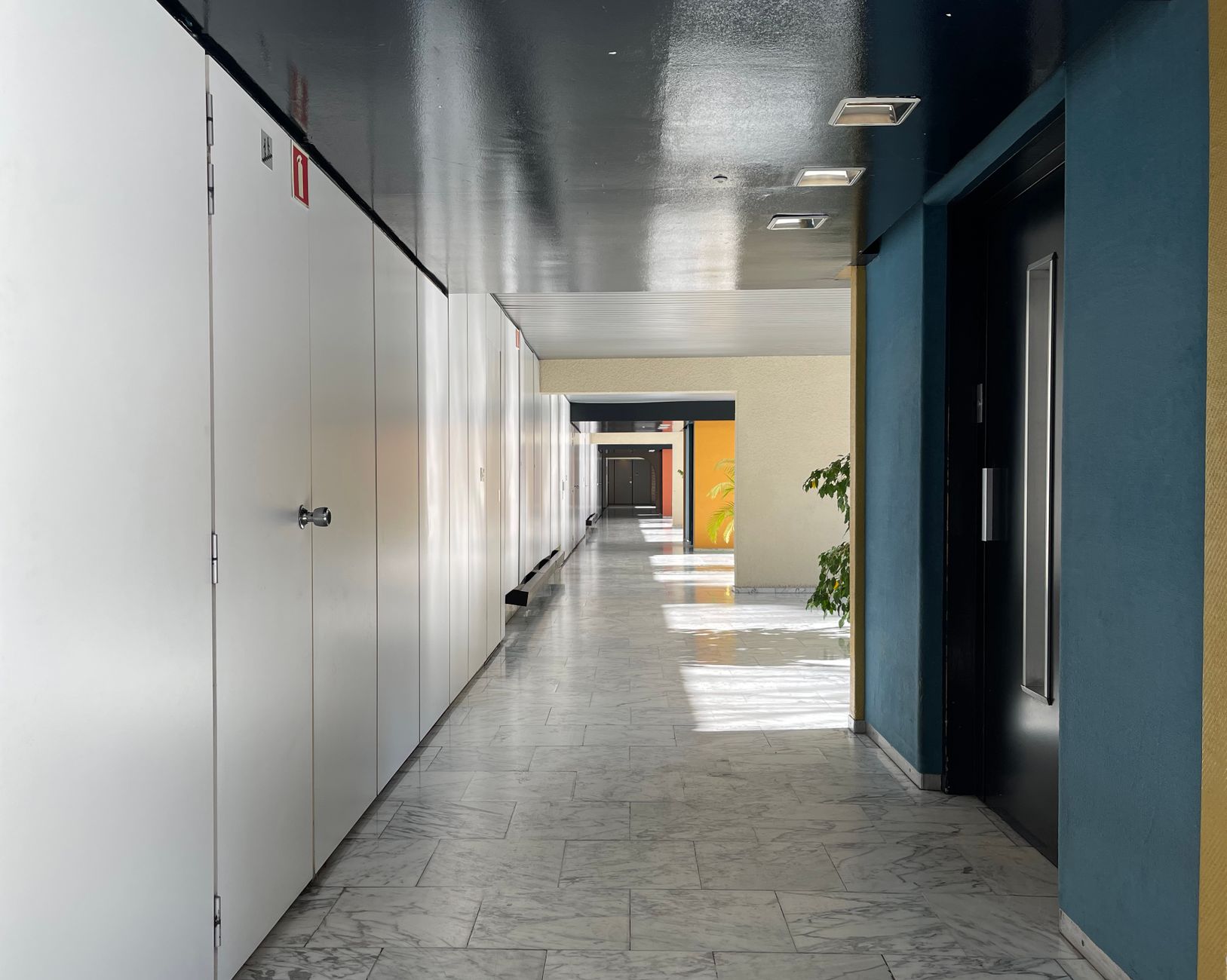
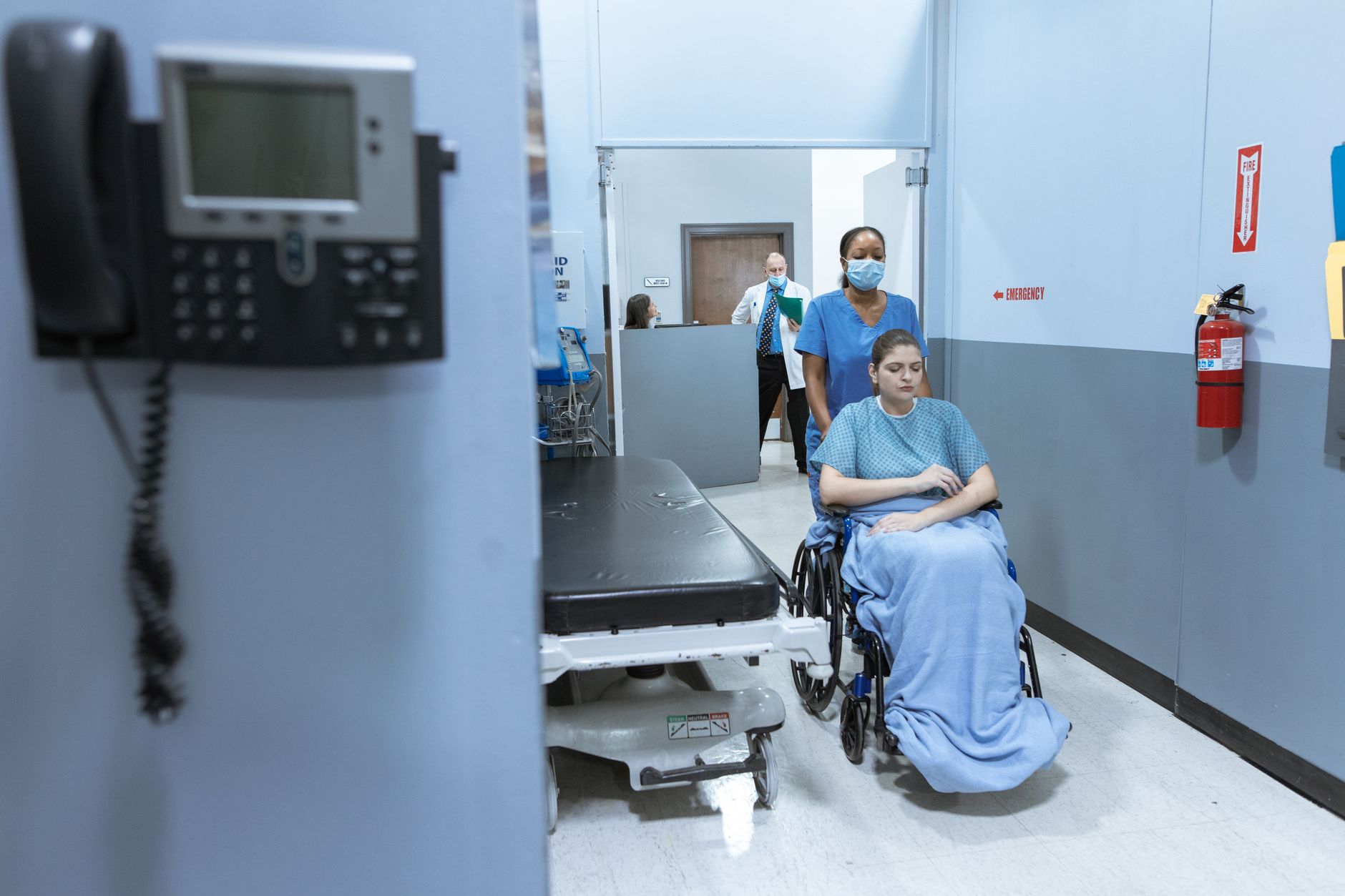
- Elevators, basements, interior rooms, and shielded clinical areas deserve route-level connectivity testing.
- Offline AI does not replace cloud dispatch, enterprise records, remote support, or safety-rated controls.
- The practical design is hybrid: local autonomy for immediate action and fleet infrastructure for coordination and oversight.
What does offline AI change for a robot fleet?
Offline AI moves time-sensitive perception and decision-making onto the robot. If the network drops in an elevator, basement, interior corridor, or shielded clinical area, a properly designed robot can still interpret its sensors, avoid obstacles, follow a local route, and reach a defined safe state. That is operational resilience, not total independence from digital infrastructure.
Google DeepMind made the trend concrete on June 24, 2025, when it introduced Gemini Robotics On-Device. The company described the vision-language-action model as optimized to run locally with low-latency inference and independently of a data network. It also said developers could adapt the model to new domains with as few as 50 to 100 demonstrations.
The commercial lesson is narrower than the headline. A local model can keep selected functions alive, but it does not automatically preserve elevator calls, work-order downloads, remote triage, centralized robot fleet management, or records sent to hospital and warehouse systems. Buyers need a written map of what continues, pauses, queues, and stops when connectivity disappears.
Why do facilities create connectivity dead zones?

Commercial buildings are hostile radio environments. Reinforced concrete, masonry, metal doors, equipment, long interior routes, and changing elevator-car positions can weaken or block wireless links. The National Institute of Standards and Technology has documented signal loss in shielded or complex environments including basements and elevator shafts, and its field research identifies tunnels and rooms deep inside buildings as places where radio communication can be impaired.
A delivery robot for elevators crosses several network domains in minutes. It may leave enterprise Wi-Fi, enter a metal enclosure, exchange commands with an elevator controller, arrive on a floor with different access points, and then approach an interior destination. A multi floor delivery robot must handle each transition predictably. Strong lobby coverage proves almost nothing about the whole route.
Clinical facilities add another wrinkle. Some imaging and procedure spaces control radio-frequency emissions or use shielding, and dense equipment can alter propagation. Local inference can reduce dependence on a continuous external link, but deployment still requires facility approval, interference review, privacy controls, and a route that respects restricted zones.
What can a robot realistically do offline?
The useful offline envelope depends on what software, maps, credentials, and compute are actually stored aboard the unit. Many mobile robots already perform core localization and obstacle response locally. Newer on-device AI can extend local interpretation, such as recognizing a changed scene or selecting among approved actions, without waiting for a remote model on every step.
A credible offline specification should name functions, time limits, and recovery behavior. It should never rely on the vague claim that the robot has edge AI.
- Continue local obstacle detection, speed control, localization, and route following using cached maps.
- Finish an already assigned task when all required permissions and destination data are cached locally.
- Queue telemetry, images, and completion records for encrypted upload after the link returns.
- Reject a new instruction that cannot be authenticated or validated without a server.
- Pause at a designated refuge point if localization confidence falls or a building interface cannot confirm state.
- Reconnect, reconcile task status, and avoid duplicate work after communications recover.
What still needs the cloud and fleet infrastructure?
Offline inference does not create a fleet-wide source of truth. Cross-robot traffic control, new job assignment, enterprise authentication, dashboards, remote operator sessions, software distribution, analytics, and long-term event storage often live on site servers or in the cloud. If those services are unreachable, a robot may remain physically capable while the larger workflow is temporarily unavailable.
The National Institute of Standards and Technology describes the trade-off clearly. Its cloud-edge analysis notes that a remote cloud can be 150 milliseconds or more round trip from an endpoint, while cloud systems are well placed for shared data and connected services. The right architecture assigns fast, immediate control to the robot and shared coordination to infrastructure built for it.
- Elevator dispatch, automatic doors, badge systems, and building management interfaces may require reachable gateways.
- Fleet-wide congestion control needs current positions and reservations from every participating robot.
- New work orders and inventory, medication, or meal records depend on the authoritative business system.
- Remote assistance requires a communications path even when local autonomy remains healthy.
- Model updates, certificate renewal, audit export, and long-horizon analytics can be delayed, but they cannot be abandoned.
On-device AI is not the safety system
A generative or vision-language-action model should not be treated as the final authority for braking, protective stops, force limits, or emergency-stop behavior. Google DeepMind's 2025 announcement said its models interface with low-level safety-critical controllers, and it recommended end-to-end evaluation and red-team exercises. Its July 2026 on-device model card also recommends layered controls and lists mobile-platform and whole-body risks outside the evaluation scope of that model.
OSHA's technical guidance likewise describes robot systems as more than an AI model. Sensors, processors, control software, power sources, and communication interfaces all belong to the system, while safety-related controls can slow or stop motion. Network loss therefore belongs in the hazard analysis alongside sensor faults, blocked routes, localization loss, and power interruption.
The proper failure mode is task-specific. Stopping inside an elevator doorway may be worse than completing a short exit maneuver. Continuing toward a medication destination with stale authorization may be worse than parking. The risk assessment must define that distinction before go-live.
How should buyers test offline performance?
Do not accept a conference-room demonstration as proof. A robot pilot program should include deliberate network interruption on the real route, during representative traffic, with doors, elevators, people, carts, glare, and reflective surfaces present. Site assessment mapping should record communications quality beside navigation risk, not in a separate document that operations never sees.
For an AMR fleet deployment, test short dropouts, prolonged outages, partial service failures, and restoration. Capture what the robot did, what staff saw, what the dashboard reported, and how records reconciled. The acceptance test should use observable pass or fail criteria.
- Disconnect the wide-area link while leaving local Wi-Fi active, then reverse the condition.
- Interrupt connectivity before task assignment, during travel, inside the elevator, and at handoff.
- Verify local storage limits, encryption, timestamp integrity, and queued-data upload.
- Confirm that stale commands expire and that duplicate tasks are not created after reconnection.
- Measure stop location, alert delay, recovery time, and the staff steps required for release.
- Repeat the test after software updates and after any material change to the route or building network.
A hybrid architecture is the practical target
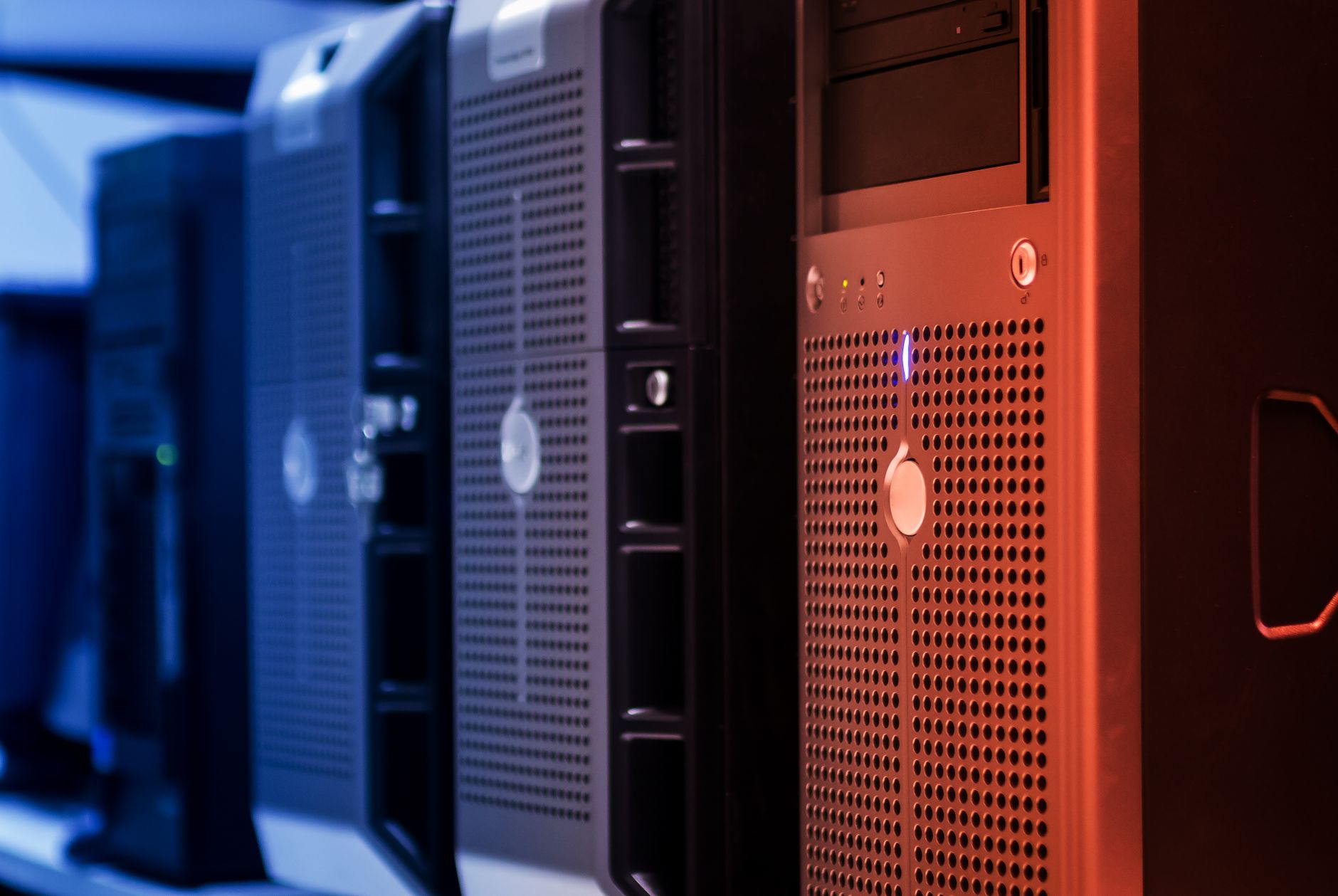
Pure cloud control makes physical work vulnerable to every network pause. Purely isolated robots lose the coordination, observability, updates, and enterprise context that make a fleet manageable. The practical pattern is local-first execution inside a connected operating system.
That means the robot retains the minimum data and capability needed for safe, bounded work. A local facility gateway can keep building interfaces available when the internet fails. Central services handle fleet optimization, reporting, identity, remote support, and software governance when links are healthy. Store-and-forward records bridge the gaps.
This division also improves diagnosis. Operators can distinguish a robot fault from a building-network fault, a cloud-service fault, or an elevator-interface fault. That distinction matters when a hospital delivery robot lease or autonomous mobile robot leasing program carries service commitments across many sites.
Choosing a fleet that fails safely
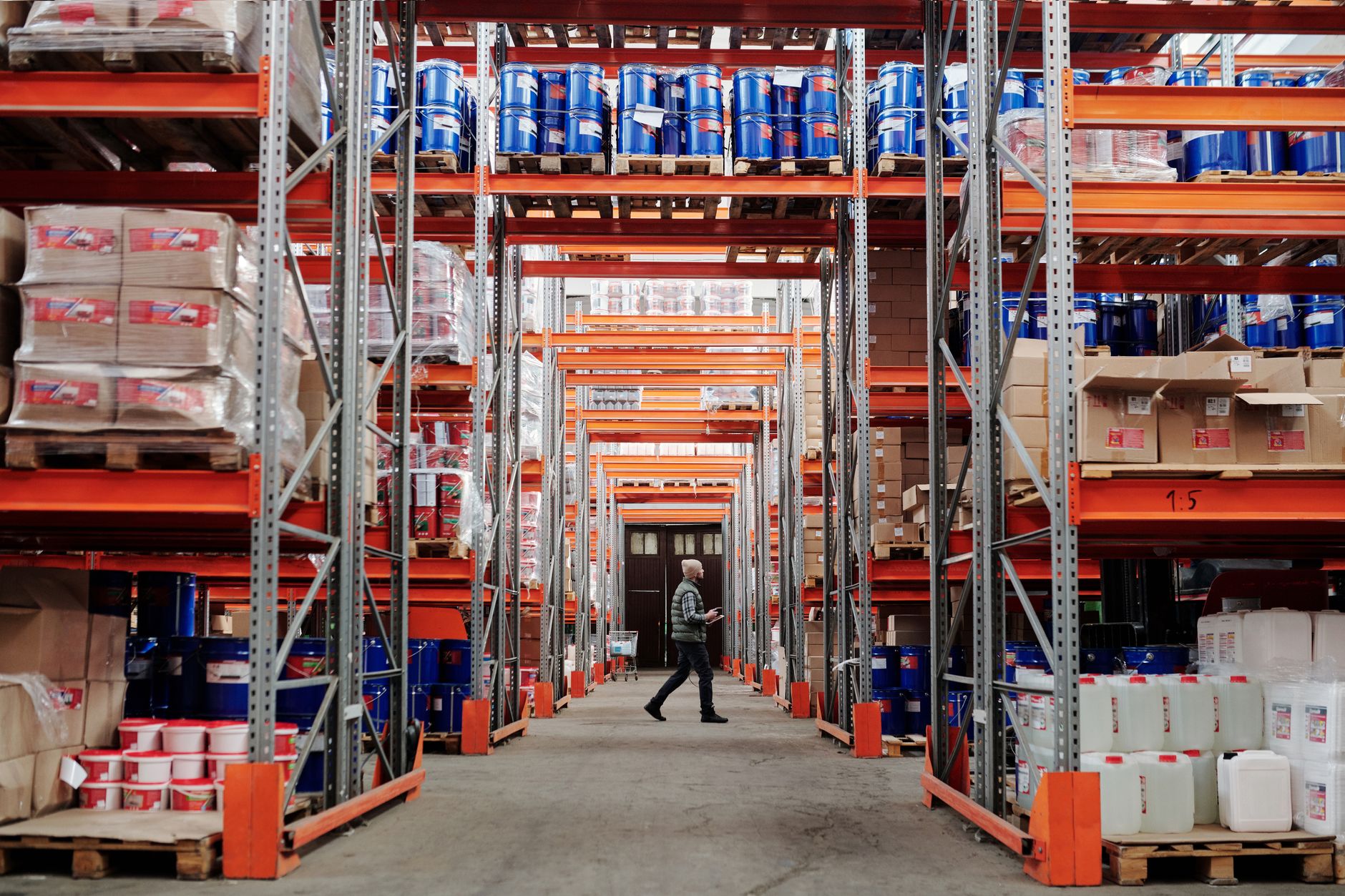
Procurement should start with jobs and failure modes, not a processor label. Ask each vendor to provide an offline capability matrix, network diagram, data-flow inventory, recovery sequence, software-update policy, and evidence from the intended environment. For robot leasing for business or a commercial robot lease, put those behaviors into acceptance criteria and the robot maintenance service plan.
Service Robot Co. acts as an OEM-neutral, full-service commercial robot integrator for U.S. businesses. The team selects equipment across manufacturers, then finances, deploys, integrates, trains, and services each unit through a nationwide U.S. engineer network. That lifecycle view is valuable here because offline behavior crosses the robot, facility network, building controls, staff procedures, and service desk.
One vendor for the whole lifecycle also creates clear ownership when a route fails. Remote triage can identify the failing layer, on-site dispatch can address physical or network causes, and deployment records can guide recovery. The aim is not a robot that never needs connectivity. It is a fleet that performs useful work through ordinary gaps, fails safely during larger outages, and returns to coordinated operation without corrupted records or guesswork.
Frequently asked questions
Want a robot working for you?
Tell us the job and the site. We will recommend the robot, quote the lease, and keep it serviced.