Key takeaways
- Golfdom reported that 63% of superintendents rated the labor market bad or very bad.
- Recurring fairway passes are the hours most easily moved to a scheduled robot.
- Greens, tees, bunkers and supervision stay with the crew.
- Map exclusion zones, slow areas and charging spots before the first unattended run.
- Test with one nine or one zone, measure crew hours, and only then scale.
Can scheduled autonomous fairway cuts take load off a thin crew?
Often, yes, but only for one slice of the work. Superintendents describe a labor shortage that has stayed hard to close, and the fairway and rough passes that repeat every week are the hours most likely to pull people away from greens and tees. A mowing run that a robot executes on a fixed schedule can absorb those recurring passes.
The catch is that a robot does not replace agronomic judgment, bunker work or a person on the course. It changes where the crew spends its hours. The useful question is which passes can run unattended, and what still needs hands when they cannot.
Below we look at the labor data, where the hours go, what to map before anything runs, and how a site can test the idea before it commits.
How hard is the labor market for superintendents right now?
Golfdom's April 2025 lead article, Winning an unfair game, reported that 63% of superintendents rated the labor market bad or very bad, citing a GCSAA labor survey. The same article described the labor gap as ongoing, and a companion piece said golf remains in a post-COVID boom period.
The survey year is less settled than the headline. Golfdom ties the 63% to a 2022 GCSAA survey, and GCSAA's operations surveys page lists a 2022 capital budget and labor survey. Other secondary sources attach the same 63% to earlier surveys, so check GCSAA's own report before quoting a year.
Older trend figures that circulate online could not be traced to a GCSAA primary page in our check, so we leave them out.
Where do fairway hours go when the crew is thin?
A week on a course stacks greens, tees, bunkers, collars, cart paths and rough, and fairways sit in the middle of that list. Fairway passes repeat on a calendar that cannot slip far without showing in play, so they claim the morning hours that greens and tees also need.
When a crew runs short, the cost shows up in sequence rather than in one dramatic failure. Greens start late, tee boxes wait for hand work, and tournament weeks pull routine tasks off the schedule. Across a season, those small delays add up.
What does an autonomous fairway cut replace, and what stays?
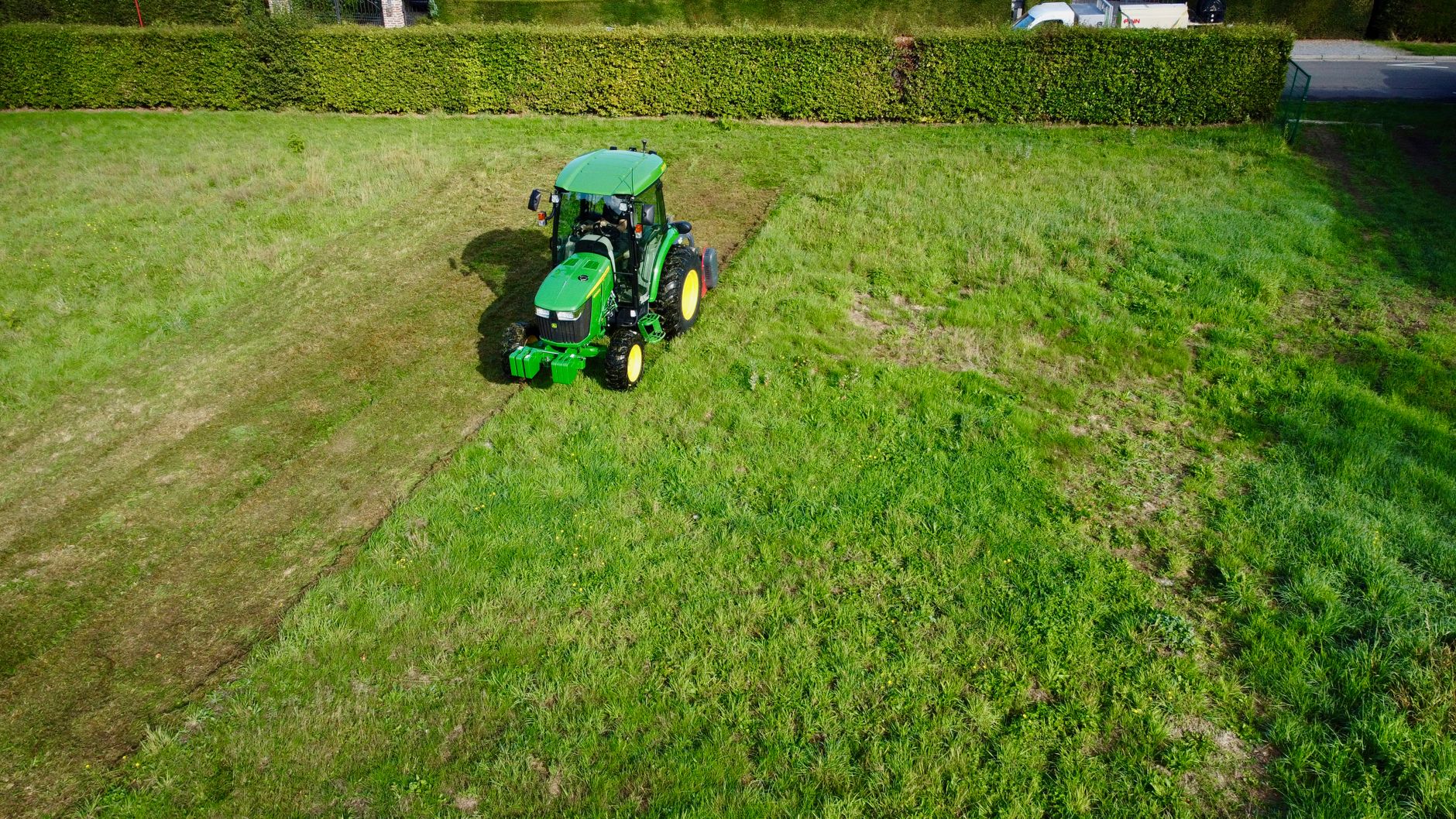
A scheduled autonomous mower replaces recurring operator time on the passes it can run unattended, usually the broad fairway and rough sections that repeat on a fixed calendar. The route is set in advance, so the crew stops spending a morning on the same loop each week.
What it does not replace is the hands-on work that defines quality. Greens, tees, bunker faces, hazard edges and the inspections that tell a superintendent what the turf needs all remain with the crew. The robot shifts hours. It does not remove the need for a skilled person to judge the cut.
Check any performance claim against the course's own maps and run logs, not against a catalog acreage figure.
What must be mapped and set before a fairway robot runs?
Before a fairway mower runs unattended, the course needs a map drawn from how it is actually played. The schedule also has to fit member play, tournaments and the crew's own calendar. Most of the setup is planning, not hardware.
A course that skips these steps usually finds the gaps in the middle of a busy week, which defeats the purpose of scheduling the cuts.
- Mark exclusion zones such as greens, tee boxes, bunkers and sensitive turf before the first run.
- Log cart paths, drains and slow zones where the robot should reduce speed.
- Choose a charging spot that does not block play or cart traffic.
- Set pause rules for lightning, tournament days and maintenance events.
- Name the person who reviews the run log each morning.
How should a crew test the idea before committing?
Start with one nine, one fairway zone or one repeatable route rather than the whole property. Record crew hours on those passes for several weeks before the robot runs, then repeat the same measures afterward. Track missed passes, interruptions to play and any hand work the robot creates.
Service Robot Co. is a full-service commercial robot integrator for US businesses. We are OEM-neutral, so the mower choice follows the course's layout and workload rather than one manufacturer's catalog. We deploy, integrate, train and service each unit through a nationwide US engineer network, and we offer a 3-year robot lease with one fixed robot lease payment quoted after a site assessment.
For a crew that wants to start with one leased unit, that means one partner handles robot deployment and integration, training and on-site dispatch, instead of coordinating several vendors.
Who keeps the robot running when the crew is already stretched?
A robot that waits on a slow repair becomes one more task on a short list. The practical question is who answers a fault during a busy morning, and how quickly a unit gets back on its route.
Ask for those answers in writing before signing. A robot maintenance service plan should name remote triage, on-site dispatch, software updates and battery care, and it should explain how coverage works if a unit goes down during peak weeks.
Frequently asked questions
Want a robot working for you?
Tell us the job and the site. We will recommend the robot, quote the lease, and keep it serviced.