
a multi-client logistics campus near Toronto operating around the clock with heavy forklift traffic
How a 1.2M Sq Ft Logistics Hub Saved 300+ Scrubbing Hours
A 1.2M sq ft logistics hub saved 300+ labor hours and autonomously cleaned 3.5 million square feet using one overnight scrubber and ten mapped plans.
- 300+
- Hours saved
- 3.5M sf
- Area cleaned
- 1.2M sf
- Facility size
- 10
- Cleaning plans
Based on a documented real-world deployment. Figures are from public reporting; the organization is not named.
Forklifts, dust, and a floor that never sleeps
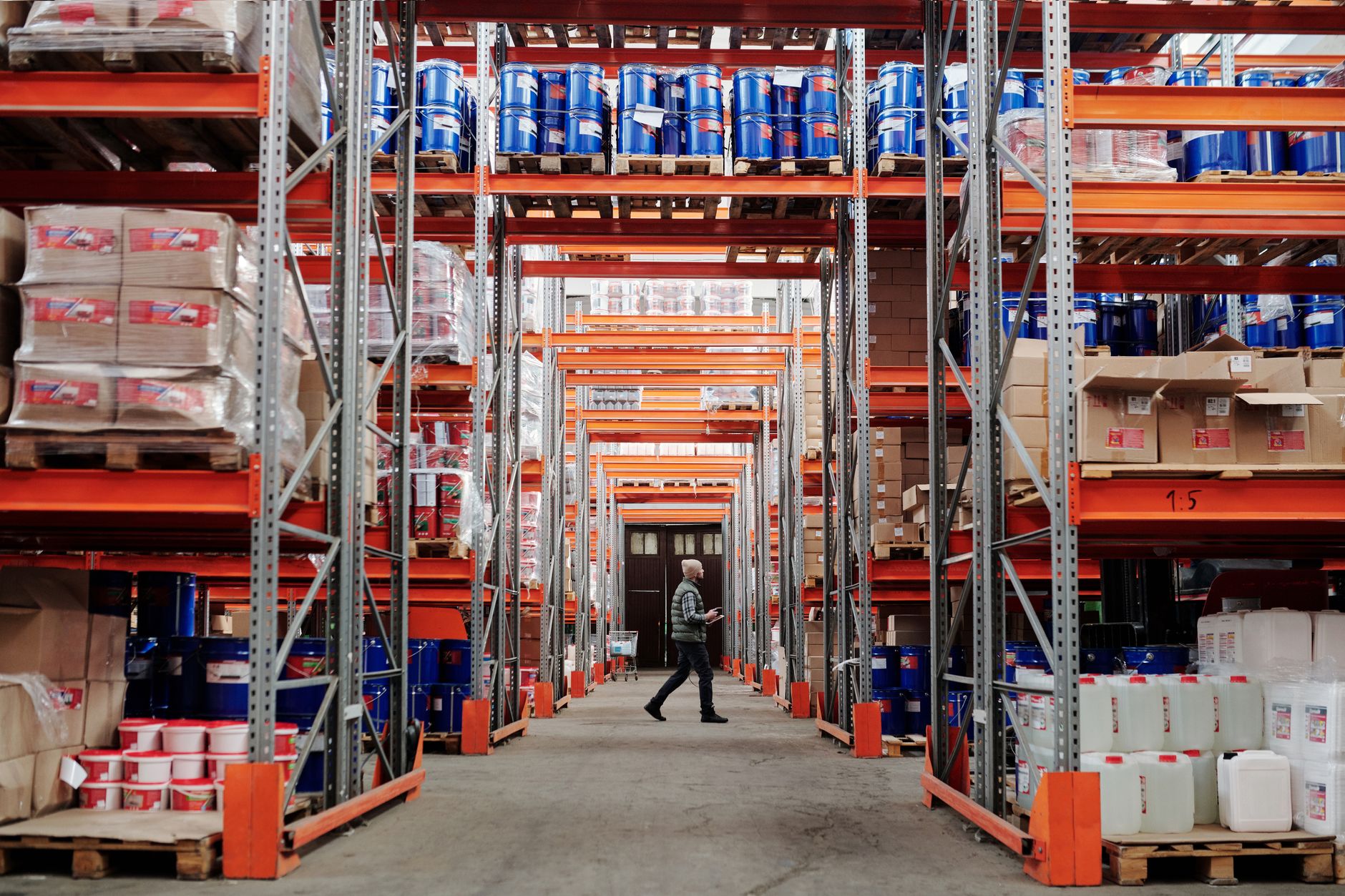
A multi-client logistics campus near Toronto operating around the clock with heavy forklift traffic needed spotless concrete without pulling warehouse staff off picking and loading work. Manual scrubbing competed with aisles that stayed busy most of the week.
Leadership wanted verified coverage data, not guesswork from self reported walkthroughs. They also needed overnight cycles that would not tangle with day shift equipment moves.
- 24/6 operations with constant forklift traffic
- Fine dust from pallet and product handling
- Limited custodian time for full building passes
- No reliable metrics on manual scrubbing quality
One robot, ten plans, overnight handoffs
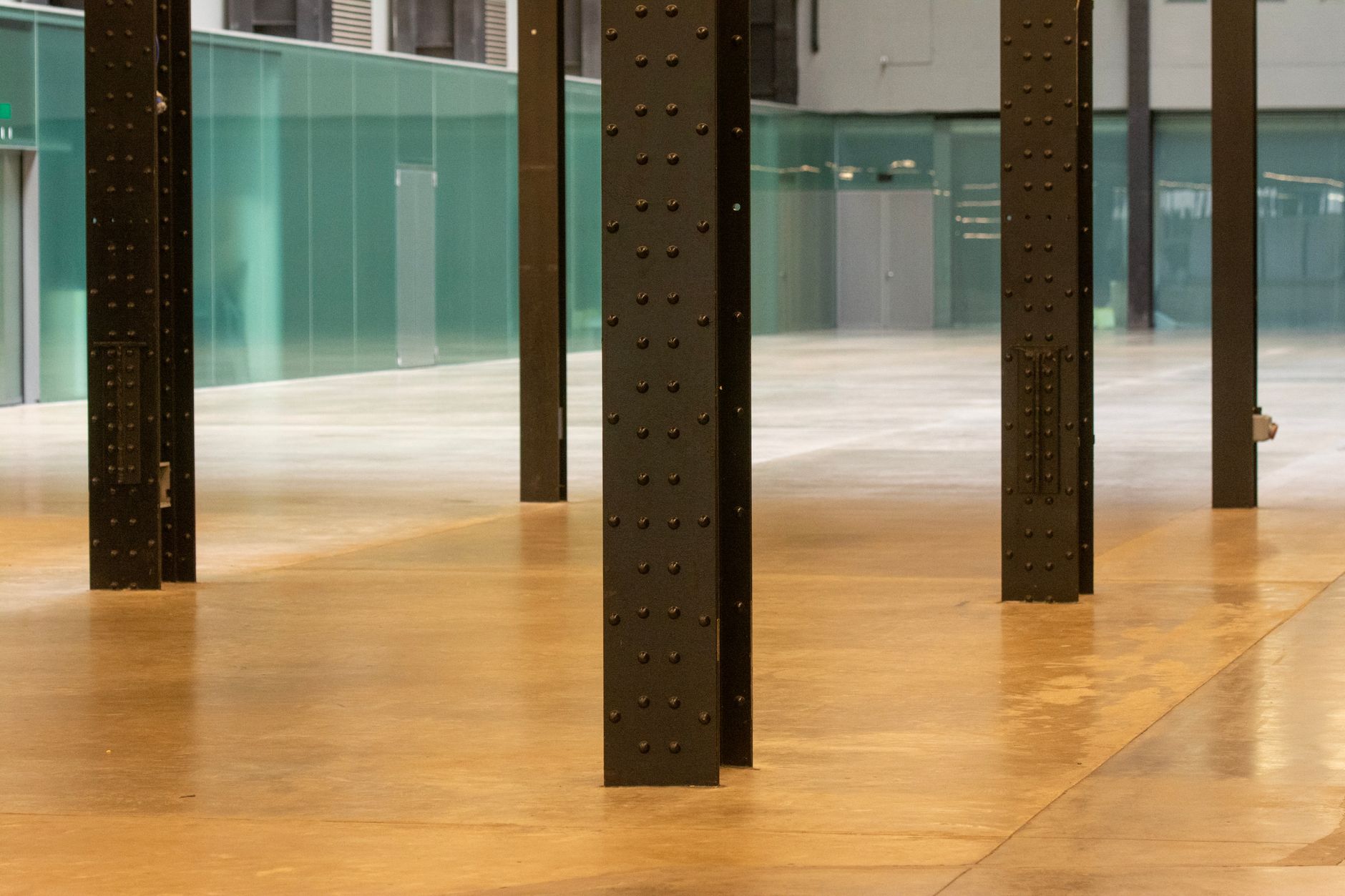
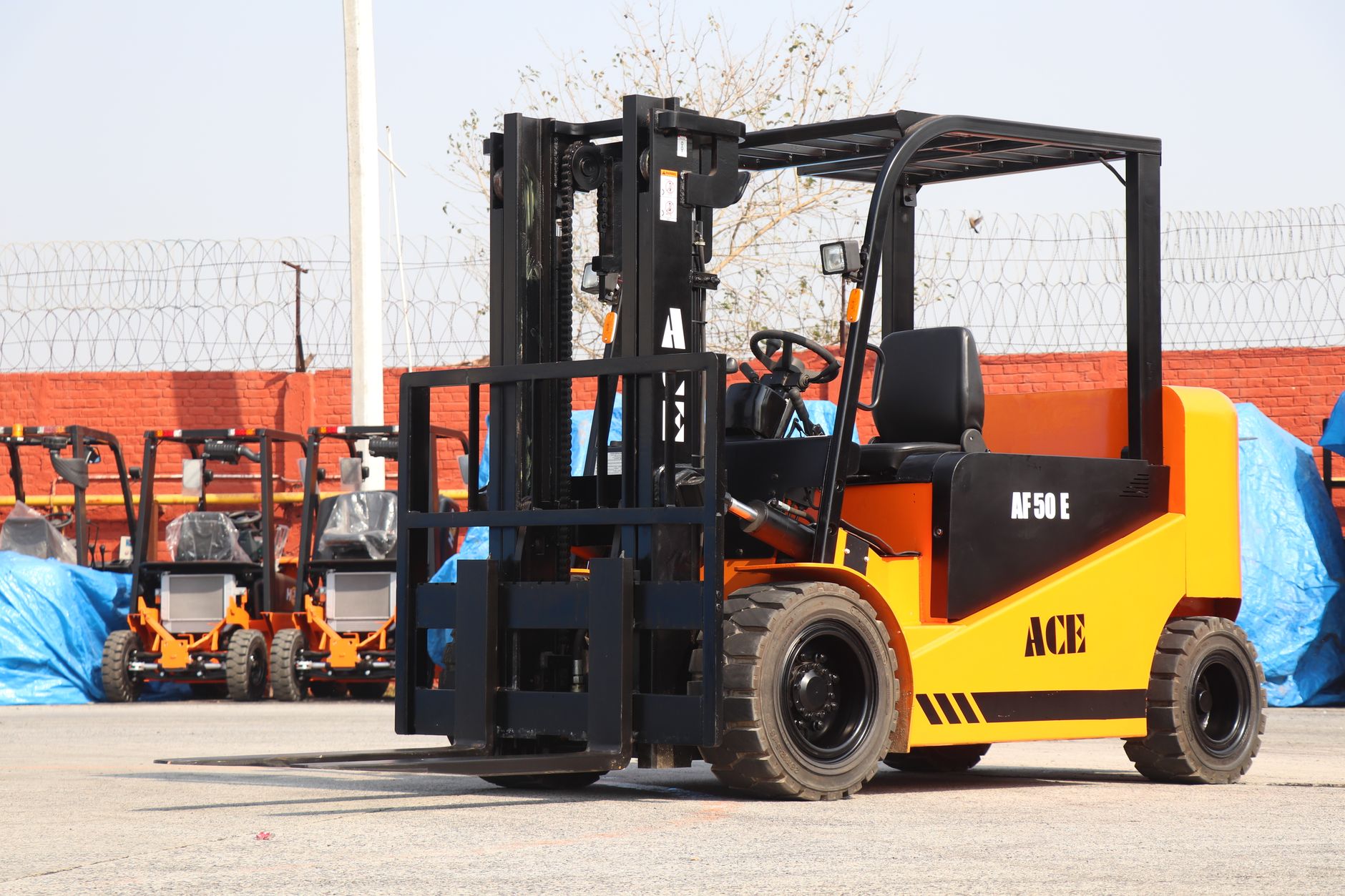
Operations piloted a fully autonomous floor scrubber with the supplier team and built ten unique cleaning plans across the 1.2-million-square-foot building. The robot deployed overnight on an internal schedule while a custodian dropped it at the plan start point and retrieved it at a fixed morning pickup location.
That drop and go rhythm let a single unit scrub the entire facility end to end in about two weeks before the cycle repeated. Reporting from the robot replaced anecdotal notes with maps of covered area and time on floor.
- Map zones around dock doors and rack aisles first
- Run overnight when forklifts are off the floor
- Rotate through ten plans to cover the full footprint
- Review coverage reports weekly with operations leads
Documented hours and square footage back
From summer 2020 through April 2021, the published case study reports just over 3.5 million square feet cleaned autonomously and more than 300 labor hours saved versus conventional scrubbing methods.
Managers described reallocating people to core warehousing tasks while the robot handled repetitive floor miles. Consistency improved because the same routes ran whether staffing was tight or not.
Lessons for US 3PL and DC operators
This is a documented market example, not a Service Robot Co. deployment. It shows how one autonomous scrubber can cover a megasite when plans are mapped and nights are protected.
Service Robot Co. helps US logistics operators replicate the discipline with OEM-neutral selection, buy or lease financing, site assessment mapping, and RoboCare service through a nationwide network of regional engineers.