
a U.S. wood-furniture manufacturer operating a 1.4 million-square-foot assembly plant
How a 1.4M-Sq.-Ft. Furniture Plant Replaced Three 8-Hour Cart Runs With AMRs
A wood furniture plant automated receiving-to-line cart shuttles with three warehouse AMRs, freeing three full-time drivers and carrying up to 1,250 lb per loop.
- 1.4M sq ft
- single-campus footprint
- 3×8 hrs
- daily cart labor replaced
- 1,250 lb
- max payload per trip
- 3 AMRs
- fleet on continuous loops
Based on a documented real-world deployment. Figures are from public reporting; the organization is not named.
Parts traffic could not keep pace with the floor plan
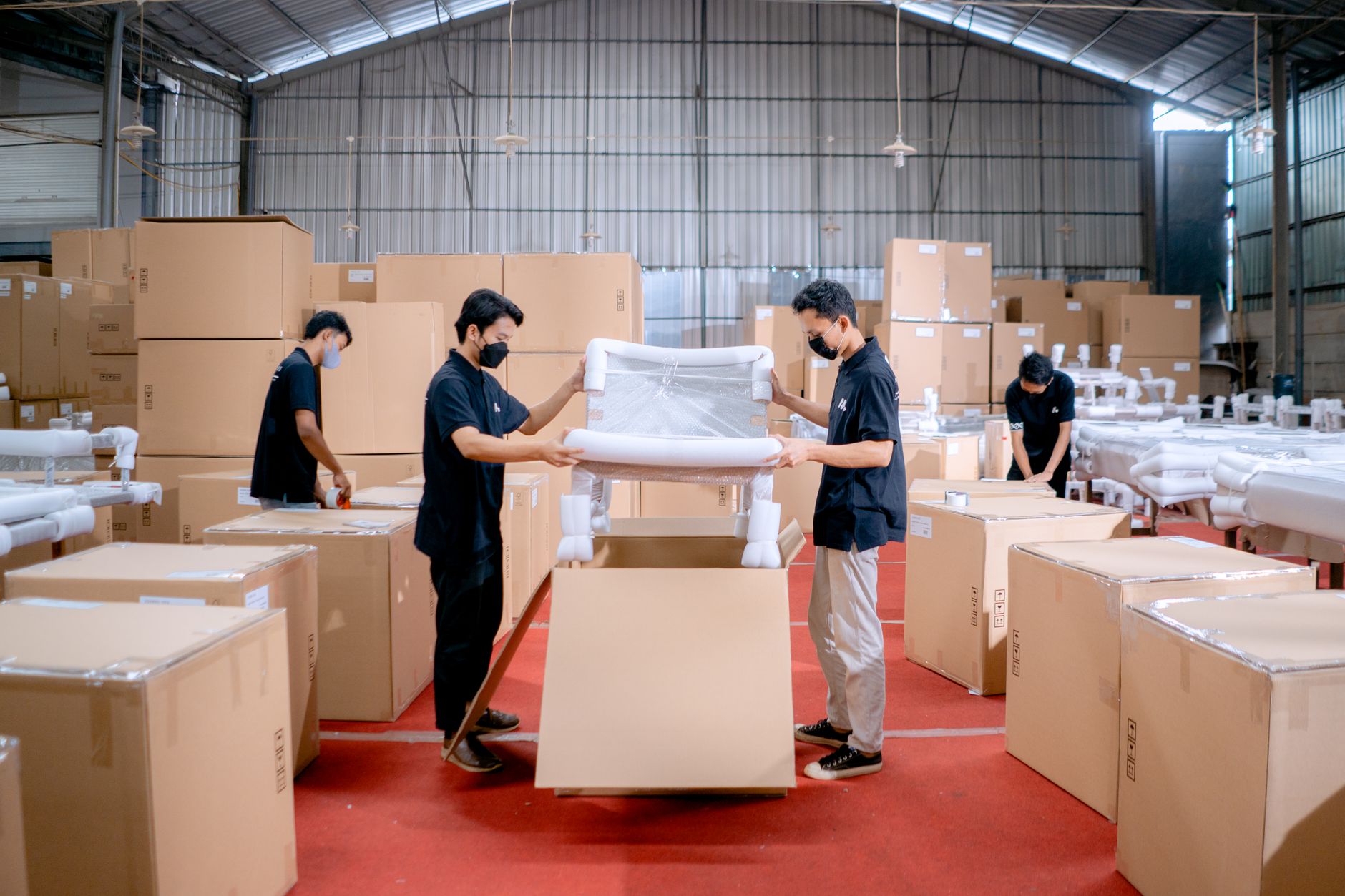
Raw materials entered at shipping and receiving on one side of a 1.4 million-square-foot assembly plant while production lines stretched to the far end. Staff drove golf carts on repeated shuttles, yet components still arrived late and lines waited.
Leadership described the work as constant back-and-forth across distance. The task consumed three people for eight hours each day, yet it added little direct value to cutting, assembly, or finishing.
- Manual cart runs tied up skilled labor on transit instead of build work
- Late deliveries interrupted line pacing in a high-mix furniture operation
- Safety risk rose whenever carts mixed with foot traffic and forklifts
Pilot buy-in, then a phased AMR rollout
Operations invited floor staff to an on-site demo of an autonomous mobile robot so more than twenty employees could see navigation and payload handling before capital was committed. An integration partner then scoped routes from receiving to production and back with empty cart returns.
The plant received three heavy-duty autonomous mobile robots with fleet software. Engineers from the partner trained production and continuous-improvement staff for several weeks on scheduling routes, monitoring dashboards, and basic maintenance before internal teams took daily control.
Deployment began with two units on the main receiving loop. Performance held through the first months, so a third robot was added for an upstairs upholstery line.
- Map receiving, production, and return paths with obstruction handling
- Train internal owners on route scheduling and uptime tracking
- Start with two robots, add a third once loops prove stable
Continuous loops replaced three full-time cart drivers
Vice president of operations reported the site went from three employees each working eight hours a day on material handling to the same work augmented by autonomous mobile robots. Those workers moved into other departments instead of driving carts.
Each robot now runs from shift start through shift end without planned downtime on a cycle from receiving and shipping to production and back with empty carts. Loads up to 1,250 pounds move on each trip while onboard sensors stop or reroute around obstacles.
Management filmed progress after one week for executive review, and leadership treated the project as a template for further automation on the campus.
What large manufacturers can copy
This deployment shows how repetitive transport across a million-square-foot footprint can shift to autonomous mobile robots without halting production. The win was labor reallocation and predictable material arrival, not a headline about replacing people.
Service Robot Co. helps U.S. plants evaluate the same pattern through vendor-neutral selection, monthly robot rental or lease options, site mapping, and nationwide service. A free site assessment can confirm whether cart-towing AMRs fit your receiving loops before you commit capital.