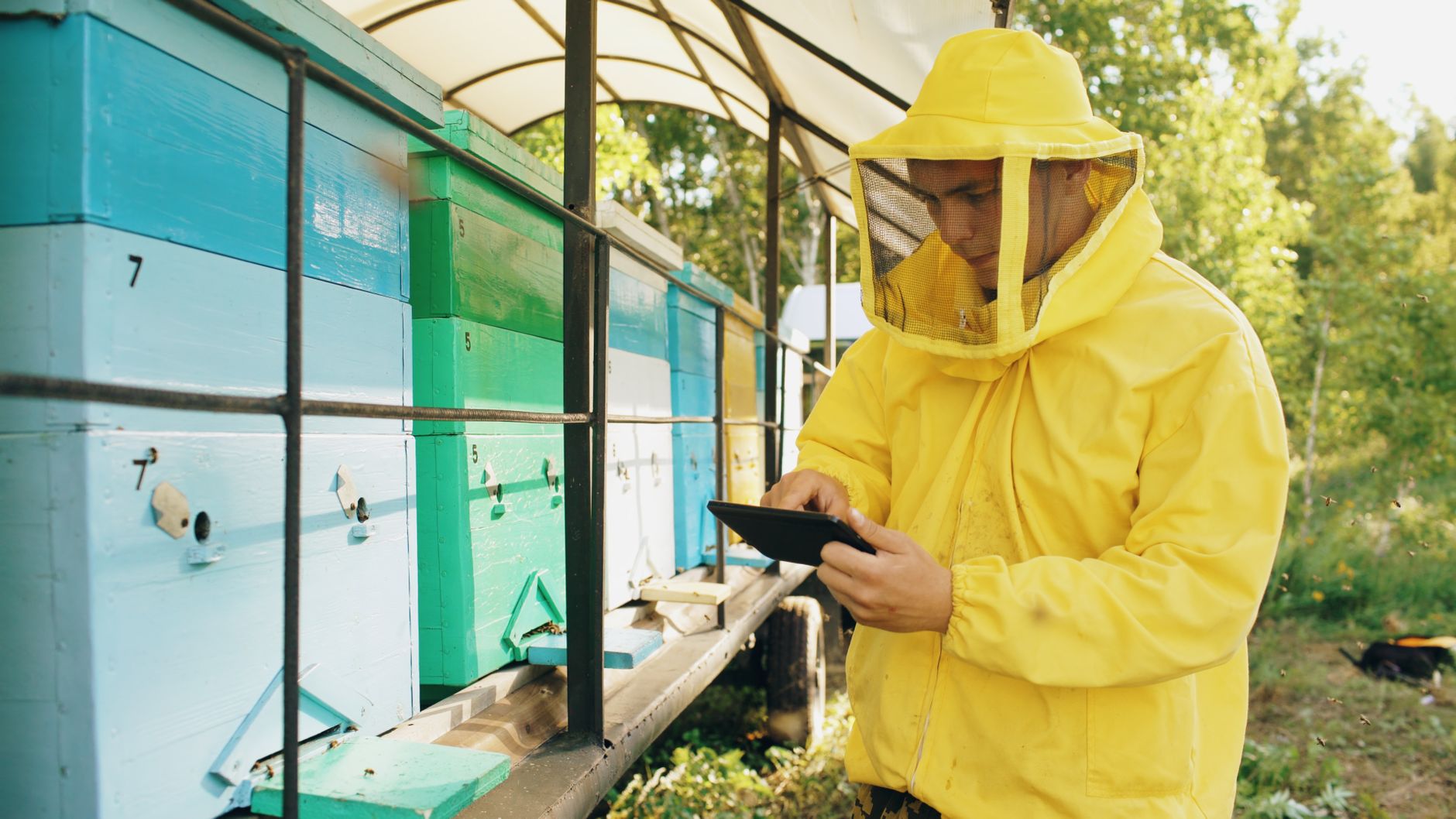
a 1,500-goat dairy farm in Europe
Goat Dairy Feeding Robot Saves 12 to 15 Hours Weekly
See how a 1,500-goat dairy farm in Europe saved 12 to 15 labor-hours weekly through autonomous mixing, ration control, and portioned feeding.
- 12-15 hrs
- labor saved each week
- 1,500
- goats in the dairy herd
- Oct 2024
- automated feeding in use since
Based on a documented real-world deployment. Figures are from public reporting; the organization is not named.
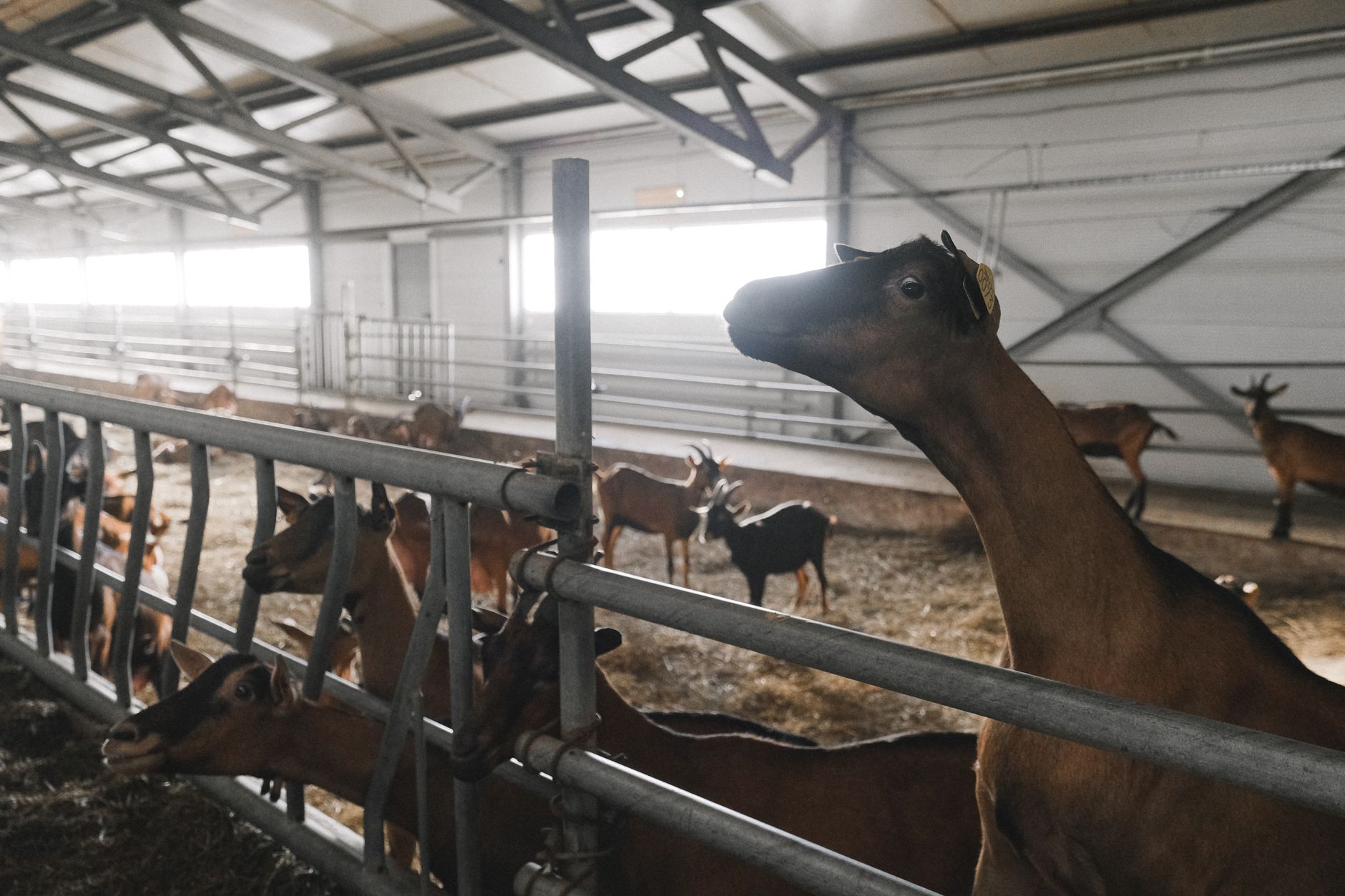
An undersized mixer had become a daily constraint
A 1,500-goat dairy farm in Europe had outgrown its trailed feed mixer. The equipment was outdated and too small, leaving a critical herd-care routine dependent on laborious manual feeding.
Rations also needed to remain responsive to conditions in the barn. Adjusting feed during warm weather, for example, called for more flexibility than the existing process readily provided.
- An outdated trailed mixer no longer matched the herd's feeding requirements
- Daily feeding consumed operator time that could be applied elsewhere on the farm
- Rations needed to be adjusted without making the process more cumbersome
Automation took over mixing, portioning, and delivery
The operators explored automated feeding after visiting a cattle farm and consulting equipment dealers. They introduced the feeding robot in October 2024, replacing the undersized trailed mixer as the principal tool for distributing rations.
A stationary mixer outside the barn is filled daily with grass, pressed pulp, and oranges. The robot collects that feed, adds concentrate, mixes the ration, and apportions it to the goats.
Operators retain control through an app and computer, allowing them to alter the ration when conditions change. The goats adapted quickly. The published account does not describe a phased rollout, formal training program, or service schedule.
- Review automated feeding in a working farm environment
- Prepare the base ration in a stationary outdoor mixer
- Let the robot collect, finish mixing, and distribute portioned feed
- Adjust ration settings through the app or computer as conditions require
Weekly labor fell while feeding became more adaptable
The central measured result was 12 to 15 labor-hours saved each week. That range comes directly from the documented farm account, although the source does not publish the observation period or calculation method behind it.
The operators also reported less feed waste, greater calm in the barn, increased milk production, and improved animal welfare. Those gains were not assigned percentages or production volumes, so they should be read as directional outcomes rather than quantified performance claims.
A practical lesson for commercial robot adoption
This is an independent, documented European deployment that Service Robot Co. analyzes for its operational lessons. Service Robot Co. did not select, install, finance, or service the robot used by this farm, and the reported result should not be presented as a Service Robot Co. client outcome.
For US businesses considering similar robotics technology, Service Robot Co. provides the commercial structure around the machine. As a vendor neutral robot integrator, the company compares equipment across manufacturers, arranges financing, manages robot deployment and integration, trains staff, and services deployed units through a nationwide US engineer network. The result is a single accountable partner across the commercial robot lifecycle.