a 117-room upscale downtown hotel with multiple revenue centers
Hotel Delivery Robot Lifted Ancillary Revenue in a 117-Room Hotel
A 117-room upscale downtown hotel used a guest delivery robot to speed amenity and F&B runs, connect revenue centers, and grow ancillary spend.
- 117 rooms
- upscale downtown hotel
- 50k+
- deliveries since 2016
- 200
- average deliveries per month
- 4 min
- average delivery time
Based on a documented real-world deployment. Figures are from public reporting; the organization is not named.
A Busy Urban Property Needed More Than Faster Runs
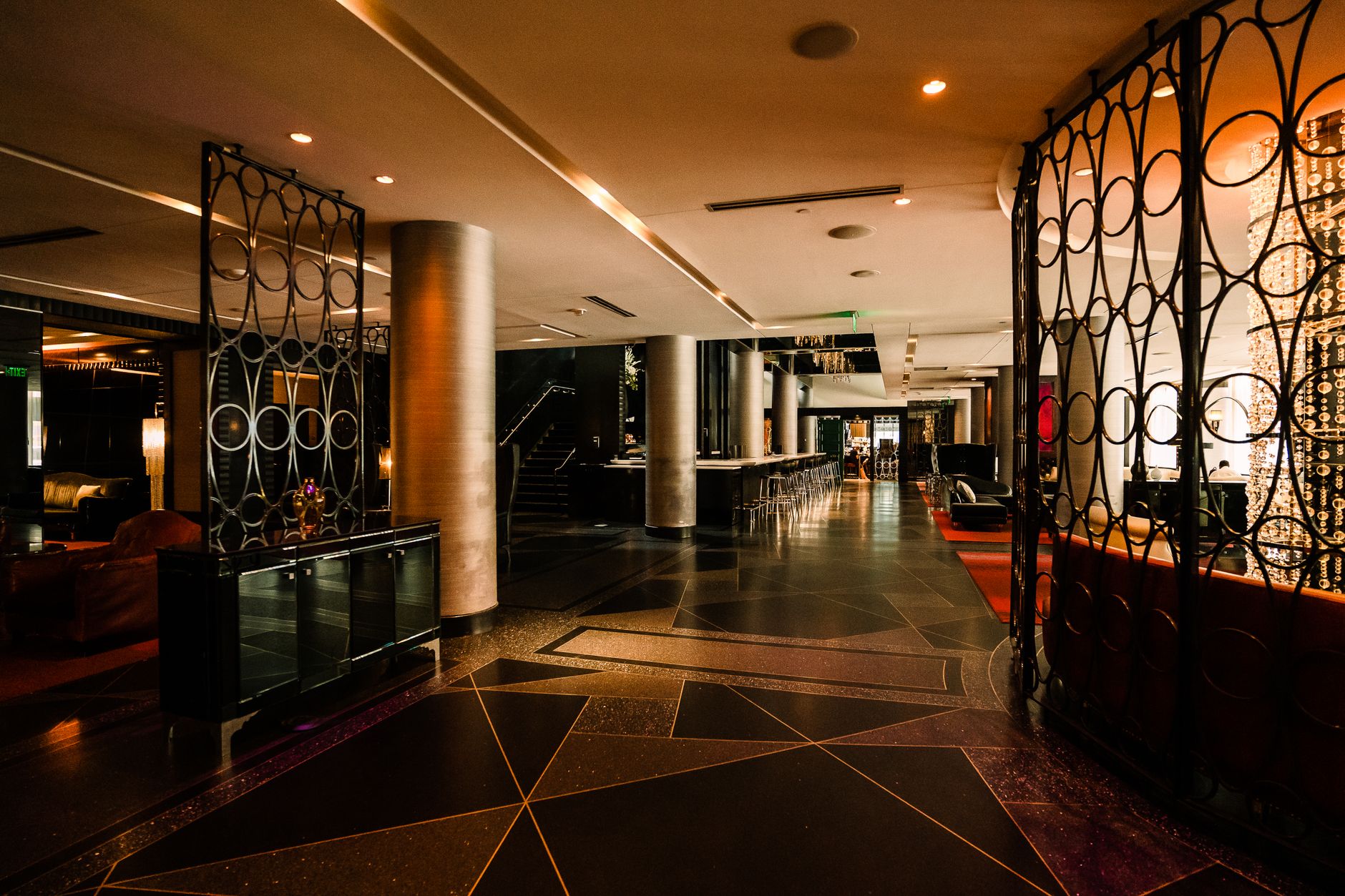
This full-service hotel had the kind of operating mix that makes small delivery delays expensive. Two restaurants, a marketplace, room deliveries, and a guest base that ranged from business travelers to families meant requests came from every direction, often at the same time.
The pressure point was not only labor coverage. It was revenue capture. Late-night amenity requests, snacks, cocktails, and in-room dining all depend on how easy the hotel makes the purchase. In the public case study, management describes the goal as handling deliveries more intelligently, driving ancillary revenue, and giving guests an experience worth talking about, especially on short-staffed nights and peak weekends.
- Multiple revenue centers had to stay connected across the property
- Guest requests included towels, sundries, snacks, meals, and cocktails
- The operation needed dependable service during peak periods and lean overnight staffing
The Robot Was Positioned as a Revenue Link, Not a Lobby Gimmick

The hotel introduced a guest delivery robot as part of the day-to-day service flow, not as a side attraction. According to the source, it has been deployed since 2016 and handles towels, sundries, snacks, meals, and cocktails. Its charging station was placed between the front desk, marketplace, and restaurant so the robot could keep the property's revenue centers tied together.
That placement matters. A room service robot or amenity delivery robot only earns its keep when it sits inside the operating rhythm of the hotel. Here, the robot became a fast, repeatable path for small but frequent orders. That is the practical case for a hotel delivery robot rental or service robot rental model in hospitality: easier ordering, steadier follow-through, and a service pattern guests quickly learn to use.
- Deploy the robot where front desk, F&B, and retail activity intersect
- Use it for amenity delivery, snacks, meals, and beverage runs
- Make the robot part of routine service so staff can send it out quickly
- Support the rollout with training, go-live support, and service coverage so uptime stays dependable
Public Reporting Shows Speed, Volume, and Revenue-Center Lift
The published case study gives a clear operating picture. The robot averages 200 deliveries per month, has completed more than 50,000 deliveries since 2016, and averages a four-minute delivery time. It has also logged 500 miles of travel inside the property. Those are not vanity figures. They show repeat use over time, not a short novelty burst.
The financial signal in this example is qualitative but still meaningful. The assistant general manager states that the robot is a huge piece of the hotel's revenue and specifically says gift shop items, in-room dining orders, cocktail sales, and happy hour are all up because of its presence. Publicly available material for this hotel does not publish a RevPAR percentage, so the honest takeaway is ancillary revenue growth tied to easier ordering and faster delivery, not a sourced RevPAR figure.

What This Means for Service Robot Co. Buyers

For operators weighing a hotel delivery robot rental, the important lesson is where the value showed up. This was not framed as labor relief alone. The robot helped the hotel convert more small orders across several outlets by making fulfillment quick and consistent. In hospitality, that is often where a room service robot or amenity delivery robot proves itself first: the order gets placed, the guest actually follows through, and the property keeps more incremental spend in-house.
Service Robot Co. is built for companies that want that outcome without getting locked into one manufacturer or left juggling vendors after go-live. We act as a vendor neutral robot integrator for US businesses, selecting the robot that fits the property, then handling robot deployment and integration, financing, training, maintenance included programs, and field service through a nationwide engineer network. For buyers comparing robot leasing for business, monthly payment programs, lease rental or sale paths, or a no long term contract service robot rental structure, the point is simple. One partner, one number, and one accountable team across the full lifecycle.