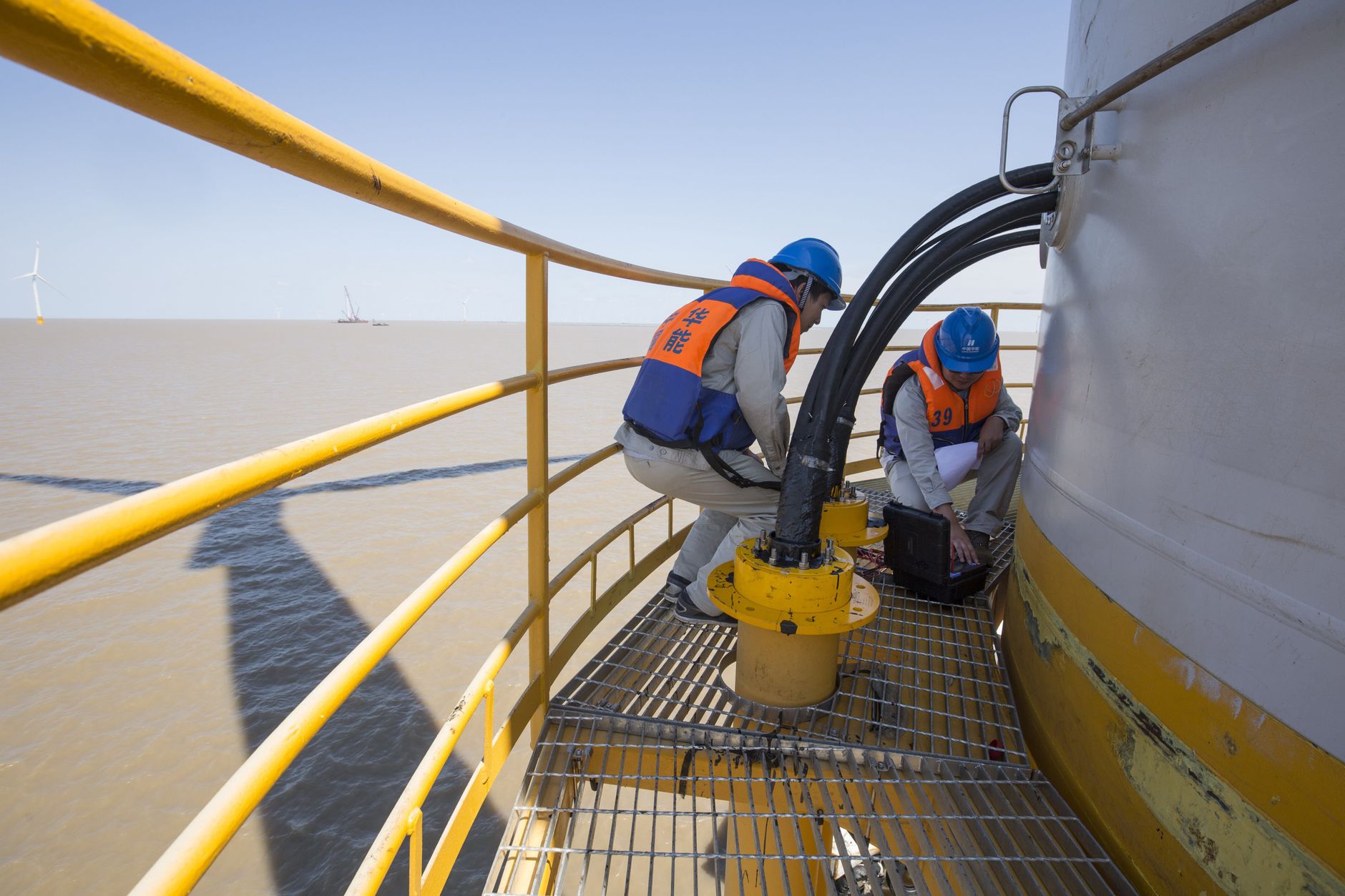
a 12-turbine wind farm in northern France
12-Turbine Wind Farm Reached 1.31 Blade Repairs Per Day
Documented wind energy case study of a 12-turbine wind farm in northern France: robotic blade repair averaged 1.31 blades a day and 4.40 hours per blade.
- 1.31/day
- Blades repaired
- 4.40 hrs
- Average per blade
- 12 turbines
- Wind farm scope
- 36 blades
- Blades assessed
Based on a documented real-world deployment. Figures are from public reporting; the organization is not named.
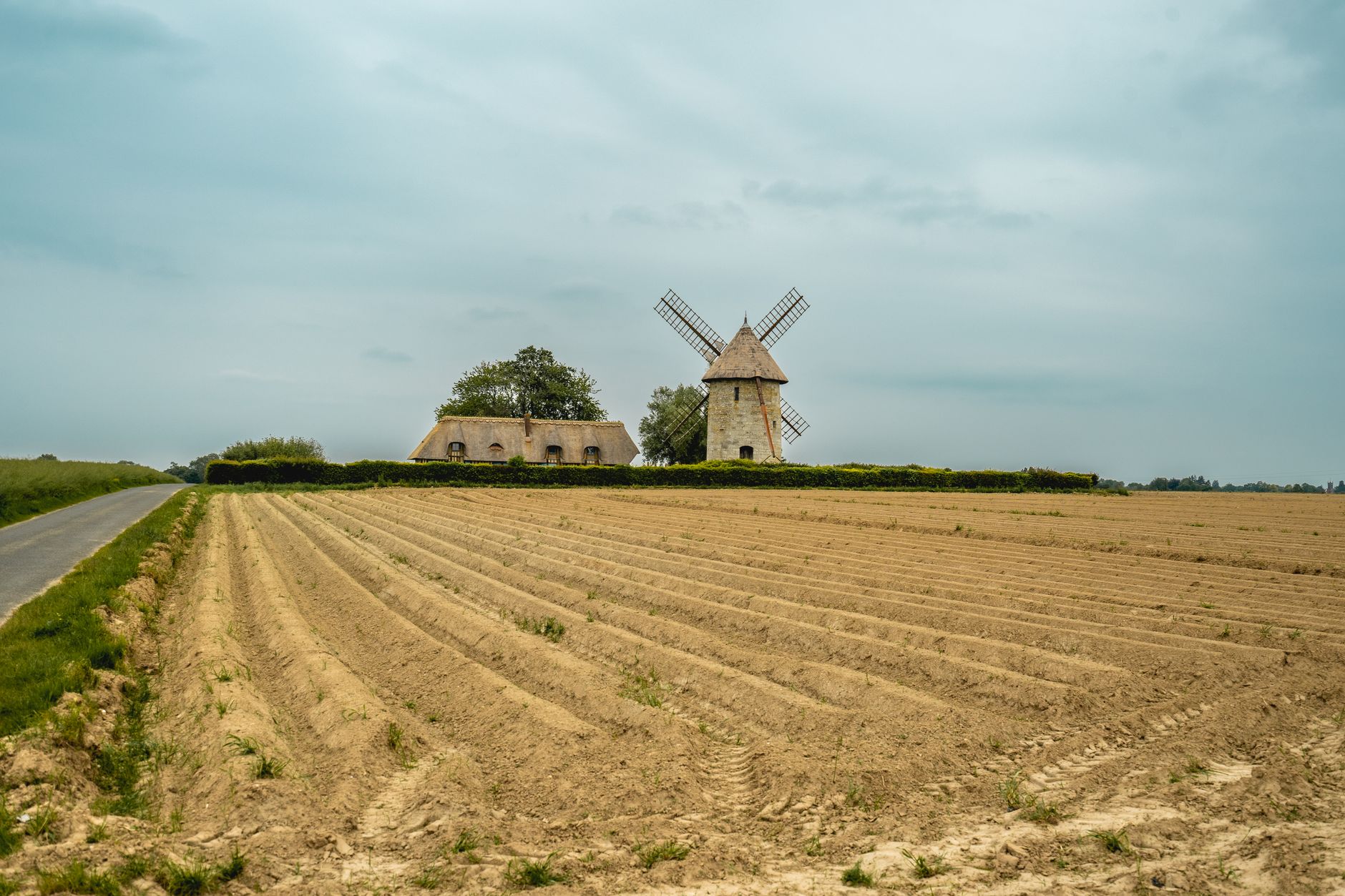
Backlog Across an Entire Rotor Fleet
Leading-edge erosion had spread across a 12-turbine wind farm in northern France, turning blade repair into a repetitive fleet problem rather than a one-off maintenance event. The source case notes erosion up to CAT 3 across all 36 blades, which meant the operator needed disciplined throughput as much as technical accuracy.
The brief was exacting. Complete repairs with maximum efficiency, maintain consistent quality, and keep technicians out of unnecessary exposure on blades. The performance bar was clear from the outset: 1 blade repaired per day.
- Erosion affected all 36 blades, with damage reported up to CAT 3.
- The KPI goal was 1 blade repaired per day.
- Safety and consistent quality had to hold across the whole campaign.
A Structured Robotic Repair Campaign
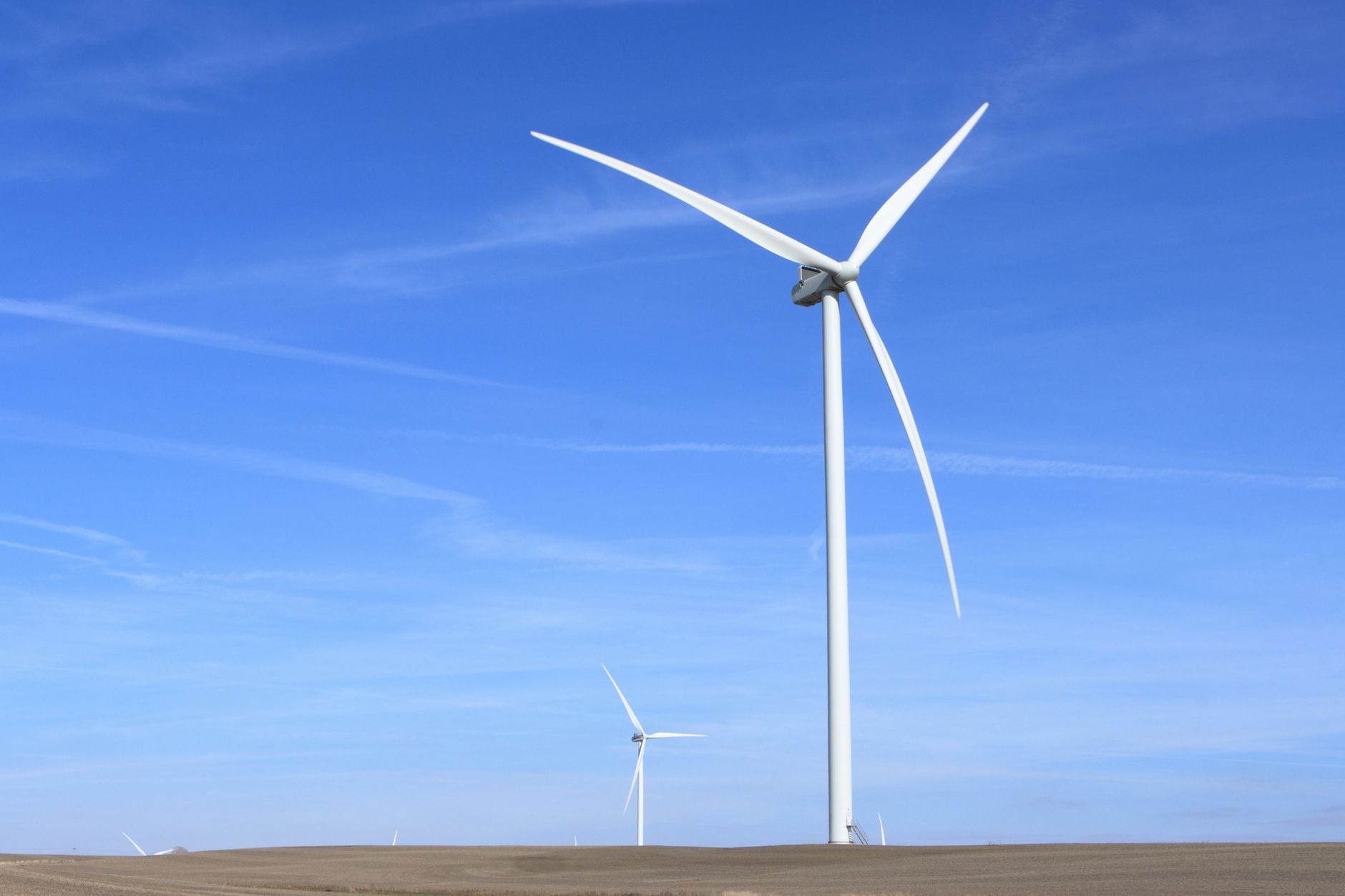
The documented workflow started with a blade assessment, then moved through sanding and grinding, cleaning, filler application, and leading-edge protection coating. The wind-turbine repair robot handled the repetitive exterior work in a controlled sequence, which is where automation has the best chance to hold pace and finish quality steady.
The published material does not describe a long pilot or classroom training cycle. It does show a disciplined field campaign on 12 turbines, with no lamination required on the blades in scope and operations carried out safely at wind speeds up to 12 m/s.
- Blade assessment before repair work began.
- Surface preparation through sanding, grinding, and cleaning.
- Filler application followed by a single protection-coating layer.
- Repeat the same repair method across the 12-turbine scope.
Throughput That Cleared the Queue
The campaign exceeded its stated KPI. The source reports 1.31 blades repaired per day against a target of 1 blade repaired per day, with an average of 4.40 hours spent per blade.
The linked case document says repair times were over 100% faster than traditional methods, alongside reduced downtime, improved technician safety, and optimized turbine availability. For a backlog driven by repeated leading-edge erosion, that mix matters because speed without control is not enough, and control without speed leaves turbines waiting.
What This Means for US Wind Operators
This was not a Service Robot Co. deployment. It is a useful field example of what buyers should look for when evaluating a wind-turbine repair robot: a repeatable workflow, a clear KPI, and a maintenance plan that reduces time aloft for technicians while keeping repair quality consistent.
For US operators, that is where Service Robot Co. fits. We are a full-service, OEM-neutral commercial robot integrator for US businesses. In practice, that means a vendor neutral robot integrator that helps customers choose the right platform, offer leasing, monthly payment programs, or purchase or lease when appropriate, handle robot deployment and integration, train site teams, and provide commercial robot repair service through a nationwide US engineer network and one vendor for the whole lifecycle.