a large urban public school district operating 14 major campuses
School Cleaning Case Study: 1.5 Hours Reclaimed Per Robot
A large urban school district used autonomous scrubbers to reclaim 1.5 labor hours per unit per day and clean about 21,000 square feet per run.
- 1.5 hrs
- Labor saved per unit daily
- 21,000 sq ft
- Cleaned per 90 minute run
- 90 mins
- Typical cleaning session
Based on a documented real-world deployment. Figures are from public reporting; the organization is not named.
A Custodial Team Stretched Across Busy Campuses
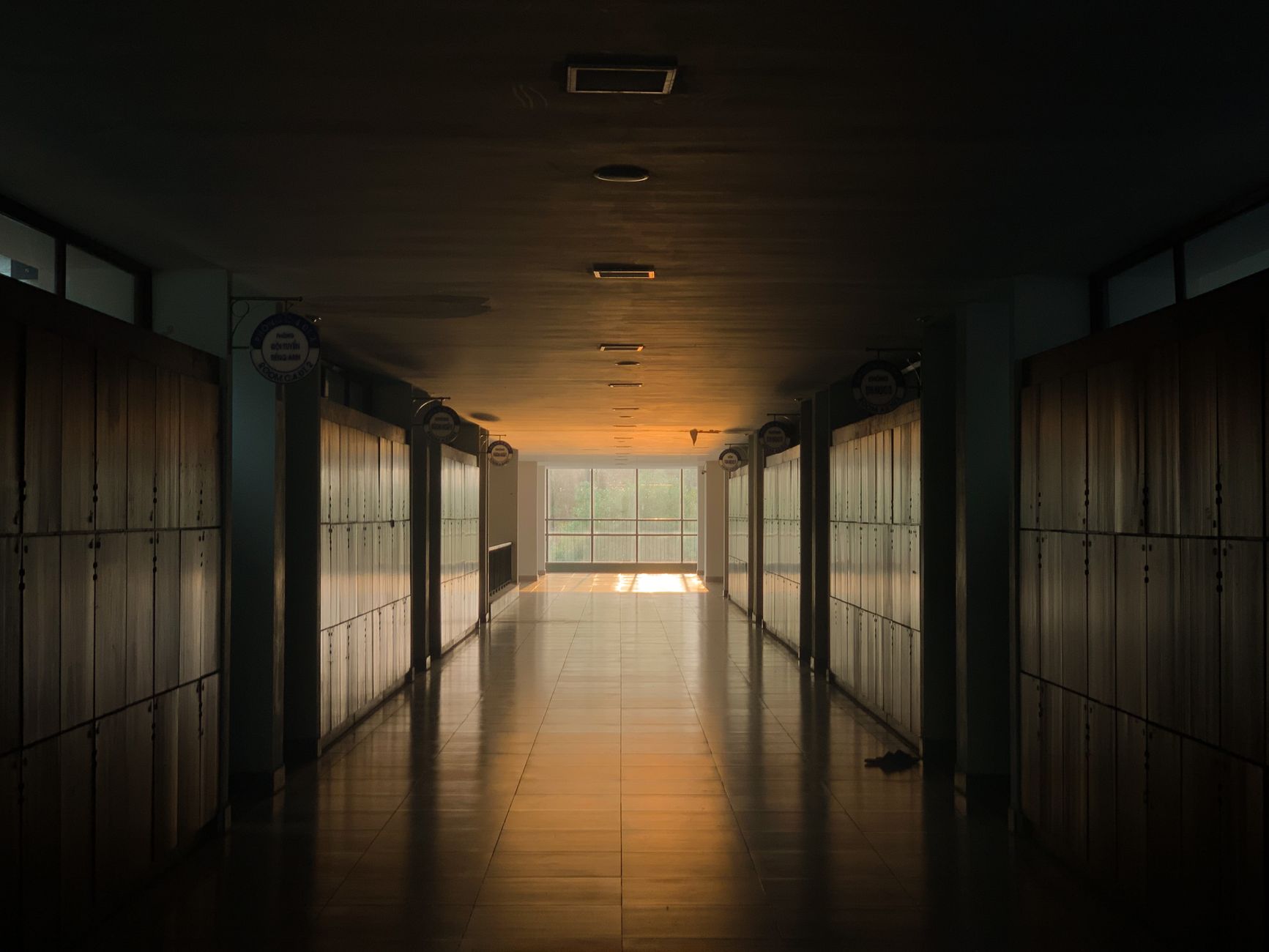
A large urban public school district operating 14 major campuses needed cleaner hallways and common areas without adding custodial headcount. The pressure was operational, not cosmetic. Floors had to stay presentable in buildings with constant foot traffic, tight schedules, and staff already pulled toward higher judgment work.
Manual scrubbing was the obvious pinch point. It is repetitive, time-consuming, and hard to scale when labor is scarce. The district needed a way to keep routine floor care moving while giving maintenance staff room to handle the jobs that cannot be handed off to a machine.
- Keep hallways and common areas cleaner without inflating labor costs
- Reduce time spent on repetitive manual scrubbing
- Reallocate custodial effort toward deferred or specialized facility work
Autonomous Floor Care Introduced as an Operations Tool
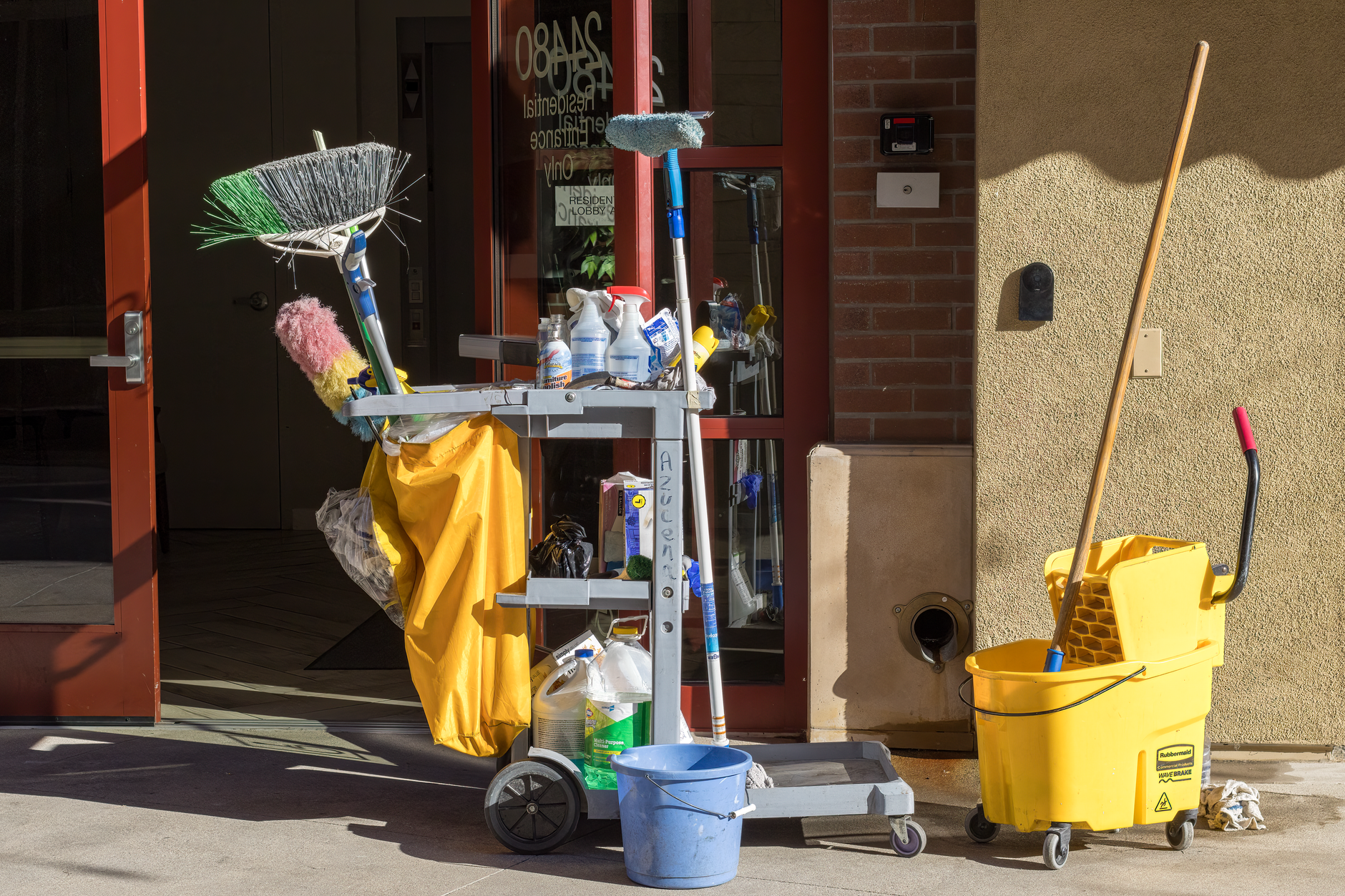
The documented deployment centered on autonomous scrubbers handling routine floor care in school buildings. That matters in K 12 operations, where the right automation target is often the task with the clearest pattern, the steadiest frequency, and the least need for human judgment.
In practice, this kind of rollout works best when facilities teams treat the robot as part of the custodial program, not as a novelty. Routes are mapped to the right floor areas, staff are trained on daily operation and exception handling, and service coverage keeps the machine dependable enough to earn a place in the schedule.
- Identify high traffic floor areas suited to repeatable autonomous scrubbing
- Map cleaning routes and align runs to building schedules
- Train on site staff on startup, supervision, and handoff tasks
- Support uptime with remote troubleshooting and field service when needed
Measured Gains in Labor Reallocation and Coverage
The published outcome is specific and useful. The autonomous scrubbers saved 1.5 labor hours per unit deployed per day. For education operators, that is the heart of the story. The robot did not remove the need for custodial staff. It returned time to them.
The same source reports that each unit cleaned about 21,000 square feet in a 90 minute cleaning session. That gives facilities leaders two concrete planning anchors: how much routine floor area a run can cover, and how much staff time that run can give back for other building needs.
Put plainly, the district gained cleaner shared spaces and more breathing room inside the same labor picture. In a school system, that extra capacity can be redirected toward detail cleaning, setup work, incident response, and the maintenance duties that tend to slide when teams are short on time.
What This Means for Service Robot Co.
This is the kind of operating case Service Robot Co. is built around. We are a full service, OEM neutral commercial robot integrator for U.S. businesses, which means we do not start with one machine and try to force a fit. We start with the job, the floor, the staffing reality, and the service requirement.
For school systems and other large facility operators, that matters because deployment success is rarely about hardware alone. Service Robot Co. can select the right robot across manufacturers, then finance, deploy, integrate, train, and service every unit through a nationwide U.S. engineer network. One vendor for the whole lifecycle is often what turns a pilot into a dependable operating program.
That model also fits how many buyers want to adopt automation now. Commercial cleaning robot rental, robot leasing for business, and robot as a service can lower the barrier to entry when capital is tight. If a district wants a campus cleaning robot, an autonomous floor scrubber rental, or a floor scrubber monthly lease with maintenance included, the point is the same: match the operating model to the site, then keep the fleet running.