a 16,000-hectare grain and pulse farming operation in Australia
How a 16,000-Hectare Farm Expanded Weekly Tractor Capacity 68%
An Australian grain and pulse operation retrofitted autonomous tractors, lifting potential weekly machine hours from about 100 to 168 as weather windows tightened.
- 168 hr
- Autonomous
- 100 hr
- Manned cap
- 16,000
- Hectares
- ~70%
- More hours
Based on a documented real-world deployment. Figures are from public reporting; the organization is not named.
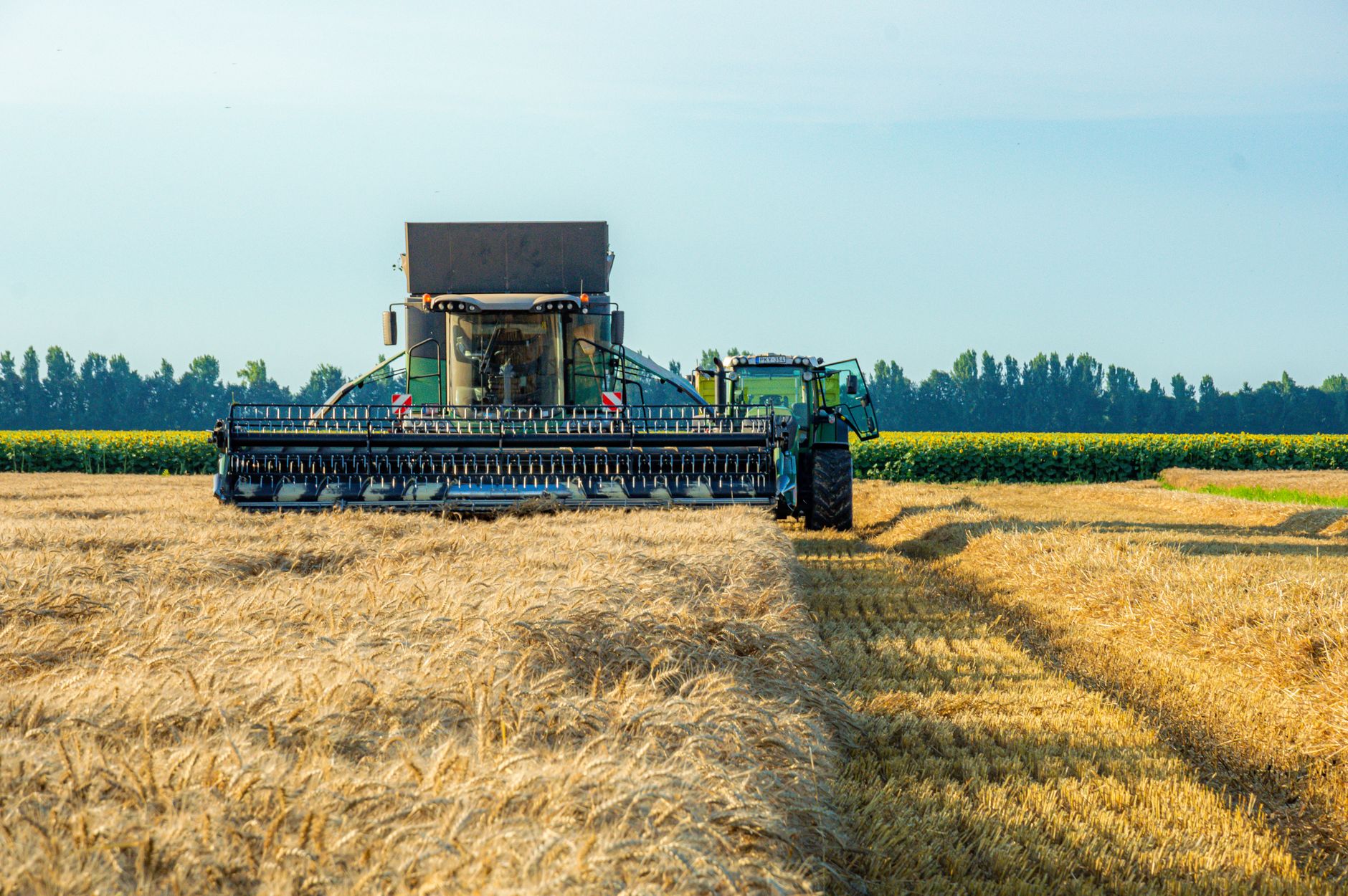
Tight rain windows on a vast cropping program
A 16,000-hectare grain and pulse farming operation in Australia runs controlled-traffic minimum-till cropping across an enormous area. Weather windows stay narrow and rainfall moments are scarce, so every tractor hour matters.
Manned sprayer and tractor combinations could run only about one hundred hours per week before driver limits and downtime capped throughput. Scarce operators made it harder to hit repetitive fieldwork when conditions finally opened.
- Large hectare base with variable rainfall plans
- Manned fleets capped near one hundred weekly hours
- Operator availability lagged ideal spray and tramline work
Autonomous retrofit on existing tractors
The farm retrofitted commercial tractors with autonomous guidance and safety kits rather than buying an entirely new fleet overnight. The first unmanned daily runs began in commercial production years ago and unmanned operation later became part of standard philosophy on the property.
Teams paired autonomous tractors with optical spot spraying and tramline maintenance, work that rewards frequent passes when weed pressure is low. Training focused on route definition, remote monitoring, and refuel routines so humans stayed on agronomy instead of cab time.
- Select tractors suited to retrofit autonomy kits
- Define tramline and spray paths on controlled traffic lanes
- Run supervised unmanned hours before expanding acreage
- Monitor fuel, AdBlue, and implement readiness remotely
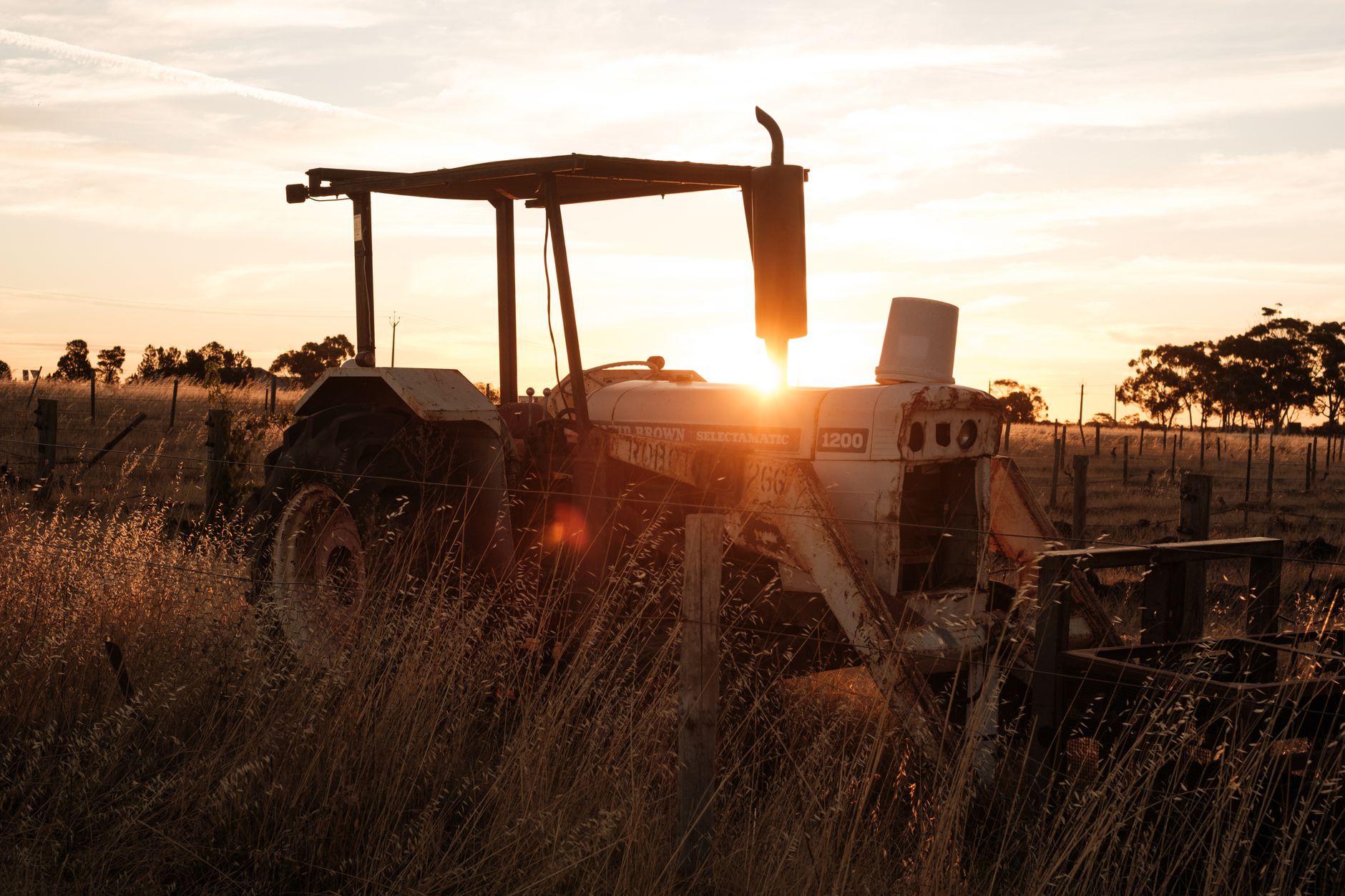
From about 100 to 168 weekly tractor hours
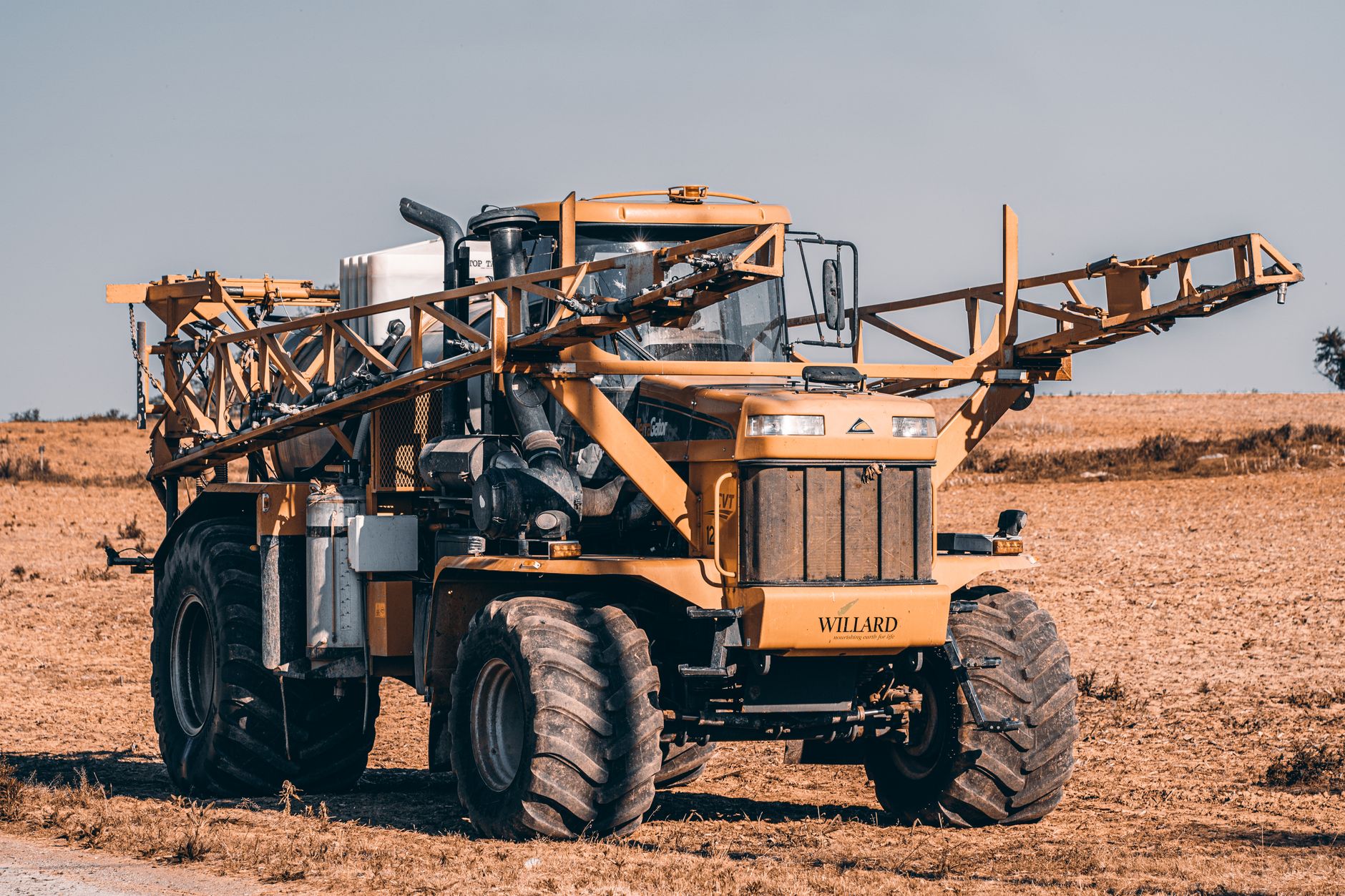
The operation reports manned combinations could run at most about one hundred hours per week, while an autonomous fleet working around the clock can reach one hundred sixty-eight hours per week. That is nearly seventy percent more potential operating time for repetitive fieldwork.
The goal was lowering production cost per hectare by maximizing machine hours without adding drivers for every night and weekend pass. Autonomy let the farm press spraying and tramline renovation when moisture was right instead of waiting on cab availability.
What US row-crop growers can study from the rollout

Service Robot Co. did not deploy this Australian cropping program. We highlight field-reported autonomy outcomes so US grain and pulse growers can compare autonomous tractor retrofit rental paths before they buy kits.
The pattern fits our vendor neutral integrator role: match retrofit autonomy or field robots to your traffic lanes, finance through monthly payment programs, integrate guidance with your sprayer workflow, train monitors, and maintain kits through a nationwide network of regional service engineers. A robot pilot program on one tramline block can log weekly hours before you scale across the farm.