a 2,000-bed public tertiary-care hospital in Europe
How a 2,000-Bed Hospital Cut Mean Biopsy Nodule Size From 27 mm to 14.7 mm
A European tertiary hospital added robotic bronchoscopy to its lung nodule pathway, reaching 82.7% per-patient diagnostic yield while targeting much smaller lesions.
- 82.7%
- Dx yield
- 14.7 mm
- Mean size
- 27 mm
- Pre-robot
- 2,000
- Bed count
Based on a documented real-world deployment. Figures are from public reporting; the organization is not named.
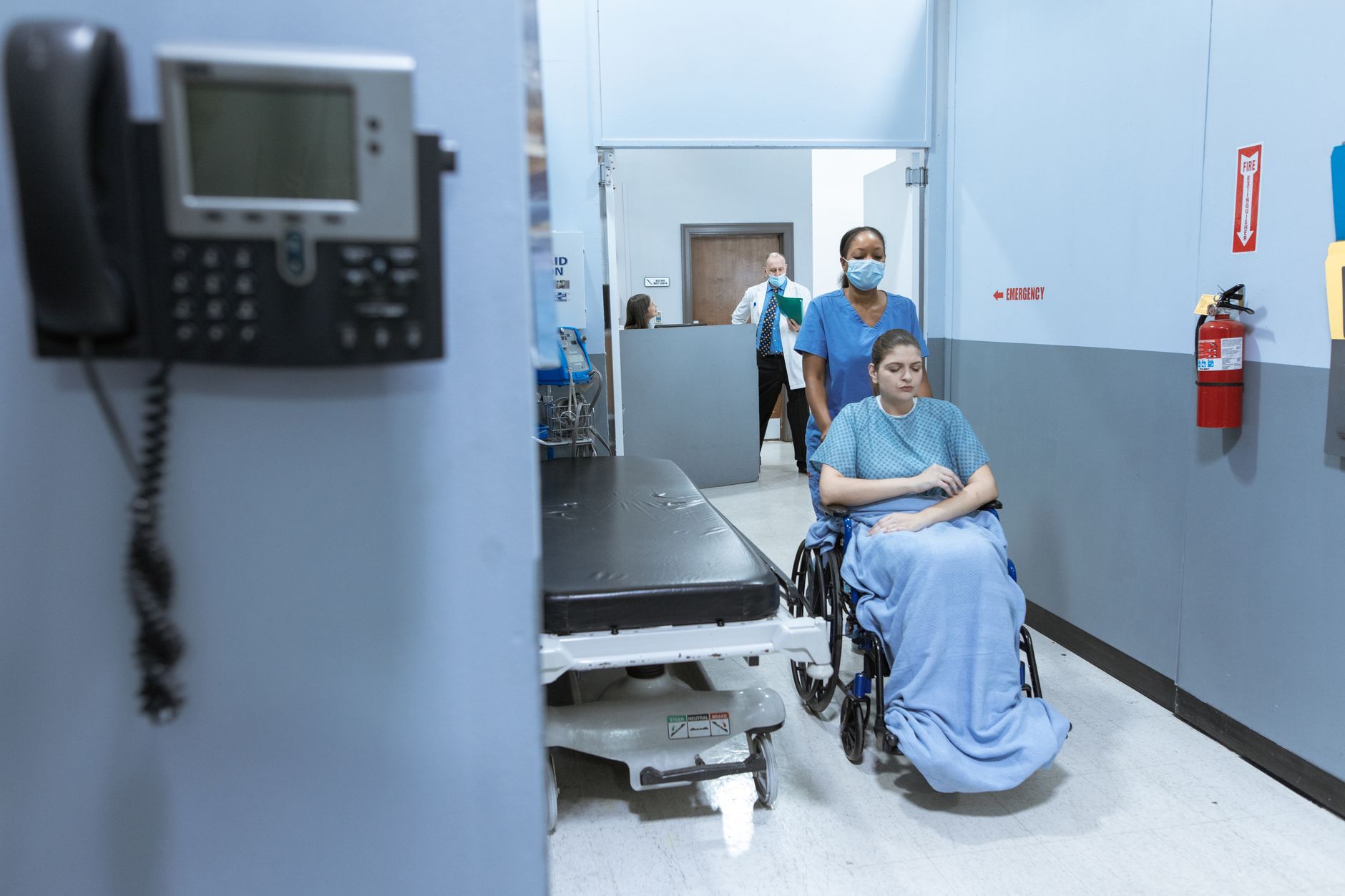
Peripheral nodules that outran conventional bronchoscopy
A 2,000-bed public tertiary-care hospital in Europe screens and triages a high volume of incidental and program-driven lung nodules. Traditional bronchoscopy with fluoroscopy and radial endobronchial ultrasound often reached larger peripheral lesions while smaller nodules stayed below reliable sampling thresholds.
National screening momentum pushed more early-stage suspects into the queue. Pulmonology, radiology, and thoracic surgery needed a pathway that could biopsy smaller nodules without sending every patient straight to more invasive surgery.
- Pre-robotic sampling centered on larger mean lesion diameters
- Peripheral and sub-centimeter nodules were harder to reach safely
- Multidisciplinary coordination had to keep pace with screening volume
Robotic bronchoscopy embedded in the lung cancer pathway
The hospital introduced a robotic bronchoscopy program as part of its lung-cancer diagnostic workflow. Planning mapped institutional needs, operator training, endoscopy suite layout, and reimbursement assumptions before the first clinical cases.
A multidisciplinary team spanning pulmonology, radiology, engineering, and administration ran phased training for physicians, nurses, and technologists. Procedures stayed on existing clinical rails so activation did not stall other bronchoscopy services.
- Align national screening criteria with institutional referral patterns
- Train multiple operators on navigation and sampling protocols
- Integrate imaging guidance used in the robotic suite
- Track per-patient yield and complication metrics from case one
Smaller nodules sampled with strong per-patient yield
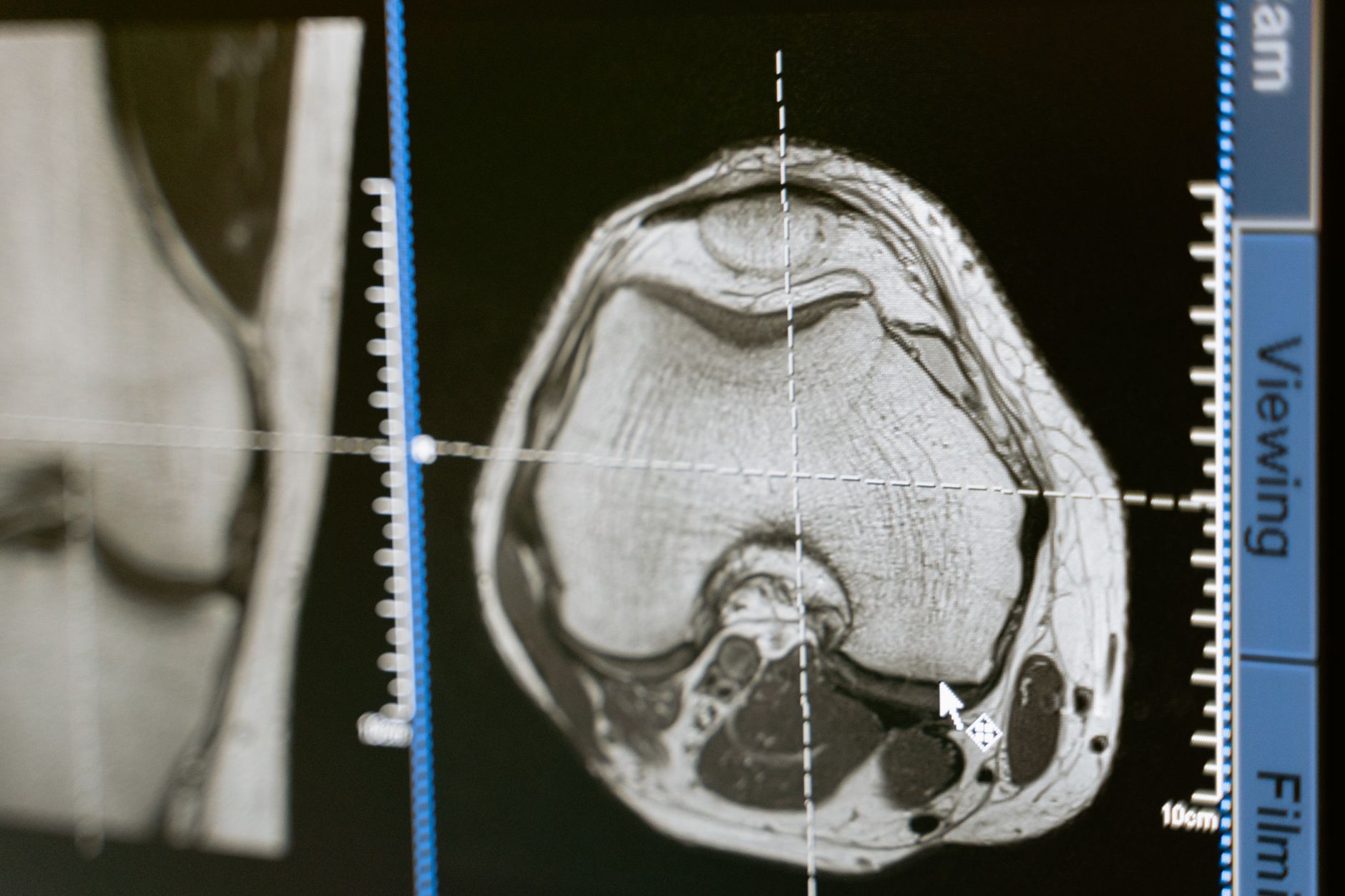
In routine practice after implementation, mean targeted nodule diameter fell from 27 mm in the pre-robotic era to 14.7 mm with robotic-assisted bronchoscopy. Per-patient diagnostic yield reached 82.7% in the reported implementation cohort.
The shift let clinicians biopsy substantially smaller peripheral lesions through a minimally invasive bronchoscopic route. That matters for early-stage suspects where delaying tissue diagnosis would otherwise push patients toward riskier alternatives.
What US hospital groups can learn from the rollout
Service Robot Co. did not run this European tertiary program. We highlight peer-reviewed implementation data so US hospital systems can judge inspection and clinical robot rental paths before they commit capital.
The pattern matches our vendor neutral integrator role: select the right robotic bronchoscopy platform, structure lease or monthly payment programs, coordinate imaging and suite workflows, train operators, and maintain uptime through a nationwide network of regional service engineers. A robot pilot program on one lung nodule board can document yield and lesion-size trends before you scale across a multi-hospital network.