a large municipal park served by a midsize city police department in California
How a 23-Acre City Park Cut Incident Reports 46% With a Mobile Patrol Robot
A California city park compared seven months before and after a mobile patrol robot, cutting crime and incident reports 46% while calls for service fell 10%.
- 46%
- Fewer reports
- 48→26
- Incidents
- 23 ac
- Park size
- 10%
- Fewer calls
Based on a documented real-world deployment. Figures are from public reporting; the organization is not named.

A busy park with too many blind spots
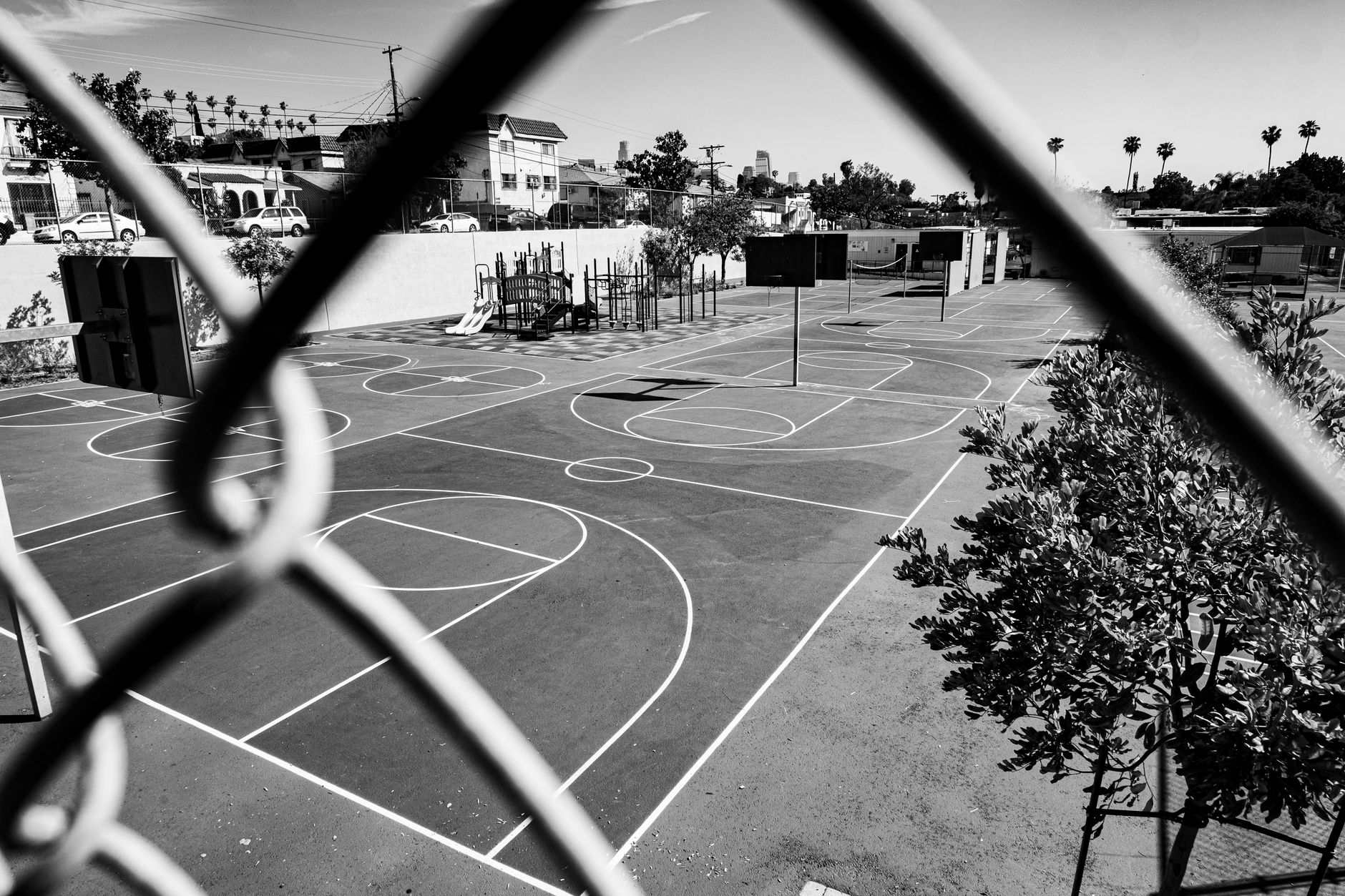
A large municipal park served by a midsize city police department in California spans about 23 acres with sports fields, picnic areas, recreation programming, and recurring public events. Multiple entrances and long sight lines make it hard to cover with occasional drive-through patrols alone.
Leaders wanted a visible deterrent that could also support dispatch when visitors needed help, without pretending a robot replaces sworn officers.
- Youth and senior programs running concurrently
- Weekly markets and seasonal events
- Limited staff time for foot patrols across the full acreage
Mobile patrol as a force multiplier
The department deployed an autonomous security robot in June 2019 and ran it at full capacity through the rest of the year. The unit patrolled the park, streamed video for remote monitoring, supported two-way communication, and gave visitors a button to reach dispatch during emergencies.
Analysts compared police activity during June through December 2018, before deployment, to the same months in 2019 with the robot operating.
- Define patrol routes around fields and parking areas
- Train dispatch on live video and visitor assist workflows
- Track incidents, arrests, and citations on the same calendar window
Measured changes in reported activity
Public reporting from the department shows total police activity entries at the park fell from 277 in the 2018 period to 249 in 2019. Crime and incident reports dropped from 48 to 26, a 46% reduction, while calls for service declined 10%.
Arrests increased from 11 to 14, a 27% rise, and citations fell from 120 to 38, a 68% drop. The mix suggests more targeted enforcement alongside fewer nuisance reports.
Lessons for parks and campuses
This program was run by the city police department and documented by the robot supplier, not by Service Robot Co. The comparison is a before-and-after seasonal window, not a guarantee every park will see identical percentages.
Service Robot Co. helps public agencies and private campuses evaluate security patrol robot buy or lease paths across manufacturers, then finance, deploy, integrate, train, and service units through RoboCare and a nationwide network of regional service engineers. A free site assessment can map where autonomous patrol should supplement cameras and officer routes.