a national packaging and distribution company with 23 facilities in scope
Distribution Case Study: 23 Sites Reallocate 14,000 Hours
A documented 23-site distribution deployment used autonomous scrubbers to cut maintenance and labor costs by about 50% and reallocate 14,000 hours.
- 23 sites
- Facilities in scope
- 50%
- Lower maintenance and labor costs
- 14,000
- Worker hours reallocated
- 10 years
- Documented savings horizon
Based on a documented real-world deployment. Figures are from public reporting; the organization is not named.
The operating strain
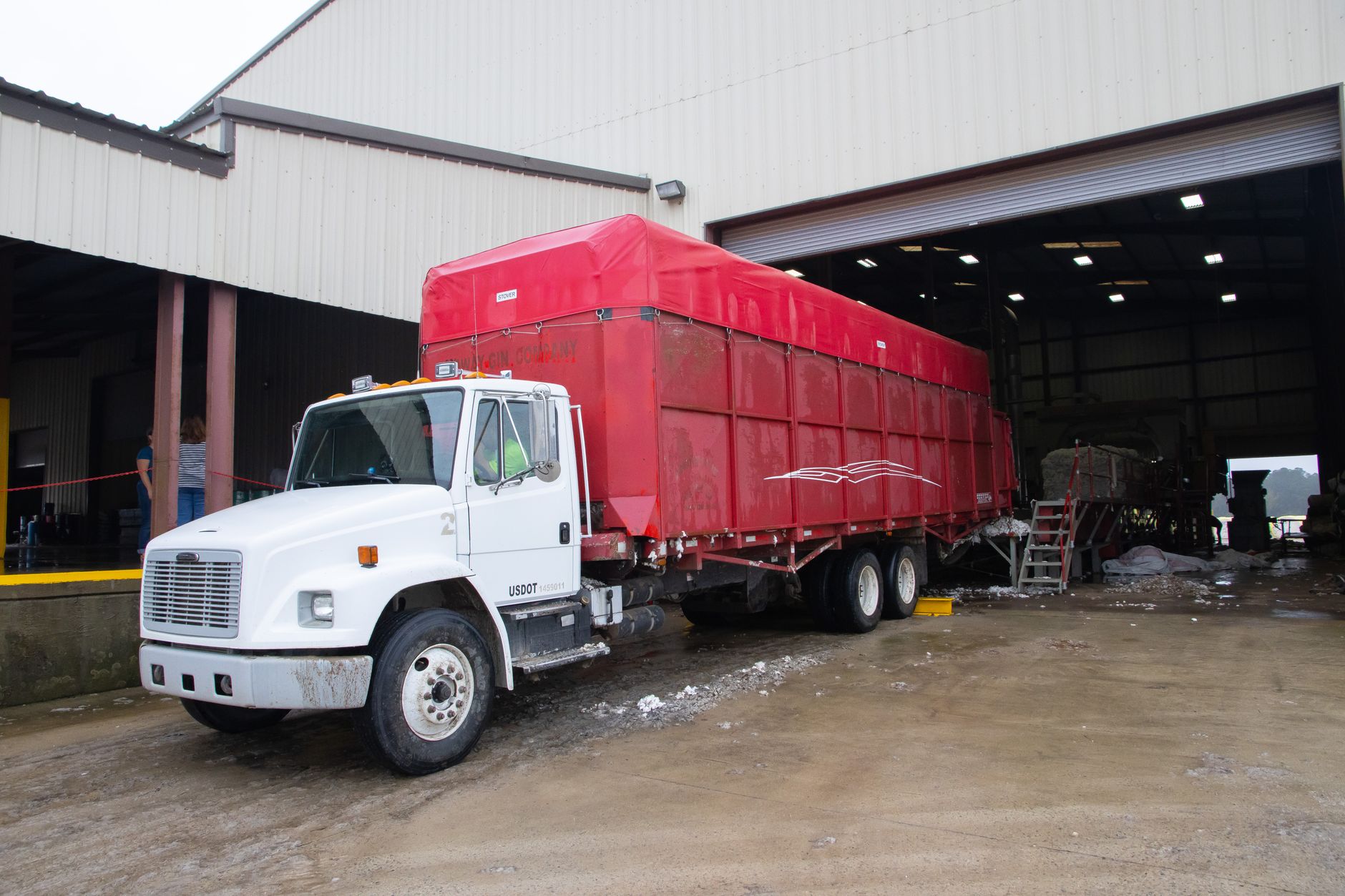
For a national packaging and distribution company with 23 facilities in scope, floor care was necessary work that pulled frontline labor away from higher-value activity. Large industrial footprints do not stay clean by accident, but repetitive scrubbing is exactly the kind of task that competes with shipping, service, and day-to-day execution.
The pressure was not only about clean floors. It was about coverage, consistency, and labor use across a multi-site network. In an environment that depends on throughput and customer responsiveness, routine cleaning can quietly absorb hours that supervisors would rather direct toward the operation itself.
- Repetitive floor care across 23 facilities
- Frontline labor tied up in non-customer-facing work
- Need for consistent cleaning in large distribution environments
How the rollout took shape
The documented deployment introduced autonomous scrubbers across the 23-site footprint to handle recurring floor care with more consistency and less manual effort. The practical goal was clear: move a repetitive task off frontline teams without disrupting the facility rhythm.
For operators considering an autonomous floor scrubber rental, a floor scrubber monthly lease, or a commercial cleaning robot rental, the bigger lesson is the rollout pattern. Multi-site automation works best when site assessment mapping, phased deployment, operator training, and ongoing service are treated as one program rather than separate handoffs.
- Identify repetitive floor care as the first automation target
- Deploy autonomous scrubbers across the facilities in scope
- Train local teams on day-to-day use and oversight
- Support the fleet with reporting, alerts, and ongoing service
What the operation actually gained
The documented outcome was roughly a 50% reduction in maintenance and labor costs tied to the floor care program. That is the number that will catch a finance leader's eye, and it matters because it came from a networked, real-world deployment rather than a single-site pilot story.
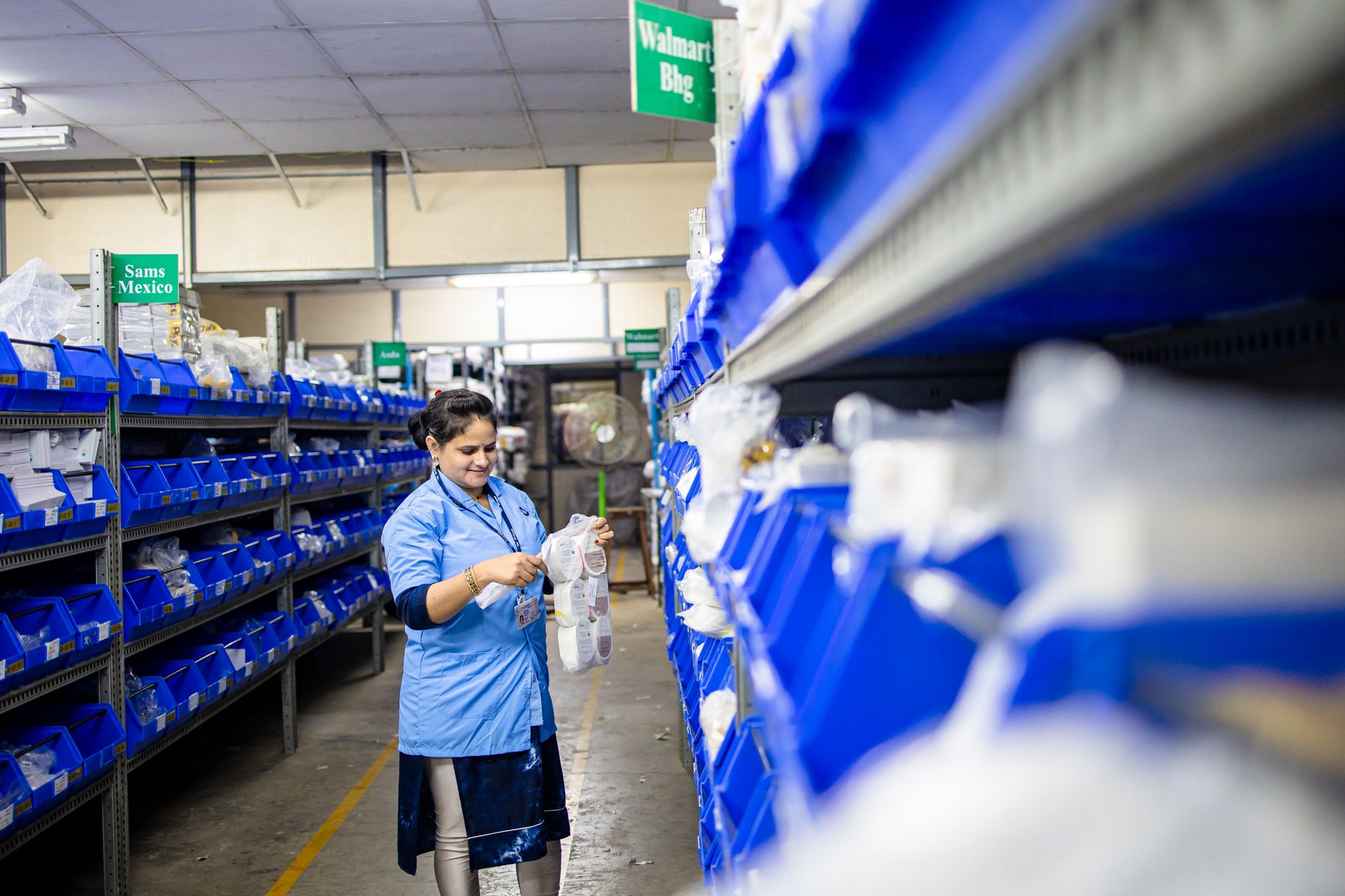
The labor story is just as important. Across the 23 locations, 14,000 worker hours were reallocated from manual cleaning to customer-focused work. The same source also cites projected savings of $3.4 million over ten years, which frames the result as a long-run operating change rather than a short-lived labor patch.
What this means for buyers evaluating Service Robot Co.
This case is a useful benchmark because it shows where autonomous cleaning pencils out in distribution. A national operator can use an industrial floor scrubbing robot or a floor scrubber for warehouses to reclaim labor, improve coverage, and build a cleaner service model across many sites at once.
Service Robot Co. did not run this deployment, but the operating pattern lines up with what the company is built to deliver. As a full-service, OEM-neutral commercial robot integrator for U.S. businesses, Service Robot Co. helps buyers select the robot that fits your floor, then finance, deploy, integrate, train, and service every unit through a nationwide engineer network. For teams comparing robot leasing for business, robot as a service, a commercial robot rental, or lease rental or sale, that one partner, one number model reduces the friction that often slows multi-site rollouts.