a 24/7 prepared-noodle factory serving supermarkets and convenience stores
How a Prepared-Noodle Plant Cut Line Staffing by Six With Robotic Lid Sealing
A 24/7 noodle factory automated lid sealing at up to 1,300 meals per hour, saving two operators at the cell and six on the full line within four months.
- 1,300/hr
- Meal rate
- -6
- Line staff
- -2
- Seal cell
- ~2 yr
- Payback
Based on a documented real-world deployment. Figures are from public reporting; the organization is not named.

Manual lid sealing blocked 24/7 throughput
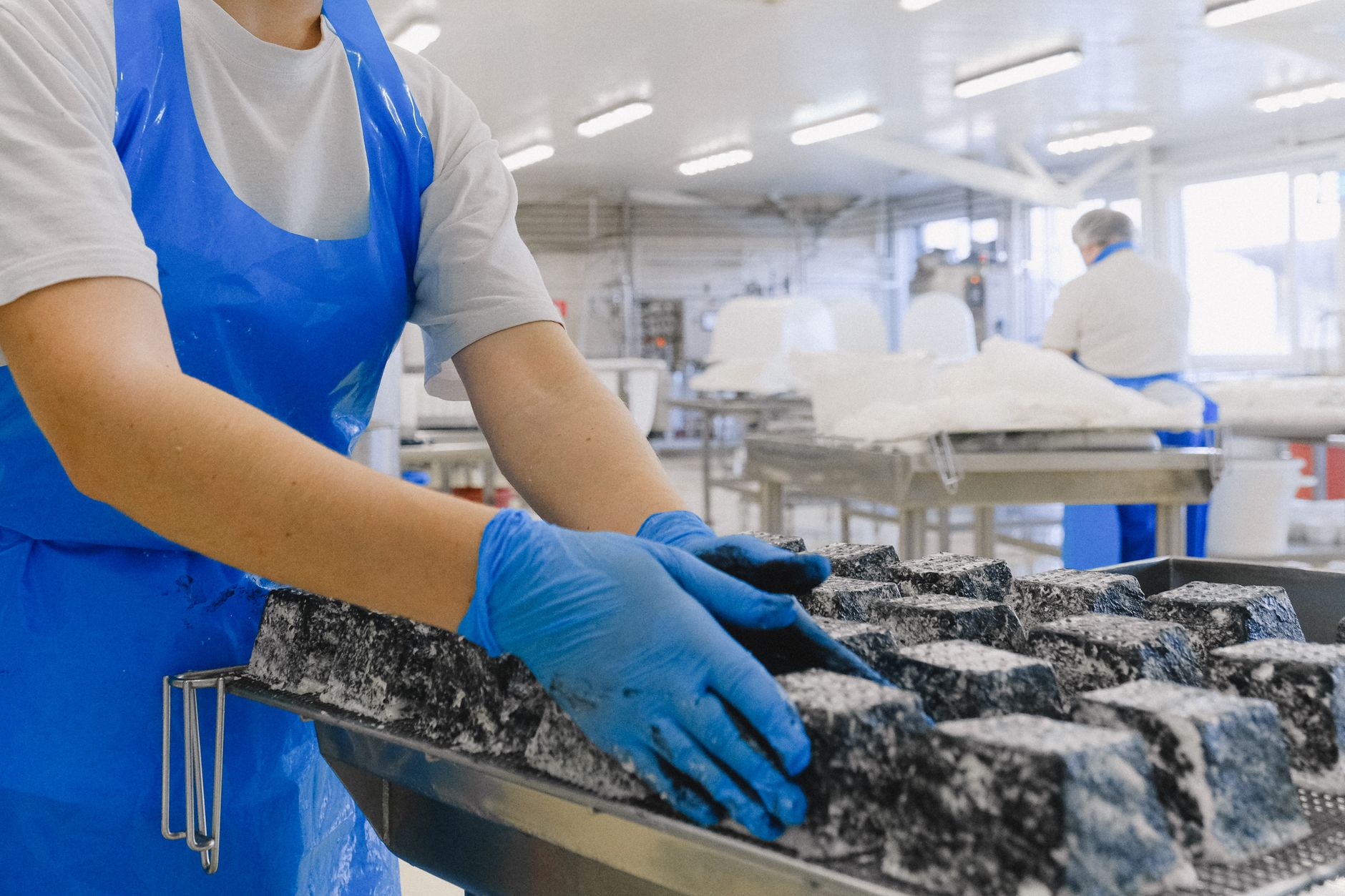
A prepared-noodle factory that supplies supermarkets and convenience stores runs around the clock. Lid sealing was repetitive, physically demanding, and hard to staff on every shift.
Demand for ready meals was climbing while outer pack formats pushed shipment volume higher. Leaders needed more throughput without adding bodies to the most tiring station on the line.
- Chronic difficulty hiring for repetitive seal work
- Physical fatigue from high volume hand sealing
- Capacity pressure on yakisoba and noodle SKUs
Dual-lid robotic cell on the live line
The plant installed a dedicated robotic lid sealing system sized for food hygiene and frequent product changeovers. Engineers tuned force control for square containers that demand tighter placement than round bowls.
The cell picks two lids at once, seals in sync with the conveyor, and holds enough lids for roughly twenty minutes between replenishment. Operators focus on supervision rather than constant hand sealing.
- Dual lid pick and seal for speed
- Conveyor synchronized motion without vision complexity
- Hygienic design for prepared food rules
- Large lid magazine for continuous runs
Labor savings inside four months
Within four months of commissioning, staffing at the lid sealing station dropped by two operators. Across the full production line, the project freed six operator roles that could support other tasks.
The cell sustained up to about 1,300 meals per hour, roughly double the pace cited for the prior manual line on that process. Finance estimated payback in about two years while floor staff reported far less physically demanding work.
What food manufacturers can take from this
End of line tasks like lid sealing are often the fastest win when labor is tight and the motion is identical thousands of times per shift. A vendor neutral integrator can match the robot class to your container mix, then finance, deploy, and service it through a nationwide network of regional service engineers.
Month to month robot lease or pilot programs let you prove one cell before you automate every repetitive station. Service Robot Co. maps the line, trains supervisors, and keeps one number for integration and emergency dispatch.