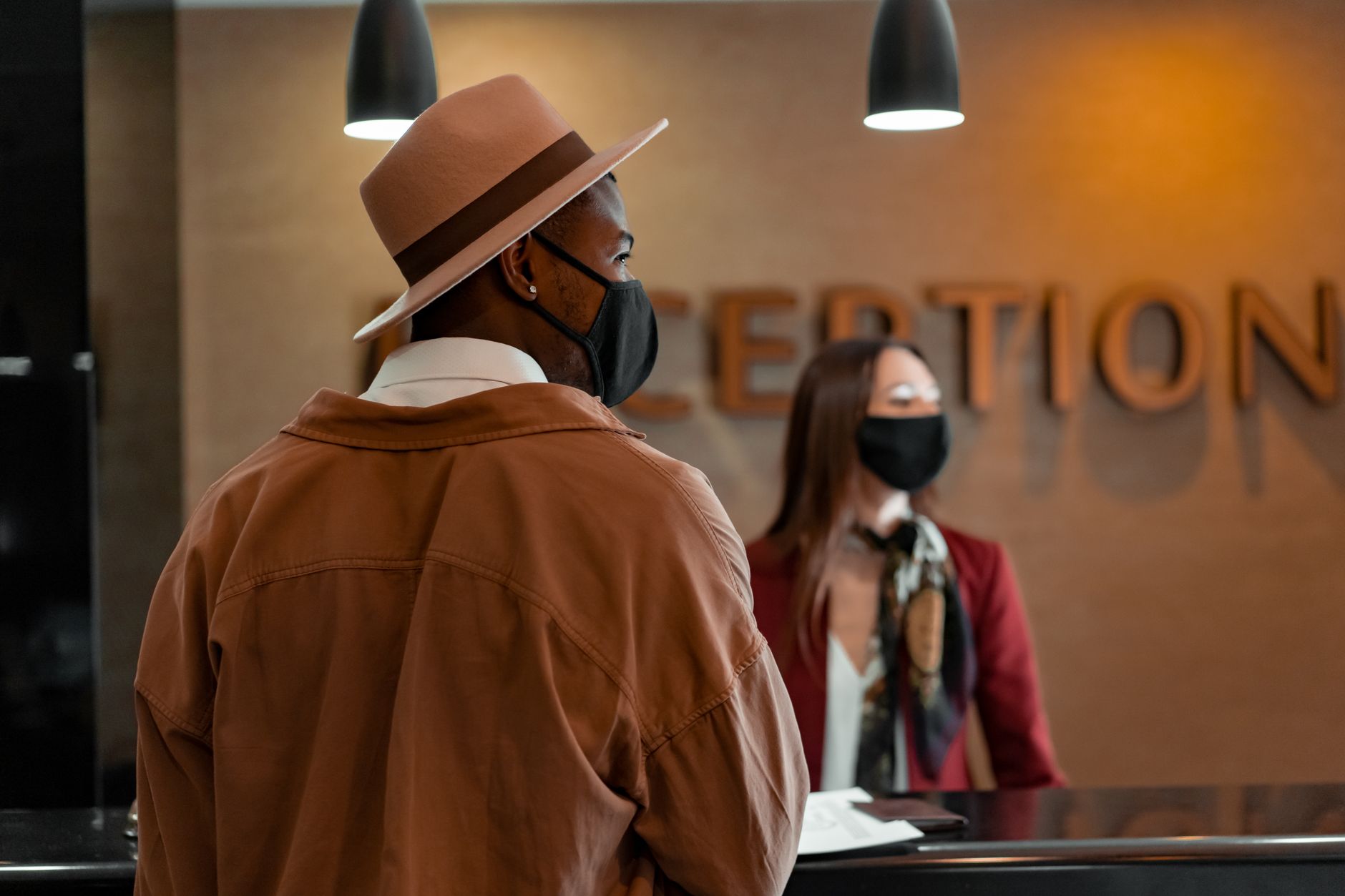
a 28-story class-a office tower
Office Tower Case Study: Front-Desk Wait Cut 65%
An anonymized office case study: a 28-story class-a office tower used a concierge robot to cut front-desk wait 65% and raise tenant satisfaction 18 points.
- 65%
- shorter visitor wait
- 18 points
- tenant satisfaction gain
- 28-story
- class-a office tower
Based on a documented real-world deployment. Figures are from public reporting; the organization is not named.
Where the lobby was getting stuck
At a 28-story class-a office tower, the lobby team was absorbing a constant stream of repetitive wayfinding and check-in questions. None of those interactions was complex on its own, but together they slowed the arrival experience and turned the front desk into a queue.
That mattered beyond convenience. When staff are tied up repeating directions all day, they have less attention for the work that actually requires judgment, especially security and tenant relations.
- Visitors needed quick directions and check-in help
- Routine questions were bottlenecking the front desk
- Higher-value staff attention was being pulled away from security and tenant needs
The robot took the first wave

The published summary is brief, but it establishes the essential operating move. The building deployed a lobby concierge robot in the arrival path so visitors could get a warm greeting and clear directions before those routine questions reached the desk.
The source does not publish a step-by-step rollout or training plan. What it does show is a practical handoff: repetitive visitor assistance shifted to the robot, while the front-desk team focused on security and tenant relations.
- Deploy a concierge robot at the lobby intake point
- Use the robot for greetings, directions, and routine visitor questions
- Shift staff focus toward security and tenant relations
Queue relief, and a better service read
The headline result is concrete. Visitor wait at the front desk fell 65% after the concierge robot was deployed, a sharp reduction in a part of the building experience that shapes first impressions immediately.
The tenant side improved too. The source reports an 18-point lift in satisfaction with building services, which suggests the robot did more than absorb traffic. It helped the lobby operation feel faster, clearer, and better staffed where it counted.
Why this matters for office operators
This is not a claimed Service Robot Co. deployment. It is a documented market example that shows where a concierge robot can pay off in commercial real estate: the robot handles repetitive arrival friction, and the building team gets time back for work that demands human judgment.
Service Robot Co. is a full-service, OEM-neutral commercial robot integrator for U.S. businesses. For owners and property teams exploring a service robot lease, or robot leasing for business, we select the right robot across manufacturers, then handle robot deployment and integration, training, and lifecycle service through a nationwide engineer network.