
a 293-room urban hotel in Southeast Asia
Hotel Pool Cleaning Reclaimed About 112 Labor Hours Monthly
A documented hospitality case study showing how a 293-room hotel in Southeast Asia shifted pool cleaning to a robot and saved about 112 labor hours monthly.
- 112 hrs/mo
- labor saved monthly
- 3 to 4 hrs
- manual cleaning nightly
- 293 rooms
- hotel footprint
- 2 staff
- night safety presence
Based on a documented real-world deployment. Figures are from public reporting; the organization is not named.

After-hours pool care was eating into labor
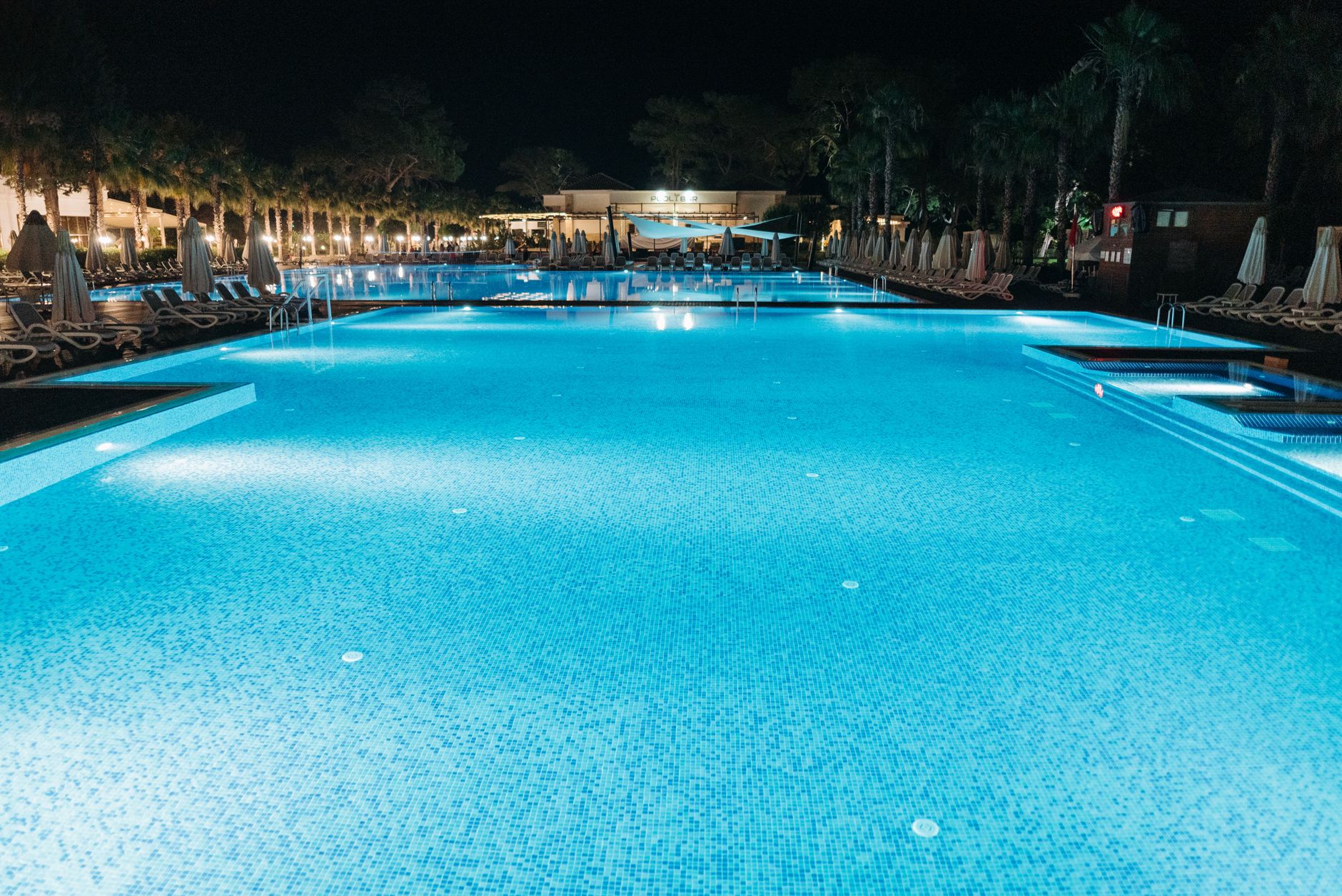
At a 293-room urban hotel in Southeast Asia, pool cleaning was not a quick side task. Manual cleaning took three to four hours each night during the pool's closing hours, which pushed necessary work into the least convenient part of the day.
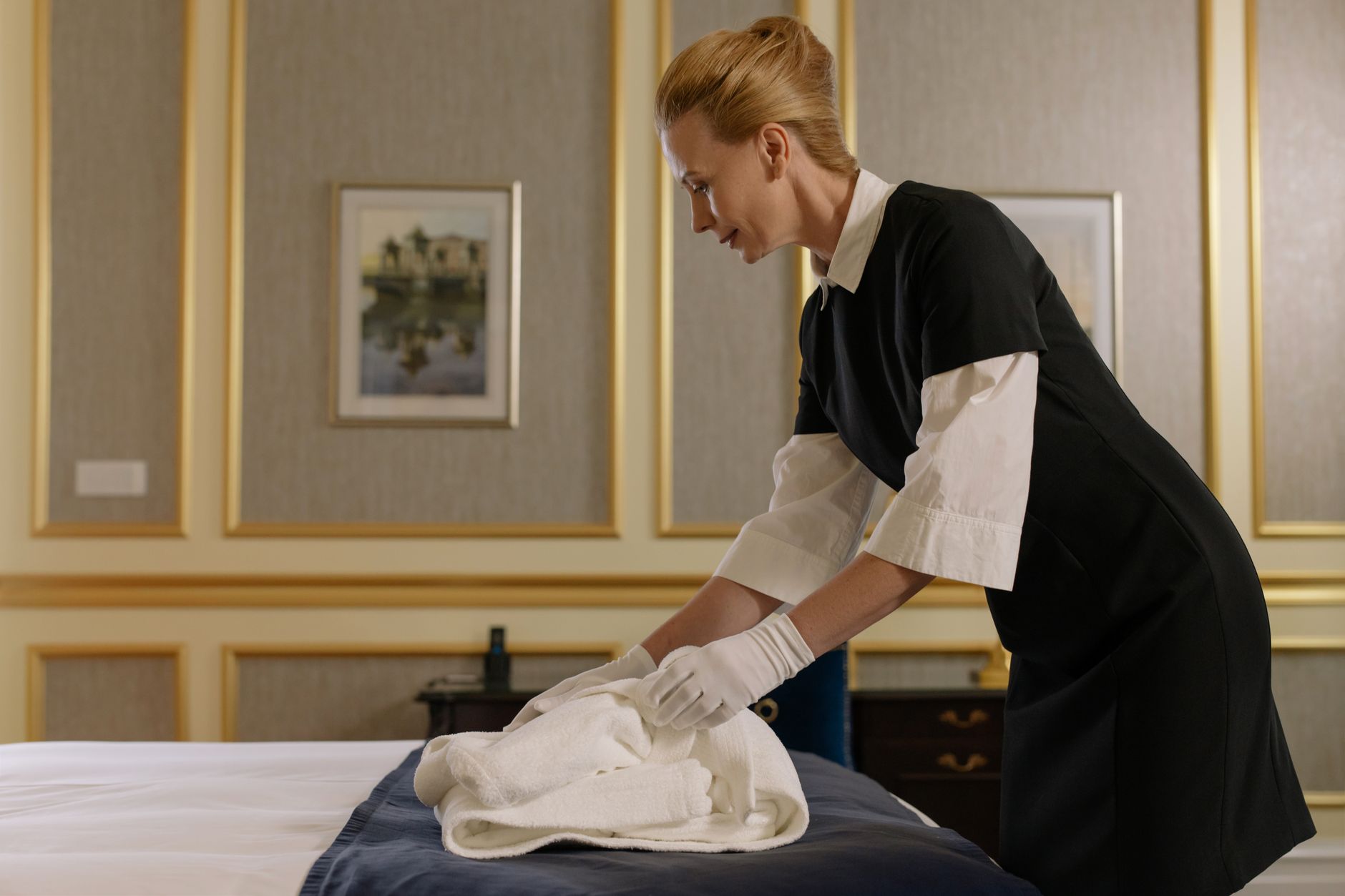
That burden landed on staff who were already handling general cleaning responsibilities. The source also notes that pool work at night normally requires two staff members present for safety, so the task carried both labor drag and scheduling friction.
- Nightly pool cleaning stretched across the pool's closing hours
- Manual work absorbed three to four labor hours each night
- Safety expectations pulled two staff members into after-hours coverage
A narrow use case with a simpler staff role
The documented change was tightly scoped. The hotel introduced a robotic pool cleaner as a targeted productivity measure for a repetitive task that happened after guests were done using the pool.
Once deployed, the employee's role shifted from manual scrubbing to a short setup routine. A worker plugged the robot in, placed it in the pool, and let it clean without human supervision. The published account does not describe a formal pilot, training plan, or service contract, so those details should be treated as diligence items rather than assumed facts.
- Select a repetitive after-hours cleaning task with a clear time burden
- Change the staff role from manual cleaning to setup and start
- Let the robot run during closing hours without direct supervision
- Validate training, maintenance, and service before replicating the model
The labor math changed quickly
Before automation, the nightly routine took three to four hours. After deployment, the hotel reported saving about 112 labor hours a month, which is the headline result that gives this hospitality example its weight.
The operational gain was broader than time alone. The source says night pool work ordinarily requires two staff members present for safety, while the robot handled the cleaning after setup. That reduced an awkward late-hours assignment to a brief handoff.
What this means for hotel operators in the US
This is a documented third-party deployment, not a Service Robot Co. client claim. Its value is the operating pattern: start with a narrow, repeatable task, prove the labor case, and make the human role lighter and easier to schedule.
Service Robot Co. is a full-service, OEM-neutral commercial robot integrator for US businesses. We help customers choose the right robot across manufacturers, then finance, deploy, integrate, train, and service it through a nationwide engineer network. For hospitality teams weighing commercial robot leasing, commercial cleaning robot leasing, robot leasing for business, or purchase or lease, that means a single vendor for the lifecycle.
For many buyers, a commercial robot lease structure matters because it can wrap site assessment mapping, go live support, RoboCare™ service, robot financing for small business, no upfront capital, and monthly payment programs around the robot that fits your floor.
Frequently asked questions
Want a robot working for you?
Tell us the job and the site. We will recommend the robot, quote the lease, and keep it serviced.