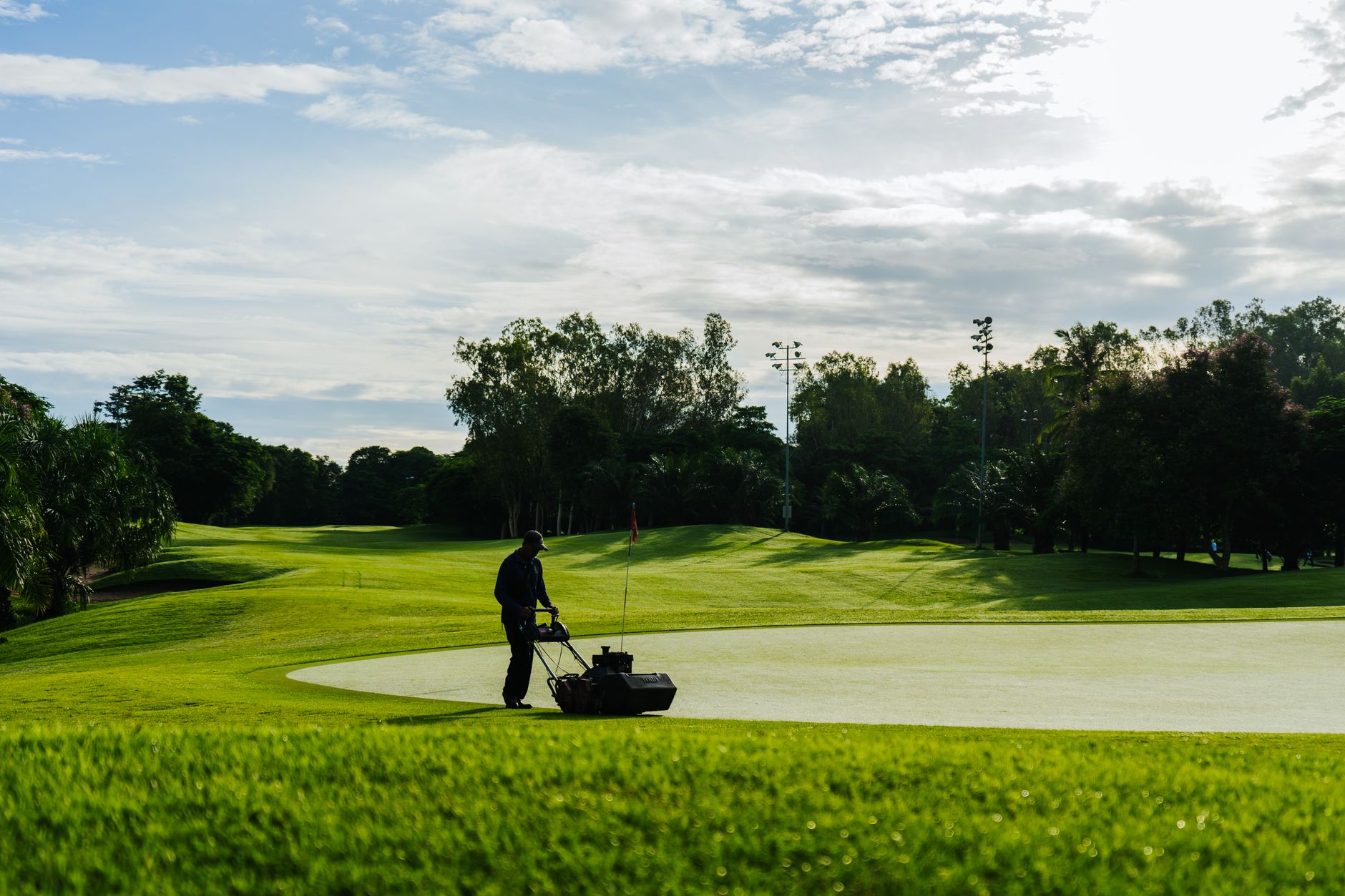
a high-traffic 30-bay driving range near Cambridge, England
Driving Range Case Study: 20+ Weekly Hours Reallocated
A 30-bay driving range near Cambridge used autonomous ball collection to gather up to 20,000 balls daily and reallocate more than 20 labor hours weekly.
- 30 bays
- Range footprint
- 20,000/day
- Balls collected
- 20+ hrs/wk
- Labor reallocated
- £12,600/yr
- Estimated savings
Based on a documented real-world deployment. Figures are from public reporting; the organization is not named.
When Ball Volume Starts Choking the Range
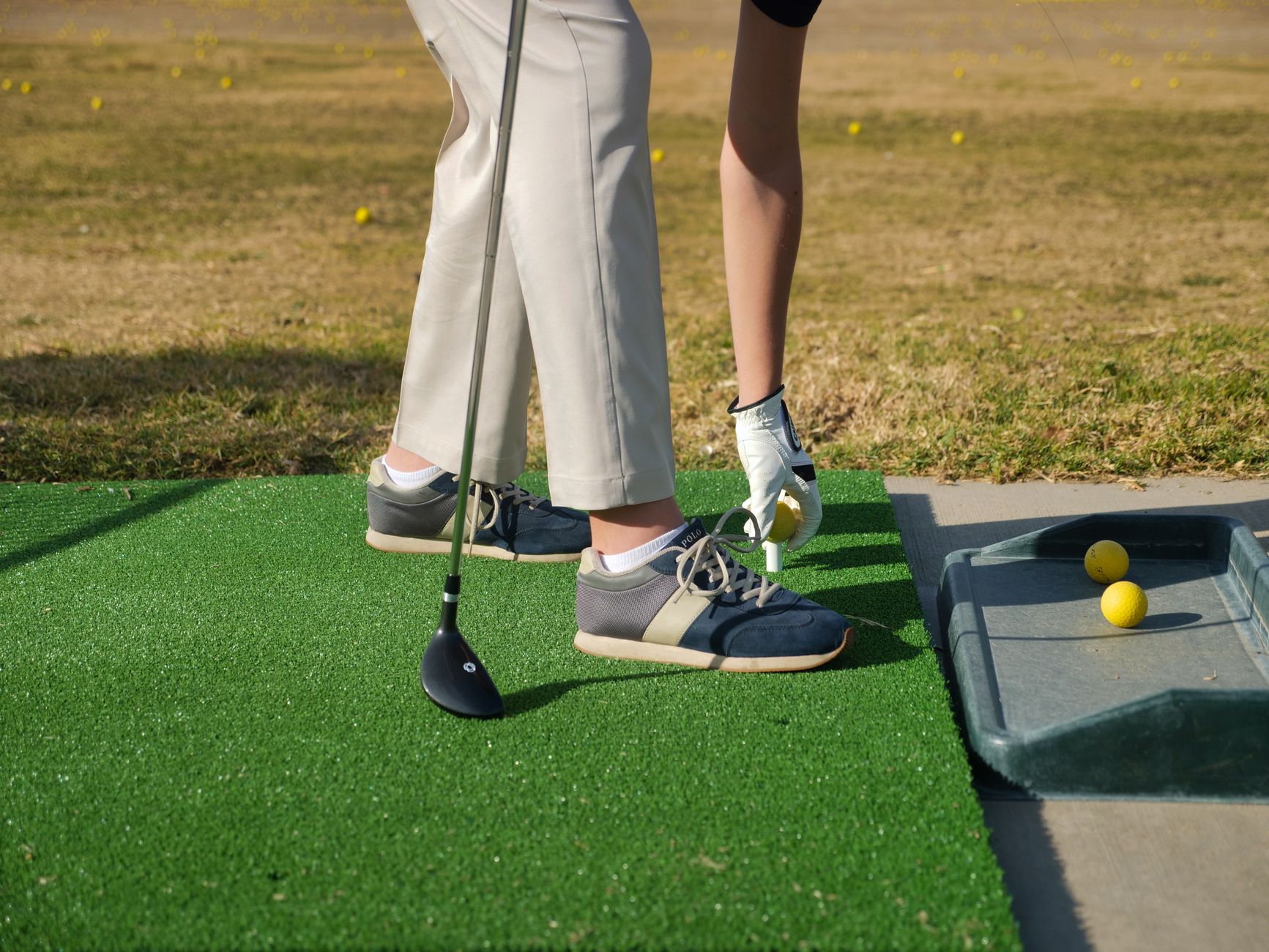
For a high-traffic golf and recreation site, ball collection is not a side task. It is a throughput issue. At this 30-bay driving range near Cambridge, England, roughly 25,000 balls were in circulation, and manual picking had become a real bottleneck for the greenkeeping team.
The pressure came from several directions at once. The range needed balls back in the dispenser quickly, the equipment footprint was restricted, and the operator wanted relief for staff without tearing out the existing wash-and-dispense setup.
- Manual collection was straining the greenkeeping team
- Roughly 25,000 balls were circulating across the range
- The new equipment had to fit a restricted footprint
- The robot had to work with the current wash-and-dispense chain
Automation Added Around the Existing Workflow
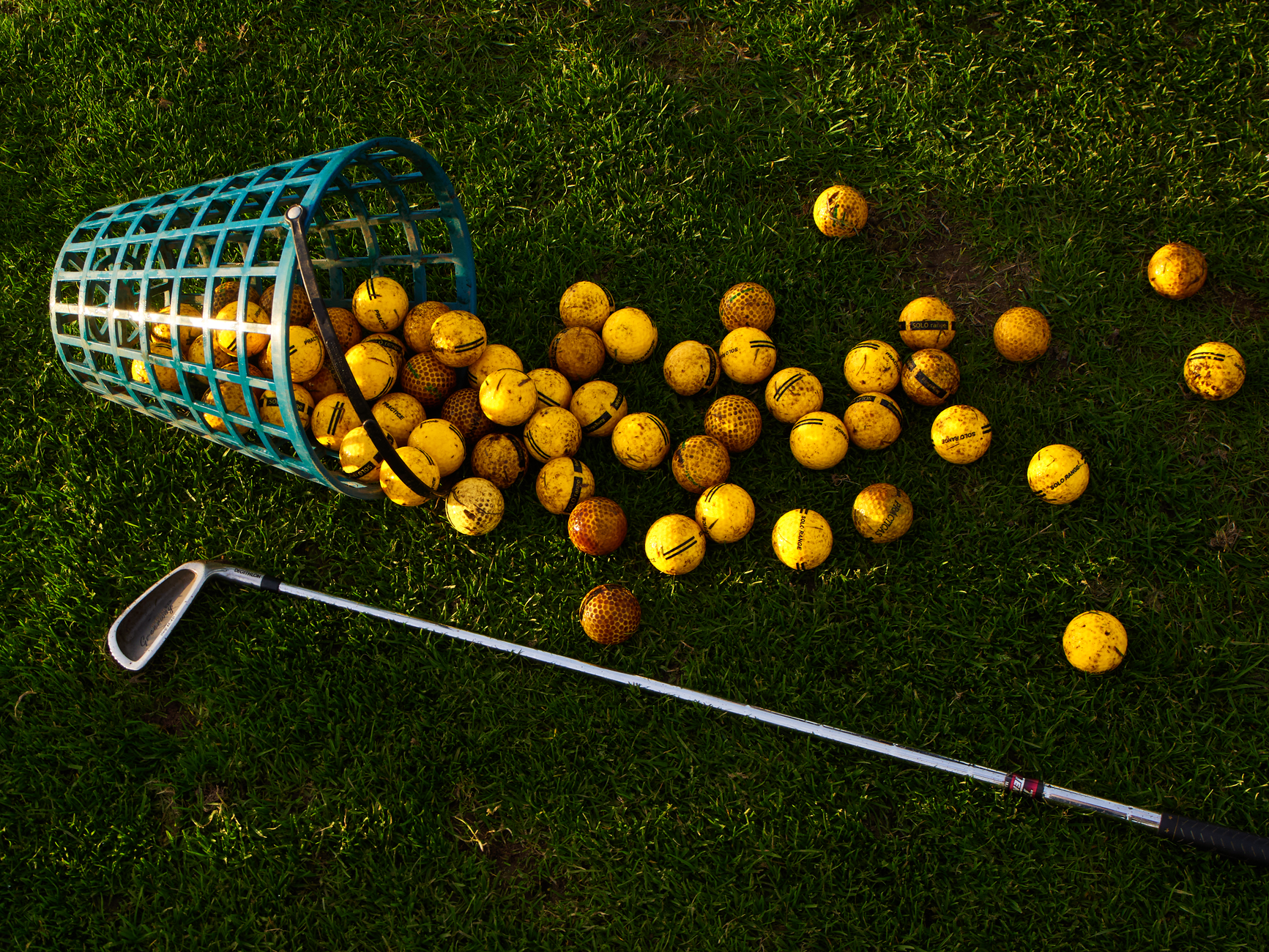
The documented approach started with a site assessment and a clear operational brief. The range needed an autonomous ball-picking robot that could keep up with heavy daily volume, fit the site, and connect to the infrastructure already in place.
Instead of rebuilding the operation, the installed system linked the picker to transfer equipment and a holding tank so balls could move from field collection to washing and back to the dispenser with minimal manual handling. The installation was completed in early August, and the operational lift showed up quickly.
- Assess the site, traffic, and handling constraints
- Match the robot to the range footprint and collection demand
- Integrate collection with the existing wash-and-dispense process
- Use local installation and after-sales support to keep the handoff stable
More Balls Back in Play, Fewer Crew Hours Lost
The measured lift was straightforward and meaningful. The automated setup now collects up to 20,000 balls a day, which keeps the range supplied without disrupting play and removes a repetitive burden from the crew.
Staff time opened up in parallel. More than 20 labor hours per week were reallocated to other work across the complex, and the source also cites estimated annual savings of £12,600. For an operation with roughly 25,000 balls in circulation, that shifts collection from a constant drag to background infrastructure.
What This Signals for US Operators
This is not a Service Robot Co. deployment. It is a documented field example that shows what happens when an autonomous ball-picking robot is matched to the site and tied into the handling system the range already uses. The gain came from fit, integration, and support, not from dropping a machine on the turf and hoping it sorts itself out.
That is the lane Service Robot Co. occupies for US buyers. As a vendor neutral robot integrator, Service Robot Co. can select the right machine across manufacturers, handle robot deployment and integration, train the onsite team, and back the unit with lifecycle service. For operators weighing leasing, robot leasing for business, purchase or lease, or monthly payment programs, the value is one accountable partner from finance through RoboCare™ service and commercial robot repair service.