
a 350-cow family dairy in northern England
Robotic Milking Raises Milk Yield 34% at a Family Dairy
See how a family dairy in northern England used robotic milking to raise milk yield 34%, ease weekend staffing pressure, and support herd health.
- 34%
- reported yield increase
- 6
- milking robots installed
- Up to 5x
- milkings per cow daily
- Below 150K
- reported herd SCC
Based on a documented real-world deployment. Figures are from public reporting; the organization is not named.
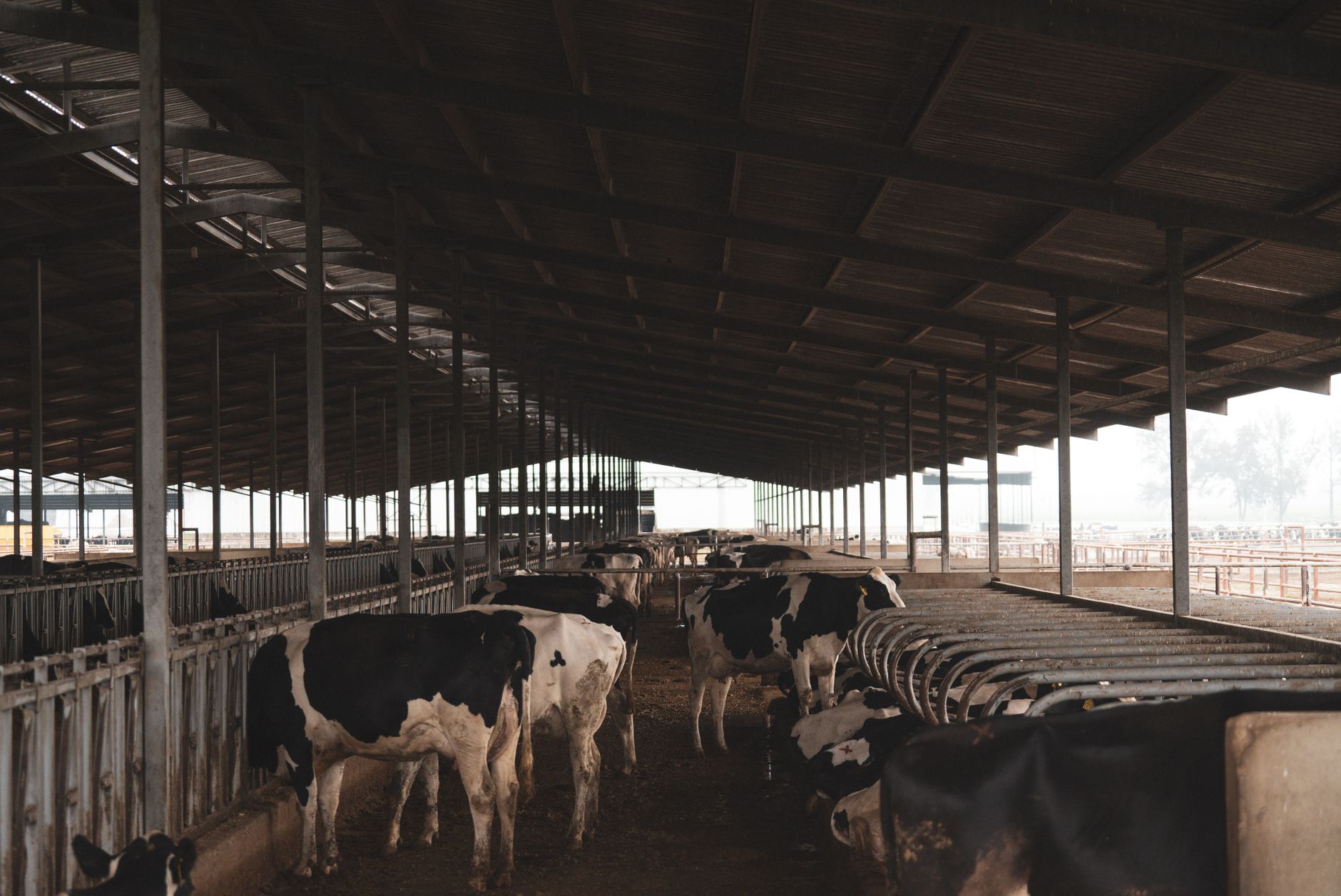
A Parlor at Its Practical Limit
A 350-cow family dairy in northern England depended on twice-daily parlor milking. Finding people to staff that routine was becoming increasingly difficult, especially on weekends.
The fixed schedule also constrained high-producing cows. The farm reported seeing milk on the beds, evidence that twice-daily milking was not capturing the production already present.
For precision, the source describes 350 cows as the planned herd scale. The robotic installation occurred as the family prepared to grow toward that level while remaining self-sufficient.
- Reduce dependence on difficult-to-fill weekend shifts
- Give higher-producing cows more opportunities to be milked
- Build a working pattern suited to a multigenerational family farm
Moving From Fixed Milkings to Voluntary Visits
After substantial deliberation, the family selected six robotic milking units. A local dealer planned the shed and installed the equipment on November 22, 2020.
The new layout let cows visit voluntarily instead of waiting for the parlor schedule. Individual-quarter milking and automated teat cleaning became part of each visit.
The published account does not describe a phased rollout, formal training program, or ongoing service schedule. Those details are therefore not attributed to this deployment.
- Assess the labor burden and production limits of the existing parlor
- Plan the shed around voluntary cow movement and six milking points
- Install the robotic equipment and shift the herd away from twice-daily milking
- Monitor visit frequency, milk yield and herd-health indicators after go-live
More Milk and Less Weekend Dependence
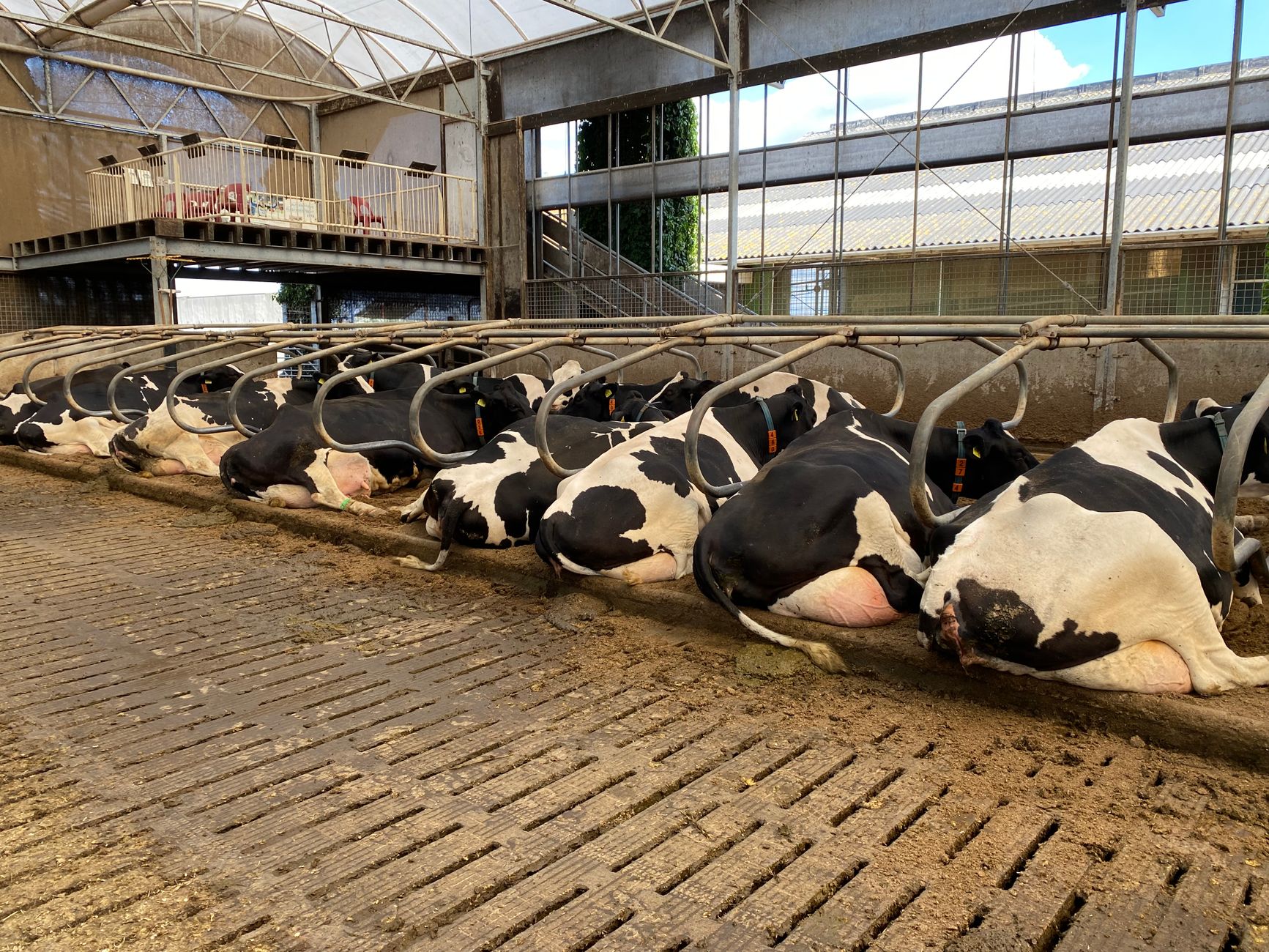
The farm reported a 34% increase in milk yield after installation. Some cows were being milked up to five times daily, compared with the previous twice-daily routine.
The family also reported that weekend staff were no longer needed. That removed a persistent scheduling burden from an operation where parlor staffing had become progressively harder.
Herd somatic cell count was reported at just below 150,000, its lowest level to that point. The farmer also said there had been no mastitis cases since the robots were installed, while noting that such cases had already been uncommon.
What This Evidence Means for a US Dairy
This documented example shows why robotic milking is an operating-system decision, not merely an equipment purchase. Cow flow, stall capacity, labor coverage, building layout, training and service response all influence the result.
Service Robot Co. did not run this deployment. For US businesses considering similar automation, Service Robot Co. acts as a vendor neutral robot integrator, selecting equipment across manufacturers and handling robot financing, deployment, integration, training and commercial robot repair service through a nationwide engineer network.
That model gives an operator one vendor for the full lifecycle. Monthly payment programs, robot leasing vs buying analysis and go-live support can be evaluated alongside equipment fit, with one partner and one number for ongoing service.