a family-run beef farm with 350 cattle and multiple animal groups
How a 350-Head Beef Farm Cut Daily Feeding Below One Hour
A family beef operation with 350 cattle replaced tractor mixing with an autonomous feeding robot, cutting daily feeding labor from 2 to 3 hours to under one hour.
- <1 hr
- Daily feed
- 2-3 hr
- Before
- 7
- Rations
- +50g
- Daily gain
Based on a documented real-world deployment. Figures are from public reporting; the organization is not named.
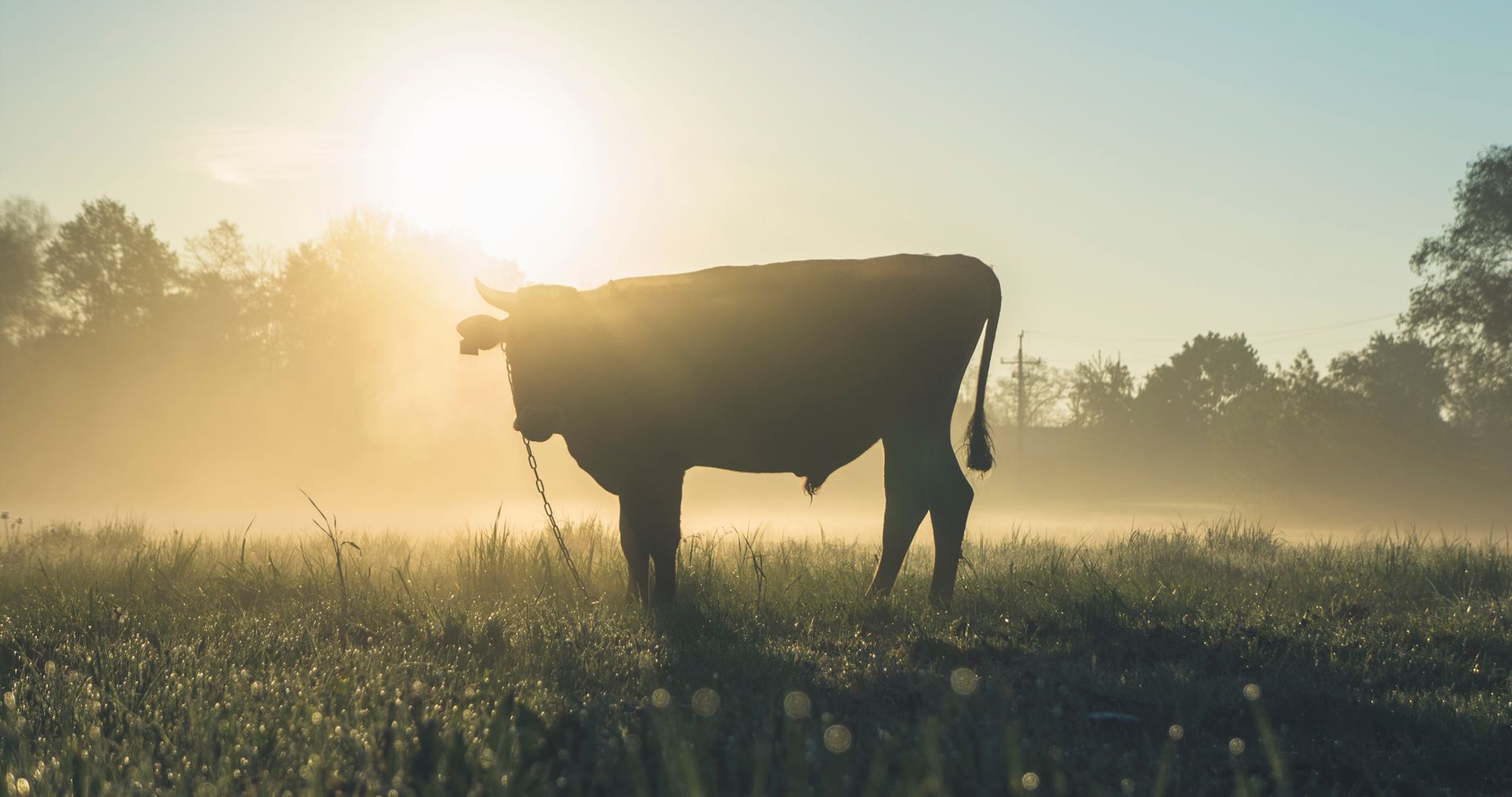
Twice-daily mixing that ate the morning
A family-run beef farm with 350 cattle and multiple animal groups fed with a mixing bowl and uncoiler setup that tied up two tractors every day. Preparing and distributing rations took between two and three hours daily, split across young bulls and the rest of the herd.
Rations were not tailored to each batch, which limited precision and made refusals more likely. Forage also had to be pushed back to the trough several times a day, adding more manual work on top of the mixing runs.
- Two tractor passes for separate herd groups
- Two to three hours of daily feeding labor
- Limited ration precision across age groups
- Repeated fodder pushing between mix cycles
Autonomous feeding with batch-specific rations
The farm adopted an autonomous feeding robot after visiting equipped operations and validating the workflow against its fattening and breeding groups. Installation focused on reliable kitchen loading and routing seven distinct rations by age and physiological stage.
The robot now distributes small portions on a frequent cadence instead of two large drops. That schedule keeps feed fresher at the trough and removes the need for staff to push forage back between tractor runs.
- Map animal groups to dedicated ration recipes
- Load the robot kitchen with forage and concentrates
- Let the system dispense roughly every 1.5 hours
- Monitor intake and refusals from mobile alerts
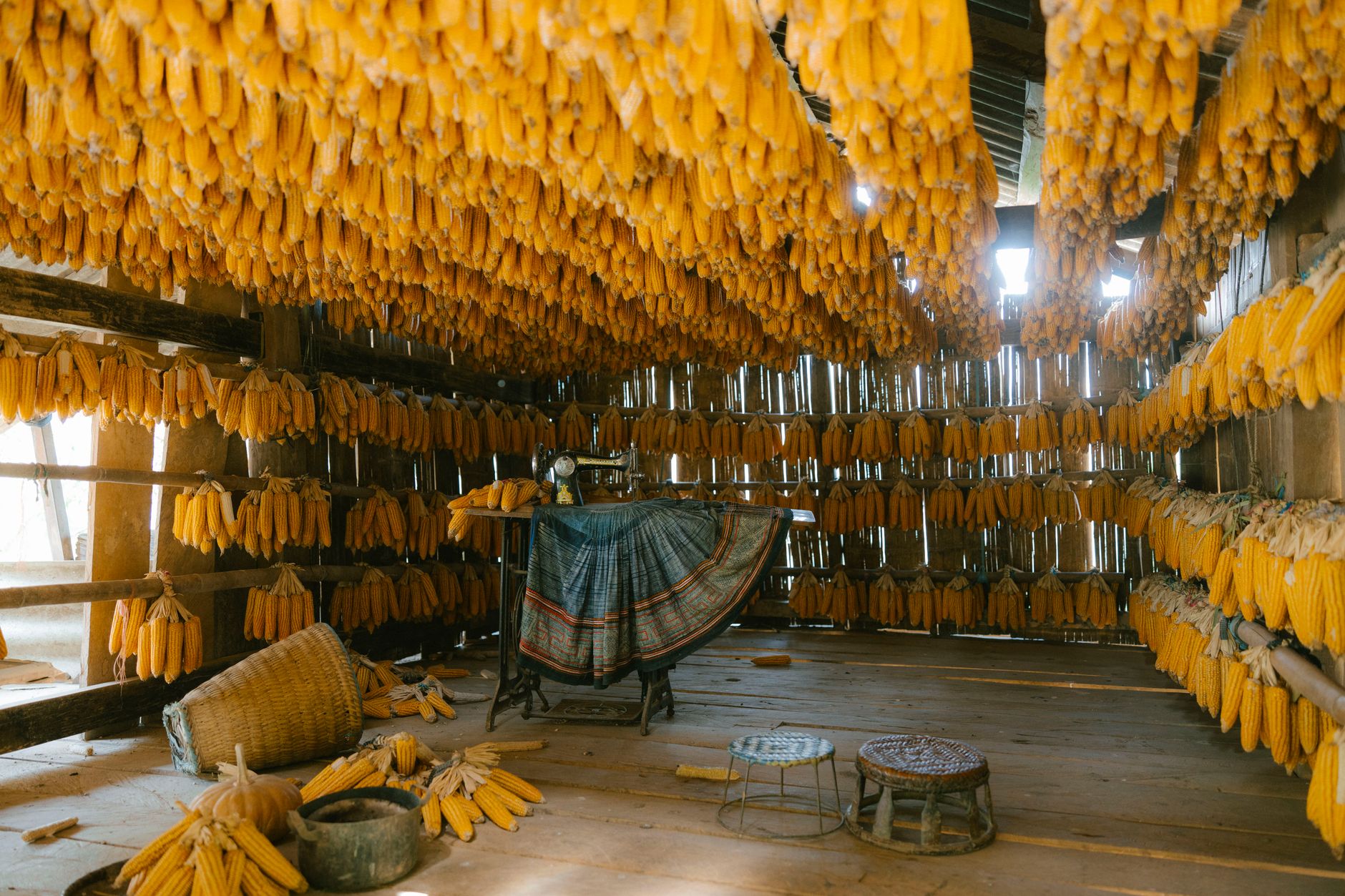
Under one hour of daily feeding labor
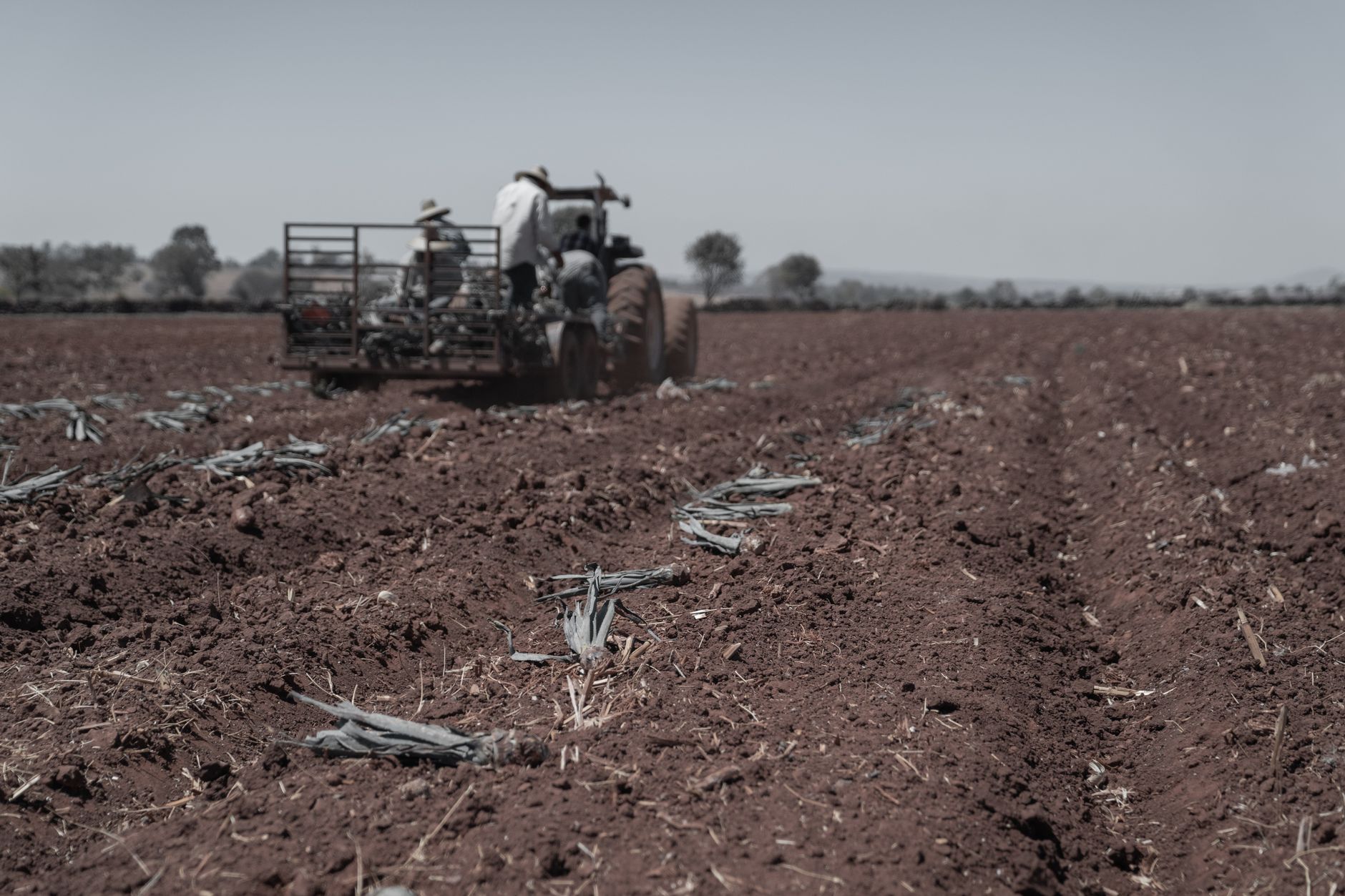
Daily time on feeding fell from two to three hours to less than one hour. Tractor use for mixing dropped away, and the heaviest manual pushing tasks disappeared. Staff now mainly top up the robot kitchen, a short routine compared with the old bowl and uncoiler cycle.
The farm reports about fifty grams per day higher average daily gain from steadier delivery alone, with better feed efficiency and stronger cow body condition at the end of winter on the same base ration. Refusals stayed low even when forage quality varied.
What US livestock operators can take from the switch
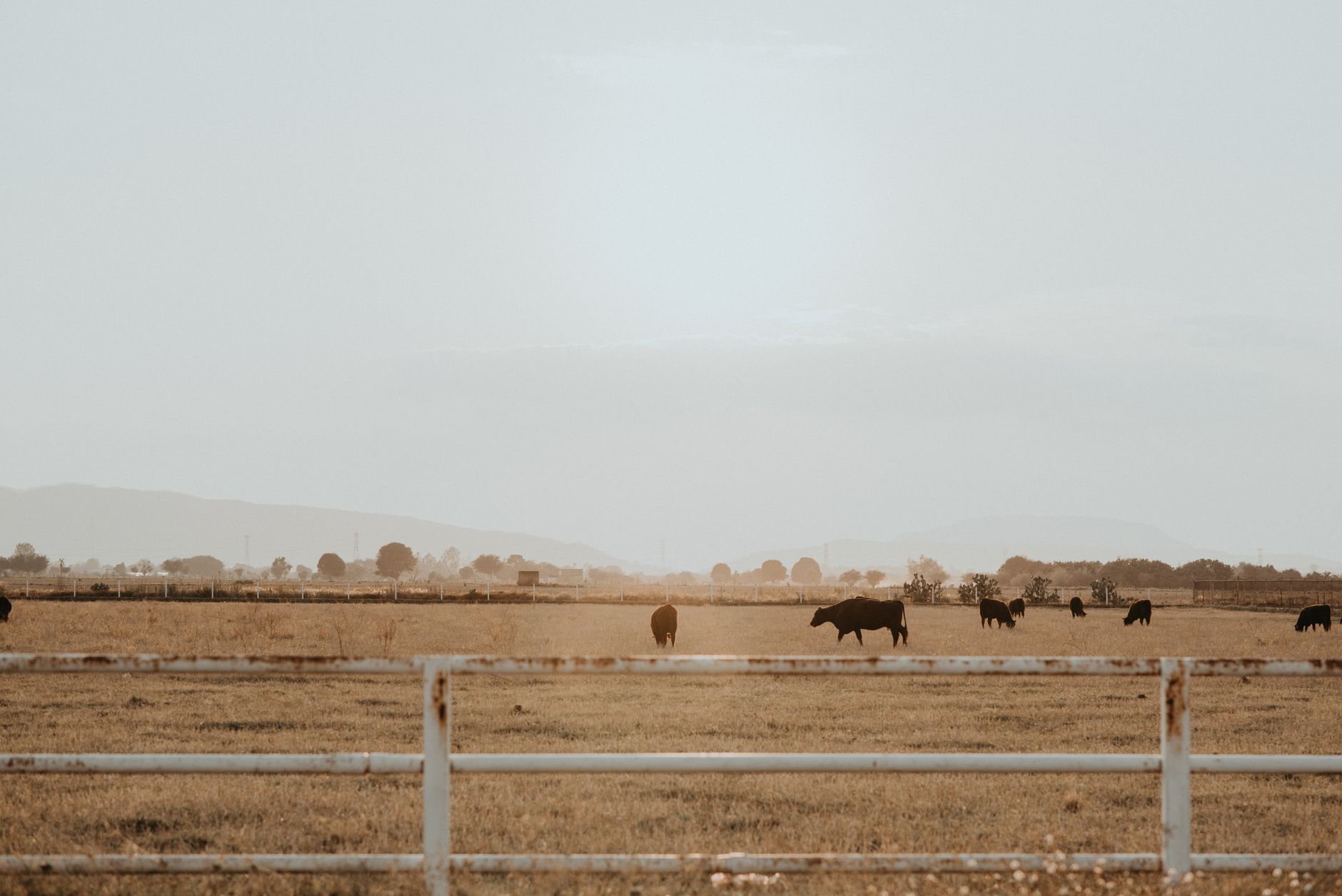
Service Robot Co. did not deploy this European beef program. We study published farmer outcomes so US ranches and feedlots can compare autonomous feeding robot rental paths before they buy iron.
The pattern fits our vendor neutral integrator role: match the right autonomous feeding platform, finance through monthly payment programs or lease rental or sale structures, train staff on kitchen loading and ration files, and keep uptime through a nationwide network of regional service engineers. A robot pilot program on one pen group can document labor hours and refusal rates before you scale across the herd.