
a high-volume 3PL warehouse with demanding cycle-count requirements
Inventory Drones Cut 3PL Count Time 50% and End Overtime
See how inventory drones cut cycle-count time 50%, eliminated overtime, and lifted daily scans from 800 to 1,200 in a demanding 3PL warehouse.
- 50%
- Less counting time
- 1,200
- Locations scanned daily
- 1
- Drone operator
- 0
- Overtime after deployment
Based on a documented real-world deployment. Figures are from public reporting; the organization is not named.
An Inventory Burden That Would Not Scale
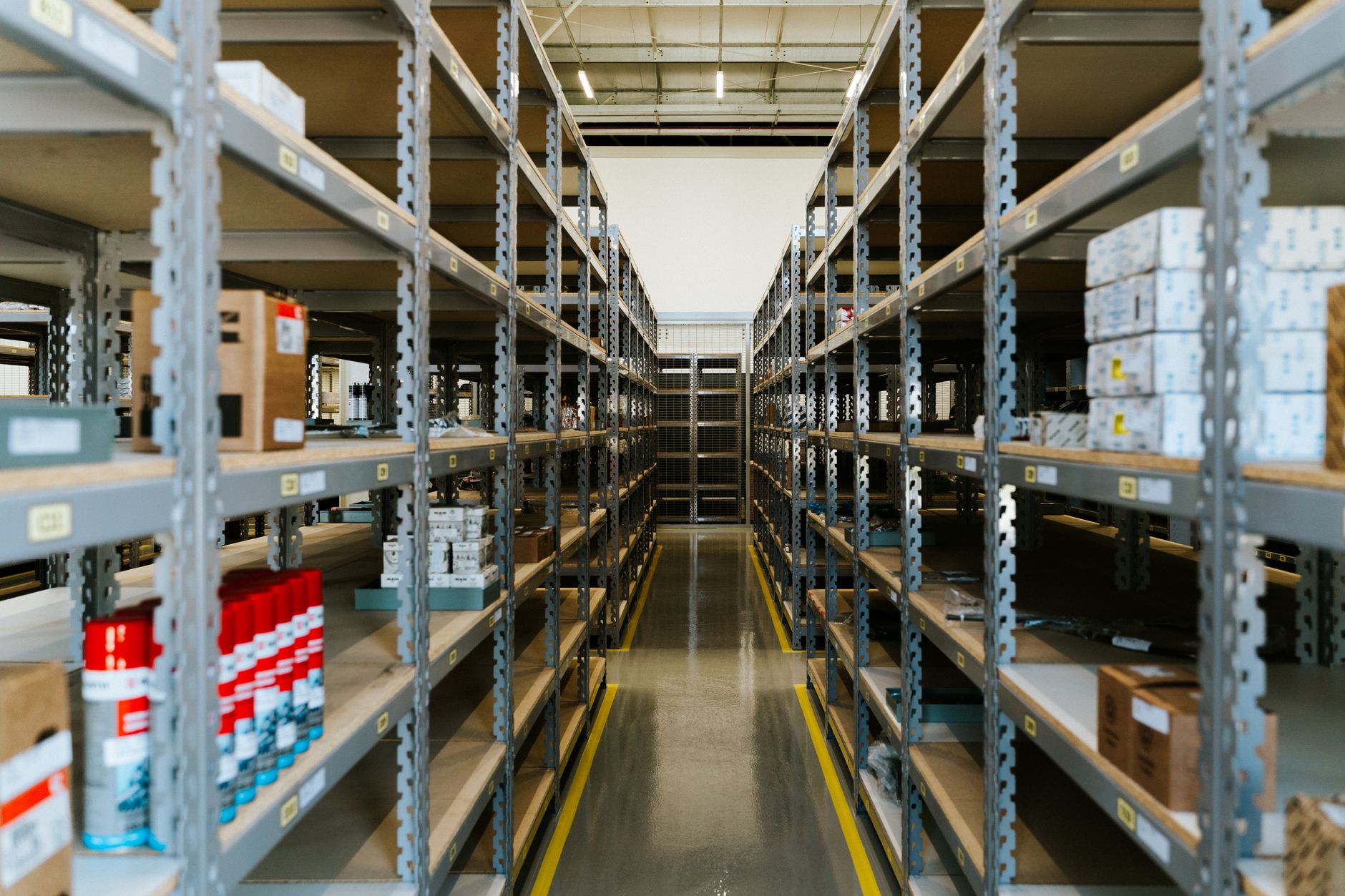
A key customer wanted more frequent cycle counts, but the warehouse had reached the limits of a manual routine. Four counters worked a full shift to complete only 800 location scans per day, and sustaining that pace required significant overtime.
The harder problem surfaced when a license plate number would not reconcile in the warehouse management system. Locating the physical pallet could consume one to two days, turning a data discrepancy into a long search through active racking.
- Four manual counters were committed for a full shift.
- The team completed only 800 location scans per day.
- The existing pace depended on significant overtime.
- A misplaced-pallet search could take up to two days.
From Rack-Level Capture to Directed Exceptions
The warehouse deployed inventory drones as part of a location-level visibility platform. Airborne capture read barcodes, lot codes, expiration dates, and box counts, then reconciled that ground truth against the warehouse management system and surfaced discrepancies in real time.
The deployment required no GPS dependency, IT infrastructure changes, or facility modifications. Personnel received training, and the interface made inventory variances clear enough for the team to learn quickly.
The published account does not describe product selection, rollout sequencing, or ongoing service terms. Those steps cannot be attributed to this deployment, so the approach here stays with the documented operating changes.
- Capture inventory identifiers and case information at rack level.
- Reconcile observations against the warehouse management system.
- Surface discrepancies while the inventory evidence is current.
- Direct operators to the last known pallet location.
- Train personnel to review variances and act on exceptions.
More Locations Counted, Without the Overtime
Cycle-count time fell by 50%, and overtime was eliminated entirely. One drone operator completed 1,200 location scans per day, surpassing the combined daily output of four manual counters, who had reached 800.
Misplaced-pallet searches changed just as sharply. Work that once took up to two days was reduced to minutes because operators could go to the last known location instead of combing through a warehouse section.
The result was not simply a faster flight path. The operation moved from labor-heavy counting and open-ended searches to current location evidence, WMS reconciliation, and directed exception work.

A Repeatable Buying and Deployment Path
This is a documented real-world example that Service Robot Co. analyzes. The warehouse was not presented as a Service Robot Co. client, and Service Robot Co. did not claim to run the deployment.
For another 3PL, the lesson is to match the robot, data workflow, and support model to the count requirement. Service Robot Co. is a full-service, OEM-neutral commercial robot integrator for US businesses. It selects equipment across manufacturers, finances the project, handles robot deployment and integration, trains the team, and services every unit through a nationwide US engineer network.
That one-vendor lifecycle matters when a buyer is comparing warehouse robot leasing, robot leasing for business, and a direct purchase. A vendor neutral robot integrator can carry the work from site assessment mapping through commissioning, training, and a robot maintenance service plan. The operating team gets one partner one number instead of a handoff between disconnected providers.