a large third-party logistics operator handling irregular parcel flows in the United States
How a 3PL Saved 33 Hours a Month Moving Damaged Packages With a Cart AMR
A large 3PL cut motion waste by 33.12 staff hours per month using a teach-and-go cart AMR to haul irregular parcels to a hospital lane.
- 33.12 hr
- Saved monthly
- 250 lb
- Max payload
- ~7 mo
- Reported payback
- No WiFi
- Needed to run
Based on a documented real-world deployment. Figures are from public reporting; the organization is not named.
Hospital lanes broke the line rhythm
High-speed sortation and pack lines keep margin only when every carton keeps moving. Damaged boxes, missing labels, and other exceptions must leave the belt quickly, yet they still need human repair at a separate hospital station.
Each manual walk to that station is pure motion waste. The farther the hospital desk sits from the sorter, the more seconds automation investments give back.
Leaders wanted a low-friction mover associates could call without IT projects or long training classes, including corners where wireless coverage is weak.
- Unpredictable exception volume off the main line
- Long walks to hospitaling desks
- Dead zones where Wi-Fi drops
Teach-and-go cart AMR on exception routes
The site added a self-guided cart AMR that builds its own facility map with onboard cameras, lasers, and proximity sensing. It runs without facility Wi-Fi, which mattered in pockets of the building where connectivity fades.
Associates pull a problem parcel off the line, load it on the cart, and teach a stop by driving to the hospital point and holding a location button for six seconds. Later trips replay that route autonomously with a single press.
Payload capacity reaches about 250 pounds during autonomous travel, so bulky rejects move without extra manual trucks. Supervisors reported immediate adoption because the workflow mirrors a familiar cart push.
- Onboard mapping without wireless dependency
- Six-second teach for new hospital stops
- 250-pound autonomous payload rating
- 360-degree obstacle sensing on each run
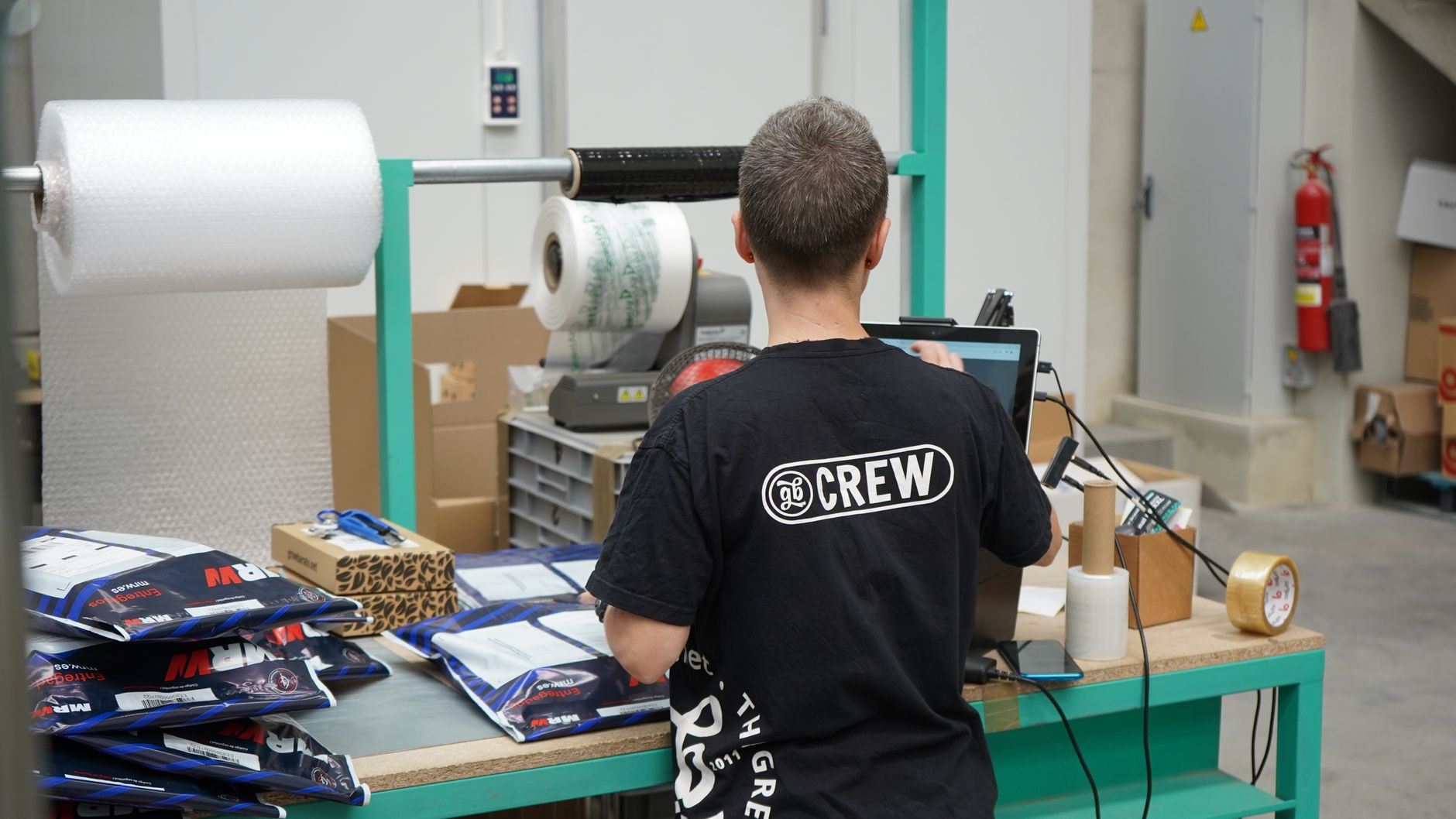
Measured hours back on the floor

Operations tracked 33.12 labor hours saved per month once the cart AMR handled exception moves instead of associates walking each damaged package.
Finance modeled payback in roughly seven months on the robot investment, with under eight months cited as the point ROI turned positive.
Workers kept high-value hospitaling tasks while the robot absorbed the back-and-forth transport that had been interrupting line tenders.
What fulfillment operators can copy

This example comes from a published 3PL case, not a Service Robot Co. deployment. It still shows where a vendor-neutral integrator can slot a cart AMR between sorters and repair benches.
Service Robot Co. compares autonomous mobile cart rental options, finances the pilot, maps exception lanes, and keeps US engineers on call when hospital desks move after a layout change.
If your DC loses hours to exception walks, start with one hospital route on the busiest shift. Prove the 33-hour-class monthly savings before you add carts to other buildings.